
Faith
Why the Restoration Movement Still Matters Today


Faith Facts
- Churches of Christ trace their identity to the New Testament church, not to a denomination or sectarian movement
- The Restoration Movement sought to return Christianity to its biblical foundations by following the examples and teachings found in Scripture
- Christian unity based on Scripture remains a core value, calling believers to focus on what is true and unchanging despite cultural shifts
Churches of Christ are not meant to be a denomination — and “Church of Christ” isn’t meant to be a sectarian name, as ministers noted in a recent examination of “A divine name.” It’s simply one of the biblical descriptions of the local, autonomous churches that make up the body of Christ.
Yet the name has served — for better or worse — as a way to help identify and fellowship churches with a particular understanding of Scripture and how the church should look and function.
Likewise, Churches of Christ are not defined by the Restoration Movement, by Barton Stone or Alexander Campbell. We strive to be heirs of the first century church, following the examples we see in the New Testament.
But — again, for better or worse — Churches of Christ have an undeniable connection and influence from that movement, its leaders and its plea to restore New Testament Christianity.
As part of an ongoing series on the identity of Churches of Christ, editorial board members reflected on their individual views of why the Restoration plea is meaningful and how it fits with their connections to Churches of Christ.
“Christian friends within and beyond Churches of Christ don’t always agree on theology or practice, but we are unified by Christ and him crucified. May we make peace with all believers and let God sort out the differences. The fellowship as we know it may not endure, but I’m confident in the future of the kingdom.”
— Cheryl Mann Bacon
“Sectarianism and power are fundamental longings of fallen human hearts. Unity based upon the teachings of Jesus, and often imperfectly embodied by his earliest disciples, offers a better alternative. At our best, Churches of Christ work toward such unity, granting the liberty to embody the Gospel across diverse settings.”
— Jeremie Beller
“I value the commitment commonly held by Churches of Christ to Scripture and the examples of the New Testament. Our emulation may not be perfect, but the Restoration plea continually draws us back toward the truth and love of God and helps us resist the drift of the world.”
— Calvin Cockrell
“The issue is what do we need to be restored to. The church of our parents is different than today, and young folks can learn from the past and our older saints. Today, older people need to break down cultural boundaries. Let’s talk to people and find out what people are doing.”
— Hamil Harris
“I think the Restoration plea calls the church to focus on what is true and unchanging, despite changes we experience over time. Looking at New Testament teachings and examples, I see the fellowship of the early church. One reason I participate in Churches of Christ is because I experience that type of relationship with other members.”
— Kenzie James
“With sharp divisions taking place in America, and even within our brotherhood, it is critical for members of the Churches of Christ to remain clear-eyed regarding Jesus’ message on unity. How are we supposed to spread the Gospel if we can’t agree on what it means to be disciples?”
— Trindi Mitchell
“I love the simplicity of striving to live and love like Jesus and finding truth and meaning in the stories and teachings of the Bible. It connects me to Churches of Christ because we share a common experience of relying on the Scriptures as our ultimate how-to guide.”
— Bobby Ross Jr.
Let us know what you think, please share your thoughts in the comments below.

Faith Facts
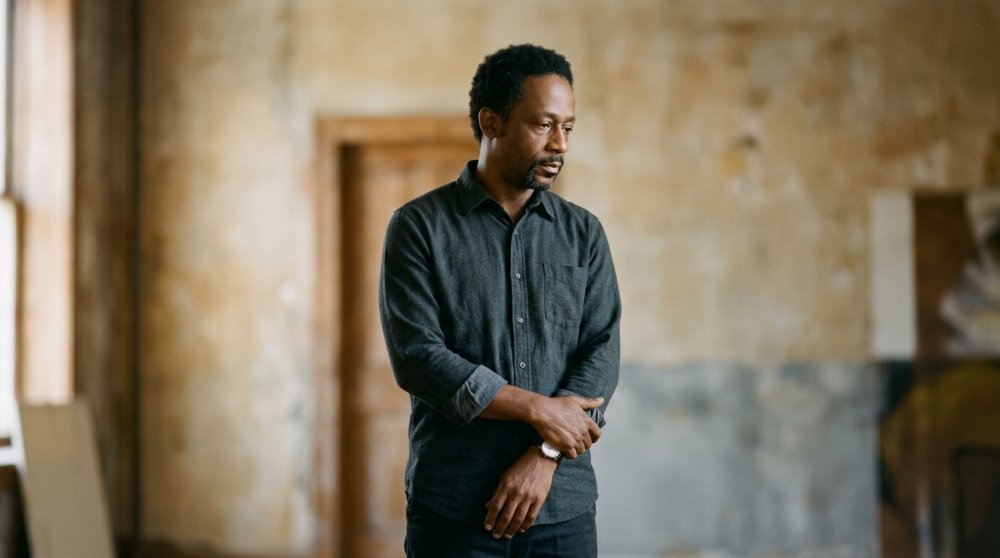
- Katt Williams has publicly shared that his personal relationship with God evolved independently after experiencing childhood abuse.
- The comedian emphasizes that his faith practice is nondenominational and rooted in his understanding of self-worth through God rather than organized religion.
- Williams’ testimony highlights the role of faith in overcoming hardship and finding personal identity beyond family trauma.
Comedian and actor Katt Williams has opened up about his faith journey, revealing that despite a difficult childhood marked by physical abuse, he now finds his self-worth rooted in his personal relationship with God. Williams, known for his stand-up comedy and acting roles, made these comments during a recent interview where he discussed his spiritual evolution.
Though he grew up in a home where he experienced physical abuse from his parents, Williams says his faith has developed independently of any organized religion. He describes his current practice as nondenominational, emphasizing a direct connection to God rather than membership in any particular church or denomination.
“I ain’t religious, but I know who God is to me,”
Williams stated, underscoring that his understanding of faith is personal and self-defined rather than institutional. This approach reflects a growing trend among some Americans who identify as spiritual but not religious, seeking meaning outside traditional church structures while still maintaining belief in God.
The comedian’s remarks come at a time when many Americans are questioning the role of organized religion in their lives. Williams’ story demonstrates how personal faith can serve as a source of healing and identity even for those who have been hurt by family or religious institutions. His testimony offers hope that individuals can find restoration through a direct relationship with God, regardless of past trauma or denominational affiliation.
Let us know what you think, please share your thoughts in the comments below.
Faith Facts
- Christian leaders stressed that science and faith are not at odds but are complementary gifts from God.
- Experts encouraged believers to view scientific discovery as an opportunity to understand God’s creation more deeply.
- The event focused on the intersection of Christian faith, health, and scientific advancement.
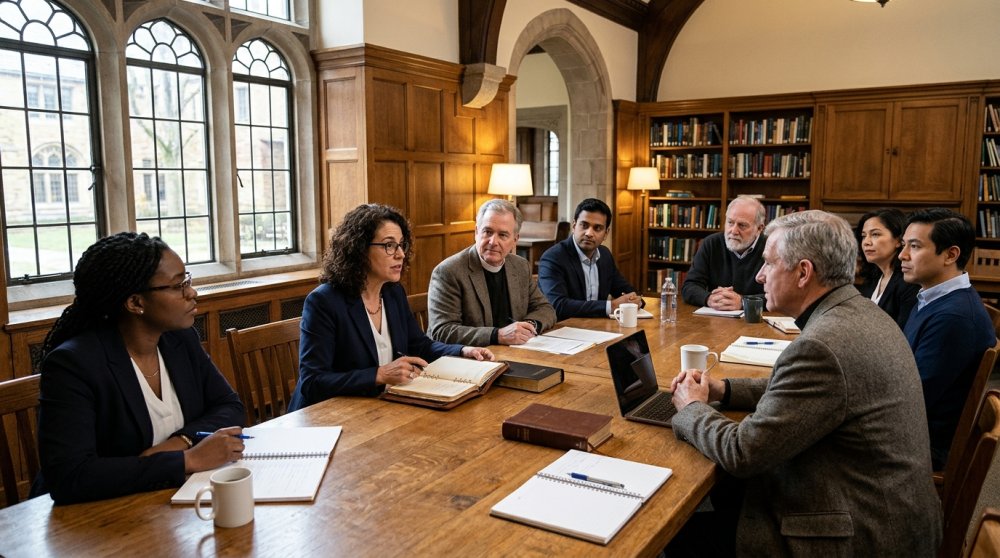
Christians should see science as a gift rather than something to fear, experts have said during an event exploring the relationship between Christian faith, health and scientific discovery.
The gathering brought together scientists and theologians who emphasized that pursuing knowledge about the natural world is consistent with honoring the Creator.
“Science helps us understand the intricate design of God’s creation,” one speaker noted.
Attendees were reminded that throughout history, many faithful believers have led significant scientific advancements, showing that faith and reason can work together.
“We are called to be stewards of knowledge,” another expert said.
The discussions highlighted the importance of approaching science with humility and reverence for God’s truth.
Participants left encouraged to engage thoughtfully with scientific developments while remaining anchored in their faith.
Let us know what you think, please share your thoughts in the comments below.
Faith Facts
- Scripture commands believers to pray for all leaders, even those they did not choose.
- God remains sovereign over every election outcome and earthly authority.
- Despair over politics distracts from the Christian duty to intercede in faith.
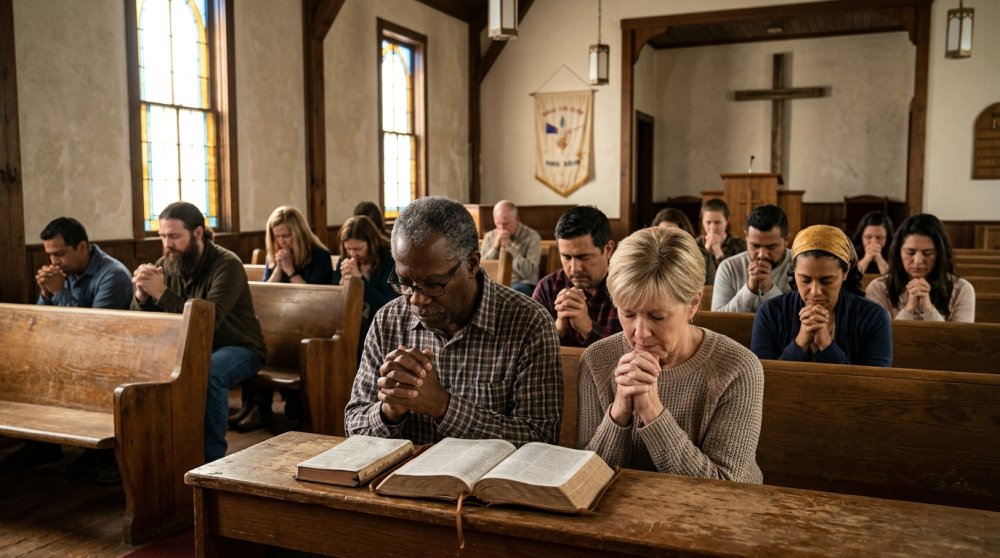
This year’s midterm results left many conservative Christians discouraged. Yet Scripture gives clear direction for moments like these.
Believers are called to pray for every leader placed in authority, regardless of personal preference or political outcome. Despair over election results shifts focus away from the power of prayer and the sovereignty of God.
“I urge, then, first of all, that petitions, prayers, intercession and thanksgiving be made for all people—for kings and all those in authority, that we may live peaceful and quiet lives in all godliness and holiness.”
The verse from 1 Timothy 2 reminds Christians that prayer is not optional but essential. It is the primary response to political disappointment, not anger or withdrawal.
Trusting God’s providence means recognizing that no election result surprises or thwarts His plan. The same Lord who ordains leaders also calls His people to intercede on their behalf.
Despair weakens witness and clouds the Christian’s responsibility to remain steadfast in prayer. Faithful intercession upholds both the nation and the Church in turbulent times.
Let us know what you think, please share your thoughts in the comments below.


-

 Self-Reliance2 years ago
Trump’s Bold Move Uncovers Massive Social Security Fraud
-
 Faith2 years ago
New Clues Emerge in Noah’s Ark Mystery
-

 News2 years ago
Governor Walz’s Rhetoric Sparks National Controversy
-

 News2 years ago
Mel Gibson’s ‘The Passion of the Christ’ Sequel Title Announced
-

 Family2 years ago
Texas Lawmaker Targets Furries in Schools
-

 Freedom2 years ago
Maine Lawmaker Challenges Sports Fairness Controversy
-

 Family1 year ago
Canada’s Controversial Policy Sparks Ethical Debate
-
Faith12 months ago
Congress Hears Pleas for Nigerian Christians