
Faith
Why the Restoration Movement Still Matters Today


Faith Facts
- Churches of Christ trace their identity to the New Testament church, not to a denomination or sectarian movement
- The Restoration Movement sought to return Christianity to its biblical foundations by following the examples and teachings found in Scripture
- Christian unity based on Scripture remains a core value, calling believers to focus on what is true and unchanging despite cultural shifts
Churches of Christ are not meant to be a denomination — and “Church of Christ” isn’t meant to be a sectarian name, as ministers noted in a recent examination of “A divine name.” It’s simply one of the biblical descriptions of the local, autonomous churches that make up the body of Christ.
Yet the name has served — for better or worse — as a way to help identify and fellowship churches with a particular understanding of Scripture and how the church should look and function.
Likewise, Churches of Christ are not defined by the Restoration Movement, by Barton Stone or Alexander Campbell. We strive to be heirs of the first century church, following the examples we see in the New Testament.
But — again, for better or worse — Churches of Christ have an undeniable connection and influence from that movement, its leaders and its plea to restore New Testament Christianity.
As part of an ongoing series on the identity of Churches of Christ, editorial board members reflected on their individual views of why the Restoration plea is meaningful and how it fits with their connections to Churches of Christ.
“Christian friends within and beyond Churches of Christ don’t always agree on theology or practice, but we are unified by Christ and him crucified. May we make peace with all believers and let God sort out the differences. The fellowship as we know it may not endure, but I’m confident in the future of the kingdom.”
— Cheryl Mann Bacon
“Sectarianism and power are fundamental longings of fallen human hearts. Unity based upon the teachings of Jesus, and often imperfectly embodied by his earliest disciples, offers a better alternative. At our best, Churches of Christ work toward such unity, granting the liberty to embody the Gospel across diverse settings.”
— Jeremie Beller
“I value the commitment commonly held by Churches of Christ to Scripture and the examples of the New Testament. Our emulation may not be perfect, but the Restoration plea continually draws us back toward the truth and love of God and helps us resist the drift of the world.”
— Calvin Cockrell
“The issue is what do we need to be restored to. The church of our parents is different than today, and young folks can learn from the past and our older saints. Today, older people need to break down cultural boundaries. Let’s talk to people and find out what people are doing.”
— Hamil Harris
“I think the Restoration plea calls the church to focus on what is true and unchanging, despite changes we experience over time. Looking at New Testament teachings and examples, I see the fellowship of the early church. One reason I participate in Churches of Christ is because I experience that type of relationship with other members.”
— Kenzie James
“With sharp divisions taking place in America, and even within our brotherhood, it is critical for members of the Churches of Christ to remain clear-eyed regarding Jesus’ message on unity. How are we supposed to spread the Gospel if we can’t agree on what it means to be disciples?”
— Trindi Mitchell
“I love the simplicity of striving to live and love like Jesus and finding truth and meaning in the stories and teachings of the Bible. It connects me to Churches of Christ because we share a common experience of relying on the Scriptures as our ultimate how-to guide.”
— Bobby Ross Jr.
Let us know what you think, please share your thoughts in the comments below.

Faith Facts
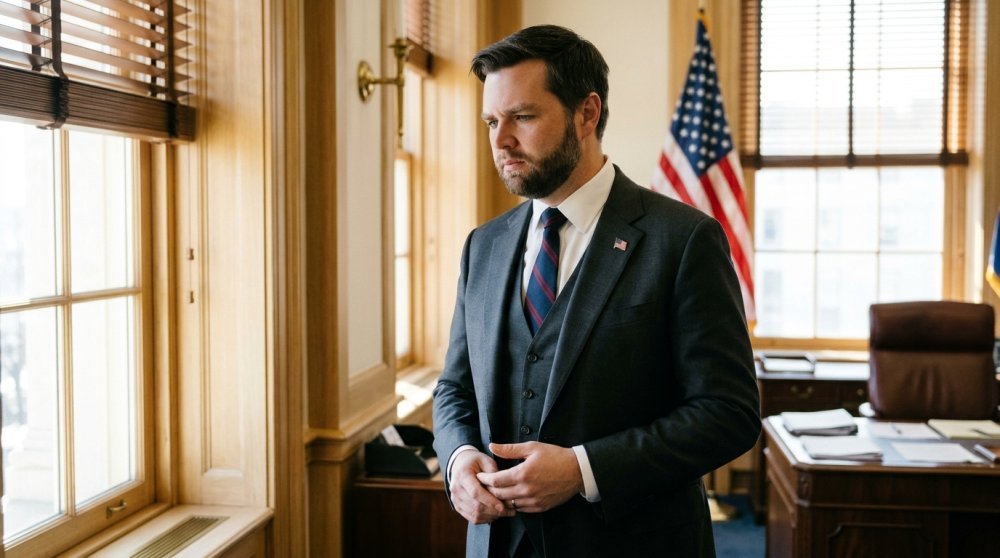
- Vice President JD Vance credits his faith for guiding his political service and life decisions.
- Vance says he has not yet felt a divine call to pursue the presidency in 2028.
- He remains open to the possibility that God may lead him toward a future presidential campaign.
Vice President JD Vance has stated that his faith remains central to his decision-making as he weighs a potential 2028 presidential campaign. The Ohio senator-turned-vice president spoke candidly about how he continues to seek God’s direction before making major political moves.
Vance emphasized that he has not yet sensed a clear calling from God regarding a presidential run. He noted that this could change in time but stressed the importance of waiting for divine guidance.
“I haven’t yet felt God’s call for a presidential run in 2028,”
“Maybe that’ll change.”
Vance’s comments reflect a growing trend among conservative leaders who publicly acknowledge their dependence on prayer and Scripture when facing major career decisions. His approach resonates with many Americans who value leaders willing to submit their ambitions to God’s will.
The vice president also reflected on how his conversion to Christianity has shaped his worldview and public service. Vance has often spoken about the transformative power of faith in both his personal life and his political philosophy.
Let us know what you think, please share your thoughts in the comments below.
Faith Facts
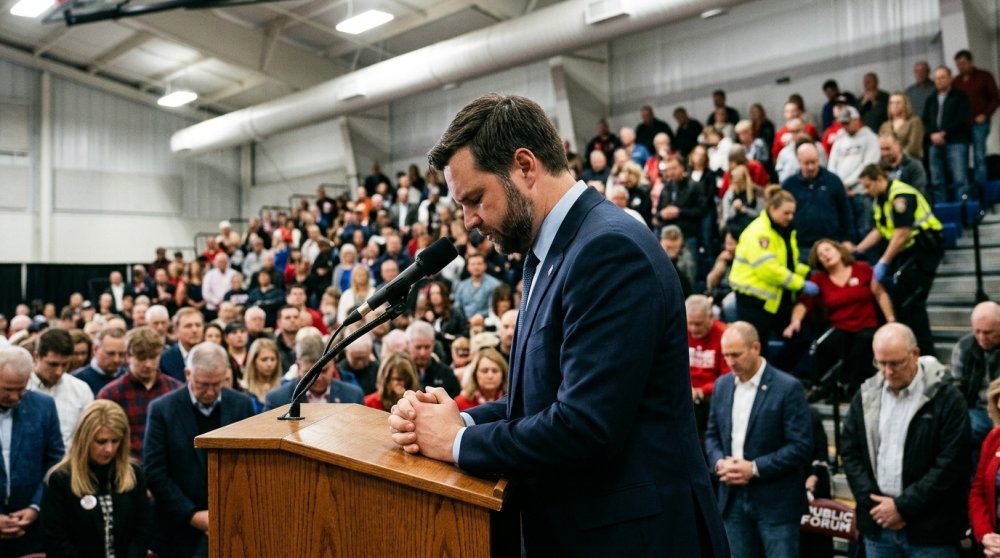
- Vice President JD Vance led rally attendees in reciting the Lord’s Prayer when a woman collapsed nearby.
- The moment highlighted the continued presence of Christian faith in American public life and political gatherings.
- Vance personally left the stage to check on the woman after leading the prayer.
Vice President JD Vance paused a Nebraska campaign rally to lead the crowd in the Lord’s Prayer after a woman collapsed in the audience.
The incident took place during a live event where Vance addressed supporters and addressed policy issues.
“Pray as the Lord taught us to pray,” Vance said before leading the audience in the traditional prayer.
After finishing the prayer, Vance stepped down from the stage and made his way into the stands to personally check on the woman who had collapsed.
The spontaneous act of faith and compassion drew praise from attendees who witnessed the moment.
Let us know what you think, please share your thoughts in the comments below.
Faith Facts
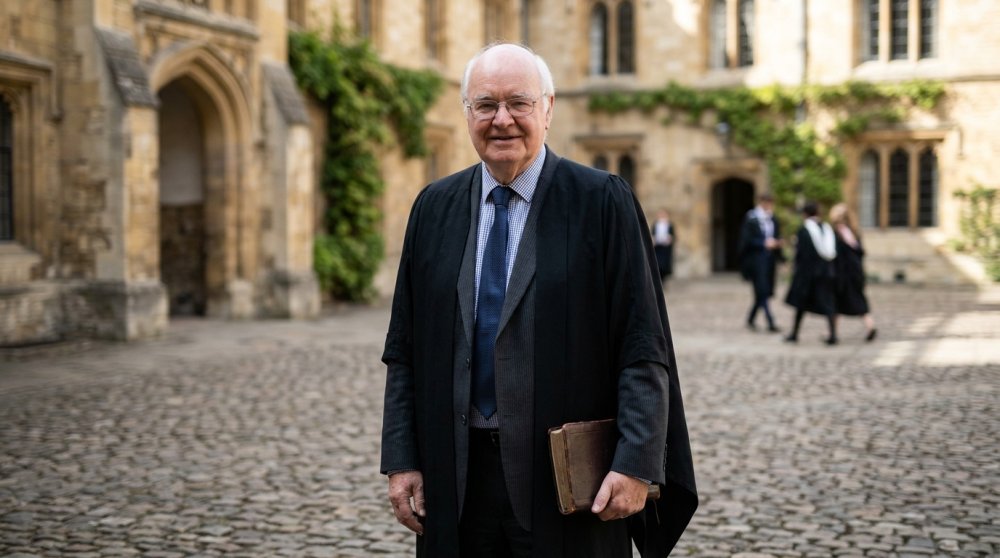
- Oxford mathematician and Christian apologist Professor John Lennox encourages believers to share their faith with confidence.
- Lennox stresses that evangelism is not reserved only for preachers, theologians, or those with extensive biblical knowledge.
- Every Christian is called to be a witness for Christ in daily life.
Oxford mathematician and Christian apologist Professor John Lennox is urging believers everywhere to share their faith with greater boldness and confidence. He reminds Christians that the call to witness is not limited to pastors or scholars but belongs to every follower of Christ.
“We’re all called to be witnesses,” Lennox declares. This simple truth challenges the idea that only trained experts can effectively share the gospel.
Professor Lennox emphasizes that evangelism is not about having every theological answer or delivering polished sermons. Instead, it is about living out and speaking the truth of Christ wherever God places His people.
His words come as a timely encouragement to Christians who may feel hesitant or unqualified to speak about their faith. Lennox points to the biblical calling that every believer is a witness, empowered by the Holy Spirit to share the hope within them.
Let us know what you think, please share your thoughts in the comments below.


-

 Self-Reliance2 years ago
Trump’s Bold Move Uncovers Massive Social Security Fraud
-

 Faith2 years ago
New Clues Emerge in Noah’s Ark Mystery
-

 News2 years ago
Governor Walz’s Rhetoric Sparks National Controversy
-

 News2 years ago
Mel Gibson’s ‘The Passion of the Christ’ Sequel Title Announced
-

 Family2 years ago
Texas Lawmaker Targets Furries in Schools
-

 Freedom2 years ago
Maine Lawmaker Challenges Sports Fairness Controversy
-

 Family1 year ago
Canada’s Controversial Policy Sparks Ethical Debate
-
Faith11 months ago
Congress Hears Pleas for Nigerian Christians