
Freedom
Maine Lawmaker Challenges Sports Fairness Controversy


In a time when traditional values are under siege, the courageous stand taken by Maine State Representative Laurel Libby, R-Auburn, serves as a beacon of hope for those who cherish faith, family, and freedom. Libby, a staunch defender of biblical principles and fairness in women’s sports, has taken legal action against what she sees as an infringement on her constitutional rights after being censured by the state legislature for speaking out against a male student competing in girls’ sports.
Libby’s bold stance highlights a critical issue facing our nation: the erosion of fair competition and the rights of women and girls in sports. Her Facebook post, which included photos of the male athlete competing in both boys’ and girls’ competitions, was met with an attempt to silence her voice—a move that deprived her constituents of their right to full representation.
“I have the constitutional right to speak out, and my constituents have the right to full representation in the Maine House,” Libby declared. “Biological males have no place in girls’ sports. Our girls have every right, under federal law, to fair competition in sports. We will not let them be erased by the Democrat majority advancing a woke progressive agenda.”
This case, which is now set to be heard by Judge Melissa R. DuBose of Rhode Island, raises significant concerns about judicial impartiality. DuBose, described as a “far-left activist on LGBT and race issues,” has publicly expressed her support for progressive narratives, which is a departure from the expected neutrality of federal judges.
“There’s questions asked about whether she is capable of being impartial,” noted a source, highlighting the potential bias that could influence the outcome of this pivotal case. Such activism within the judiciary poses a threat to the foundational principles of justice and equality that our nation holds dear.
The nomination of DuBose by President Joe Biden was celebrated by Democrats as a milestone for LGBT representation within the judiciary. However, her previous statements, including a 2021 letter addressing racial discrimination and institutional racism, have raised ethical concerns. The letter emphasized the need to confront these issues within the judicial system, but critics argue that it crosses the line into activism.
“This is someone where this is sort of their pet issue,” said Severino, pointing out that DuBose’s comments may disqualify her from impartially presiding over cases involving these sensitive topics.
As we witness the unfolding of this case, it is crucial to remember what is truly at stake: the preservation of fair competition for women and girls, the protection of free speech, and the upholding of traditional values that have long been the bedrock of American society. Representative Libby’s fight is not just about sports; it is about ensuring that our daughters have the opportunity to compete on a level playing field, free from the encroachment of radical ideologies.
In this pivotal moment, we must rally around those like Libby who are willing to stand up for truth and justice, guided by faith and a commitment to the principles that have made our nation great. Let us continue to champion the cause of fairness, freedom, and faith, ensuring that the voices of those who uphold these values are never silenced.
Let us know what you think, please share your thoughts in the comments below.


Faith Facts
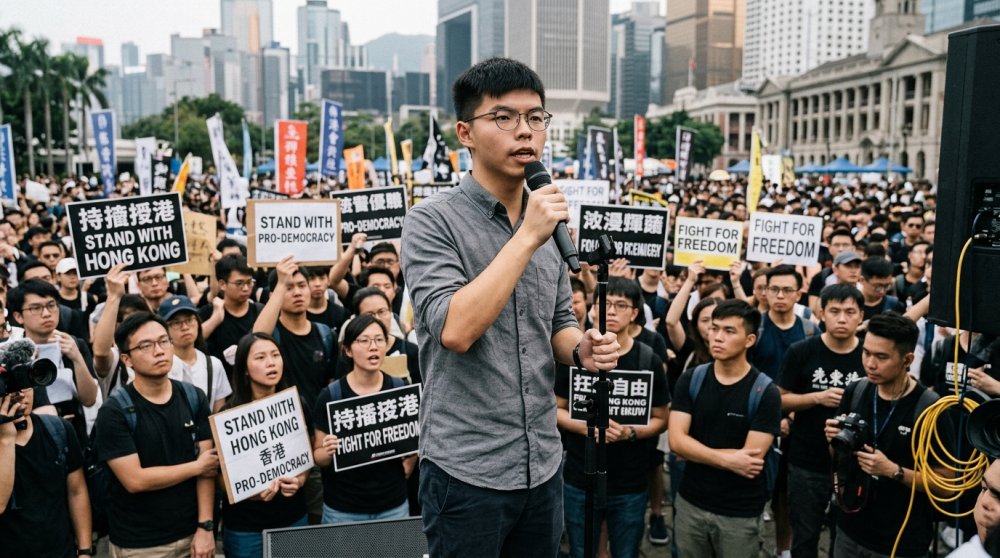
- Christian pro-democracy activist Joshua Wong faces continued imprisonment in Hong Kong under Chinese Communist Party pressure
- Former House Speaker Nancy Pelosi called on lawmakers to advocate for Wong’s release and defend religious freedom abroad
- Wong’s case highlights the escalating persecution of Christians and democracy advocates under authoritarian regimes
A Christian pro-democracy activist remains imprisoned in Hong Kong as American lawmakers renew calls for his release. Joshua Wong, a prominent voice for freedom and human rights, has become a symbol of resistance against the Chinese Communist Party’s tightening control over the former British territory.
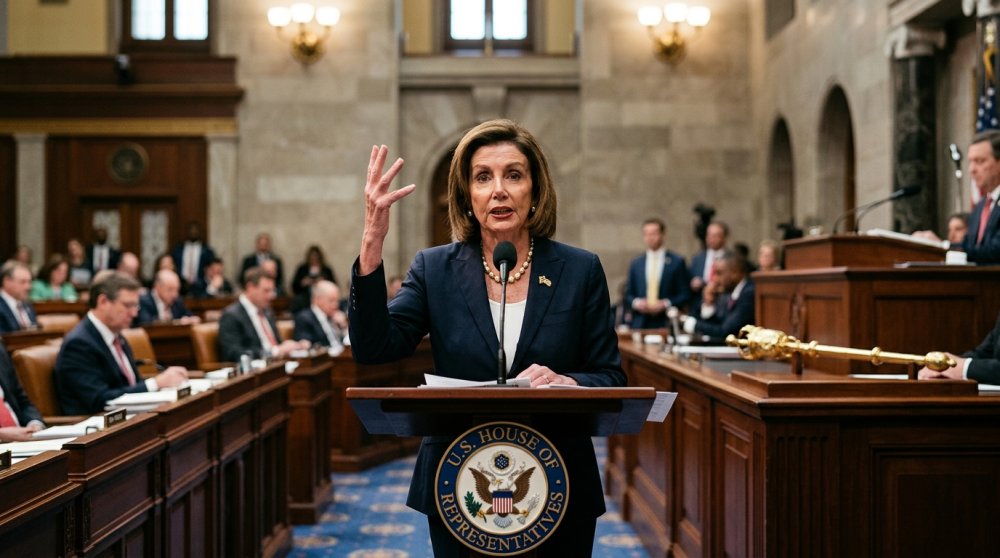
Former House Speaker Nancy Pelosi addressed her colleagues on the House floor, urging them to take a stand for religious liberty and democratic values. She emphasized that American legislators have a moral obligation to speak out when Christians and other people of faith face persecution for their beliefs.
“Lawmakers must speak out for freedom,” Pelosi stated during her remarks.
Wong’s imprisonment represents a broader pattern of religious persecution under communist rule. His Christian faith and commitment to democratic principles have made him a target of the Chinese government’s campaign to silence dissent and eliminate religious expression in Hong Kong.
The activist’s case has drawn international attention to the deteriorating state of religious freedom in regions controlled by the Chinese Communist Party. Christian communities throughout Hong Kong have faced increasing pressure to conform to state-approved religious practices or face consequences.
Conservative lawmakers and faith leaders across America have long warned about the dangers of authoritarian governments that seek to suppress Christianity and traditional values. Wong’s situation serves as a stark reminder of what occurs when governments reject God-given rights and religious liberty.
The call for Wong’s release comes at a critical time when Christians worldwide face unprecedented levels of persecution. From China to the Middle East, believers continue to suffer for their faith while advocating for basic human dignities and freedoms.
American Christians have a responsibility to stand with their brothers and sisters in Christ who face imprisonment and persecution abroad. Prayer, advocacy, and political pressure remain essential tools in defending religious freedom on the global stage.
Let us know what you think, please share your thoughts in the comments below.
Faith Facts
- Former House Speaker Nancy Pelosi called for the immediate release of Christian pro-democracy activist Joshua Wong, who faces life imprisonment in Hong Kong after pleading guilty to national security charges.
- Wong, a devout Christian, has been a prominent voice for democracy and religious freedom in Hong Kong, standing against Chinese Communist Party oppression.
- Pelosi urged her congressional colleagues to speak out for freedom, emphasizing America’s moral duty to defend persecuted believers worldwide.
Former House Speaker Nancy Pelosi is calling on the international community to secure the release of Joshua Wong, a Christian pro-democracy activist who now faces the possibility of life in prison. Wong pleaded guilty to national security charges under Hong Kong’s increasingly authoritarian legal system, a stark reminder of the Chinese Communist Party’s grip on the once-free territory.
Speaking from the House floor, Pelosi addressed her colleagues with a clear message about America’s responsibility to defend the persecuted.
“We must speak out for freedom,” Pelosi declared, urging lawmakers to take action on behalf of Wong and others who suffer under communist oppression.
Joshua Wong has long been a symbol of courage in the face of tyranny. As a Christian, his faith has anchored his commitment to human dignity and democratic values. His activism has inspired millions around the world who believe in the God-given rights to life, liberty, and self-governance.
The charges against Wong are part of a broader crackdown on dissent in Hong Kong, where Beijing has systematically dismantled civil liberties since imposing its national security law in 2020. Christians and other religious minorities have found themselves increasingly targeted as the regime tightens its control.
For American conservatives, Wong’s case is a vivid illustration of what happens when totalitarian governments go unchecked. His willingness to stand firm in his convictions, even at great personal cost, reflects the spirit of religious and political freedom that our nation was founded upon.
Pelosi’s call to action reminds us that defending freedom abroad is inseparable from preserving it at home. As Christians, we are called to stand with our brothers and sisters in faith who face persecution. As Americans, we must hold authoritarian regimes accountable and support those who dare to speak truth to power.
Joshua Wong’s fate now rests in the hands of a judicial system under Beijing’s control. Yet his witness endures, a testament to the resilience of faith and the enduring human hunger for liberty. The question before us is whether the free world will answer his call for solidarity—or remain silent as another light is extinguished.
Let us know what you think, please share your thoughts in the comments below.
Faith Facts
- The European Union has warned Pakistan that continued human rights violations, particularly against religious minorities, could jeopardize its special trade privileges worth billions.
- Pakistan currently benefits from reduced tariffs under the EU’s GSP+ program, contingent on respecting international human rights conventions.
- Religious minorities, including Christians and other faith groups, face ongoing persecution and discrimination under Pakistan’s laws and social systems.
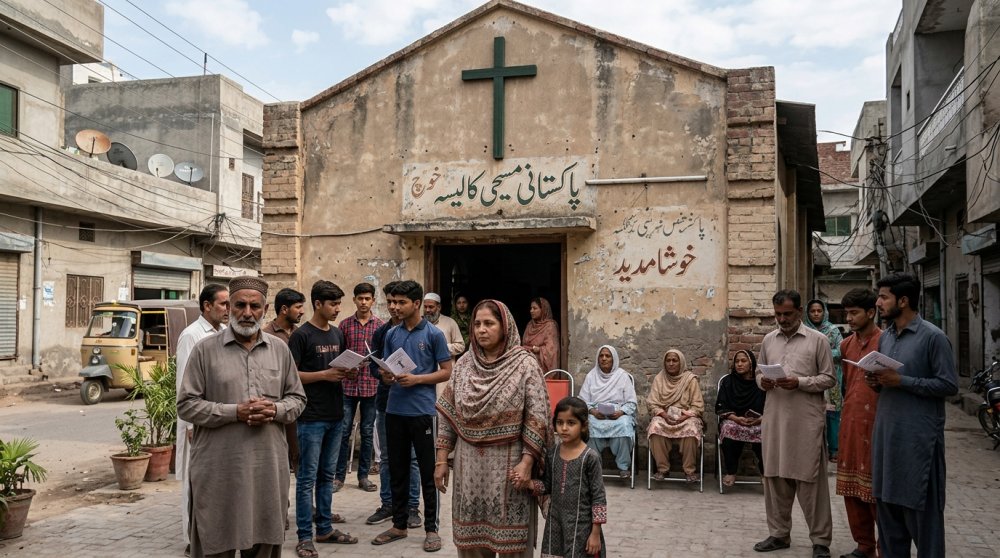
Pakistan’s access to critical European trade benefits hangs in the balance as the European Union delivers a stark warning about the country’s dismal human rights record. The EU ambassador to Pakistan has made clear that continued violations, especially those targeting religious minorities, could cost the Islamic nation its preferential trade status.
The warning comes as Pakistan benefits from the EU’s Generalized Scheme of Preferences Plus (GSP+) program, which provides reduced tariffs on exports to European markets. This arrangement has proven enormously valuable to Pakistan’s economy, but it comes with strings attached—namely, a commitment to uphold international human rights conventions.
For years, Christians and other religious minorities in Pakistan have endured systematic persecution, blasphemy laws weaponized against the innocent, and discriminatory practices embedded in the nation’s legal framework. These abuses have drawn international condemnation from human rights organizations and religious freedom advocates worldwide.
The EU’s message represents more than diplomatic posturing—it’s a concrete warning that economic consequences may follow if Pakistan continues down its current path. European officials are demanding “meaningful progress” in protecting human rights, signaling that symbolic gestures will no longer suffice.
Pakistan’s blasphemy laws remain particularly controversial, often used to settle personal vendettas or target religious minorities with false accusations. Christians have been especially vulnerable under these draconian statutes, facing imprisonment and even death sentences based on flimsy or fabricated evidence.
The country’s track record on religious freedom stands in stark contrast to the values of liberty and human dignity that underpin Western democracies. For American Christians watching this situation unfold, it serves as a sobering reminder of the persecution our brothers and sisters face in nations where religious freedom is not protected.
Trade preferences like the GSP+ program were designed not just to boost developing economies, but to incentivize adherence to universal human rights standards. The EU’s willingness to leverage economic tools in defense of religious minorities demonstrates that market access can be a powerful motivator for reform.
Whether Pakistan will heed this warning remains to be seen. The nation faces a choice: continue its persecution of religious minorities and risk losing valuable trade benefits, or take genuine steps to protect the fundamental rights of all its citizens regardless of faith.
The international community, particularly nations that value religious freedom, must continue holding Pakistan accountable. Economic pressure combined with diplomatic engagement may prove essential in protecting vulnerable Christian communities and other religious minorities who live under constant threat.
Let us know what you think, please share your thoughts in the comments below.


-

 Self-Reliance1 year ago
Trump’s Bold Move Uncovers Massive Social Security Fraud
-

 Faith1 year ago
New Clues Emerge in Noah’s Ark Mystery
-

 News2 years ago
Governor Walz’s Rhetoric Sparks National Controversy
-

 News1 year ago
Mel Gibson’s ‘The Passion of the Christ’ Sequel Title Announced
-

 Family1 year ago
Texas Lawmaker Targets Furries in Schools
-

 Family1 year ago
Canada’s Controversial Policy Sparks Ethical Debate
-
Faith10 months ago
Congress Hears Pleas for Nigerian Christians
-

 Faith1 year ago
Massive California Baptism Bash Shatters Records, Ignites Thousands!