
Faith
Massive California Baptism Bash Shatters Records, Ignites Thousands!

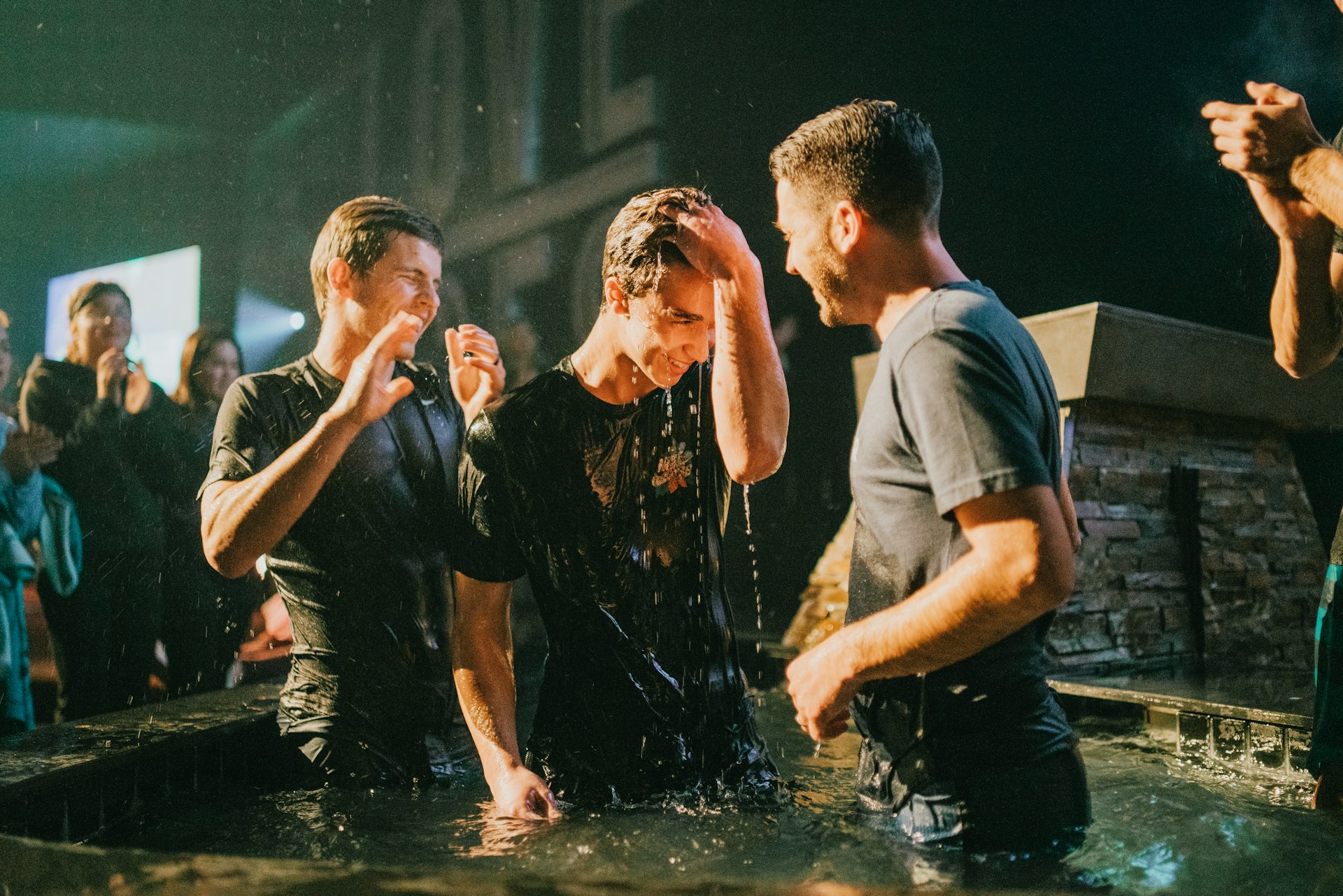
In a remarkable testament to the enduring power of faith and the spirit of revival, over 7,000 individuals publicly declared their commitment to God through baptism at an extraordinary event in Huntington Beach, California. This historic gathering, hailed as the largest single-day baptism event in the nation’s history, is a beacon of hope and a powerful reminder of the transformative power of faith in our lives.
The “Baptize California” event, now in its second year, saw an impressive increase from last year’s 6,000 baptisms to a record-breaking 7,750 this year. This surge in participation underscores a growing hunger for spiritual renewal and a return to the foundational values that have long underpinned American society. Attendees were baptized in the ocean and portable baptistries, all while being uplifted by worship music that filled the air with a sense of divine presence.
The organization behind this event has already set its sights on the future, planning another gathering for June 8. Their mission is clear: to demonstrate that “God is not done with America. It will be saved.” This declaration resonates deeply with those who believe in the enduring promise of our nation and the vital role of faith in securing its future.
The event was marked by moments of profound personal transformation, as captured in video footage showing people eagerly lining up to enter the waters, exclaiming, “We’re getting baptized!” This public profession of faith is a powerful testament to the enduring truth of Christianity and the hope it offers to individuals seeking redemption and renewal.
One participant shared her testimony, saying, “He saved me and he’s real. I’m living proof and I’m blessed to be one of his daughters.” Her words echo the sentiments of countless others who have found solace and strength in their faith, affirming the life-changing impact of a personal relationship with God.
Recording artist and worship leader Sean Feucht, who was present at the event, captured the spirit of the day, stating, “What good can come from California? Well, today the world will witness the largest recorded baptism in history! Revival is taking over Huntington Beach and it begins at noon!” His enthusiasm and commitment to spreading the message of revival are a testament to the power of collective faith.
This gathering was not limited to a single church but was a unifying force for believers across the nation, all coming together to fulfill the Great Commission as outlined in the Bible. One participant expressed his joy, saying, “I’m so happy. This is the greatest feeling, coming up out of the water. The new beginning starts today.” His words encapsulate the essence of baptism—a symbolic act of rebirth and a fresh start in one’s spiritual journey.
As the event stretched into the evening hours, it served as a powerful reminder of the enduring strength of faith, family, and freedom. In a world often marked by division and uncertainty, this historic baptism event stands as a testament to the unifying power of Christian values and the hope they bring to individuals and communities alike.
Let us know what you think, please share your thoughts in the comments below.


Faith Facts
- Gen Z evangelist Bryce Crawford reports experiencing heavier spiritual oppression at Burning Man festival than at The Satanic Temple headquarters
- Crawford actively evangelizes at spiritually dark locations to share the Gospel with those far from God
- The young minister’s testimony highlights the spiritual warfare present in modern secular gatherings
A bold young evangelist is speaking out about his encounters with spiritual darkness at two vastly different locations — and his assessment may surprise many believers.
Bryce Crawford, a Gen Z minister known for taking the Gospel to spiritually challenging environments, recently shared his discernment about the atmosphere at Nevada’s Burning Man festival. According to Crawford, the spiritual oppression he encountered while evangelizing at the annual desert gathering was even more intense than what he experienced at The Satanic Temple’s headquarters.
Evangelist Bryce Crawford spent a week at Burning Man. Not to party — to preach.
He told Shawn Ryan it was the darkest place he’s ever stood. Worse than the Satanic Temple, which he’d also evangelized in Salem.
Seventy thousand people in the Nevada desert for a week straight.… pic.twitter.com/R1CY0UIpGp
— Jake (@JakeTbird) September 5, 2026
The comparison offers a sobering reminder that spiritual darkness doesn’t always appear where we expect it. While The Satanic Temple openly embraces anti-Christian symbolism and ideology, Crawford found the seemingly secular Burning Man festival to carry an even heavier spiritual weight.
Crawford’s ministry approach demonstrates remarkable courage as he intentionally seeks out locations where the Gospel is desperately needed but rarely heard. By venturing into these spiritually hostile environments, he follows the biblical model of going into all the world to make disciples.
The Burning Man festival, held annually in Nevada’s Black Rock Desert, attracts tens of thousands of participants who gather for a week-long event centered on self-expression, art, and communal living. While organizers describe it as a celebration of creativity and community, many Christian leaders have raised concerns about the festival’s spiritual underpinnings and the activities that take place there.
Crawford’s testimony serves as a wake-up call for believers about the spiritual realities underlying popular cultural events. What may appear to mainstream society as harmless artistic expression or communal celebration can mask deeper spiritual issues that only discernment reveals.
The young evangelist’s willingness to confront spiritual darkness head-on reflects a generation of believers who are not content to stay within the comfortable confines of church walls. Instead, they’re taking the light of Christ into the darkest corners of modern culture.
His experience also underscores the importance of spiritual preparation and covering when engaging in frontline ministry. Evangelizing in spiritually oppressive environments requires not only courage but also prayer support and a firm foundation in biblical truth.
For Christians concerned about the state of American culture, Crawford’s ministry offers both a challenge and an encouragement. While spiritual darkness may be pervasive in certain spaces, the Gospel remains powerful enough to penetrate even the most oppressive atmospheres.
The comparison between Burning Man and The Satanic Temple headquarters raises important questions about how spiritual darkness manifests in contemporary society. Overt opposition to Christianity may be less dangerous than the subtle deception that wraps itself in the guise of freedom, art, and self-expression.
Let us know what you think, please share your thoughts in the comments below.
Faith Facts
- A transgender performance artist tore pages from the Holy Bible and wielded a crucifix during a counter-protest outside New York City Hall on September 11, 2025
- The desecration occurred on the 25th anniversary of the terrorist attacks that killed nearly 3,000 Americans
- The activist mockingly read from the book of Micah while destroying Scripture in public view
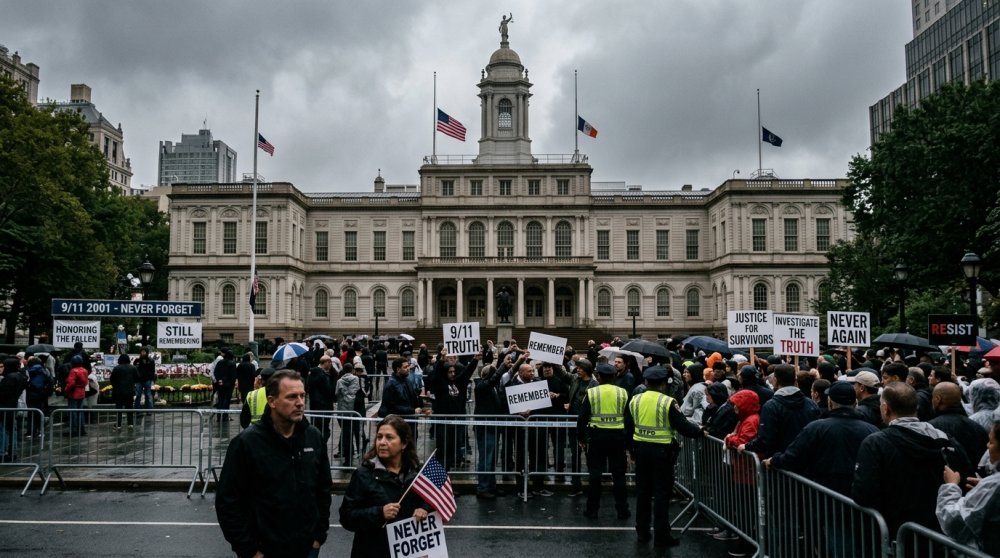
On what should have been a solemn day of remembrance for the nearly 3,000 Americans killed in the September 11 terrorist attacks, a transgender performance artist chose instead to desecrate the Holy Bible outside New York City Hall. The incident occurred during a counter-protest on Friday, September 11, 2025, marking the 25th anniversary of one of the darkest days in American history.
The scantily-clad activist brazenly ripped pages from Scripture while wielding a crucifix, turning what should have been a sacred day of national mourning into a spectacle of religious mockery. The individual read aloud from the book of Micah as pages from God’s Word were torn and discarded.
This disturbing display of anti-Christian sentiment on the anniversary of 9/11 represents a troubling intersection of radical activism and religious hostility. While Americans across the nation paused to honor the memory of firefighters, police officers, and innocent civilians who perished in the terrorist attacks, this performance artist chose desecration over respect.
The timing of this act—on the 25th anniversary of 9/11—adds an additional layer of offense to an already egregious display. Families of victims traveled to Ground Zero and other memorial sites to pay their respects, while this activist used the same day to attack the Christian faith that sustained so many through that national tragedy.
This incident highlights the growing boldness of anti-Christian activism in America’s public spaces. What was once unthinkable—the public destruction of Scripture on a day of national mourning—now occurs with apparent impunity in our nation’s largest city.
For Christians and patriots alike, this desecration serves as a stark reminder of the cultural forces working to undermine both faith and national unity. The Bible that was torn apart outside City Hall is the same Scripture that has guided America since its founding, the same Word that brought comfort to countless families after the 9/11 attacks.
Let us know what you think, please share your thoughts in the comments below.
Faith Facts
- A married pastoral couple and two relatives report being attacked at their Sydney home by four individuals they describe as left-wing activists.
- The assault occurred days after the family’s home address was allegedly posted online in what they characterize as a doxxing incident.
- The victims say they were threatened with death during the confrontation at their residence.
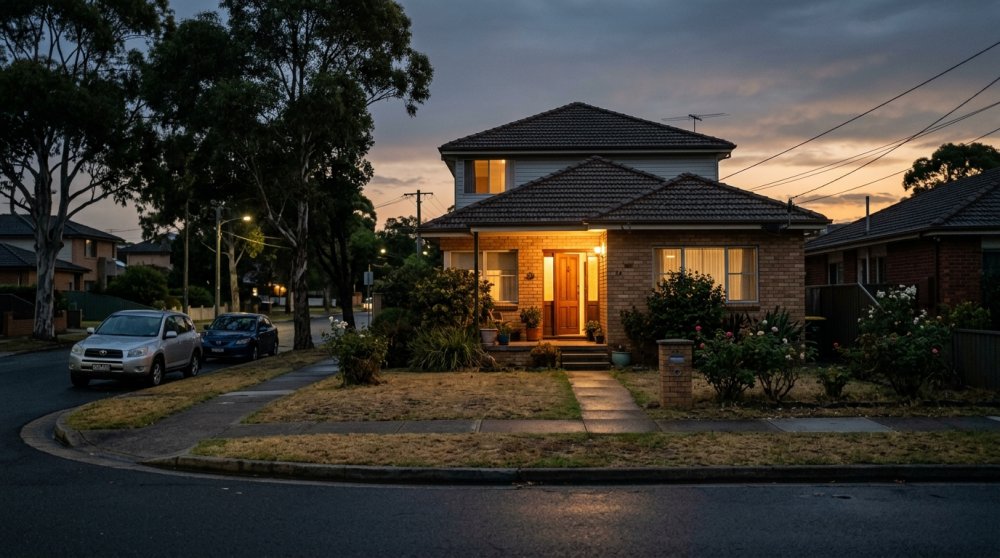
A married couple serving as pastors at the same church in Sydney, Australia, are speaking out after what they describe as a violent attack on their family home. The pastors, along with two close relatives, say four individuals targeted their residence and made death threats against them.
The incident occurred just days after the family’s home address was allegedly posted online, an act commonly known as doxxing. The victims say the timing was no coincidence.
According to the pastors, the attackers they encountered identified as left-wing activists. The confrontation escalated to threats of lethal violence, leaving the faith leaders and their family members shaken but determined to share their story.
The case highlights growing concerns among Christian leaders about online targeting and real-world consequences. Doxxing—the practice of publicly releasing private information like home addresses—has become an increasingly common tactic used to intimidate those whose beliefs are deemed controversial.
For this pastoral family, the digital harassment crossed into physical danger. The alleged attack raises serious questions about the safety of religious leaders who hold traditional views on faith and morality.
Australian authorities have not yet released details about any arrests or ongoing investigations related to the incident. The pastors say they are cooperating fully with law enforcement while also leaning on their faith community for support.
The incident serves as a stark reminder of the challenges facing Christians who openly profess biblical teachings in an increasingly hostile cultural environment. When disagreement turns to doxxing, and doxxing turns to violence, the fundamental right to religious freedom comes under direct threat.
As debates over faith, sexuality, and free speech continue to intensify across Western nations, this case underscores the real-world stakes. Pastors and church leaders are finding themselves not just challenged in the public square, but potentially endangered in their own homes.
Let us know what you think, please share your thoughts in the comments below.


-

 Self-Reliance1 year ago
Trump’s Bold Move Uncovers Massive Social Security Fraud
-

 Faith1 year ago
New Clues Emerge in Noah’s Ark Mystery
-

 News2 years ago
Governor Walz’s Rhetoric Sparks National Controversy
-

 News1 year ago
Mel Gibson’s ‘The Passion of the Christ’ Sequel Title Announced
-

 Family1 year ago
Texas Lawmaker Targets Furries in Schools
-

 Freedom1 year ago
Maine Lawmaker Challenges Sports Fairness Controversy
-

 Family1 year ago
Canada’s Controversial Policy Sparks Ethical Debate
-
Faith10 months ago
Congress Hears Pleas for Nigerian Christians