
Faith
Why Church Growth Among Young Men May Signal a Dangerous Shift

Faith Facts
- Barna data shows surprising uptick in church attendance among Millennial and Gen Z Christians, with men now outnumbering women
- Church growth experts warn trend correlates with rise in Christian Nationalism and authoritarian leadership styles
- Biblical scholars call churches to return to Christ’s model of servant leadership and self-giving love
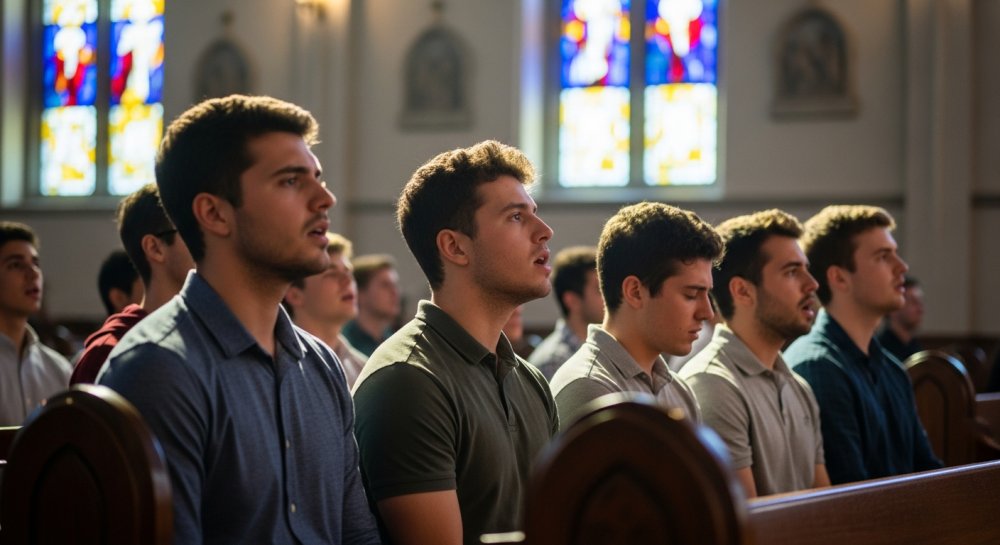
A new wave of young believers is entering American churches, but some Christian leaders are sounding the alarm about what’s drawing them in. Recent findings from Barna Group, released in September 2025, revealed an unexpected surge in church attendance among Millennials and Generation Z Christians across the United States. For the first time in years, men are attending in greater numbers than women—a statistical reversal that has caught the attention of church researchers nationwide.
While church growth typically brings celebration, some ministry leaders are expressing concern about what may be fueling this particular revival. The attendance spike appears to correlate with a rising interest in Christian Nationalism and what observers describe as domineering or authoritarian leadership styles within congregations.
This cultural moment presents both opportunity and peril for American churches. The influx of young men seeking spiritual grounding and moral direction represents a powerful evangelistic opportunity. Yet the danger lies in channeling that hunger toward worldly models of power rather than the counter-cultural example Christ demonstrated throughout His earthly ministry.
The New Testament presents a radically different vision of leadership than what dominates secular culture. Jesus repeatedly taught His disciples that greatness in God’s kingdom looks nothing like greatness in the kingdoms of this world. He washed feet, touched lepers, welcomed children, elevated women, and ultimately gave His life as a ransom for many.
Churches must resist the temptation to build attendance by appealing to fallen human desires for dominance and control. The gospel calls believers to an upside-down kingdom where the first shall be last, where strength is made perfect in weakness, and where true leadership means laying down one’s life for others.
New believers—especially young men navigating a culture that often provides no meaningful model of godly manhood—need discipleship that points them toward Christ’s example of sacrificial love. They need mentors who demonstrate that biblical masculinity means protecting the vulnerable, serving sacrificially, leading with humility, and using strength for the flourishing of everyone around them.
The church’s mission has never been to seize political power or cultural dominance through force or intimidation. Throughout history, the gospel has advanced not through coercion but through the compelling witness of believers who loved their neighbors, blessed their enemies, and demonstrated the transforming power of grace.
American churches must teach newcomers to imitate Jesus in His self-giving love. This means fostering communities where leadership serves rather than dominates, where power protects rather than exploits, and where the strong lay down their privileges for the sake of the weak.
As this new generation enters our sanctuaries, we have a sacred responsibility to disciple them according to Scripture rather than cultural trends. We must help young believers understand that following Christ means rejecting worldly patterns of domination and embracing the radical love that characterizes God’s kingdom.
The vitality and future of the American church depends not merely on how many people fill our pews, but on whether we are forming disciples who genuinely reflect the character of Christ to a watching world.
Let us know what you think, please share your thoughts in the comments below.

Faith Facts
- Vice President JD Vance led rally attendees in reciting the Lord’s Prayer when a woman collapsed nearby.
- The moment highlighted the continued presence of Christian faith in American public life and political gatherings.
- Vance personally left the stage to check on the woman after leading the prayer.
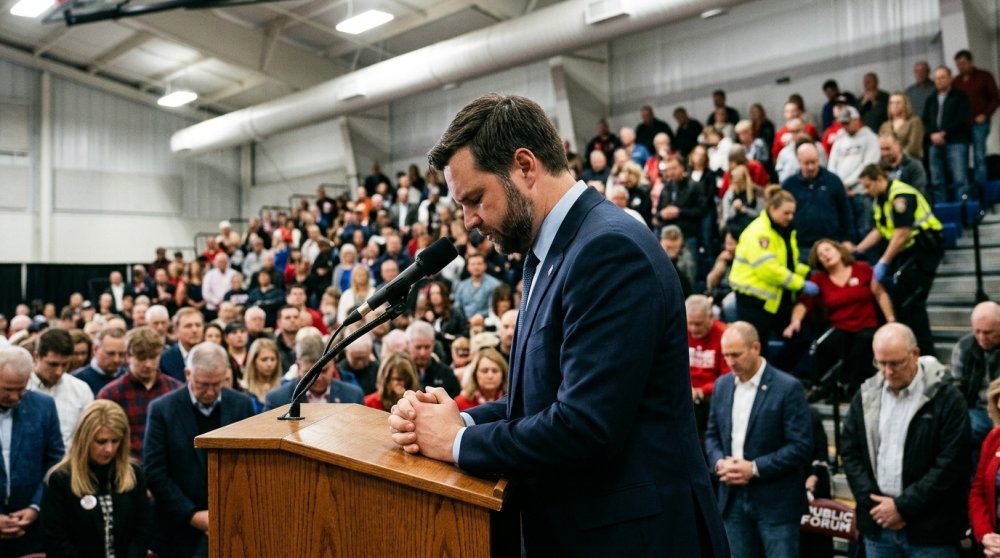
Vice President JD Vance paused a Nebraska campaign rally to lead the crowd in the Lord’s Prayer after a woman collapsed in the audience.
The incident took place during a live event where Vance addressed supporters and addressed policy issues.
“Pray as the Lord taught us to pray,” Vance said before leading the audience in the traditional prayer.
After finishing the prayer, Vance stepped down from the stage and made his way into the stands to personally check on the woman who had collapsed.
The spontaneous act of faith and compassion drew praise from attendees who witnessed the moment.
Let us know what you think, please share your thoughts in the comments below.
Faith Facts
- Oxford mathematician and Christian apologist Professor John Lennox encourages believers to share their faith with confidence.
- Lennox stresses that evangelism is not reserved only for preachers, theologians, or those with extensive biblical knowledge.
- Every Christian is called to be a witness for Christ in daily life.
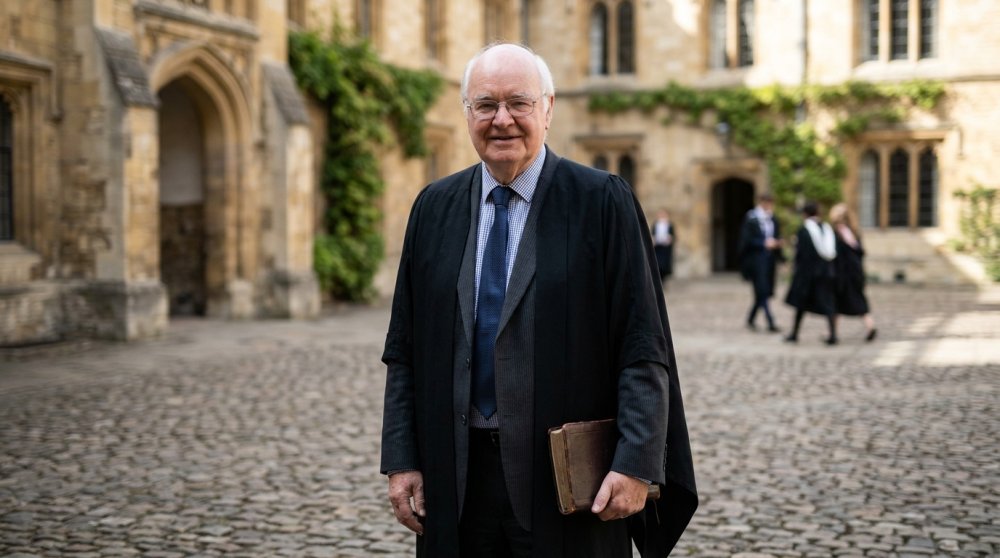
Oxford mathematician and Christian apologist Professor John Lennox is urging believers everywhere to share their faith with greater boldness and confidence. He reminds Christians that the call to witness is not limited to pastors or scholars but belongs to every follower of Christ.
“We’re all called to be witnesses,” Lennox declares. This simple truth challenges the idea that only trained experts can effectively share the gospel.
Professor Lennox emphasizes that evangelism is not about having every theological answer or delivering polished sermons. Instead, it is about living out and speaking the truth of Christ wherever God places His people.
His words come as a timely encouragement to Christians who may feel hesitant or unqualified to speak about their faith. Lennox points to the biblical calling that every believer is a witness, empowered by the Holy Spirit to share the hope within them.
Let us know what you think, please share your thoughts in the comments below.
Faith Facts
- At least seven Christians were killed in a targeted attack on a Greek Orthodox funeral service in Jordan.
- The assault occurred at a church known for peaceful worship and interfaith coexistence in the region.
- The attack highlights the ongoing threat of Islamic extremism to Christian communities worldwide.
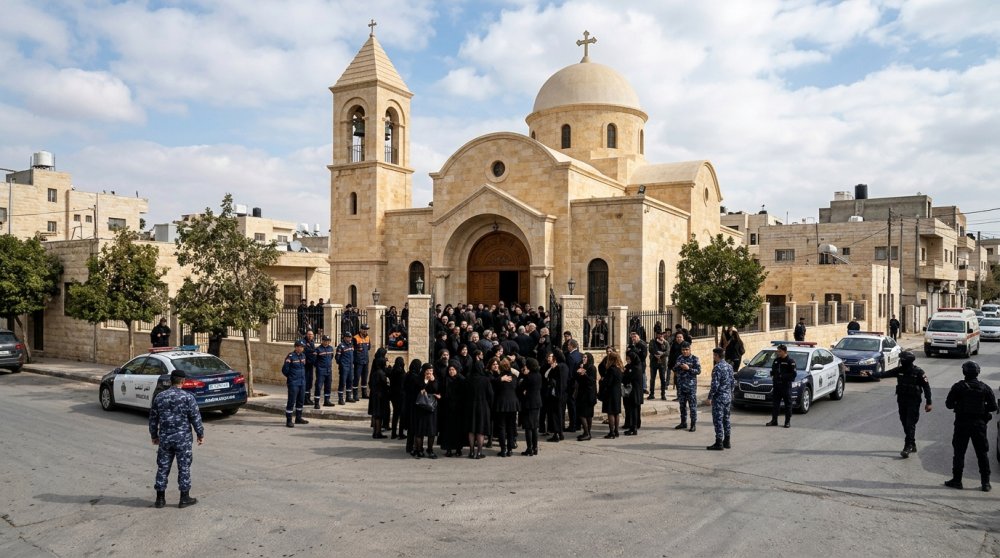
In a rare attack in a country known for peaceful inter-faith coexistence, suspected Islamic extremists attacked a funeral at a Greek Orthodox church in Jordan on Friday (Oct. 23), shooting at least seven people to death and wounding 28 others, according to reports.
The violence interrupted a sacred time of mourning and remembrance, striking at the heart of a Christian community gathered in faith.
Let us know what you think, please share your thoughts in the comments below.


-

 Self-Reliance2 years ago
Trump’s Bold Move Uncovers Massive Social Security Fraud
-

 Faith2 years ago
New Clues Emerge in Noah’s Ark Mystery
-

 News2 years ago
Governor Walz’s Rhetoric Sparks National Controversy
-

 News2 years ago
Mel Gibson’s ‘The Passion of the Christ’ Sequel Title Announced
-

 Family2 years ago
Texas Lawmaker Targets Furries in Schools
-

 Freedom2 years ago
Maine Lawmaker Challenges Sports Fairness Controversy
-

 Family1 year ago
Canada’s Controversial Policy Sparks Ethical Debate
-
Faith11 months ago
Congress Hears Pleas for Nigerian Christians