
Faith
The Myth America’s Founders Never Intended

Faith Facts
- The concept of “separation of church and state” does not appear in the U.S. Constitution and has been widely misunderstood in modern American discourse.
- America’s founding documents and institutions were deeply influenced by Judeo-Christian principles, with the Founders seeking to prevent government establishment of religion while protecting religious expression.
- True neutrality in the public square is impossible, as every legal and moral framework is built upon foundational beliefs about justice, truth, and human dignity.
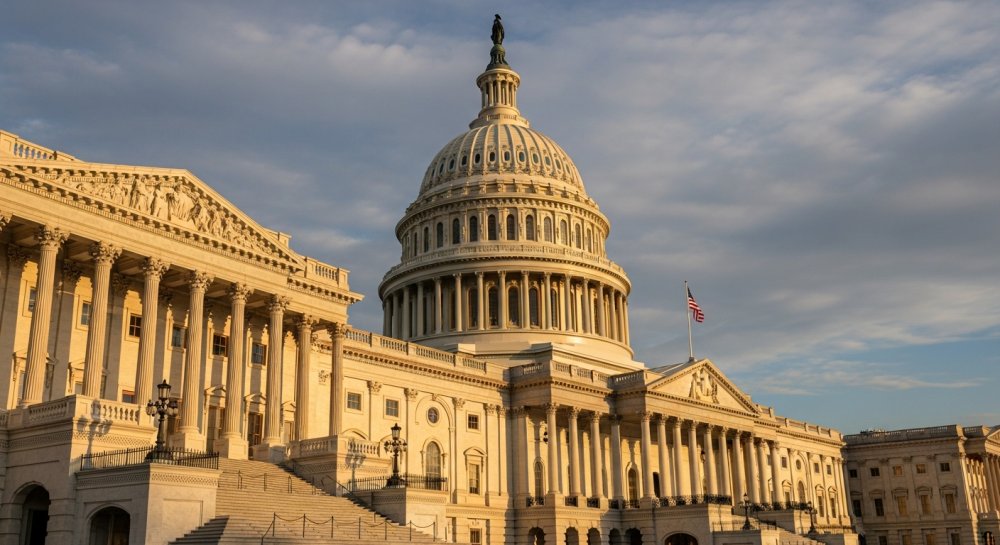
In recent decades, a popular misconception has taken hold across America: that the separation of church and state means the complete removal of God from public life. This interpretation, however, runs counter to both the original intent of our nation’s Founders and the historical reality of American governance.
The phrase “separation of church and state” appears nowhere in the Constitution. Instead, it originates from a letter Thomas Jefferson wrote to the Danbury Baptist Association, where he sought to assure them that the government would not interfere with their religious practice.
The First Amendment guarantees that “Congress shall make no law respecting an establishment of religion, or prohibiting the free exercise thereof.” This was designed to protect religious freedom, not to banish faith from the public square. Our Founders understood that a thriving republic required citizens of virtue, and that such virtue was cultivated primarily through religious faith and practice.
The notion that neutrality is achievable in matters of law and governance is fundamentally flawed. Every law, every policy, every judicial decision rests upon underlying assumptions about what is right, what is just, and what serves the common good. These assumptions inevitably flow from a worldview—whether explicitly religious or secular in nature.
When courts rule on matters of life and death, marriage and family, freedom and responsibility, they are making determinations rooted in deeply held beliefs about human nature and purpose. The question is not whether a worldview will shape our laws, but which worldview will prevail.
For most of American history, Judeo-Christian principles provided the moral foundation for our legal system. Concepts such as the inherent dignity of each person, the importance of truth-telling, and the duty to care for the vulnerable all flow from biblical teaching. These weren’t imposed by governmental decree but emerged naturally from a culture steeped in faith.
Today, as some seek to expunge every reference to God from public institutions—removing prayer from schools, Ten Commandments displays from courthouses, and religious symbols from public property—they don’t create neutrality. Instead, they establish a secular orthodoxy that is itself a form of belief system, one that often stands in opposition to traditional religious values.
The consequences of this shift have been profound. As America has moved away from its spiritual moorings, we’ve witnessed increases in social fragmentation, moral confusion, and cultural conflict. Without a shared foundation of transcendent truth, society fractures into competing tribes, each asserting its own version of justice with no common ground for resolution.
Religious Americans aren’t asking for a theocracy or state-sponsored religion. What they seek is the freedom to live according to their convictions, to participate fully in civic life without being forced to check their faith at the door, and to raise their children in communities that respect rather than ridicule their beliefs.
The public square will never be truly neutral—it will always reflect someone’s vision of the good, the true, and the just. The question facing our nation is whether we will continue to honor the religious foundations that have sustained American liberty for over two centuries, or whether we will embrace a secular ideology that, in the name of neutrality, marginalizes the very faith that made our freedom possible.
Our Founders understood what many modern Americans have forgotten: that freedom requires virtue, virtue requires faith, and faith requires freedom. These elements form a cycle that, when broken, threatens the entire foundation of self-government.
As we navigate the challenges of our time, Americans of faith must continue to speak truth with clarity and courage. The separation of church and state was never meant to silence the voice of religious conviction in public discourse. Rather, it was designed to ensure that such voices would always be free to contribute to the ongoing conversation about who we are as a people and what kind of nation we will become.
Let us know what you think, please share your thoughts in the comments below.

Faith Facts
- Bank of America closed a Christian ministry’s account in 2020 citing internal policies against certain business types.
- Multiple ministries and faith-based organizations have reported similar account closures from major financial institutions.
- Faith-based groups are increasingly facing challenges accessing traditional banking services across the United States.
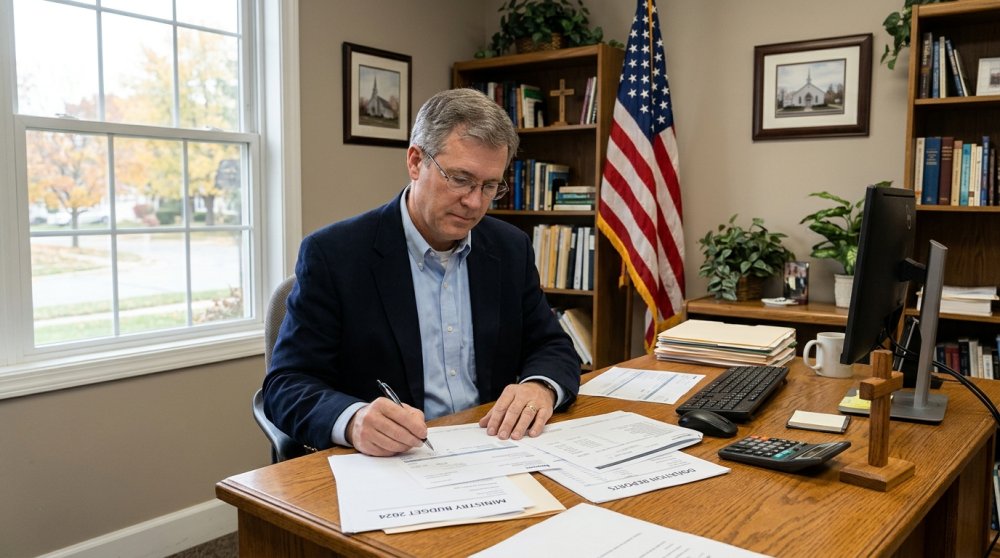
In 2020, Bank of America informed a Christian ministry that its account was being closed because the institution had chosen not to service certain types of businesses. The ministry initially believed this decision was isolated to their organization alone.
Further investigation revealed that other faith-based groups had encountered the same treatment from the same financial institution. The pattern suggests a broader policy affecting religious organizations seeking banking services.
“I thought we were the only ones. We weren’t.”
This experience highlights growing concerns among Christian ministries about access to essential financial services. Many traditional banks appear to be reevaluating their relationships with faith-based organizations.
The closure of accounts for religious ministries raises questions about religious liberty and equal access to financial services. Christian organizations across the country are exploring alternative banking options that align with their values and mission.
Let us know what you think, please share your thoughts in the comments below.
Faith Facts
- A group of pastors gathered to pray over Texas Attorney General Ken Paxton at a campaign rally, calling on God for supernatural favor in the final weeks before the Senate election.
- The clergy specifically invoked Romans 13, urging divine support for Paxton as he seeks to represent Texas in the United States Senate.
- The public prayer event reflects a growing trend of faith leaders openly supporting conservative candidates who align with traditional Christian values.
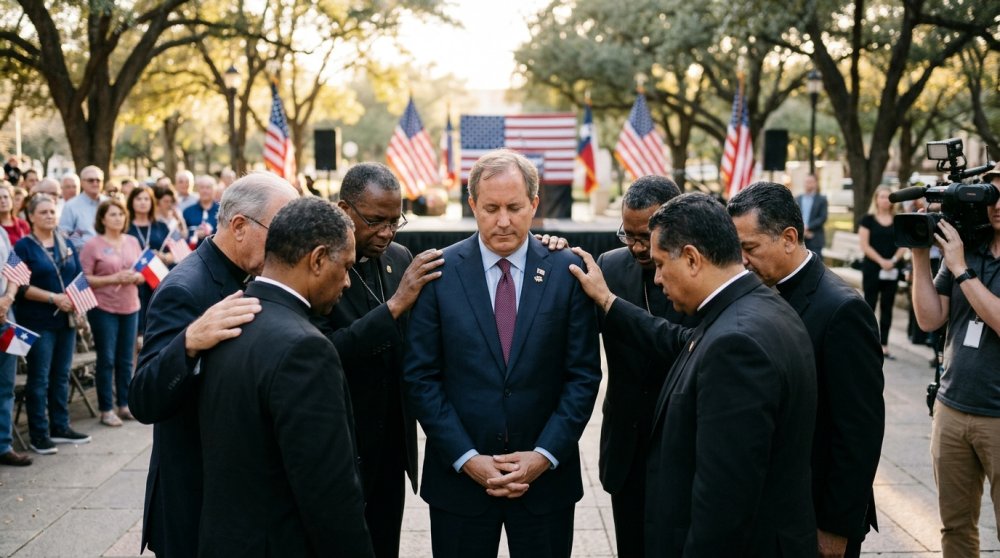
A group of Texas pastors publicly prayed over Republican Attorney General Ken Paxton at a campaign rally this week, asking God to grant him favor with voters in the final stretch of his Senate bid.
The clergy cited Romans 13 during the prayer, reminding supporters that governing authorities are called to serve as ministers of God for justice and order.
Pastors for Paxton gathered to pray over @KenPaxtonTX at his rally today in Conroe. Pastors @Steve_Riggle and @BuntrockJames led us in asking God to grant him wisdom, strength, and protection as he serves Texas. ???? https://t.co/8GQVrU5zxO
— Pastors For Paxton (@pastors4paxton) October 20, 2026
“Give him favor with voters.”
Paxton, who has long positioned himself as a defender of biblical values on issues like life, marriage, and religious liberty, welcomed the spiritual covering from the pastors in attendance.
The event underscores the deep connection many conservative voters in Texas feel between their faith and their political choices.
Let us know what you think, please share your thoughts in the comments below.
Faith Facts
- Frank Turek wakes each morning and ends each evening thinking of Charlie Kirk.
- One year after witnessing the assassination of the conservative activist, Turek continues his commitment to share the Gospel on college campuses.
- The loss of Charlie Kirk has strengthened Turek’s resolve to defend biblical truth among young people.
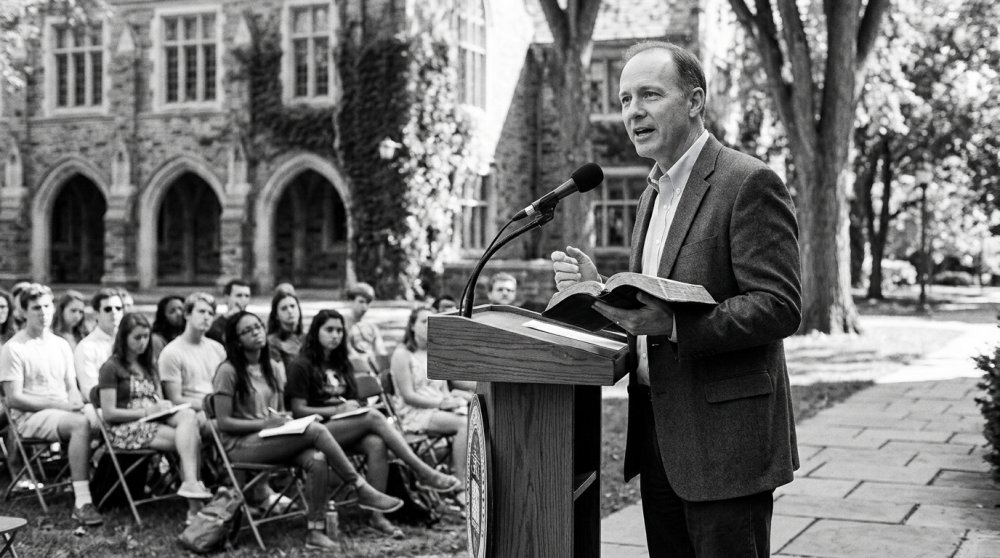
Christian apologist Frank Turek has carried the memory of Charlie Kirk with him every single day since witnessing the conservative activist’s assassination at Utah Valley University. The grief remains real, yet so does his steadfast determination to keep proclaiming the Gospel.
Each morning when he wakes and each night before he sleeps, Turek’s first and last thoughts return to Kirk. The loss of a friend and fellow defender of truth has left a deep mark, but it has not silenced his mission.
“The first person I think of when I wake up is Charlie.”
Turek’s ongoing work on college campuses reflects a commitment to the same values Kirk championed. He continues reaching students with biblical truth, refusing to let tragedy silence the message of Christ.
Let us know what you think, please share your thoughts in the comments below.


-

 Self-Reliance2 years ago
Trump’s Bold Move Uncovers Massive Social Security Fraud
-

 Faith2 years ago
New Clues Emerge in Noah’s Ark Mystery
-

 News2 years ago
Governor Walz’s Rhetoric Sparks National Controversy
-

 News2 years ago
Mel Gibson’s ‘The Passion of the Christ’ Sequel Title Announced
-

 Family2 years ago
Texas Lawmaker Targets Furries in Schools
-

 Freedom2 years ago
Maine Lawmaker Challenges Sports Fairness Controversy
-

 Family1 year ago
Canada’s Controversial Policy Sparks Ethical Debate
-
Faith11 months ago
Congress Hears Pleas for Nigerian Christians