
Faith
When the World Watched, These Players Pointed to Heaven


Faith Facts
- England defender Marc Guehi dropped to his knees in prayer after a dramatic World Cup victory, one of many public displays of faith at the 2026 tournament
- Christian athletes are increasingly using the global stage to publicly acknowledge God and share their faith with billions of viewers
- These moments of worship demonstrate how believers can honor Christ in their professional lives, even under intense pressure and scrutiny
The 2026 FIFA World Cup has become more than a showcase of athletic excellence. It has emerged as a powerful platform for Christian witness, as players from nations around the globe publicly declare their faith before billions of viewers.
When England secured a dramatic 3-2 victory over Mexico to advance to the quarter finals, defender Marc Guehi immediately dropped to his knees and pointed skyward in prayer and praise. His spontaneous act of worship captured what has become a defining characteristic of this tournament: athletes unashamedly honoring God on the world’s biggest stage.
Guehi’s gesture is far from isolated. From opening matches to knockout rounds, players have consistently paused amid the roar of crowds and the pressure of competition to give glory to Jesus Christ. These moments serve as powerful reminders that faith transcends nationality, language, and even the fiercest sporting rivalries.
For Christian viewers, these public displays carry profound significance. They demonstrate that believers need not compartmentalize their faith, even in secular environments that often discourage religious expression. Instead, these athletes model how to integrate devotion to God into every aspect of life, including professional achievement.
The visibility of Christian witness at the World Cup also reflects a broader cultural conversation about faith in public life. While some institutions push religion to the margins, these players are claiming their right to acknowledge the source of their strength and talent. Their courage resonates with American Christians who increasingly feel pressure to keep their beliefs private.
Each moment of prayer, each gesture heavenward, communicates a simple but transformative truth: success ultimately belongs to God. Whether in victory or defeat, these athletes recognize that their abilities are gifts to be stewarded for His glory. This perspective offers a stark contrast to the self-glorification that often dominates professional sports.
The impact of these faith-filled moments extends beyond the stadiums. Young believers watching around the world receive powerful examples of how to stand firm in their convictions. Parents gain opportunities to discuss faith and courage with their children. Churches find fresh illustrations of authentic Christian witness in contemporary culture.
As the tournament progresses, the frequency of these God-honoring moments suggests something deeper than individual piety. A generation of Christian athletes appears increasingly comfortable expressing faith publicly, even when doing so invites scrutiny or criticism. This boldness reflects the biblical call to be salt and light in the world.
The World Cup’s global audience ensures these testimonies reach places where Christian witness faces severe restrictions. A player’s simple gesture of prayer might be the only gospel presentation some viewers encounter. In this way, athletic competition becomes a vehicle for spreading hope and truth across cultural and political boundaries.
For American Christians, these international displays of faith should inspire renewed commitment to public witness. If athletes can honor God under the intense pressure of World Cup competition, believers can surely find courage to express their faith in workplaces, schools, and communities across our nation.
The tournament continues, and with it, more opportunities for players to point beyond themselves to the God who created them. Each prayer, each pointed finger toward heaven, testifies to a reality that transcends soccer: Jesus Christ remains Lord of all, including the world’s most-watched sporting event.
Let us know what you think, please share your thoughts in the comments below.

Faith Facts
- Bank of America closed a Christian ministry’s account in 2020 citing internal policies against certain business types.
- Multiple ministries and faith-based organizations have reported similar account closures from major financial institutions.
- Faith-based groups are increasingly facing challenges accessing traditional banking services across the United States.
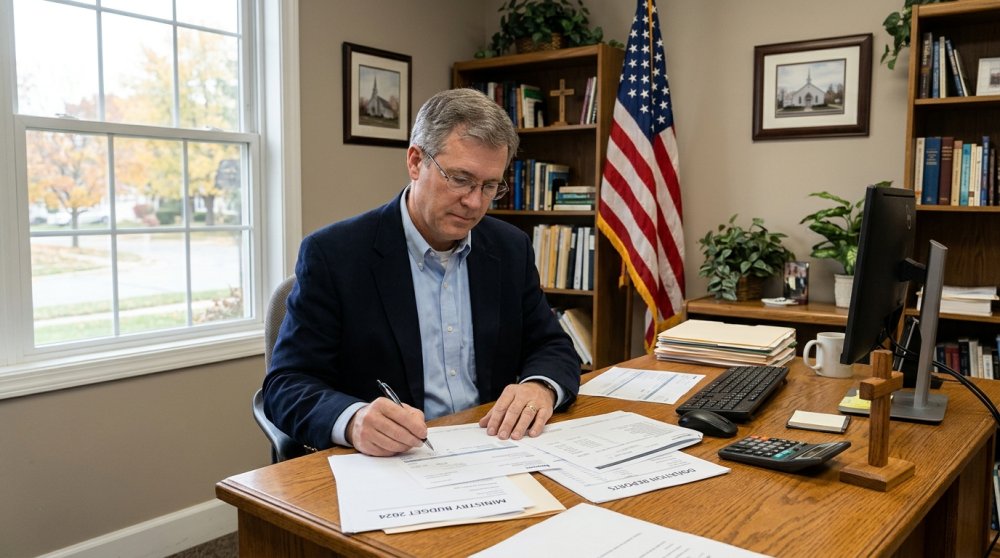
In 2020, Bank of America informed a Christian ministry that its account was being closed because the institution had chosen not to service certain types of businesses. The ministry initially believed this decision was isolated to their organization alone.
Further investigation revealed that other faith-based groups had encountered the same treatment from the same financial institution. The pattern suggests a broader policy affecting religious organizations seeking banking services.
“I thought we were the only ones. We weren’t.”
This experience highlights growing concerns among Christian ministries about access to essential financial services. Many traditional banks appear to be reevaluating their relationships with faith-based organizations.
The closure of accounts for religious ministries raises questions about religious liberty and equal access to financial services. Christian organizations across the country are exploring alternative banking options that align with their values and mission.
Let us know what you think, please share your thoughts in the comments below.
Faith Facts
- A group of pastors gathered to pray over Texas Attorney General Ken Paxton at a campaign rally, calling on God for supernatural favor in the final weeks before the Senate election.
- The clergy specifically invoked Romans 13, urging divine support for Paxton as he seeks to represent Texas in the United States Senate.
- The public prayer event reflects a growing trend of faith leaders openly supporting conservative candidates who align with traditional Christian values.
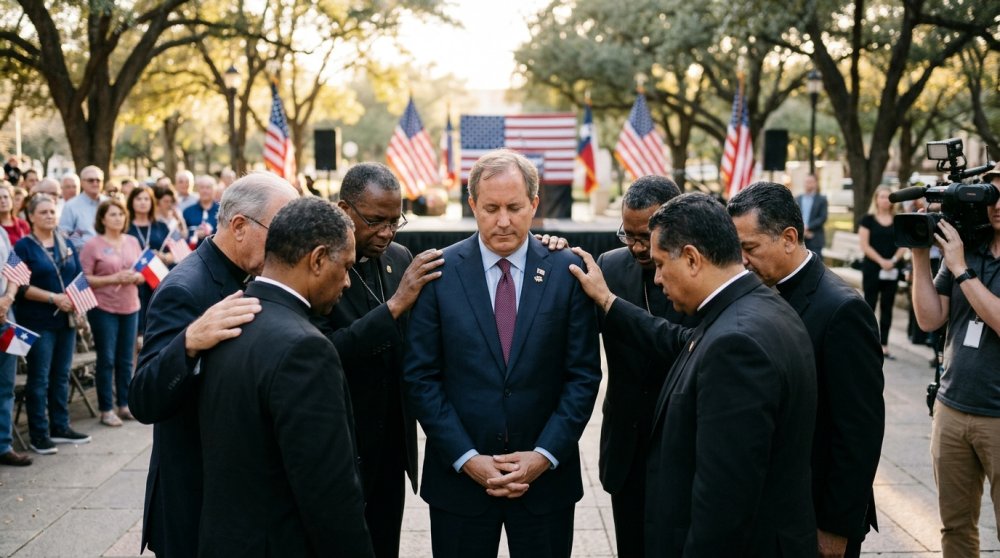
A group of Texas pastors publicly prayed over Republican Attorney General Ken Paxton at a campaign rally this week, asking God to grant him favor with voters in the final stretch of his Senate bid.
The clergy cited Romans 13 during the prayer, reminding supporters that governing authorities are called to serve as ministers of God for justice and order.
Pastors for Paxton gathered to pray over @KenPaxtonTX at his rally today in Conroe. Pastors @Steve_Riggle and @BuntrockJames led us in asking God to grant him wisdom, strength, and protection as he serves Texas. ???? https://t.co/8GQVrU5zxO
— Pastors For Paxton (@pastors4paxton) October 20, 2026
“Give him favor with voters.”
Paxton, who has long positioned himself as a defender of biblical values on issues like life, marriage, and religious liberty, welcomed the spiritual covering from the pastors in attendance.
The event underscores the deep connection many conservative voters in Texas feel between their faith and their political choices.
Let us know what you think, please share your thoughts in the comments below.
Faith Facts
- Frank Turek wakes each morning and ends each evening thinking of Charlie Kirk.
- One year after witnessing the assassination of the conservative activist, Turek continues his commitment to share the Gospel on college campuses.
- The loss of Charlie Kirk has strengthened Turek’s resolve to defend biblical truth among young people.
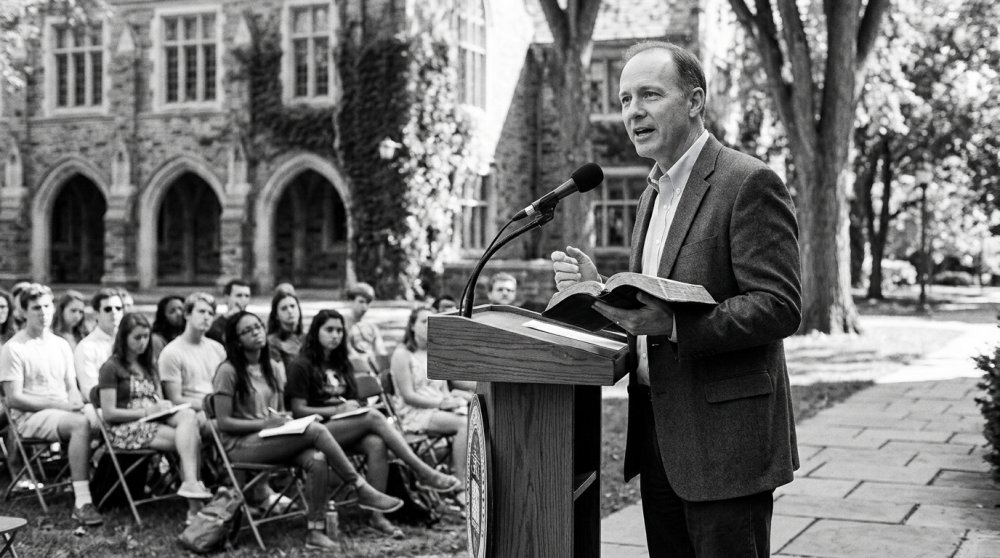
Christian apologist Frank Turek has carried the memory of Charlie Kirk with him every single day since witnessing the conservative activist’s assassination at Utah Valley University. The grief remains real, yet so does his steadfast determination to keep proclaiming the Gospel.
Each morning when he wakes and each night before he sleeps, Turek’s first and last thoughts return to Kirk. The loss of a friend and fellow defender of truth has left a deep mark, but it has not silenced his mission.
“The first person I think of when I wake up is Charlie.”
Turek’s ongoing work on college campuses reflects a commitment to the same values Kirk championed. He continues reaching students with biblical truth, refusing to let tragedy silence the message of Christ.
Let us know what you think, please share your thoughts in the comments below.


-

 Self-Reliance2 years ago
Trump’s Bold Move Uncovers Massive Social Security Fraud
-

 Faith2 years ago
New Clues Emerge in Noah’s Ark Mystery
-

 News2 years ago
Governor Walz’s Rhetoric Sparks National Controversy
-

 News2 years ago
Mel Gibson’s ‘The Passion of the Christ’ Sequel Title Announced
-

 Family2 years ago
Texas Lawmaker Targets Furries in Schools
-

 Freedom2 years ago
Maine Lawmaker Challenges Sports Fairness Controversy
-

 Family1 year ago
Canada’s Controversial Policy Sparks Ethical Debate
-
Faith11 months ago
Congress Hears Pleas for Nigerian Christians