
Family
When Therapists Tell You to Cut Off Your Family

Faith Facts
- A growing number of therapists are encouraging clients to completely sever ties with family members, raising concerns about whether this approach aligns with biblical principles of forgiveness and reconciliation.
- Tim and Zach Clinton argue that labeling family members as ‘toxic’ has become a cultural trend masquerading as legitimate clinical care, potentially doing more harm than good.
- Christian counselors warn that abandoning family relationships without pursuing biblical restoration contradicts Scripture’s emphasis on family bonds and the transformative power of forgiveness.
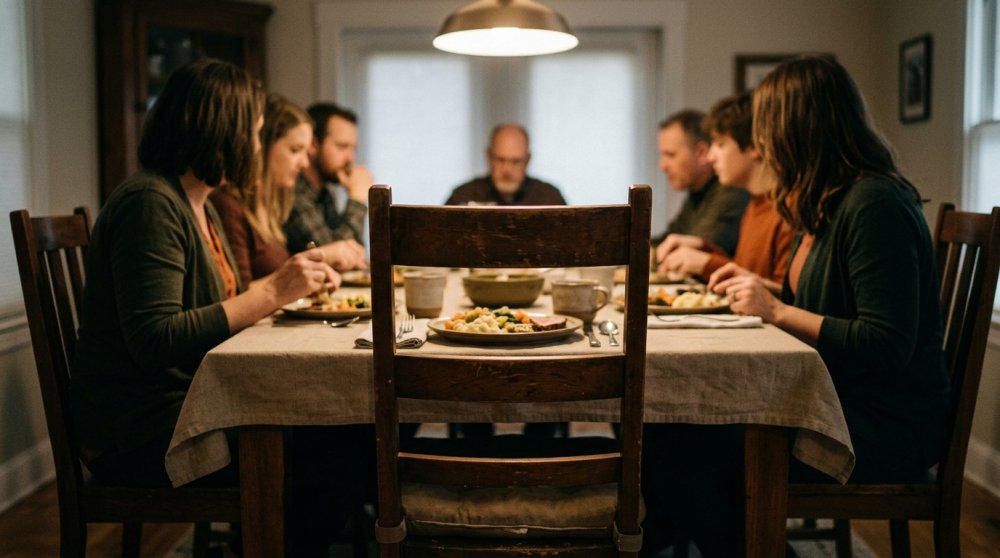
The secular therapy world is increasingly promoting a troubling solution to family conflict: just walk away. Under the banner of mental health and self-care, countless Americans are being told that cutting off parents, siblings, and other relatives is not only acceptable — it’s therapeutic.
But is it really healing, or have we simply repackaged cultural alienation as clinical wisdom?
Tim and Zach Clinton are sounding the alarm on this dangerous trend. They argue that the therapeutic community has embraced a shortcut that violates fundamental biblical principles about family, forgiveness, and restoration.
The problem begins with the label itself. Calling someone “toxic” isn’t a clinical diagnosis — it’s a cultural buzzword that has infiltrated therapy sessions across America. It’s vague, subjective, and often applied to family members who simply hold different values or make us uncomfortable.
For Christian families, this trend is particularly insidious. Scripture places enormous value on family relationships and calls believers to pursue reconciliation, bear with one another, and extend forgiveness — even when it’s difficult. The Bible never promises that family relationships will be easy, but it does provide a framework for navigating conflict that doesn’t involve permanent estrangement.
The Clintons emphasize that while there are legitimate cases where boundaries are necessary — particularly in situations involving abuse or serious harm — the current therapeutic climate has normalized family abandonment as a first response rather than a last resort. Instead of equipping people with tools for healthy communication, conflict resolution, and biblical reconciliation, too many therapists are handing out permission slips to cut and run.
This approach doesn’t just damage families; it damages the individuals who follow this advice. Research consistently shows that strong family connections contribute to mental health, longevity, and overall well-being. Severing these ties may provide temporary relief from conflict, but it often leads to long-term regret, unresolved pain, and a loss of identity rooted in family heritage.
Moreover, the “cut them off” mentality reflects a broader cultural shift away from commitment, sacrifice, and the hard work of loving imperfect people. It’s the relational equivalent of cancel culture — if someone offends you or makes your life difficult, you simply erase them. This stands in stark contrast to the Christian call to love our enemies, pray for those who persecute us, and extend the same grace we’ve received from God.
The Clintons advocate for a different path: one that acknowledges the reality of difficult family dynamics while refusing to abandon the biblical mandate for reconciliation. This means setting healthy boundaries where necessary, seeking godly counsel, and doing the hard work of forgiveness — not because family members deserve it, but because Christ commands it and because it frees us from the prison of bitterness.
It also means discerning the difference between toxic behavior and simple disagreement. In today’s polarized climate, families are often divided over politics, theology, lifestyle choices, and values. But having a family member who votes differently, attends a different church, or makes choices you wouldn’t make doesn’t constitute toxicity — it’s just reality in a fallen world.
True healing doesn’t come from isolation; it comes from transformation. And transformation requires engagement, not escape. It requires us to confront our own sin, extend forgiveness, and trust God to work in relationships that seem beyond repair.
Christian families facing conflict need therapists who understand this biblical framework — counselors who will help them navigate difficult relationships without immediately advising estrangement. They need wisdom rooted in Scripture, not secular trends that prioritize comfort over character development.
The family is God’s design, and while it’s been deeply affected by sin, it remains a foundational institution for human flourishing. When we too quickly discard family relationships in the name of mental health, we’re not just rejecting difficult people — we’re rejecting God’s plan for refining us through those relationships.
The answer to family conflict isn’t always separation. Sometimes, it’s repentance, forgiveness, and the patient work of rebuilding trust. That’s not an easy message to hear in a culture that prizes self-protection above all else, but it’s the message the Church must continue to proclaim.
Let us know what you think, please share your thoughts in the comments below.

Faith Facts
- Clyde and Gwen Antwine celebrated 70 years of marriage rooted in Christian service and missionary work across Europe and the United States.
- The couple met at a youth camp in Texas and built their relationship on shared faith, mission trips, and a commitment to mentoring young Christians.
- They helped establish a healthy church in Zurich, Switzerland, and continued to serve faithfully at Memorial Road Church of Christ in Oklahoma.
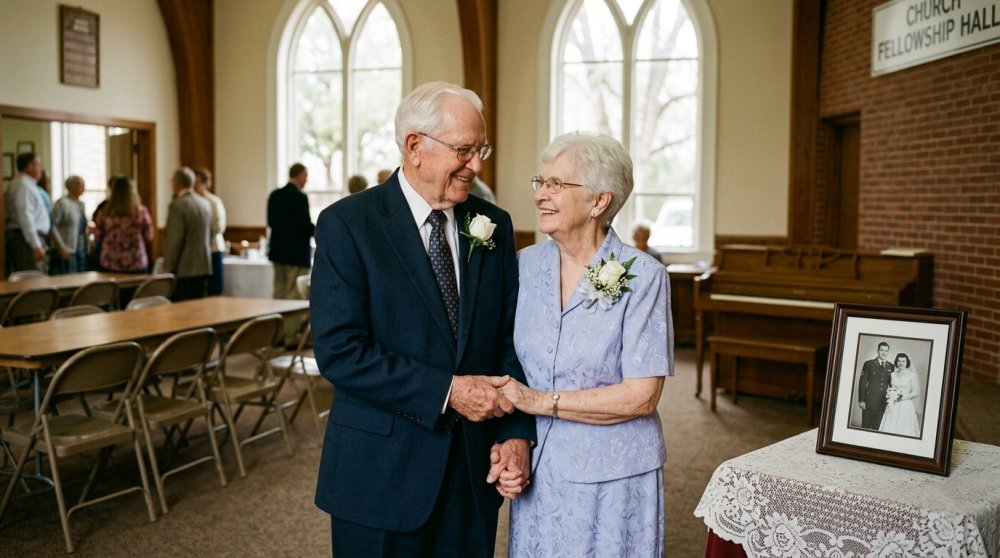
The Antwines first met as teenagers at a two-week encampment at Abilene Christian University. Clyde was 15 years old and sold his FFA prize-winning steer for $40 to attend. That is where he first saw Gwen, then 14, and asked to take her picture.
He carried that photograph in his wallet for five years before they reunited at Abilene Christian during his sophomore year. They married six months later.
“The last day of camp, I worked up the courage to ask her if I could take her picture, and she posed. And I put that picture in my wallet. I didn’t even know her name. I just knew she was pretty.”
After Clyde graduated, the couple boarded a boat for Europe in 1959. They served seven years in Zurich, helping to strengthen a young congregation of the Church of Christ. Their work laid a foundation that still bears fruit today.
Later the Antwines served in the German cities of Augsburg and Munich. After nearly two decades overseas, they returned to the United States. Clyde became missionary in residence at Oklahoma Christian University while Gwen served as office manager for The Christian Chronicle.
“Gwen would get you laughing and see the positive side when things got tough, and Clyde, in his quiet voice, would somehow say the exact words you needed to hear to keep you spiritually grounded.”
Their legacy continues through the many students they mentored for mission work. The Antwines never sought recognition. Their only goal was to prepare others for Kingdom service.
Today, Clyde still carries that original photograph of Gwen from their teenage years. Their story stands as a clear testimony of enduring love, steadfast faith, and lifelong commitment to the Lord’s work.
Let us know what you think, please share your thoughts in the comments below.
Faith Facts
- Ashley Flynn’s family states she “wanted her life to point people to Jesus.”
- She is remembered as a mother of two who “loved Jesus with her whole heart.”
- The case centers on the tragic loss of a Christian wife and mother whose testimony continues to inspire faith.
The family of the late Ashley Flynn is remembering the slain mother of two as someone who “loved Jesus with her whole heart” after her husband Caleb was found guilty of murdering her as the defendant’s family maintains his innocence.
Let us know what you think, please share your thoughts in the comments below.
Faith Facts
- Christians across Puerto Rico are gathering for six days of prayer for families, churches and the island’s future.
- The island is a U.S. territory located in the Caribbean.
- The multi-day prayer initiative reflects a commitment to faith, family and national values.
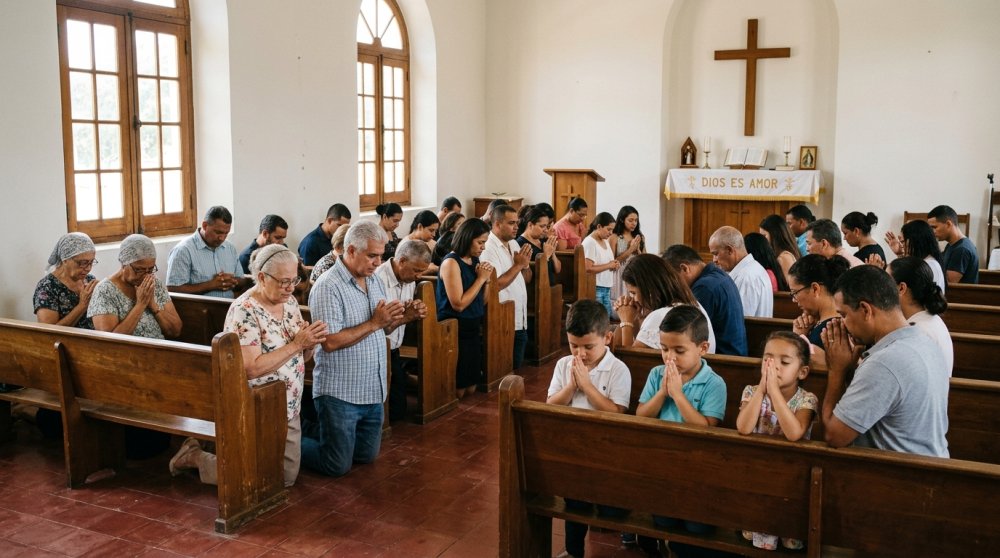
Christians across Puerto Rico are gathering this week for six days of prayer for families, churches and the future of the island, a U.S. territory in the Caribbean.
Believers are uniting in churches and communities to seek God’s guidance and blessing over their households and the territory’s future.
Participants are lifting up concerns ranging from family stability and spiritual renewal to economic growth and cultural preservation.
Let us know what you think, please share your thoughts in the comments below.


-

 Self-Reliance2 years ago
Trump’s Bold Move Uncovers Massive Social Security Fraud
-

 Faith2 years ago
New Clues Emerge in Noah’s Ark Mystery
-

 News2 years ago
Governor Walz’s Rhetoric Sparks National Controversy
-

 News2 years ago
Mel Gibson’s ‘The Passion of the Christ’ Sequel Title Announced
-

 Family2 years ago
Texas Lawmaker Targets Furries in Schools
-

 Freedom2 years ago
Maine Lawmaker Challenges Sports Fairness Controversy
-

 Family1 year ago
Canada’s Controversial Policy Sparks Ethical Debate
-
Faith11 months ago
Congress Hears Pleas for Nigerian Christians