
Faith
Nepal-China Floods Kill 6,000: A Biblical Call to Remember What Matters

Faith Facts
- A rare glacial flood has killed or left missing approximately 6,000 people across Nepal and China, highlighting the unpredictability of life and the urgent need for spiritual preparedness.
- The sudden tragedy serves as a biblical reminder of Christ’s teaching about the necessity of watchfulness and readiness for His return, as life can change in an instant.
- Christians are called to respond with both prayer and action, supporting relief efforts while recognizing natural disasters as opportunities to reflect on eternal priorities.
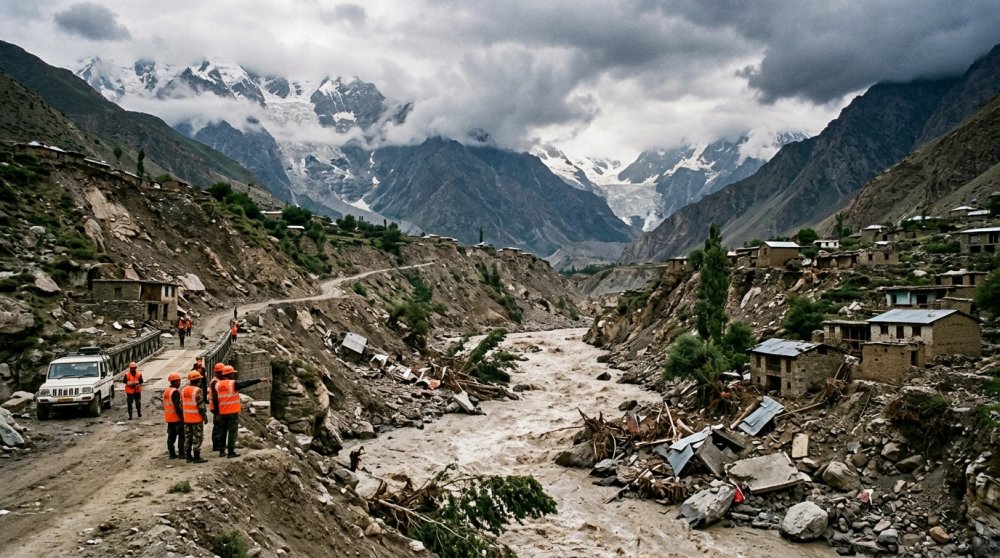
A devastating glacial flood has swept across regions of Nepal and China, claiming the lives of or leaving missing approximately 6,000 people in what experts are calling an exceptionally rare natural disaster. The sudden nature of the catastrophe has left communities reeling and families searching for loved ones.
The tragedy unfolded with little warning, as massive volumes of water were released from glacial formations, cascading through valleys and villages with destructive force. Entire communities were caught off guard by the rapidly advancing floodwaters.
For Christians observing this heartbreaking event from afar, the disaster carries profound spiritual lessons rooted in Scripture. The suddenness of this tragedy echoes Christ’s own warnings about the unpredictability of life and the certainty of eternity.
Throughout the Gospels, Jesus repeatedly emphasized the importance of spiritual readiness. He taught that no one knows the day or hour of His return, and that life’s circumstances can change without warning. This glacial flood demonstrates that truth in the starkest terms.
The Bible consistently calls believers to live with an eternal perspective rather than becoming consumed by temporary earthly concerns. When thousands can be swept away in a single day by forces beyond human control, the fragility of our earthly existence becomes undeniable.
James 4:14 poses the question: “What is your life? You are a mist that appears for a little while and then vanishes.” This ancient wisdom takes on fresh urgency when confronted with the reality of 6,000 souls whose earthly journeys ended or were dramatically altered in moments.
Christian response to such disasters should be twofold: practical compassion and spiritual reflection. Believers are called to support relief efforts through prayer, financial giving, and when possible, direct assistance to those affected by this catastrophe.
Yet the tragedy also serves as a divine reminder to examine our own lives. Are we living with eternity in view? Have we made peace with God through faith in Jesus Christ? Are we sharing the Gospel with those around us who may face their own sudden end?
The biblical account of Noah’s flood stands as perhaps the most dramatic historical parallel, when God judged the earth through water while preserving those who trusted in His provision. While natural disasters today are not necessarily direct judgments, they do remind us that God remains sovereign over creation and that this fallen world groans under the weight of sin.
For the families directly affected in Nepal and China, this is a time of unimaginable grief and hardship. Christian believers worldwide should lift these regions in prayer, asking God to comfort the mourning, provide for the displaced, and open hearts to the eternal hope found only in Christ.
Natural disasters also demonstrate the limitations of human power and planning. Advanced technology and modern infrastructure provide no guarantee of safety when nature’s forces are unleashed. This reality should humble us and direct our ultimate trust toward the One who controls the winds and the waves.
The sudden nature of this glacial flood also challenges American Christians to consider whether we are storing up treasures in heaven or on earth. Material possessions, career achievements, and earthly status can vanish in an instant, but a life built on faith in Christ has eternal significance.
As we process this tragedy, we must resist the temptation toward either callous indifference or paralyzing fear. Instead, biblical faith calls us to sober watchfulness combined with confident hope in God’s ultimate goodness and justice.
The deaths and displacement of 6,000 people serve as a stark reminder that this world is not our final home. Christians are called to be pilgrims passing through, with our citizenship ultimately in heaven and our hope anchored in the resurrection promise of Jesus Christ.
Let us know what you think, please share your thoughts in the comments below.

Faith Facts
- Oxford mathematician and Christian apologist Professor John Lennox encourages believers to share their faith with confidence.
- Lennox stresses that evangelism is not reserved only for preachers, theologians, or those with extensive biblical knowledge.
- Every Christian is called to be a witness for Christ in daily life.
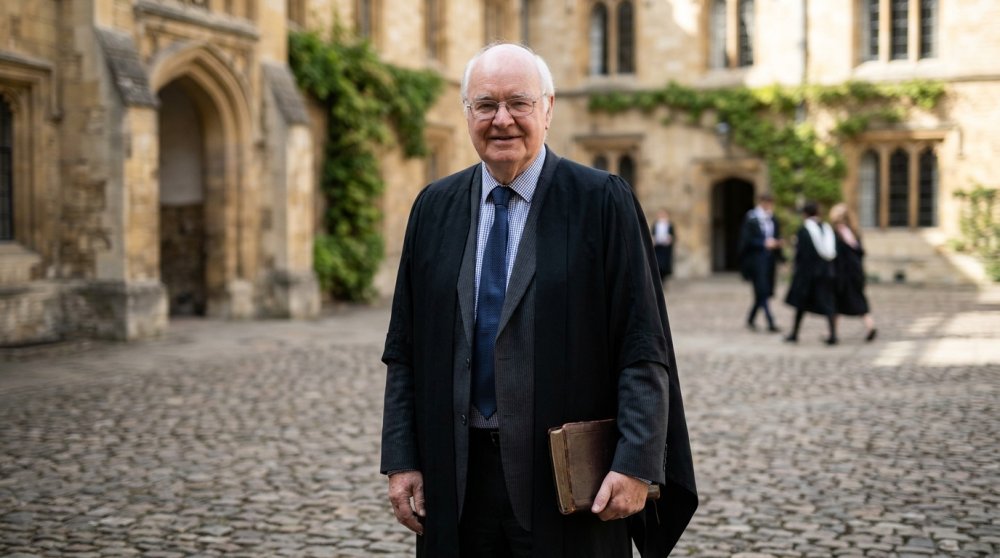
Oxford mathematician and Christian apologist Professor John Lennox is urging believers everywhere to share their faith with greater boldness and confidence. He reminds Christians that the call to witness is not limited to pastors or scholars but belongs to every follower of Christ.
“We’re all called to be witnesses,” Lennox declares. This simple truth challenges the idea that only trained experts can effectively share the gospel.
Professor Lennox emphasizes that evangelism is not about having every theological answer or delivering polished sermons. Instead, it is about living out and speaking the truth of Christ wherever God places His people.
His words come as a timely encouragement to Christians who may feel hesitant or unqualified to speak about their faith. Lennox points to the biblical calling that every believer is a witness, empowered by the Holy Spirit to share the hope within them.
Let us know what you think, please share your thoughts in the comments below.
Faith Facts
- At least seven Christians were killed in a targeted attack on a Greek Orthodox funeral service in Jordan.
- The assault occurred at a church known for peaceful worship and interfaith coexistence in the region.
- The attack highlights the ongoing threat of Islamic extremism to Christian communities worldwide.
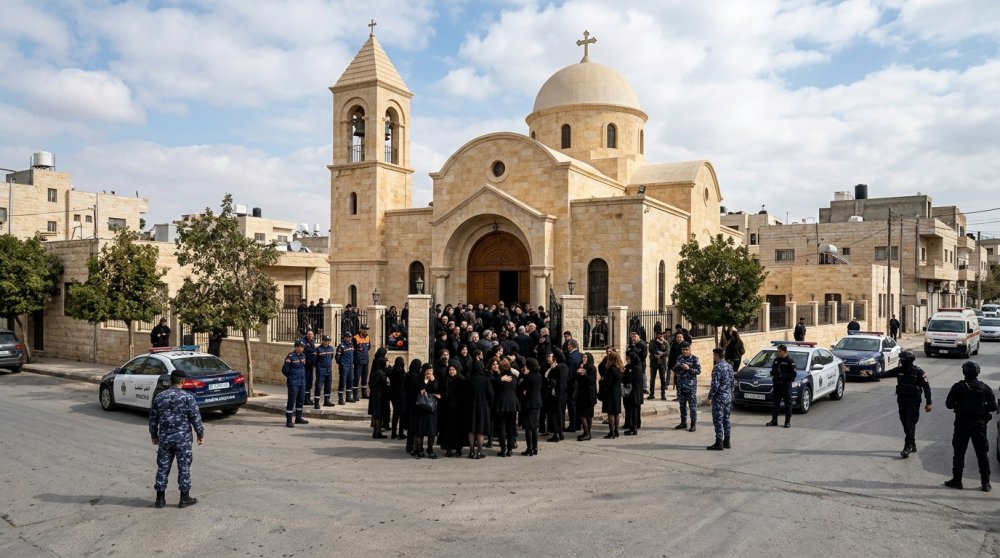
In a rare attack in a country known for peaceful inter-faith coexistence, suspected Islamic extremists attacked a funeral at a Greek Orthodox church in Jordan on Friday (Oct. 23), shooting at least seven people to death and wounding 28 others, according to reports.
The violence interrupted a sacred time of mourning and remembrance, striking at the heart of a Christian community gathered in faith.
Let us know what you think, please share your thoughts in the comments below.
Faith Facts
- God examines the heart rather than outward gestures during worship.
- Scripture teaches that authentic faith is shown through obedience and love, not visible enthusiasm.
- Believers are called to honor every sincere heart that worships in spirit and truth.
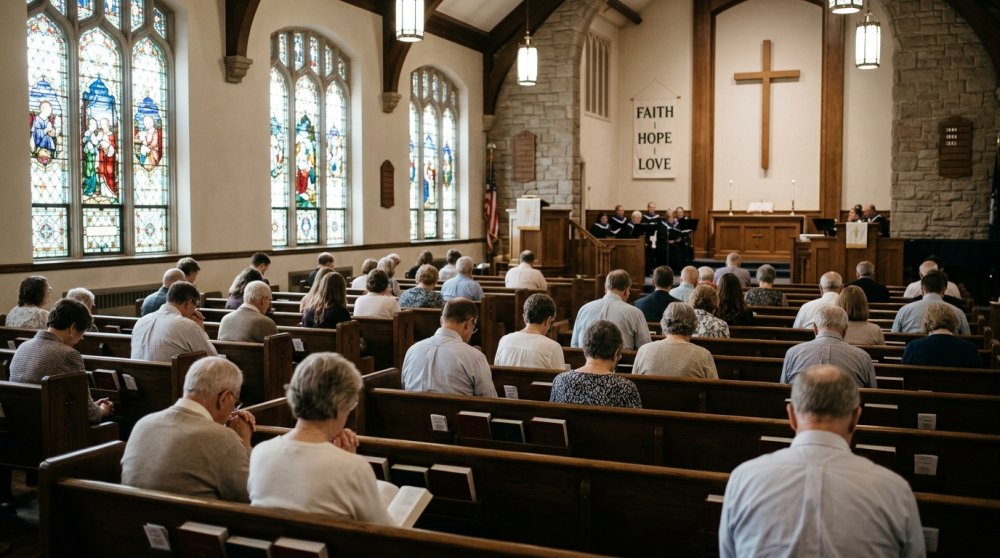
Too often, outward expressions of enthusiasm are mistaken for spiritual maturity. But God looks at the heart, not whether we’re standing, sitting or raising our hands, says Dawn Butler.
“God looks at the heart, not whether we’re standing, sitting or raising our hands,”
Churches across America have seen a growing emphasis on physical expressions during worship. This trend can unintentionally pressure believers who prefer quieter reverence. The result is that some faithful Christians feel judged for their personal style of worship.
“Too often, outward expressions of enthusiasm are mistaken for spiritual maturity.”
True worship flows from a surrendered heart that seeks to honor God in every area of life. Scripture consistently points to inward devotion rather than external performance. When congregations focus on visible actions, they risk overlooking the quiet strength of those who serve faithfully in the background.
Christian liberty allows room for both raised hands and bowed heads. The key is whether each believer approaches the Lord with reverence and sincerity. Families benefit when churches encourage unity over uniformity in worship practices.
“God looks at the heart, not whether we’re standing, sitting or raising our hands.”
Let us know what you think, please share your thoughts in the comments below.


-

 Self-Reliance2 years ago
Trump’s Bold Move Uncovers Massive Social Security Fraud
-

 Faith2 years ago
New Clues Emerge in Noah’s Ark Mystery
-

 News2 years ago
Governor Walz’s Rhetoric Sparks National Controversy
-

 News2 years ago
Mel Gibson’s ‘The Passion of the Christ’ Sequel Title Announced
-

 Family2 years ago
Texas Lawmaker Targets Furries in Schools
-

 Freedom2 years ago
Maine Lawmaker Challenges Sports Fairness Controversy
-

 Family1 year ago
Canada’s Controversial Policy Sparks Ethical Debate
-
Faith11 months ago
Congress Hears Pleas for Nigerian Christians