
Faith
Nepal-China Floods Kill 6,000: A Biblical Call to Remember What Matters


Faith Facts
- A rare glacial flood has killed or left missing approximately 6,000 people across Nepal and China, highlighting the unpredictability of life and the urgent need for spiritual preparedness.
- The sudden tragedy serves as a biblical reminder of Christ’s teaching about the necessity of watchfulness and readiness for His return, as life can change in an instant.
- Christians are called to respond with both prayer and action, supporting relief efforts while recognizing natural disasters as opportunities to reflect on eternal priorities.
A devastating glacial flood has swept across regions of Nepal and China, claiming the lives of or leaving missing approximately 6,000 people in what experts are calling an exceptionally rare natural disaster. The sudden nature of the catastrophe has left communities reeling and families searching for loved ones.
The tragedy unfolded with little warning, as massive volumes of water were released from glacial formations, cascading through valleys and villages with destructive force. Entire communities were caught off guard by the rapidly advancing floodwaters.
For Christians observing this heartbreaking event from afar, the disaster carries profound spiritual lessons rooted in Scripture. The suddenness of this tragedy echoes Christ’s own warnings about the unpredictability of life and the certainty of eternity.
Throughout the Gospels, Jesus repeatedly emphasized the importance of spiritual readiness. He taught that no one knows the day or hour of His return, and that life’s circumstances can change without warning. This glacial flood demonstrates that truth in the starkest terms.
The Bible consistently calls believers to live with an eternal perspective rather than becoming consumed by temporary earthly concerns. When thousands can be swept away in a single day by forces beyond human control, the fragility of our earthly existence becomes undeniable.
James 4:14 poses the question: “What is your life? You are a mist that appears for a little while and then vanishes.” This ancient wisdom takes on fresh urgency when confronted with the reality of 6,000 souls whose earthly journeys ended or were dramatically altered in moments.
Christian response to such disasters should be twofold: practical compassion and spiritual reflection. Believers are called to support relief efforts through prayer, financial giving, and when possible, direct assistance to those affected by this catastrophe.
Yet the tragedy also serves as a divine reminder to examine our own lives. Are we living with eternity in view? Have we made peace with God through faith in Jesus Christ? Are we sharing the Gospel with those around us who may face their own sudden end?
The biblical account of Noah’s flood stands as perhaps the most dramatic historical parallel, when God judged the earth through water while preserving those who trusted in His provision. While natural disasters today are not necessarily direct judgments, they do remind us that God remains sovereign over creation and that this fallen world groans under the weight of sin.
For the families directly affected in Nepal and China, this is a time of unimaginable grief and hardship. Christian believers worldwide should lift these regions in prayer, asking God to comfort the mourning, provide for the displaced, and open hearts to the eternal hope found only in Christ.
Natural disasters also demonstrate the limitations of human power and planning. Advanced technology and modern infrastructure provide no guarantee of safety when nature’s forces are unleashed. This reality should humble us and direct our ultimate trust toward the One who controls the winds and the waves.
The sudden nature of this glacial flood also challenges American Christians to consider whether we are storing up treasures in heaven or on earth. Material possessions, career achievements, and earthly status can vanish in an instant, but a life built on faith in Christ has eternal significance.
As we process this tragedy, we must resist the temptation toward either callous indifference or paralyzing fear. Instead, biblical faith calls us to sober watchfulness combined with confident hope in God’s ultimate goodness and justice.
The deaths and displacement of 6,000 people serve as a stark reminder that this world is not our final home. Christians are called to be pilgrims passing through, with our citizenship ultimately in heaven and our hope anchored in the resurrection promise of Jesus Christ.
Let us know what you think, please share your thoughts in the comments below.


Faith Facts
- Bank of America closed a Christian ministry’s account in 2020 citing internal policies against certain business types.
- Multiple ministries and faith-based organizations have reported similar account closures from major financial institutions.
- Faith-based groups are increasingly facing challenges accessing traditional banking services across the United States.
In 2020, Bank of America informed a Christian ministry that its account was being closed because the institution had chosen not to service certain types of businesses. The ministry initially believed this decision was isolated to their organization alone.
Further investigation revealed that other faith-based groups had encountered the same treatment from the same financial institution. The pattern suggests a broader policy affecting religious organizations seeking banking services.
“I thought we were the only ones. We weren’t.”
This experience highlights growing concerns among Christian ministries about access to essential financial services. Many traditional banks appear to be reevaluating their relationships with faith-based organizations.
The closure of accounts for religious ministries raises questions about religious liberty and equal access to financial services. Christian organizations across the country are exploring alternative banking options that align with their values and mission.
Let us know what you think, please share your thoughts in the comments below.
Faith Facts
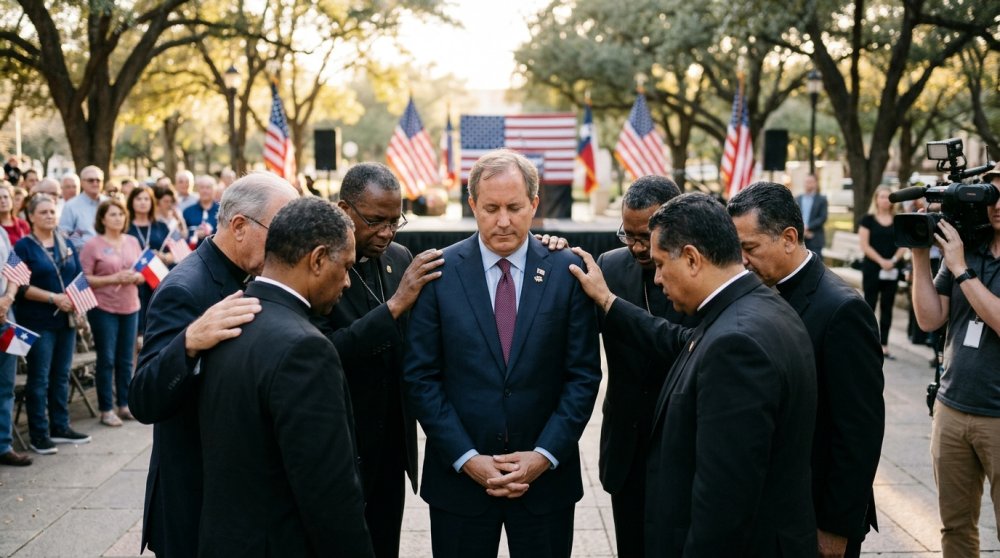
- A group of pastors gathered to pray over Texas Attorney General Ken Paxton at a campaign rally, calling on God for supernatural favor in the final weeks before the Senate election.
- The clergy specifically invoked Romans 13, urging divine support for Paxton as he seeks to represent Texas in the United States Senate.
- The public prayer event reflects a growing trend of faith leaders openly supporting conservative candidates who align with traditional Christian values.
A group of Texas pastors publicly prayed over Republican Attorney General Ken Paxton at a campaign rally this week, asking God to grant him favor with voters in the final stretch of his Senate bid.
The clergy cited Romans 13 during the prayer, reminding supporters that governing authorities are called to serve as ministers of God for justice and order.
Pastors for Paxton gathered to pray over @KenPaxtonTX at his rally today in Conroe. Pastors @Steve_Riggle and @BuntrockJames led us in asking God to grant him wisdom, strength, and protection as he serves Texas. ???? https://t.co/8GQVrU5zxO
— Pastors For Paxton (@pastors4paxton) October 20, 2026
“Give him favor with voters.”
Paxton, who has long positioned himself as a defender of biblical values on issues like life, marriage, and religious liberty, welcomed the spiritual covering from the pastors in attendance.
The event underscores the deep connection many conservative voters in Texas feel between their faith and their political choices.
Let us know what you think, please share your thoughts in the comments below.
Faith Facts
- Frank Turek wakes each morning and ends each evening thinking of Charlie Kirk.
- One year after witnessing the assassination of the conservative activist, Turek continues his commitment to share the Gospel on college campuses.
- The loss of Charlie Kirk has strengthened Turek’s resolve to defend biblical truth among young people.
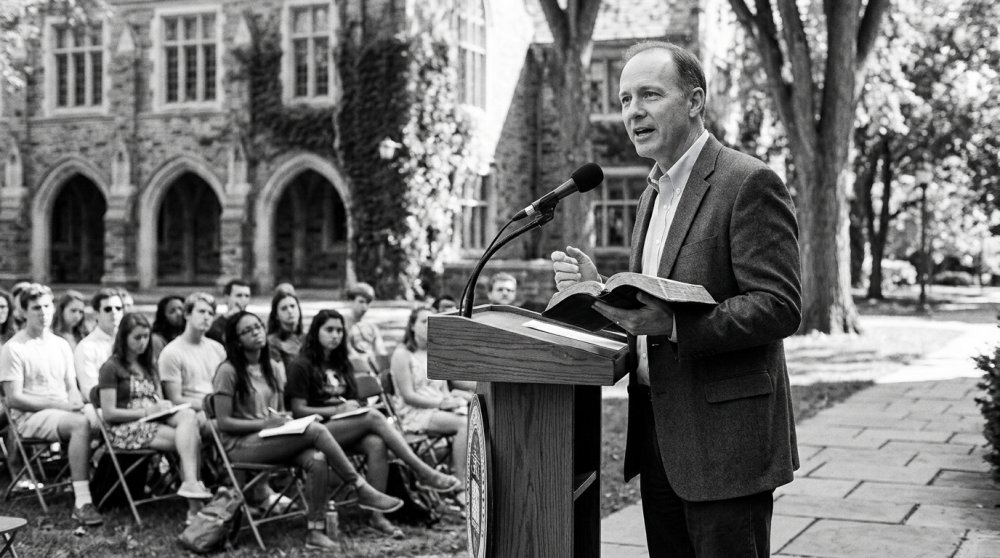
Christian apologist Frank Turek has carried the memory of Charlie Kirk with him every single day since witnessing the conservative activist’s assassination at Utah Valley University. The grief remains real, yet so does his steadfast determination to keep proclaiming the Gospel.
Each morning when he wakes and each night before he sleeps, Turek’s first and last thoughts return to Kirk. The loss of a friend and fellow defender of truth has left a deep mark, but it has not silenced his mission.
“The first person I think of when I wake up is Charlie.”
Turek’s ongoing work on college campuses reflects a commitment to the same values Kirk championed. He continues reaching students with biblical truth, refusing to let tragedy silence the message of Christ.
Let us know what you think, please share your thoughts in the comments below.


-

 Self-Reliance2 years ago
Trump’s Bold Move Uncovers Massive Social Security Fraud
-

 Faith2 years ago
New Clues Emerge in Noah’s Ark Mystery
-

 News2 years ago
Governor Walz’s Rhetoric Sparks National Controversy
-

 News2 years ago
Mel Gibson’s ‘The Passion of the Christ’ Sequel Title Announced
-

 Family2 years ago
Texas Lawmaker Targets Furries in Schools
-

 Freedom2 years ago
Maine Lawmaker Challenges Sports Fairness Controversy
-

 Family1 year ago
Canada’s Controversial Policy Sparks Ethical Debate
-
Faith11 months ago
Congress Hears Pleas for Nigerian Christians