
Freedom
National Pride Hits Record Low Amid Shifting Values


In a time when our nation stands at a crossroads, the spirit of patriotism—a cornerstone of American identity—seems to be wavering. A recent Gallup survey reveals a concerning trend: fewer Americans than ever consider themselves “extremely” or “very” proud of their country. This decline, primarily influenced by political and generational shifts, underscores the urgent need to reaffirm our commitment to traditional values and the principles that have long defined us.
The survey, conducted just before Independence Day, highlights a stark reality. Only 58% of Americans express strong pride in their nation, marking a new low in the 25 years Gallup has posed this question. This is a significant drop from last year’s 67%. Among the respondents, a mere 41% describe themselves as “extremely” proud, unchanged from 2024 but slightly above the record low of 38% in 2022. Meanwhile, those “very” proud plummeted from 26% to a record low of 17% this year.
“The combined 20% on the lower end of the pride scale essentially ties the record 21% measured in 2020,” Gallup notes. This shift is particularly alarming when we consider that in 2001, a resounding 87% of Americans felt “extremely or very proud” of their country, a figure that surged to 90% following the September 11 attacks.
This decline in national pride is attributed to “political and generational changes,” as well as economic uncertainties and ideological divides. Yet, it is crucial to recognize the role of faith and family in restoring this pride. Our nation’s strength lies not just in its political institutions but in the moral fabric woven by our communities and churches.
The survey reveals a clear partisan divide. An overwhelming 92% of Republicans maintain strong national pride, a testament to their steadfast belief in American exceptionalism. In contrast, only 36% of Democrats express similar sentiments, a steep decline from 62% last year. Independents, too, show a decrease, with just 53% feeling proud, down from 60%.
Generational differences also play a significant role. Generation Z, the youngest group of American adults, consistently reports lower levels of national pride. This trend is concerning, as it suggests a disconnect from the values and freedoms that have long been the bedrock of our society. By comparison, those born before 1946, who lived through pivotal moments in our history, continue to exhibit high levels of pride, though slightly diminished in recent years.
The data paints a picture of a nation grappling with its identity. Yet, it is in times like these that we must turn to our faith and the enduring principles that have guided us. The Bible teaches us the importance of unity, love for our neighbor, and a commitment to justice. These values are integral to rekindling the spirit of patriotism.
As we reflect on these findings, let us remember the words of Proverbs 14:34: “Righteousness exalts a nation, but sin is a reproach to any people.” It is through a return to righteousness, personal responsibility, and a renewed focus on family and community that we can restore our national pride.
In conclusion, the path forward requires a recommitment to the values that have made America a beacon of hope and freedom. By embracing our heritage and fostering a spirit of unity, we can ensure that future generations inherit a nation they can be proud of. Let us stand firm in our faith, cherish our freedoms, and work tirelessly to uphold the principles that define us as Americans.
Let us know what you think, please share your thoughts in the comments below.


Faith Facts
- Virginia State University has required Christian student organizations to submit to oversight by a single university-employed campus minister.
- Two Christian groups filed suit alleging the policy violates their religious convictions and First Amendment rights.
- The groups claim doctrinal differences with the appointed minister make compliance impossible without compromising their beliefs.
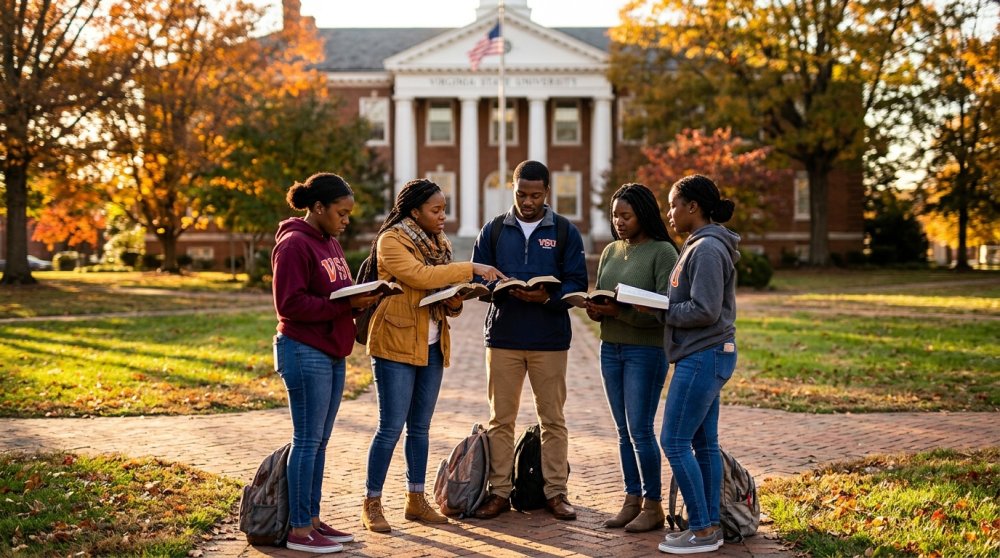
Two Christian student organizations have taken Virginia State University to court, asserting the school has violated their religious liberty by forcing them under the authority of a single campus minister.
The complaint states the policy requires all Christian clubs to operate under the governance of this university-appointed figure regardless of doctrinal alignment.
“The university is compelling these groups to accept spiritual leadership that contradicts their sincerely held beliefs,” the lawsuit argues.
The students maintain the mandate infringes on their freedom to choose leaders who share their theological convictions.
Legal observers note the case raises fresh questions about how public universities may regulate religious expression on campus.
Supporters of the plaintiffs argue that equal access should not require groups to surrender their core religious identity.
“We simply want the same rights extended to every other student organization without having our faith dictated by the state,” one plaintiff representative said.
The university has not yet issued a detailed public response beyond confirming receipt of the legal filing.
Let us know what you think, please share your thoughts in the comments below.

Faith Facts
- Parents hold the primary God-given responsibility to educate their children according to biblical principles.
- Traditional homeschooling has consistently produced graduates who serve their communities with integrity and skill.
- Local governments should respect parental authority and religious freedom rather than impose unnecessary credentialing barriers.
The city council of Fremont, Nebraska, has unanimously passed a resolution removing an education requirement that had prevented a homeschooled volunteer from applying for a paid firefighter position.
City leaders determined that the previous rule unfairly excluded capable individuals who had completed their education at home.
The decision came after a longtime volunteer firefighter, who graduated through homeschooling, was told he could not be considered for full-time employment because his diploma was not from an accredited institution.
“The council recognized that homeschool graduates bring the same dedication and training to the job as anyone else,” one council member stated during the meeting.
Council members agreed the change aligns with broader community values that honor parental choice in education.
Supporters of the resolution noted that many homeschool families in Nebraska choose this path for faith-based reasons and should not face employment discrimination for following their convictions.
The updated policy now allows the city to consider applicants based on their skills, certifications, and character rather than the source of their high school education.
Local firefighters and residents have welcomed the decision, viewing it as a practical step that strengthens public safety without compromising standards.
“This resolution simply removes an unnecessary obstacle so that qualified men and women can serve their neighbors,” another council member remarked.
City officials expect the change to expand the pool of dedicated candidates ready to protect Fremont families and property.
Let us know what you think, please share your thoughts in the comments below.
Faith Facts
- A Chinese pastor released from prison three months ago spoke at a religious freedom conference in Dallas, Texas.
- Speakers at the event credited public pressure and prayer with helping secure the pastor’s release.
- Believers are being called to pray and advocate for Christians still imprisoned for their faith.
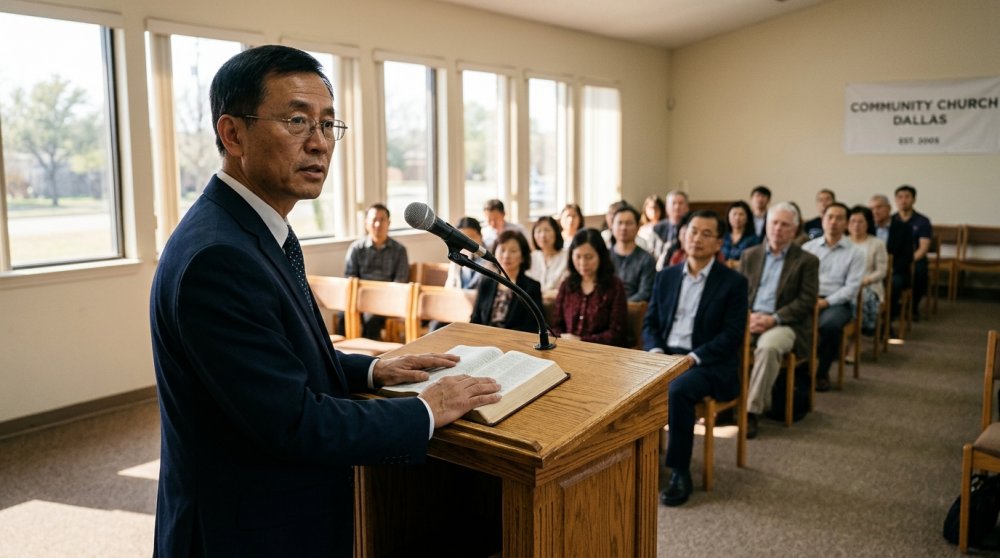
A Chinese pastor freed from prison three months ago joined advocates at a religious freedom conference in Dallas, Texas, on Monday, September 28, in urging Christians to pray and speak out for those jailed for their faith.
Speakers credited such pressure with helping win the pastor’s release.
The event highlighted the ongoing persecution faced by many believers in China.
Advocates emphasized the power of faithful prayer and public witness in the face of oppression.
“Let us know what you think, please share your thoughts in the comments below.”


-

 Self-Reliance2 years ago
Trump’s Bold Move Uncovers Massive Social Security Fraud
-

 Faith2 years ago
New Clues Emerge in Noah’s Ark Mystery
-

 News2 years ago
Governor Walz’s Rhetoric Sparks National Controversy
-

 News2 years ago
Mel Gibson’s ‘The Passion of the Christ’ Sequel Title Announced
-

 Family2 years ago
Texas Lawmaker Targets Furries in Schools
-

 Freedom2 years ago
Maine Lawmaker Challenges Sports Fairness Controversy
-

 Family1 year ago
Canada’s Controversial Policy Sparks Ethical Debate
-
Faith11 months ago
Congress Hears Pleas for Nigerian Christians