
News
Christian Teacher Spends 650 Days Behind Bars for Defying Gender Ideology Mandate


Faith Facts
- Enoch Burke has spent over 650 days in prison for refusing to comply with a court order barring him from his former school premises
- Burke’s imprisonment stems from his unwillingness to accept a mandate requiring him to affirm transgender ideology, which contradicts his Christian beliefs
- A recent court hearing addressing Burke’s case collapsed, prolonging the ongoing legal battle between religious conscience and institutional demands
The saga of Enoch Burke, a Christian school teacher who has stood firm in his religious convictions despite overwhelming institutional pressure, continues to unfold with no resolution in sight. Burke has now spent more than 650 days in prison, a remarkable testament to his unwavering commitment to his faith in the face of severe personal consequences.
The root of Burke’s imprisonment lies in his refusal to comply with a court order that bars him from the premises of his former school. This order came after Burke declined to accept directives that would have required him to affirm transgender ideology by using pronouns that contradict biological reality—a practice he believes violates his Christian faith and conscience.
Rather than abandon his principles, Burke continued to report to the school where he had taught, leading to his ongoing incarceration for contempt of court. His continued presence at the school, despite the legal prohibition, reflects his conviction that compliance with the directive would constitute a betrayal of his deeply held religious beliefs.
Most recently, a court hearing that was expected to address Burke’s situation collapsed, leaving his legal status unresolved and extending his time behind bars. The collapse of the hearing represents yet another chapter in a case that has drawn attention to the mounting tensions between religious freedom and the enforcement of progressive gender ideology in educational institutions.
Burke’s prolonged imprisonment raises serious questions about the state of religious liberty in modern Western societies. For many Christians and conservatives, his case represents a disturbing example of how institutions are increasingly willing to punish those who refuse to bend the knee to ideologies that contradict biblical teaching and biological truth.
The teacher’s willingness to endure such lengthy imprisonment rather than compromise his convictions has made him a symbol of Christian resistance to cultural pressures. While critics argue that Burke should simply comply with the court order, supporters see his stand as a necessary defense of religious freedom and parental rights in education.
As Burke’s imprisonment stretches beyond the two-year mark, the case continues to highlight the growing conflict between traditional Christian values and institutional mandates. The collapsed hearing suggests that a swift resolution remains unlikely, meaning Burke may face continued incarceration for the foreseeable future unless he capitulates to demands he views as fundamentally incompatible with his faith.
Let us know what you think, please share your thoughts in the comments below.

Faith Facts
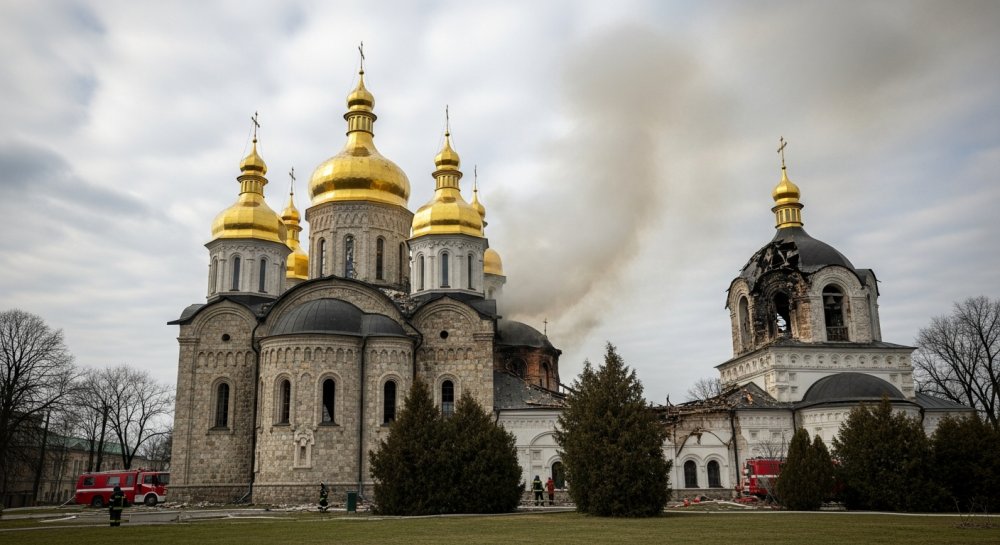
- Russian missile strike killed nine civilians and damaged one of Christianity’s oldest monastic sites in Kyiv
- The European Evangelical Alliance condemned the attack as an attempt to erase Ukrainian identity and cultural memory
- The ancient monastery represents centuries of Christian heritage and worship in the region
The European Evangelical Alliance has issued a strong condemnation following a devastating Russian missile attack on Kyiv that claimed the lives of nine innocent civilians and set ablaze a sacred Christian site with centuries of history. The strike targeted one of the oldest monastic locations in Christianity, raising alarm among faith leaders across Europe and around the world.
The attack represents more than just physical destruction — it strikes at the heart of religious freedom and cultural heritage. The monastery has served as a beacon of faith and worship for generations of believers, standing as a testament to the enduring presence of Christianity in Ukraine.
European Christian leaders characterized the assault as a deliberate attempt to obliterate Ukrainian identity and collective memory. The targeting of such a historically significant religious site has been viewed by many as an attack not just on buildings, but on the very soul of a nation and its people’s right to preserve their faith traditions.
The loss of nine civilian lives in this attack underscores the human cost of ongoing military aggression in the region. Families have been shattered, and a community of faith has been traumatized by violence directed at a place meant for peace and spiritual refuge.
This incident raises serious questions about the protection of religious sites during armed conflict and the obligation of nations to respect places of worship. The deliberate targeting of such locations violates fundamental principles of human dignity and religious liberty that Christians hold dear.
For believers worldwide, the attack serves as a sobering reminder of the persecution and threats faced by Christians in conflict zones. It calls for prayer, support, and advocacy for those whose faith is under assault and whose sacred spaces are being destroyed.
The European Evangelical Alliance’s swift condemnation reflects the broader Christian community’s commitment to standing with persecuted believers and defending the right to worship freely without fear of violence.
Let us know what you think, please share your thoughts in the comments below.
Faith Facts
- A Louisiana pastor’s family was devastated when a car crash claimed the lives of his 13-year-old son and daughter-in-law returning from a Pentecostal youth camp.
- The pastor’s son, who was driving and had been married only six months, survived the crash that killed his wife and younger brother.
- The church community has rallied in prayer and support as the family grieves this unimaginable loss.
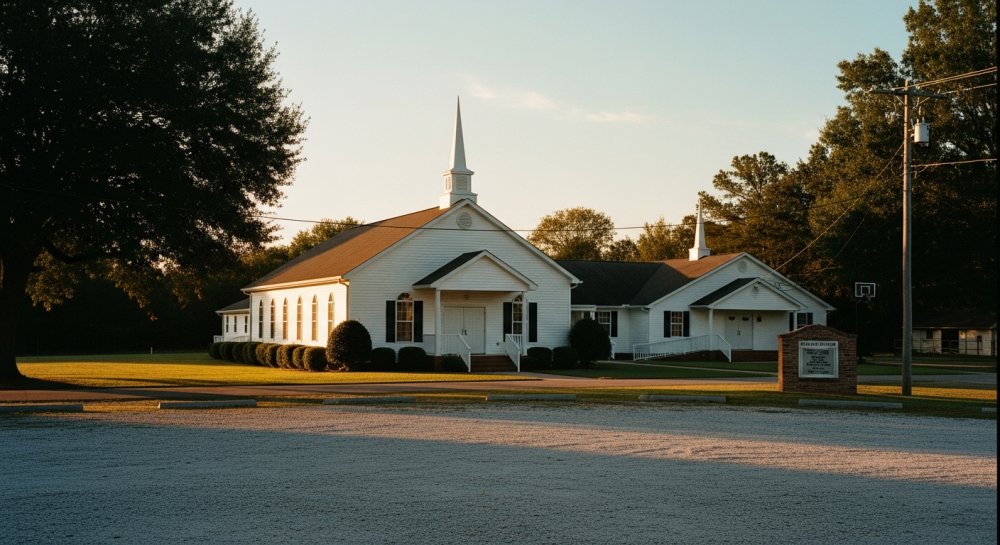
A Louisiana pastor and his congregation are grappling with profound grief after a tragic car accident took the lives of two beloved family members. The devastating crash occurred as they were returning home from a Pentecostal youth camp, leaving a tight-knit faith community reeling from the sudden loss.
The accident claimed the life of the pastor’s 13-year-old son and his daughter-in-law, who had been married to the pastor’s older son for just six months. The newlywed couple had their entire lives ahead of them, making the tragedy all the more heartbreaking for those who knew and loved them.
The pastor’s son who was driving survived the crash, now facing the unimaginable pain of losing both his wife and younger brother in a single moment. The family has not released specific details about the circumstances of the accident, asking for privacy during this difficult time.
The church community has immediately mobilized in response to this tragedy, surrounding the pastor and his family with prayer, practical support, and expressions of love. Fellow believers have organized meal trains, offered childcare assistance, and committed to ongoing prayer for the family’s healing and comfort.
This heartbreaking event serves as a sobering reminder of life’s fragility and the importance of cherishing every moment with loved ones. For families of faith, such tragedies test the strength of belief and the power of community support during the darkest hours.
The youth camp they had attended represents the kind of faith-building experience that shapes young lives in positive ways. The cruel irony that the journey home from such an event ended in tragedy has not been lost on the grieving community.
As the pastor’s family navigates the coming days and weeks, they face the difficult task of planning funerals while supporting the surviving son through his own physical and emotional recovery. The weight of losing two family members simultaneously is a burden few can comprehend.
Churches across Louisiana and beyond have expressed solidarity with the grieving family, demonstrating the bonds that unite believers even in the face of incomprehensible loss. This tragedy highlights both the vulnerability of human life and the enduring strength found in faith and community.
In times like these, the body of Christ often shows its truest character—not in prosperity or celebration, but in how believers gather around those who are suffering. The outpouring of support for this pastoral family exemplifies the biblical call to “weep with those who weep.”
Let us know what you think, please share your thoughts in the comments below.
Faith Facts
- The Anglican Church in North America has scheduled a formal ecclesiastical trial for former Archbishop Stephen Wood following allegations that prompted his resignation
- The ACNA has implemented comprehensive reforms to its disciplinary procedures in response to the case, strengthening accountability measures for church leadership
- The trial represents a pivotal moment for the Reformed Anglican denomination as it seeks to maintain biblical standards while addressing allegations against senior clergy
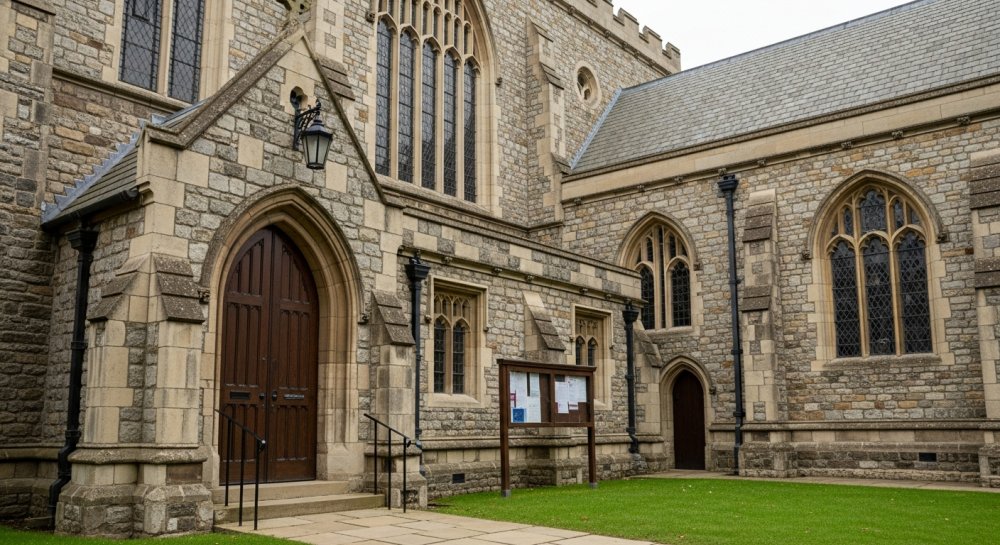
The Anglican Church in North America has announced a trial date for former Archbishop Stephen Wood, marking a significant step in a case that has challenged the young denomination and led to sweeping changes in how it handles misconduct allegations against church leaders.
The ACNA, formed in 2009 by traditional Anglicans who left the Episcopal Church over theological disputes including same-sex marriage and biblical authority, now faces internal questions about leadership accountability. The case has prompted the denomination to strengthen its disciplinary framework to better protect congregants and maintain ministerial standards.
Wood’s resignation came after allegations emerged that required formal ecclesiastical investigation under church law. The ACNA’s decision to proceed with a trial demonstrates the denomination’s commitment to addressing serious matters through proper canonical procedures rather than allowing leaders to simply step down without accountability.
Church officials have emphasized that the trial process will follow established Anglican tradition while incorporating new safeguards adopted in recent months. These reforms include clearer reporting mechanisms, enhanced investigative procedures, and stronger protections for those who come forward with allegations against clergy.
The case has resonated throughout conservative Anglican circles, where many believers view strong church discipline as essential to maintaining biblical faithfulness and protecting vulnerable members. Traditional Christians have long emphasized that church leaders must be held to high standards of conduct, noting that Scripture calls those in ministry to exemplary lives.
For the ACNA, which positions itself as a biblically faithful alternative to the mainline Episcopal Church, the handling of this case carries particular weight. The denomination has attracted thousands of traditional Anglicans seeking churches that uphold historic Christian teaching on marriage, sexuality, and biblical authority.
The upcoming trial will be conducted according to the ACNA’s canons and constitution, which govern church discipline and provide procedures for addressing allegations against bishops and other clergy. The process includes opportunities for defense, presentation of evidence, and appeal—reflecting the denomination’s commitment to justice alongside accountability.
Christian legal experts note that ecclesiastical trials serve an important function in maintaining church integrity and demonstrating that religious communities take misconduct seriously. Such proceedings, though difficult, can help restore confidence in denominational leadership when handled with transparency and fairness.
The ACNA’s response to this situation stands in contrast to some mainline Protestant denominations that have faced criticism for inadequate responses to clergy misconduct. By implementing reforms and proceeding with formal proceedings, the Anglican body is working to demonstrate that biblical standards apply to all members, especially those in positions of authority.
As the trial date approaches, many within the ACNA are praying for wisdom for church leaders, justice for any who have been harmed, and ultimate redemption and restoration where possible. The denomination continues to emphasize that its mission of proclaiming the gospel and making disciples remains paramount even as it addresses this challenging internal matter.
Let us know what you think, please share your thoughts in the comments below.


-

 Self-Reliance1 year ago
Trump’s Bold Move Uncovers Massive Social Security Fraud
-

 Faith1 year ago
New Clues Emerge in Noah’s Ark Mystery
-

 News1 year ago
Governor Walz’s Rhetoric Sparks National Controversy
-

 News1 year ago
Mel Gibson’s ‘The Passion of the Christ’ Sequel Title Announced
-

 Family1 year ago
Texas Lawmaker Targets Furries in Schools
-

 Freedom1 year ago
Maine Lawmaker Challenges Sports Fairness Controversy
-

 Family1 year ago
Canada’s Controversial Policy Sparks Ethical Debate
-
Faith7 months ago
Congress Hears Pleas for Nigerian Christians