
News
Jordan Peterson’s Surprising Stance on Personal Faith


In a riveting display of intellectual prowess and personal conviction, renowned Canadian psychologist Jordan Peterson recently engaged in a thought-provoking debate with twenty atheists, leaving many stunned by his refusal to explicitly identify as a Christian. This exchange, which quickly went viral, underscores the importance of personal faith and the complexities surrounding public declarations of belief.
The debate took place on the popular YouTube channel Jubilee, known for hosting discussions where one individual faces off against a group with opposing views. The video, initially titled “1 Christian vs 20 Atheists,” was later changed to “Jordan Peterson vs 20 Atheists,” reflecting the nuanced nature of the conversation.
During the 90-minute session, Peterson was pressed by a debater named Danny about his religious affiliations, particularly given his attendance at a Catholic Church with his wife, who recently converted to Catholicism. When Danny asserted, “Because you’re a Christian,” Peterson’s response was both unexpected and profound: “You say that. I haven’t claimed that.”
This candid admission drew laughter from the atheists, highlighting the often superficial understanding of faith that permeates secular discussions. When further challenged with, “Either you’re a Christian or you’re not,” Peterson maintained his stance, emphasizing the personal nature of his beliefs by stating, “I could be either of them, but I don’t have to tell you. It’s private.”
Peterson’s refusal to be pigeonholed into a label resonates deeply with those who value the sanctity of personal faith. In an era where public figures are often pressured to declare their beliefs for the sake of public approval, Peterson’s stance is a reminder of the importance of individual responsibility and the personal journey of faith.
This exchange has since captivated millions, with a clip of the interaction amassing over 7 million views. The viral nature of the video speaks to a growing hunger for discussions that transcend superficial labels and delve into the heart of personal belief and conviction.
Peterson, who authored “We Who Wrestle with God: Perceptions of the Divine,” has long been a figure of intrigue in discussions about faith. His reluctance to publicly dissect his personal beliefs stems from a desire to avoid turning his faith into a spectacle.
In a world increasingly divided by ideological lines, Peterson’s approach serves as a beacon for those who prioritize faith, family, and freedom. His emphasis on the private nature of belief underscores the importance of nurturing one’s spiritual journey without succumbing to societal pressures.
As we navigate the complexities of modern life, let us remember that true faith is not defined by public declarations but by the quiet, steadfast commitment to living out biblical principles in our daily lives. In the words of Peterson, the journey of faith is deeply personal, and it is this personal conviction that ultimately shapes a values-driven society.
Let us know what you think, please share your thoughts in the comments below.


Faith Facts
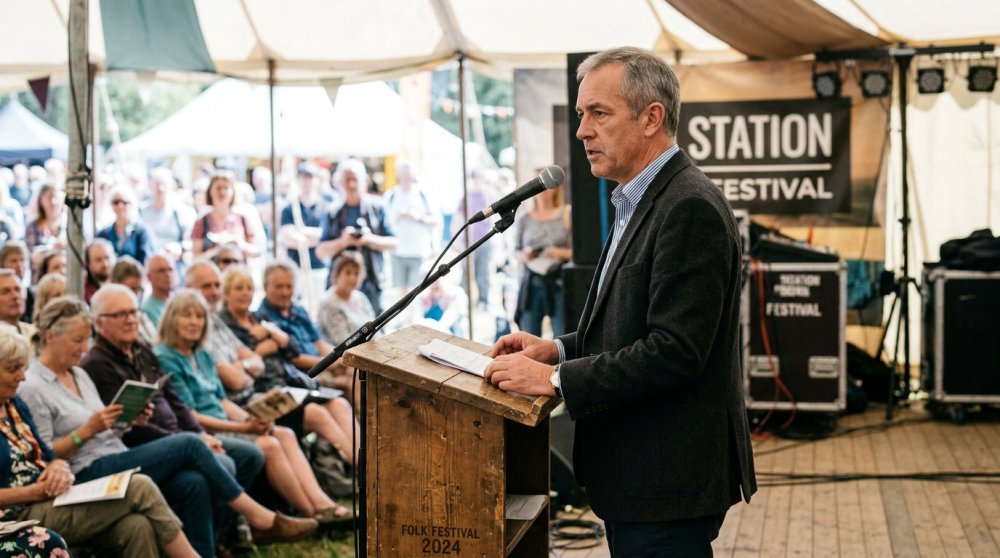
- Pete Greig, founder of 24-7 Prayer, addressed the Wildfires festival calling for prayer regarding national defense.
- Alan Storkey argues that increased military spending conflicts with the Christian call to peace.
- The discussion highlights ongoing tensions between traditional Christian values of peace and national security concerns.
During a recent appearance at the Wildfires festival, Pete Greig, leader of 24-7 Prayer, urged Christians to pray for peace while also calling on the UK Prime Minister to increase defense spending. The remarks sparked debate among believers about how faith communities should respond to growing global instability.
Alan Storkey, a Christian commentator, responded to Greig’s message by questioning whether higher military budgets align with the Gospel’s emphasis on peace. Storkey argues that Christians have a responsibility to seek solutions that reduce conflict rather than prepare for it.
“Prepare for war,” Greig stated during his talk, emphasizing the need for stronger national defense in uncertain times.
Storkey counters that such an approach risks escalating tensions rather than resolving them. He suggests that prayer for wisdom in foreign policy and diplomatic solutions should take precedence over increased military expenditure.
The exchange reflects broader conversations within Christian circles about how believers should engage with issues of war, peace, and government policy. Many traditional Christians continue to wrestle with balancing national security concerns against biblical calls for peacemaking.
Let us know what you think, please share your thoughts in the comments below.
Faith Facts
- Samuel Rodriguez is a prominent Hispanic evangelical leader focused on faith, family, and freedom.
- Conservative values emphasize personal responsibility, limited government, and secure borders.
- Latino voters have historically prioritized faith-based principles and traditional American ideals.
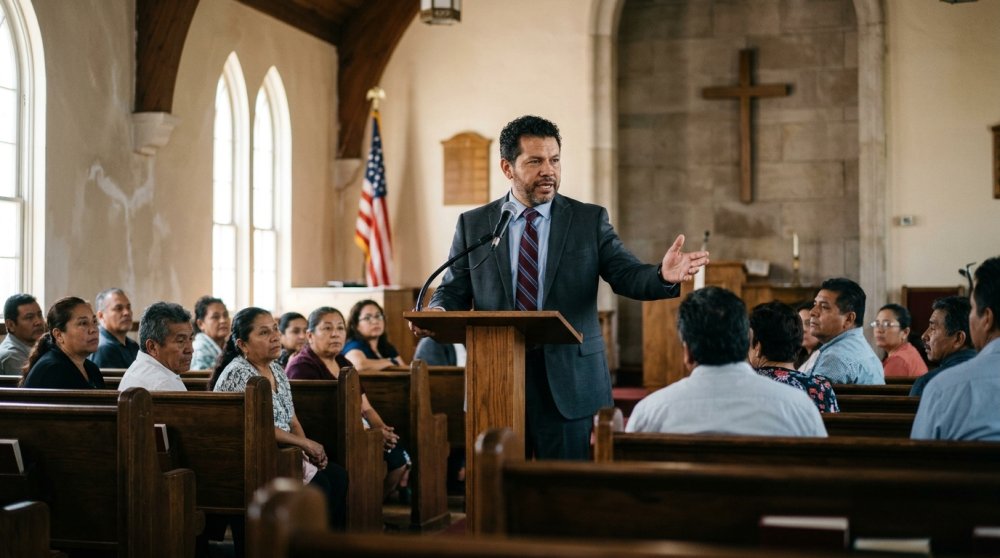
Samuel Rodriguez, president of the National Hispanic Christian Leadership Conference, warned that Republican candidates could face significant Latino voter abstention during the 2026 midterm elections. He attributes this risk to rising living costs and the Trump administration’s firm immigration policies.
"Hispanic Evangelical leader Samuel Rodriguez believes conservatives could most certainly lose ground with Latino voters in the 2026 midterm elections through what he calls votes of abstention as the community struggles with higher costs of living and the Trump administration’s aggressive immigration enforcement."
Rodriguez highlights that many Latino families are feeling financial strain from inflation and everyday expenses. These pressures, combined with strict border enforcement, may lead some voters to stay home on election day.
"Hispanic Evangelical leader Samuel Rodriguez believes conservatives could most certainly lose ground with Latino voters in the 2026 midterm elections through what he calls votes of abstention as the community struggles with higher costs of living and the Trump administration’s aggressive immigration enforcement."
While acknowledging the importance of border security, Rodriguez urges Republican leaders to communicate their policies with compassion and clarity to maintain support among faith-minded Latino voters.
Let us know what you think, please share your thoughts in the comments below.
Faith Facts
- Scripture warns against false witness and calls believers to defend truth with love and clarity.
- Christian teaching upholds the unique biblical connection of the Jewish people to the land of Israel.
- Faithful Christians are called to stand with Israel and reject rhetoric that distorts history or stirs division.
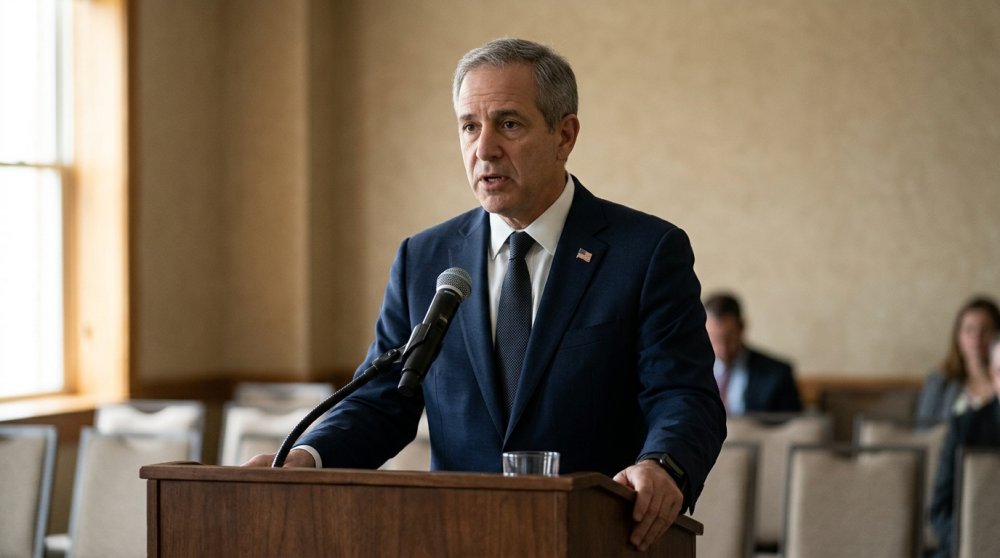
Former President Barack Obama recently told an audience in Belfast that the Jews “took land off people” and were “excessive.” The remarks drew swift and pointed criticism from Elisha Wiesel, son of the late Nobel laureate Elie Wiesel. Wiesel’s public response highlighted the troubling nature of the former president’s language.
Christians who hold to the authority of Scripture recognize that such statements misrepresent both history and God’s covenant promises. The Bible consistently affirms the Jewish people’s connection to the land of Israel, from Genesis through the prophets.
“It is dangerous for a former president of the United States to use such language,” Elisha Wiesel stated.
The comment comes amid ongoing global debates over Israel’s right to exist and defend itself. Many American believers see these discussions as spiritual as well as political, rooted in the promises recorded in Scripture.
“Words have consequences, especially when spoken by those who once held the highest office in our nation,” Wiesel added.
Faithful Christians are increasingly vocal in their support for Israel and their concern over rhetoric that echoes historic patterns of blame. Standing with the Jewish people remains a matter of biblical conviction for many American believers.
Let us know what you think, please share your thoughts in the comments below.


-

 Self-Reliance2 years ago
Trump’s Bold Move Uncovers Massive Social Security Fraud
-

 Faith2 years ago
New Clues Emerge in Noah’s Ark Mystery
-

 News2 years ago
Governor Walz’s Rhetoric Sparks National Controversy
-

 News2 years ago
Mel Gibson’s ‘The Passion of the Christ’ Sequel Title Announced
-

 Family2 years ago
Texas Lawmaker Targets Furries in Schools
-

 Freedom2 years ago
Maine Lawmaker Challenges Sports Fairness Controversy
-

 Family1 year ago
Canada’s Controversial Policy Sparks Ethical Debate
-
Faith11 months ago
Congress Hears Pleas for Nigerian Christians