
Freedom
Global Evangelical Body Warns South Korea of Religious Freedom Threat

Faith Facts
- The World Evangelical Alliance has joined Korean Christian councils in opposing a civil code amendment that could grant excessive government control over religious organizations
- The bill pending in South Korea’s National Assembly threatens constitutional protections for religious freedom and church autonomy
- Christian leaders warn the legislation could set a dangerous precedent for government interference in church governance and operations
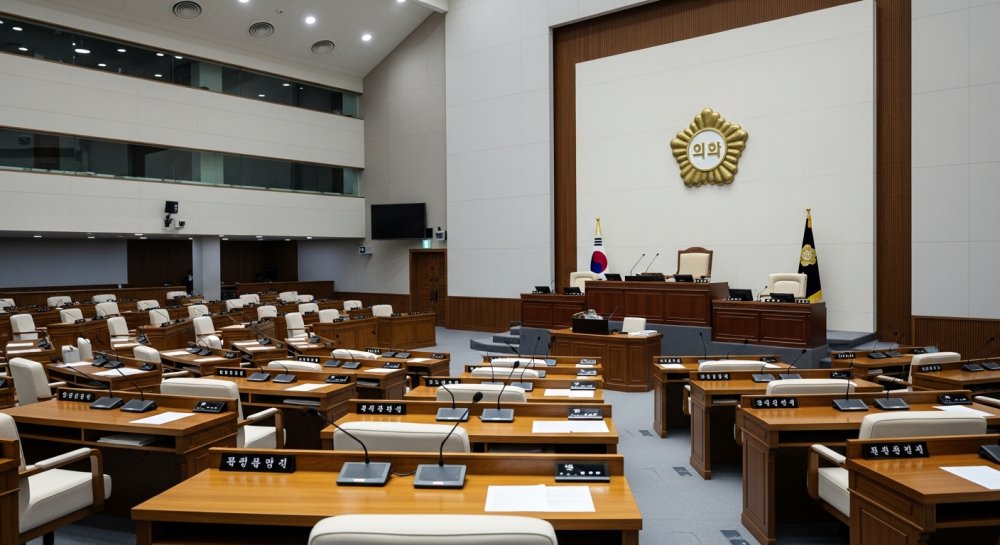
The World Evangelical Alliance (WEA) has issued a forceful statement against a controversial civil code amendment currently before South Korea’s National Assembly, standing in solidarity with Korean Christian bodies that have sounded the alarm over threats to religious liberty. The global evangelical organization joins the Christian Council of Korea (CCK) and the Communion of Churches in Korea (CCIK), who issued their own statements of opposition earlier this month.
The proposed amendment has raised serious concerns among Christian leaders who warn it could dramatically expand government authority over religious institutions. At the heart of the controversy is language that critics say would give administrative bodies unprecedented power to interfere in the internal affairs of churches and faith-based organizations.
The WEA’s intervention carries significant weight, as the alliance represents more than 600 million evangelical Christians across 129 nations. Their statement highlights concerns that the legislation conflicts with religious freedom protections enshrined in South Korea’s constitution.
Korean Christian leaders have been vocal in their opposition, warning that the bill represents a fundamental shift in the relationship between church and state. The Christian Council of Korea released its statement on February 3, followed by the Communion of Churches in Korea on February 5, both organizations representing millions of Korean believers.
The controversy reflects broader tensions over religious freedom in democratic societies, where governments must balance legitimate regulatory interests with constitutional protections for faith communities. Critics of the amendment argue that South Korea’s existing legal framework already provides sufficient oversight without compromising the autonomy of religious organizations.
The timing of the WEA’s statement underscores the urgency felt by Christian leaders as the bill advances through the legislative process. Religious freedom advocates are calling on Korean lawmakers to reconsider the measure and protect the independence of faith-based institutions.
South Korea has long been recognized as having one of Asia’s most vibrant Christian communities, with churches playing a central role in the nation’s social and cultural fabric. The proposed legislation has united diverse Christian denominations in opposition, demonstrating the breadth of concern across the Korean church.
The debate over this civil code amendment serves as a reminder of the constant vigilance required to protect religious freedom, even in established democracies. As governments worldwide grapple with questions of religious liberty and state authority, the Korean situation may offer important lessons for believers in other nations.
Let us know what you think, please share your thoughts in the comments below.

Faith Facts
- Nine Massachusetts Democratic lawmakers broke ranks to oppose a radical abortion expansion bill in their state
- The legislation would have eliminated critical health and safety protections in abortion procedures
- Even some abortion-rights supporters recognized the bill went too far in removing medical safeguards
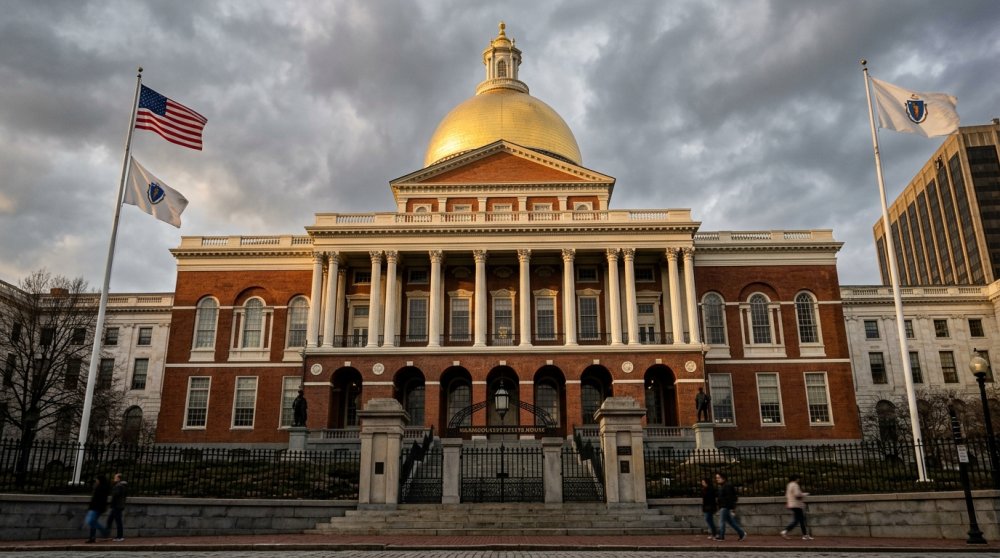
In a remarkable display of conscience, nine Democratic lawmakers in Massachusetts recently stood against their own party’s abortion expansion bill. When politicians who typically support abortion rights draw a line, Americans of faith should take notice of what made them pause.
The legislation in question sought to strip away common-sense health and safety regulations surrounding abortion procedures. These protections exist not to restrict access, but to ensure basic medical standards are maintained. Yet the bill’s proponents pushed to eliminate them entirely in the name of unrestricted abortion access.
What made these nine Democrats break ranks? The answer reveals an uncomfortable truth about how extreme the abortion lobby has become. Even lawmakers who support legal abortion recognized that removing all medical oversight crosses a dangerous threshold that puts women’s health at risk.
The dissenting lawmakers understood that supporting women means ensuring their safety, not abandoning medical standards. They recognized that health regulations serve a purpose beyond politics—they protect patients from substandard care and hold providers accountable.
This rare moment of bipartisan agreement on abortion policy demonstrates that common ground exists when the focus shifts from ideology to women’s actual wellbeing. Pro-life advocates have long argued that many abortion regulations exist to protect maternal health, not to restrict rights.
The Massachusetts debate exposed a growing divide within the Democratic Party itself. While party leadership increasingly embraces abortion-until-birth extremism, some rank-and-file members still recognize reasonable limits. This internal tension suggests the abortion-rights coalition may be fracturing under the weight of its own radicalism.
For Christians and conservatives, this development offers a strategic opportunity. When even abortion-rights supporters acknowledge certain limits, it validates the pro-life position that unlimited abortion harms women. It also creates potential for coalition-building around specific protections.
The nine Massachusetts Democrats deserve recognition for putting principle above party pressure. In today’s polarized climate, crossing party lines requires courage—especially on an issue as contentious as abortion. Their willingness to dissent demonstrates that conscience still matters in American politics.
This episode also highlights how the abortion industry’s demands have become increasingly disconnected from public opinion. Most Americans support some restrictions on abortion, particularly in later trimesters and regarding health standards. The Massachusetts bill represented the kind of extremism that alienates moderate voters.
Moving forward, pro-life advocates should build bridges with thoughtful abortion-rights supporters who recognize reasonable limits. While fundamental disagreement remains about abortion itself, agreement on basic health standards provides common ground for protecting women from dangerous practices.
The Massachusetts debate reminds us that defending life sometimes means finding unexpected allies. When Democrats acknowledge that abortion regulations can serve legitimate purposes, it advances the broader cause of recognizing unborn life’s value and protecting maternal health.
Let us know what you think, please share your thoughts in the comments below.
Faith Facts
- A coalition of South Korean Christian and civic organizations protested outside China’s embassy in Seoul, demanding an end to forced repatriation of North Korean defectors
- The groups call Beijing’s practice a violation of international law and basic human dignity
- North Korean defectors face severe persecution and punishment when forcibly returned by Chinese authorities
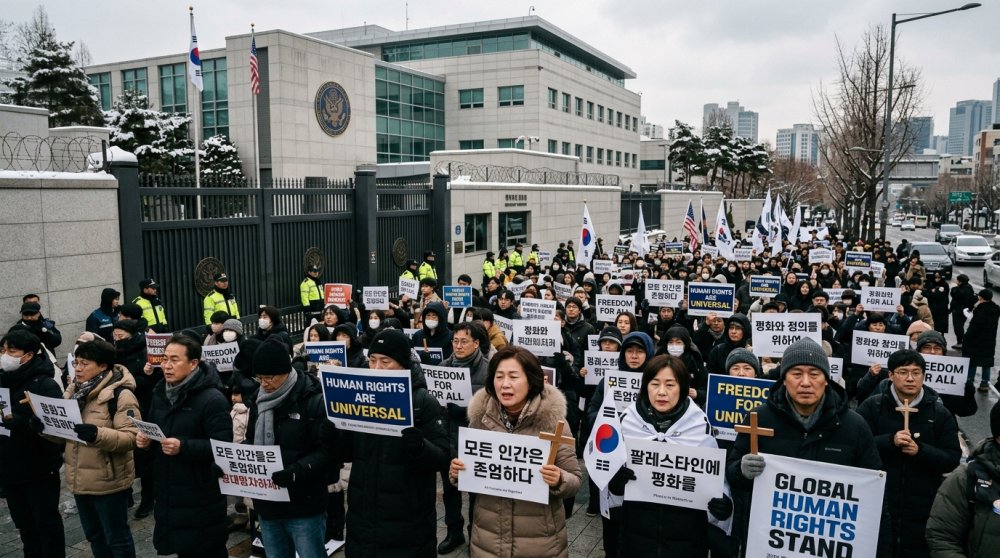
A powerful display of faith-driven advocacy unfolded in Seoul on Monday as a coalition of South Korean Christian and civic organizations gathered outside the Chinese Embassy. Their unified message was clear: Beijing must immediately stop the forced repatriation of North Korean defectors.
The demonstration highlights a growing concern among Christian communities about China’s treatment of vulnerable refugees fleeing persecution. These defectors, many of whom have risked their lives to escape the oppressive North Korean regime, face severe punishment — including imprisonment, torture, and even execution — when forcibly returned by Chinese authorities.
The coalition denounced Beijing’s practice as a blatant violation of international law and an assault on basic human dignity. For years, human rights advocates and Christian organizations have documented the dangerous journey North Korean refugees undertake, often crossing into China in search of freedom and safety.
Despite international treaties that protect refugees from being returned to countries where they face persecution, China has consistently sent North Korean defectors back across the border. This policy has drawn condemnation from faith-based groups worldwide who view it as a moral failure to protect the vulnerable.
South Korean Christians have long been at the forefront of efforts to support North Korean refugees, often providing safe houses, food, and assistance in reaching freedom. Their advocacy reflects a deep commitment to biblical principles of justice, mercy, and care for the oppressed.
The Monday protest represents not just a political statement but a moral stand rooted in Christian values. The coalition’s call for action underscores the responsibility of nations to uphold human rights and protect those fleeing tyranny.
As tensions continue between democratic nations and authoritarian regimes, the plight of North Korean defectors serves as a stark reminder of the ongoing battle for religious freedom and human dignity. The South Korean Christian community’s unwavering support for these refugees demonstrates the power of faith in action.
Let us know what you think, please share your thoughts in the comments below.

Faith Facts
- Finnish politician Päivi Räsänen banned from entering UK following conviction for expressing biblical views on marriage
- Former interior minister was scheduled to speak at Northern Ireland conference on free speech
- Christian lawmaker now appealing to British government to overturn travel restriction
A Finnish Christian lawmaker is calling on the British government to reverse a travel ban that prevents her from entering the United Kingdom. The ban follows her conviction for publicly expressing biblical teachings on marriage and sexuality.
Päivi Räsänen, a former interior minister of Finland, had been invited to speak at a conference in Northern Ireland focused on the issue of free speech. However, British authorities have barred her entry into the country based on her legal troubles in Finland, where she faced prosecution for sharing traditional Christian beliefs.
The situation highlights growing concerns among Christians about religious freedom in Western nations. Räsänen’s case has drawn international attention as a test of whether believers can publicly affirm biblical teachings without facing government sanction.
Her conviction in Finland stemmed from statements she made defending the biblical definition of marriage as between one man and one woman. The charges against her were based on comments made in various public forums, including social media posts that quoted Scripture.
The travel ban imposed by the UK government has sparked debate about the intersection of religious liberty, free speech, and immigration policy. Critics argue that preventing a democratically elected official from attending a conference on free speech creates a troubling paradox.
Räsänen’s advocacy for traditional Christian values on marriage and human sexuality reflects teachings held by countless believers worldwide. Her willingness to stand firm despite legal consequences has made her a prominent figure among those defending religious freedom in Europe.
The former minister’s case represents a broader pattern of challenges facing Christians who maintain biblical positions on controversial social issues. As secular governments increasingly regulate speech on matters of sexuality and gender, believers find themselves navigating complex legal landscapes.
By seeking to overturn the UK travel ban, Räsänen continues her fight for the right to express Christian convictions publicly. Her persistence demonstrates the determination of many believers to preserve religious liberty for future generations.
The outcome of this appeal could set an important precedent for how Western democracies balance immigration controls with respect for freedom of religion and conscience. Many are watching closely to see whether the UK will reconsider its position.
Let us know what you think, please share your thoughts in the comments below.


-

 Self-Reliance1 year ago
Trump’s Bold Move Uncovers Massive Social Security Fraud
-

 Faith1 year ago
New Clues Emerge in Noah’s Ark Mystery
-

 News1 year ago
Governor Walz’s Rhetoric Sparks National Controversy
-

 News1 year ago
Mel Gibson’s ‘The Passion of the Christ’ Sequel Title Announced
-

 Family1 year ago
Texas Lawmaker Targets Furries in Schools
-

 Freedom1 year ago
Maine Lawmaker Challenges Sports Fairness Controversy
-

 Family1 year ago
Canada’s Controversial Policy Sparks Ethical Debate
-
Faith9 months ago
Congress Hears Pleas for Nigerian Christians