
Faith
When Job Hunting Feels Impossible, Where Young Believers Find Hope


Faith Facts
- Youth unemployment has reached record levels, leaving many young adults struggling to find work despite their qualifications
- Rather than succumbing to disillusionment, Christian young people are turning to faith in God’s unchanging promises during uncertain times
- Believers are discovering that trusting God opens doors to unexpected opportunities even when the promised future seems out of reach
For countless young Americans today, the path to a stable career and financial independence feels increasingly out of reach. Despite doing everything right—earning degrees, building resumes, and sending out applications—many are facing a job market that simply isn’t delivering on the promises they were told to believe in.
Youth unemployment has climbed to unprecedented levels, creating a generation caught between preparation and opportunity. The disconnect between education and employment has left many wondering if their efforts will ever pay off.
Yet in the midst of this frustration, some young Christians are choosing a different response than despair. Rather than allowing circumstances to dictate their outlook, they’re anchoring themselves in something more reliable than economic trends or employment statistics.
The temptation to become bitter or disillusioned is real and understandable. When you’ve followed the prescribed formula—study hard, get good grades, pursue higher education—only to find the door to stability closed, it shakes your confidence. The future that was promised by teachers, guidance counselors, and society at large simply isn’t materializing for many.
But what happens when the world’s promises fail? For believers, this becomes an opportunity to test whether their faith is built on temporal circumstances or eternal truth.
Scripture reminds us that God’s character doesn’t fluctuate with economic cycles. His faithfulness isn’t dependent on employment rates, and His provision doesn’t rely on human systems functioning perfectly. While worldly institutions may crumble or fail to deliver, God remains steadfast.
This doesn’t mean ignoring the very real challenges of unemployment or pretending financial stress doesn’t exist. Rather, it means choosing to view those challenges through the lens of faith rather than fear. It means believing that God can work through closed doors just as powerfully as He works through open ones.
The unexpected benefit of uncertainty is that it forces us to depend on God rather than on our own carefully laid plans. When the conventional path forward is blocked, we become more open to the unconventional opportunities God may be placing before us. Sometimes what looks like a detour is actually a divine redirection.
Young believers facing unemployment are discovering that this season, though difficult, can be formative. It’s teaching them resilience, humility, and the difference between worldly security and spiritual security. These aren’t lessons that come easily, but they’re invaluable for a life of faith.
Rather than measuring success by society’s standards—the prestige of a job title or the size of a paycheck—this generation has the opportunity to redefine success through biblical values: faithfulness, character, service, and trust in God’s timing.
The path forward may not look like what was expected, but for those who trust in the Lord, it can lead somewhere better than they imagined. God has a history of taking people through wilderness seasons before bringing them into their purpose. Joseph endured slavery and imprisonment before becoming second-in-command of Egypt. David was anointed as king but spent years fleeing for his life before taking the throne.
For young Americans struggling to find work today, the call is to remain faithful in the waiting. Keep pursuing opportunities, but don’t let rejection define your worth. Keep developing your gifts, but recognize that your value comes from being made in God’s image, not from what you produce. Keep trusting that the God who created you has a plan for your life that no economic downturn can thwart.
This generation wasn’t promised an easy road, but they have access to the same God who has sustained His people through every trial in history. That’s a foundation worth building on, and a hope that won’t disappoint.
Let us know what you think, please share your thoughts in the comments below.

Faith Facts
- Matthew West releases new album titled ‘Jesus Is King’
- Album emphasizes surrender, vulnerability, and Scripture after nearly 30 years in Christian music
- West challenges the culture of self-empowerment with a message of Christ-centered living
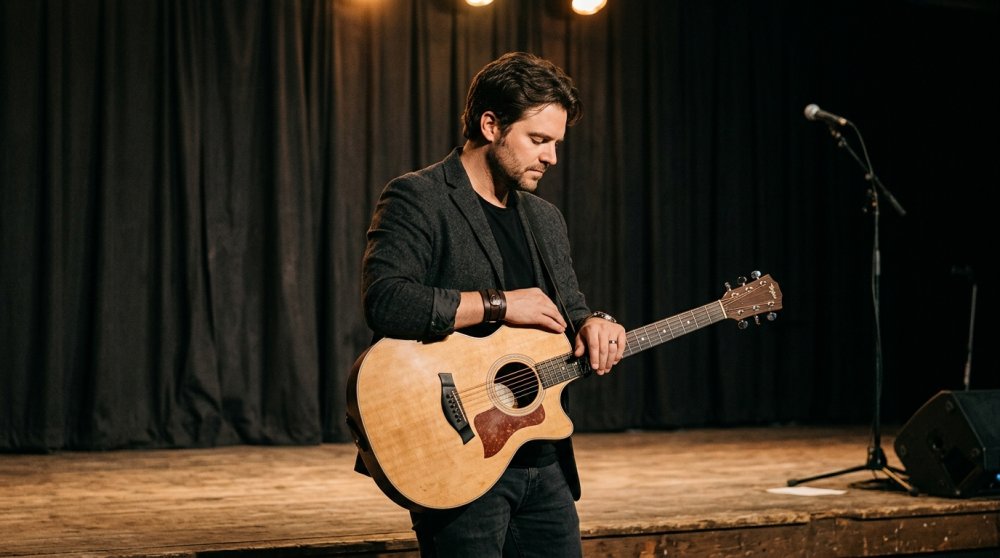
Christian music artist Matthew West is calling believers to place Jesus above self in his latest album, ‘Jesus Is King.’ The project comes after nearly three decades of ministry and reflects a deeper commitment to Scripture and surrender.
West says the album confronts a culture obsessed with self-empowerment by lifting up the lordship of Christ instead. He believes true strength comes from laying down personal control and trusting God’s Word.
"The message of this album is that Jesus is King, and that changes everything."
Through honest lyrics and personal testimony, West hopes listeners will rediscover the power of vulnerability before God. He points to Scripture as the foundation for every song and every season of life.
"After nearly 30 years in Christian music, I am more convinced than ever that surrender is the doorway to real freedom."
Let us know what you think, please share your thoughts in the comments below.
Faith Facts
- Jordan Shipley called on the Lord during a life-threatening accident that left over 20% of his body with third-degree burns.
- More than eight months later, the former NFL wide receiver described his recovery as a miracle.
- Shipley publicly credits his faith in God for sustaining him through the ordeal.
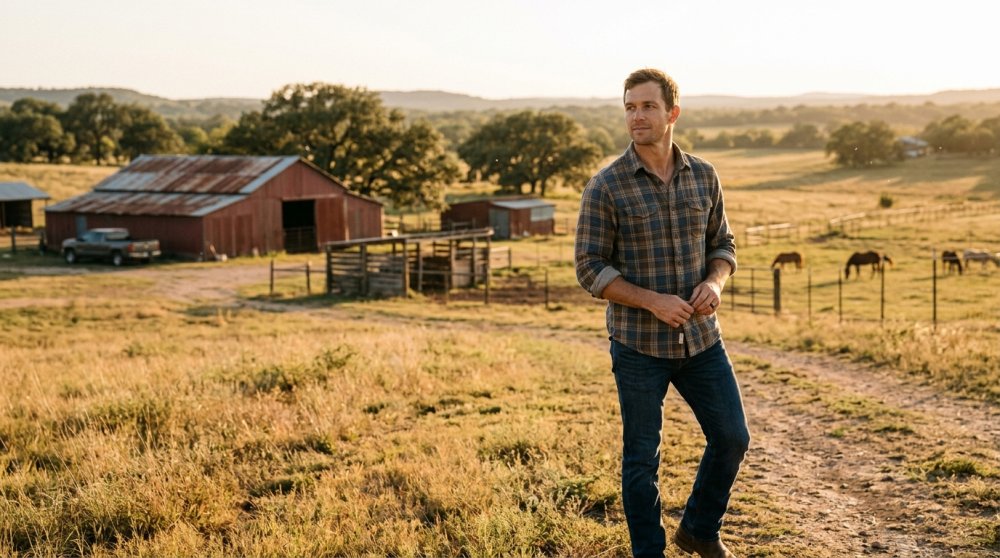
Former NFL wide receiver Jordan Shipley is sharing a powerful testimony of survival and faith. More than eight months ago, Shipley endured a devastating accident on his Texas ranch that left him with third-degree burns across more than 20 percent of his body.
In the midst of the crisis, Shipley says he turned to God with desperate prayers for help. He now describes his recovery as nothing short of miraculous.
“I desperately called on the Lord for help during the life-threatening ordeal and experienced a ‘miracle.'”
Let us know what you think, please share your thoughts in the comments below.
Faith Facts
- Dr Michael Tang relocated from London to Yorkshire to serve rural believers after observing urban church trends.
- Smaller rural churches often rely on older faithful members who continue to uphold traditional worship and community.
- The focus on headline-grabbing urban growth can overlook the steady witness of countryside congregations.
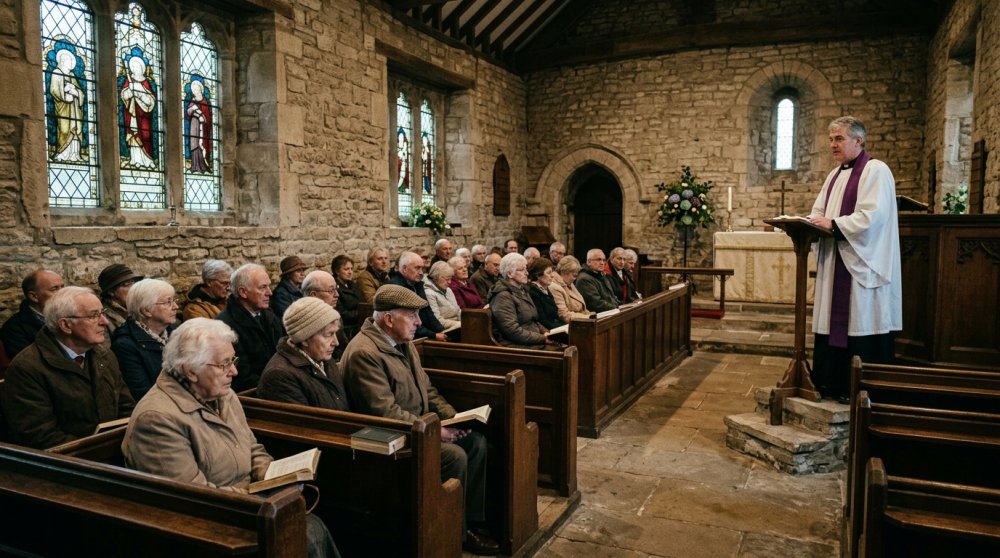
Big city churches full of young people are great, says Dr Michael Tang. But what about smaller rural ones, with their faithful older congregations?
After moving from London to Yorkshire, he’s learning to listen to the wisdom of age, not just the headline-grabbing reports of church growth.
“Big city churches full of young people are great, says Dr Michael Tang. But what about smaller rural ones, with their faithful older congregations?”
“After moving from London to Yorkshire, he’s learning to listen to the wisdom of age, not just the headline-grabbing reports of church growth.”
Let us know what you think, please share your thoughts in the comments below.


-

 Self-Reliance1 year ago
Trump’s Bold Move Uncovers Massive Social Security Fraud
-

 Faith1 year ago
New Clues Emerge in Noah’s Ark Mystery
-

 News2 years ago
Governor Walz’s Rhetoric Sparks National Controversy
-

 News1 year ago
Mel Gibson’s ‘The Passion of the Christ’ Sequel Title Announced
-

 Family2 years ago
Texas Lawmaker Targets Furries in Schools
-

 Freedom2 years ago
Maine Lawmaker Challenges Sports Fairness Controversy
-

 Family1 year ago
Canada’s Controversial Policy Sparks Ethical Debate
-
Faith10 months ago
Congress Hears Pleas for Nigerian Christians