
Faith
What Cancer Revealed About Divine Purpose That Nothing Else Could


Faith Facts
- Cancer diagnosis became a divine classroom, teaching profound lessons about God’s sovereignty and control over life’s circumstances
- Serious illness reveals the limitations of human control and the depth of trust required in God’s perfect plan
- Faith communities continue to discover that suffering can strengthen rather than weaken relationship with Christ
When faced with a life-threatening diagnosis, believers often discover truths about God’s character that years of comfortable faith never revealed. The journey through cancer treatment strips away illusions of control and forces a confrontation with eternal questions that many prefer to leave theoretical.
God’s sovereignty takes on new meaning when medical reports replace daily routines and treatment schedules override personal plans. The predictability we crave from our Creator often dissolves in hospital corridors, revealing instead a divine wisdom that transcends human understanding.
Cancer does not discriminate between the faithful and faithless, yet for those who walk with Christ, the disease becomes an unexpected teacher. The sovereignty of God—His complete authority and control over all circumstances—moves from theological concept to lived reality when faced with mortality.
Many Christians spend years studying Scripture, attending services, and building their faith on solid ground. But nothing compares to the education that comes through suffering. The Book of Job reminds us that God’s ways are higher than our ways, and His thoughts higher than our thoughts.
In the Christian walk, we often seek predictability from God—a formula that guarantees certain outcomes if we follow specific steps. Cancer shatters that misconception. It forces believers to acknowledge that divine sovereignty means God’s plans may not align with our preferences, yet remain perfectly good.
The American church sometimes promotes a prosperity theology that promises health and wealth to the faithful. Cancer exposes this as false teaching. True biblical faith acknowledges that God permits suffering for purposes we may never fully understand in this lifetime.
Through the valleys of chemotherapy, radiation, and uncertain prognoses, believers discover that God’s sovereignty is not about giving us what we want when we want it. Instead, it’s about trusting that He works all things together for good for those who love Him and are called according to His purpose.
Traditional Christian teaching has always affirmed that God uses trials to refine faith, much as fire refines gold. This ancient wisdom finds fresh validation in modern cancer wards where believers cling to eternal promises while facing temporal uncertainties.
The sovereignty revealed through serious illness teaches that God’s control extends beyond comfortable circumstances. He remains Lord in hospital rooms, during difficult treatments, and through outcomes that may not match our prayers. This reality either strengthens genuine faith or exposes faith that was merely transactional.
For those who emerge from cancer—whether healed or still fighting—the experience often reshapes their entire understanding of divine providence. They join the ranks of biblical saints who learned through hardship that God’s faithfulness does not depend on circumstance but remains constant through every storm.
The lessons cancer teaches about sovereignty challenge modern Christianity’s tendency toward shallow optimism. They call believers back to a robust faith that trusts God even when understanding fails, that worships even in pain, and that acknowledges His lordship regardless of outcomes.
Let us know what you think, please share your thoughts in the comments below.

Faith Facts
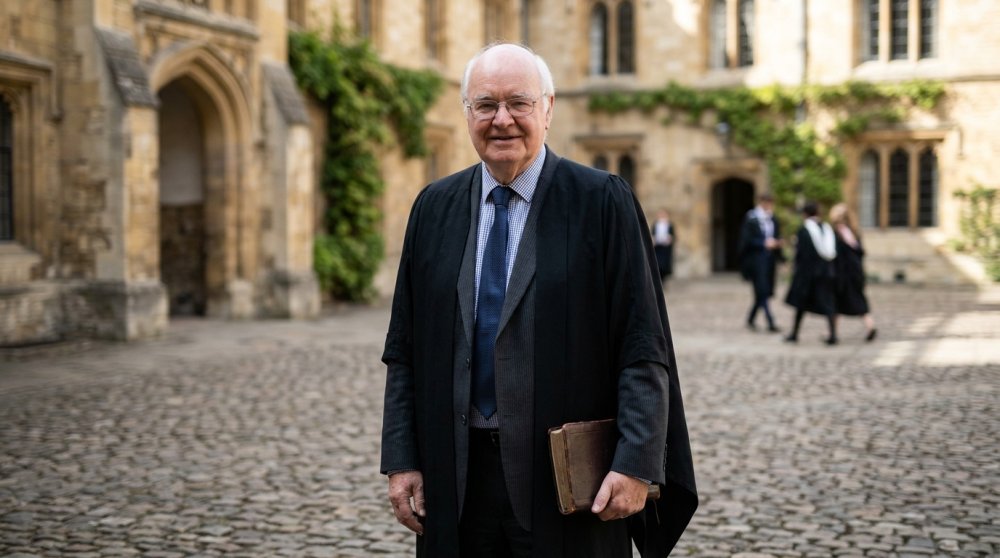
- Oxford mathematician and Christian apologist Professor John Lennox encourages believers to share their faith with confidence.
- Lennox stresses that evangelism is not reserved only for preachers, theologians, or those with extensive biblical knowledge.
- Every Christian is called to be a witness for Christ in daily life.
Oxford mathematician and Christian apologist Professor John Lennox is urging believers everywhere to share their faith with greater boldness and confidence. He reminds Christians that the call to witness is not limited to pastors or scholars but belongs to every follower of Christ.
“We’re all called to be witnesses,” Lennox declares. This simple truth challenges the idea that only trained experts can effectively share the gospel.
Professor Lennox emphasizes that evangelism is not about having every theological answer or delivering polished sermons. Instead, it is about living out and speaking the truth of Christ wherever God places His people.
His words come as a timely encouragement to Christians who may feel hesitant or unqualified to speak about their faith. Lennox points to the biblical calling that every believer is a witness, empowered by the Holy Spirit to share the hope within them.
Let us know what you think, please share your thoughts in the comments below.
Faith Facts
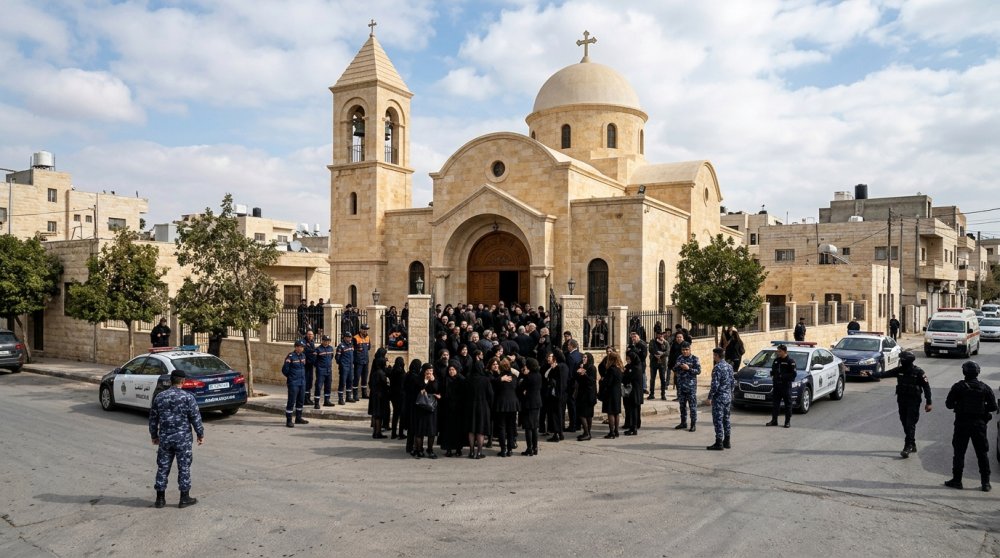
- At least seven Christians were killed in a targeted attack on a Greek Orthodox funeral service in Jordan.
- The assault occurred at a church known for peaceful worship and interfaith coexistence in the region.
- The attack highlights the ongoing threat of Islamic extremism to Christian communities worldwide.
In a rare attack in a country known for peaceful inter-faith coexistence, suspected Islamic extremists attacked a funeral at a Greek Orthodox church in Jordan on Friday (Oct. 23), shooting at least seven people to death and wounding 28 others, according to reports.
The violence interrupted a sacred time of mourning and remembrance, striking at the heart of a Christian community gathered in faith.
Let us know what you think, please share your thoughts in the comments below.
Faith Facts
- God examines the heart rather than outward gestures during worship.
- Scripture teaches that authentic faith is shown through obedience and love, not visible enthusiasm.
- Believers are called to honor every sincere heart that worships in spirit and truth.
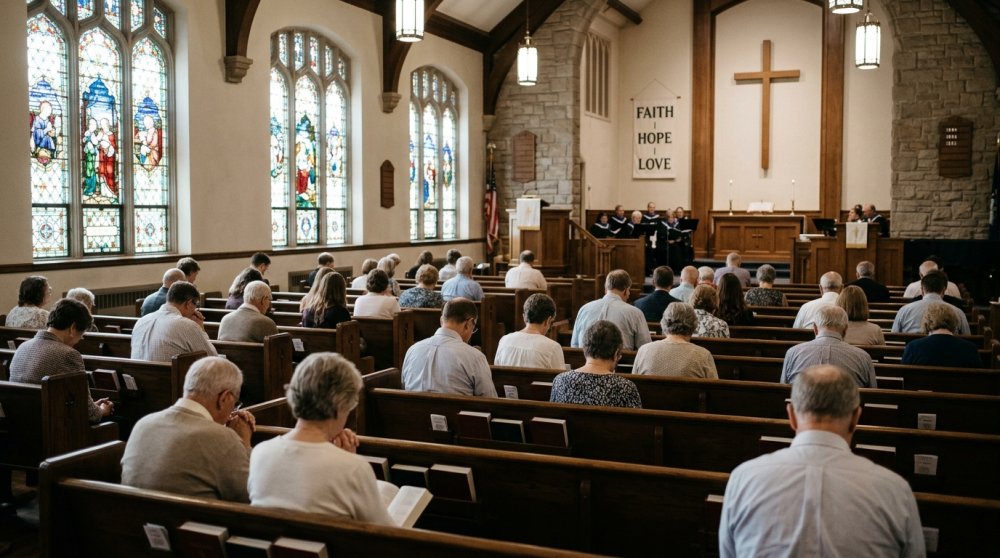
Too often, outward expressions of enthusiasm are mistaken for spiritual maturity. But God looks at the heart, not whether we’re standing, sitting or raising our hands, says Dawn Butler.
“God looks at the heart, not whether we’re standing, sitting or raising our hands,”
Churches across America have seen a growing emphasis on physical expressions during worship. This trend can unintentionally pressure believers who prefer quieter reverence. The result is that some faithful Christians feel judged for their personal style of worship.
“Too often, outward expressions of enthusiasm are mistaken for spiritual maturity.”
True worship flows from a surrendered heart that seeks to honor God in every area of life. Scripture consistently points to inward devotion rather than external performance. When congregations focus on visible actions, they risk overlooking the quiet strength of those who serve faithfully in the background.
Christian liberty allows room for both raised hands and bowed heads. The key is whether each believer approaches the Lord with reverence and sincerity. Families benefit when churches encourage unity over uniformity in worship practices.
“God looks at the heart, not whether we’re standing, sitting or raising our hands.”
Let us know what you think, please share your thoughts in the comments below.


-

 Self-Reliance2 years ago
Trump’s Bold Move Uncovers Massive Social Security Fraud
-

 Faith2 years ago
New Clues Emerge in Noah’s Ark Mystery
-

 News2 years ago
Governor Walz’s Rhetoric Sparks National Controversy
-

 News2 years ago
Mel Gibson’s ‘The Passion of the Christ’ Sequel Title Announced
-

 Family2 years ago
Texas Lawmaker Targets Furries in Schools
-

 Freedom2 years ago
Maine Lawmaker Challenges Sports Fairness Controversy
-

 Family1 year ago
Canada’s Controversial Policy Sparks Ethical Debate
-
Faith11 months ago
Congress Hears Pleas for Nigerian Christians