
Faith
Veteran Pastor Reveals the Challenge Every Growing Church Must Face

Faith Facts
- Pastor John Piper shares decades of insight on maintaining pastoral accessibility as churches expand
- The longtime minister acknowledges he hasn’t perfected the balance between growth and personal connection
- Christian leaders face mounting pressure to remain shepherds while managing expanding congregations
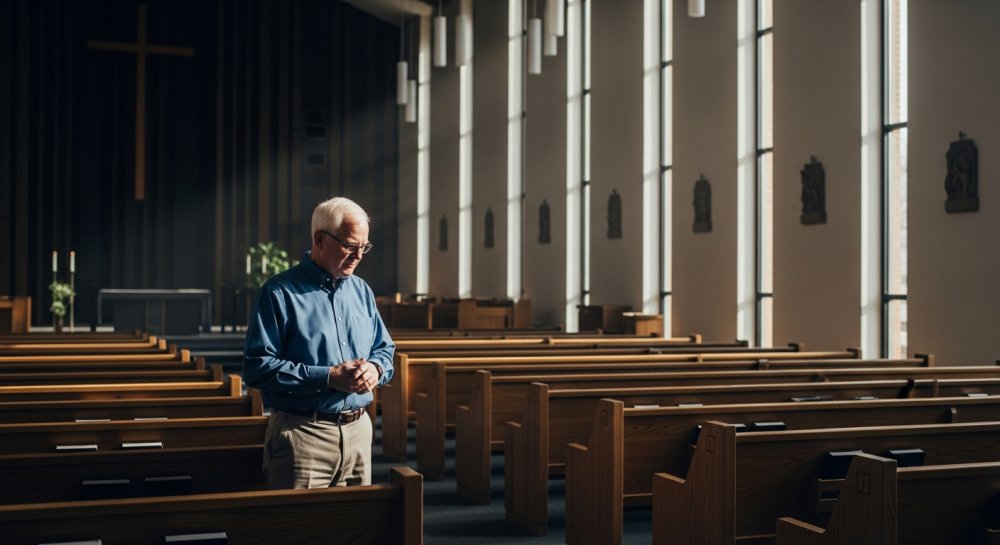
As churches grow and flourish across America, pastors face a profound dilemma that tests the very heart of their calling. How does a shepherd remain close to his flock when the pasture keeps expanding?
Veteran pastor John Piper has wrestled with this question throughout his decades of ministry. His candid admission speaks to a challenge facing faithful pastors nationwide: maintaining genuine connection with congregants even as God blesses their churches with growth.
The issue strikes at the core of biblical shepherding. Scripture calls pastors to know their sheep by name, to care for individuals, and to maintain personal relationships within the body of Christ. Yet as churches reach more souls and expand their impact, that personal touch becomes increasingly difficult to sustain.
Piper’s honest reflection reveals the humility required of Christian leadership. Despite his years of experience and faithful service, he acknowledges this remains an imperfect balance. His transparency offers encouragement to pastors across the country who grapple with the same tension.
The challenge highlights a beautiful problem: churches filled with believers hungry for God’s Word and fellowship. Growth signals spiritual health and effective ministry. Yet it demands wisdom to preserve the intimate, caring relationships that characterize the early church described in Acts.
Many pastors find themselves pulled between administrative demands, public teaching responsibilities, and the personal shepherding that initially drew them to ministry. The solution requires intentional systems, trusted fellow elders, and creative approaches to maintaining genuine connection.
Small group ministries, mentorship programs, and equipping other leaders to share shepherding responsibilities represent biblical models for addressing this growth challenge. The New Testament church multiplied leaders to care for expanding numbers of believers, distributing the burden of pastoral care.
Piper’s ongoing struggle with this balance demonstrates that faithful ministry isn’t about perfection but persistence. It’s about continually seeking God’s wisdom to shepherd His people well, regardless of flock size. His example encourages pastors to remain authentic about their limitations while trusting God’s provision for His church.
The discussion also reminds congregations to extend grace to their pastors. As churches grow, members must recognize the impossibility of maintaining the same level of personal access to senior leadership. Supporting pastoral teams and participating in smaller fellowship groups helps preserve community even within larger congregations.
Let us know what you think, please share your thoughts in the comments below.

Faith Facts
- Oxford mathematician and Christian apologist Professor John Lennox encourages believers to share their faith with confidence.
- Lennox stresses that evangelism is not reserved only for preachers, theologians, or those with extensive biblical knowledge.
- Every Christian is called to be a witness for Christ in daily life.
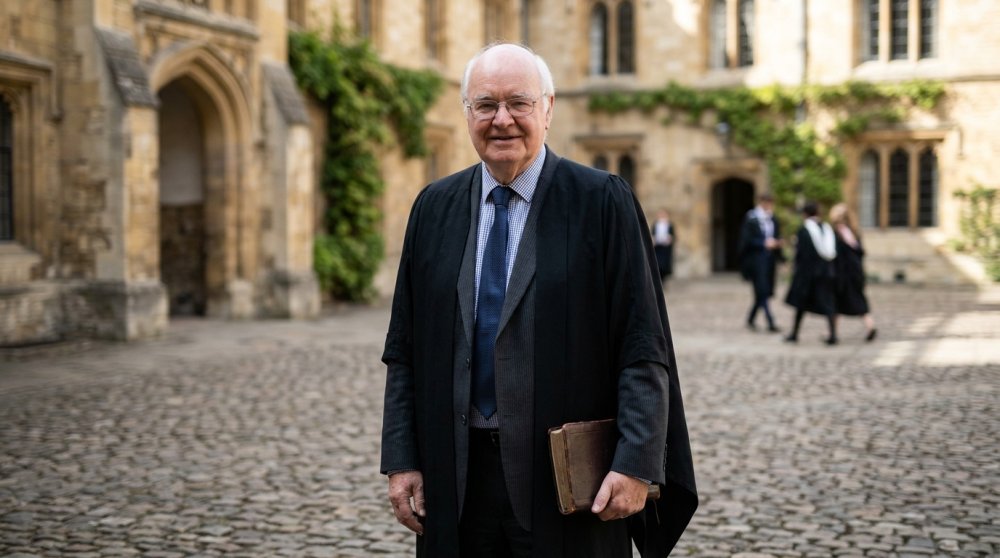
Oxford mathematician and Christian apologist Professor John Lennox is urging believers everywhere to share their faith with greater boldness and confidence. He reminds Christians that the call to witness is not limited to pastors or scholars but belongs to every follower of Christ.
“We’re all called to be witnesses,” Lennox declares. This simple truth challenges the idea that only trained experts can effectively share the gospel.
Professor Lennox emphasizes that evangelism is not about having every theological answer or delivering polished sermons. Instead, it is about living out and speaking the truth of Christ wherever God places His people.
His words come as a timely encouragement to Christians who may feel hesitant or unqualified to speak about their faith. Lennox points to the biblical calling that every believer is a witness, empowered by the Holy Spirit to share the hope within them.
Let us know what you think, please share your thoughts in the comments below.
Faith Facts
- At least seven Christians were killed in a targeted attack on a Greek Orthodox funeral service in Jordan.
- The assault occurred at a church known for peaceful worship and interfaith coexistence in the region.
- The attack highlights the ongoing threat of Islamic extremism to Christian communities worldwide.
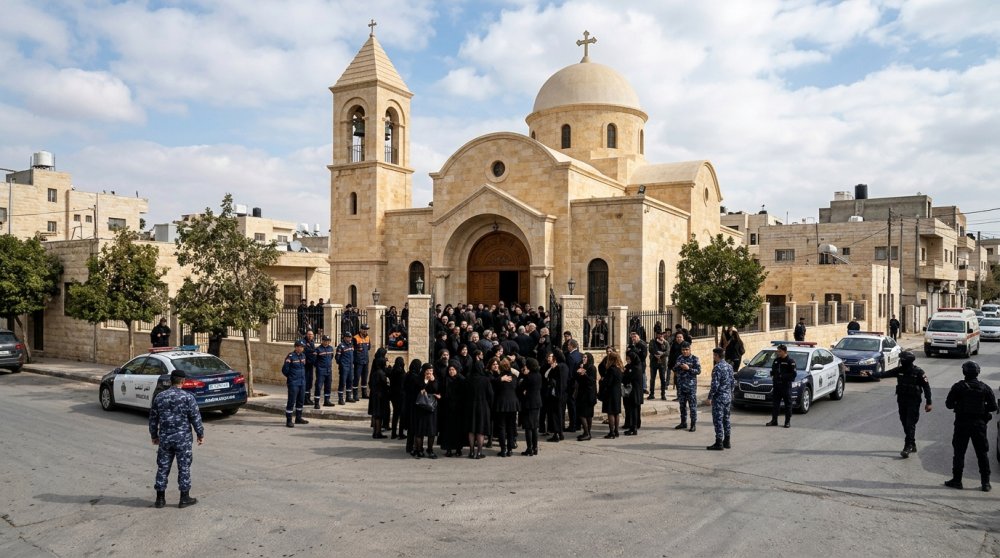
In a rare attack in a country known for peaceful inter-faith coexistence, suspected Islamic extremists attacked a funeral at a Greek Orthodox church in Jordan on Friday (Oct. 23), shooting at least seven people to death and wounding 28 others, according to reports.
The violence interrupted a sacred time of mourning and remembrance, striking at the heart of a Christian community gathered in faith.
Let us know what you think, please share your thoughts in the comments below.
Faith Facts
- God examines the heart rather than outward gestures during worship.
- Scripture teaches that authentic faith is shown through obedience and love, not visible enthusiasm.
- Believers are called to honor every sincere heart that worships in spirit and truth.
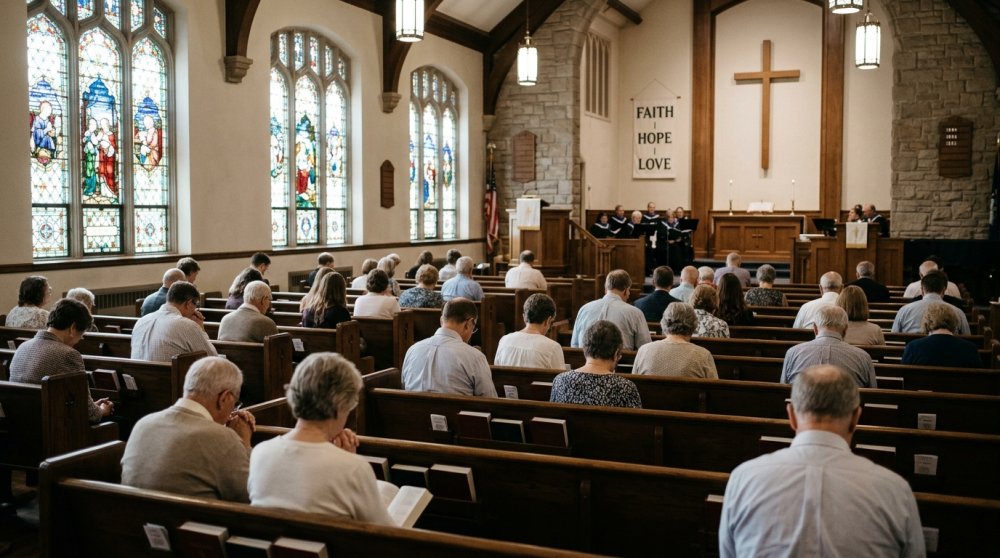
Too often, outward expressions of enthusiasm are mistaken for spiritual maturity. But God looks at the heart, not whether we’re standing, sitting or raising our hands, says Dawn Butler.
“God looks at the heart, not whether we’re standing, sitting or raising our hands,”
Churches across America have seen a growing emphasis on physical expressions during worship. This trend can unintentionally pressure believers who prefer quieter reverence. The result is that some faithful Christians feel judged for their personal style of worship.
“Too often, outward expressions of enthusiasm are mistaken for spiritual maturity.”
True worship flows from a surrendered heart that seeks to honor God in every area of life. Scripture consistently points to inward devotion rather than external performance. When congregations focus on visible actions, they risk overlooking the quiet strength of those who serve faithfully in the background.
Christian liberty allows room for both raised hands and bowed heads. The key is whether each believer approaches the Lord with reverence and sincerity. Families benefit when churches encourage unity over uniformity in worship practices.
“God looks at the heart, not whether we’re standing, sitting or raising our hands.”
Let us know what you think, please share your thoughts in the comments below.


-

 Self-Reliance2 years ago
Trump’s Bold Move Uncovers Massive Social Security Fraud
-

 Faith2 years ago
New Clues Emerge in Noah’s Ark Mystery
-

 News2 years ago
Governor Walz’s Rhetoric Sparks National Controversy
-

 News2 years ago
Mel Gibson’s ‘The Passion of the Christ’ Sequel Title Announced
-

 Family2 years ago
Texas Lawmaker Targets Furries in Schools
-

 Freedom2 years ago
Maine Lawmaker Challenges Sports Fairness Controversy
-

 Family1 year ago
Canada’s Controversial Policy Sparks Ethical Debate
-
Faith11 months ago
Congress Hears Pleas for Nigerian Christians