Connect with us

Faith

Guatemala’s Faith Leaders Stand Firm Against Marriage Redefinition Push

Published

on

Faith Facts

  • Guatemala’s evangelical leaders are united in defending the biblical definition of marriage as between one man and one woman
  • LGBTQ activists have filed a petition with Guatemala’s Constitutional Court seeking to overturn the nation’s traditional marriage law
  • The challenge represents a critical test for religious freedom and traditional values in Central America

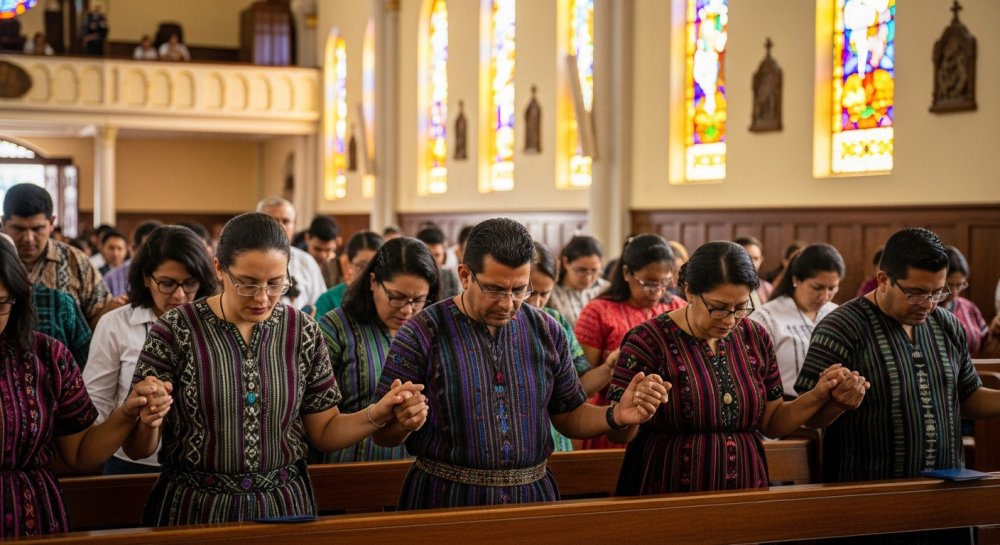
Guatemala’s Christian community is mobilizing to defend the biblical definition of marriage after activists filed a legal petition seeking to redefine this sacred institution. The challenge targets a provision in the Civil Code that upholds marriage as exclusively between one man and one woman—a definition rooted in Scripture and traditional values.

Evangelical leaders across the nation are responding with unified opposition to the attempted redefinition. They recognize this legal maneuver as part of a broader cultural assault on faith-based values that have anchored Guatemalan society for generations.

The petition, filed with Guatemala’s Constitutional Court, seeks to strike down legal protections for traditional marriage. If successful, it would force the nation to abandon its commitment to the institution of marriage as established by God and recognized throughout human history.

Guatemala’s stand for biblical marriage comes at a critical moment when nations across Latin America face similar pressure to abandon traditional values. The outcome of this legal battle will have far-reaching implications for religious freedom and the rights of people of faith to maintain their deeply held convictions.

The evangelical community in Guatemala represents a significant portion of the population and has been growing steadily. These believers understand that marriage is not merely a social construct to be redefined by activist courts, but a covenant instituted by God with a specific purpose and design.

Christian leaders emphasize that defending traditional marriage is not about discrimination, but about preserving an institution that serves as the foundation of family life and social stability. They point to the clear teaching of Scripture and the natural order as the basis for their position.

The Constitutional Court’s decision will determine whether Guatemala maintains its commitment to biblical values or succumbs to the same cultural pressures that have eroded traditional marriage protections in other nations. Faith communities are watching closely and preparing to make their voices heard.

As this legal challenge unfolds, believers across Guatemala are being called to prayer and action. They understand that what is at stake is not just a legal definition, but the very foundation of family life and the freedom to live according to Christian principles.

Let us know what you think, please share your thoughts in the comments below.

Continue Reading
Click to comment

Leave a Reply

Your email address will not be published. Required fields are marked *

Faith

Why African Christians Are Starting Their Own Churches in America

Published

on

Faith Facts

  • African migrants in America often face subtle and overt discrimination in predominantly white churches, leading them to establish their own congregations
  • Biblical theology demands that the church welcome all believers regardless of ethnic or national origin
  • Christian leaders are being called to examine how their congregations can better reflect the unity Christ commanded among His followers

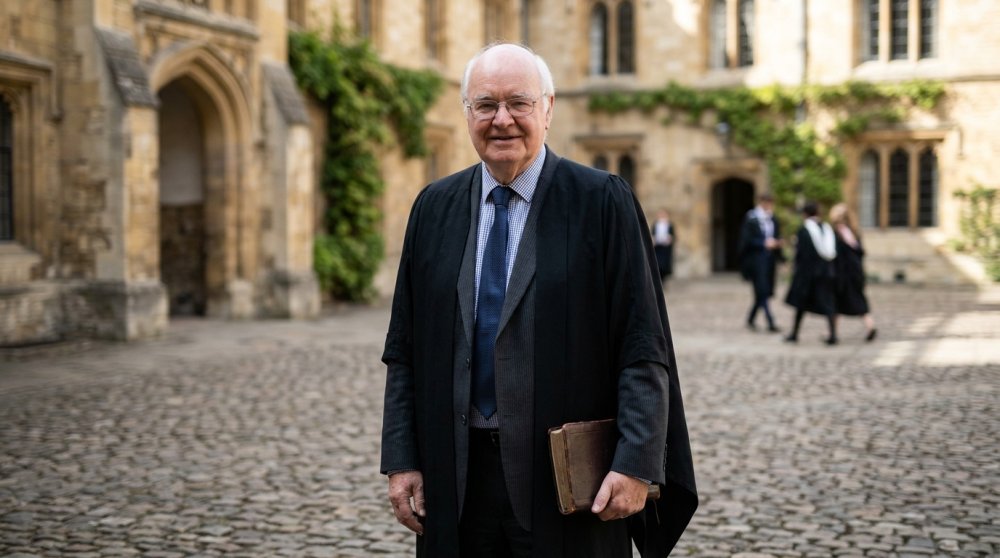
Across America, a quiet trend is reshaping the landscape of Christian worship. African believers, having come to this nation seeking opportunity and freedom, are increasingly choosing to worship apart from established American congregations. The reason? Too many have felt the sting of being treated as outsiders in the very places that should exemplify Christian brotherhood.

This isn’t every migrant’s experience, but it happens often enough to reveal a troubling pattern. When believers repeatedly sense they don’t fully belong in a church, they naturally seek fellowship where they do belong. It’s a human response to a spiritual problem that contradicts everything Scripture teaches about the Body of Christ.

Churches should be different from the broader culture. While society may struggle with questions of belonging and integration, the church has a higher calling. The Bible doesn’t merely suggest unity among believers—it demands it.

Christ Himself prayed that His followers would be one, just as He and the Father are one. The Apostle Paul declared that in Christ there is neither Jew nor Greek, slave nor free. These aren’t suggestions for a more comfortable church experience; they’re foundational truths about what it means to be the people of God.

When African Christians feel compelled to start separate congregations, it reveals that many American churches have failed to live out these biblical principles. The formation of what some call “migrant churches” is not primarily about language barriers or cultural preferences. It’s about seeking the authentic Christian fellowship that should have been available in existing congregations.

Pastors across this nation face a crucial question: Are their churches genuinely welcoming to all believers, or do subtle barriers keep certain brothers and sisters at arm’s length? These barriers might include everything from worship styles that exclude rather than include, to social dynamics that favor long-standing members over newcomers, to outright prejudice based on accent, appearance, or national origin.

The solution requires intentional leadership. Pastors who desire to mature their congregations into the full stature of Christ must actively work to break down walls of division. This means teaching biblical truth about the unity of believers, modeling genuine welcome and friendship across ethnic lines, and creating space for diverse expressions of faith within orthodox Christianity.

It also means examining church structures and practices that may unintentionally communicate “you don’t belong.” Are leadership positions accessible to qualified believers regardless of background? Does the congregation celebrate the gifts that believers from different cultures bring to the Body? Are there opportunities for genuine relationship, not just polite Sunday morning greetings?

The American church has a rich history of welcoming people from many nations. At its best, it has demonstrated that the Gospel transcends human divisions and creates a new family bound by faith in Christ. But when African believers feel they must worship separately to experience true Christian community, something has gone badly wrong.

This isn’t a call for political correctness or cultural compromise. It’s a call to biblical faithfulness. The church that Christ is building includes people from every tribe, tongue, and nation. American congregations that fail to reflect this reality are missing something essential about what it means to be the church.

For African Christians who have established their own congregations, there is both loss and gain. They gain the comfort of worship among those who share their background and understand their experience. But the broader Body of Christ loses the richness their presence and participation would bring to existing churches.

The answer isn’t to insist that migrants simply assimilate or to pretend that real differences and difficulties don’t exist. Rather, it’s to recognize that Christian unity requires work, humility, and a commitment to see every believer as a full member of God’s family. It requires American Christians to examine their own hearts for prejudice they may not realize they hold.

This is ultimately about much more than making people feel welcome, though that matters. It’s about whether American churches will be faithful to Scripture’s vision of what the church should be. A divided church, whether divided by race, ethnicity, or national origin, contradicts the Gospel it claims to proclaim.

Let us know what you think, please share your thoughts in the comments below.
Continue Reading

Faith

Veteran Pastor Reveals the Challenge Every Growing Church Must Face

Published

on

Faith Facts

  • Pastor John Piper shares decades of insight on maintaining pastoral accessibility as churches expand
  • The longtime minister acknowledges he hasn’t perfected the balance between growth and personal connection
  • Christian leaders face mounting pressure to remain shepherds while managing expanding congregations

As churches grow and flourish across America, pastors face a profound dilemma that tests the very heart of their calling. How does a shepherd remain close to his flock when the pasture keeps expanding?

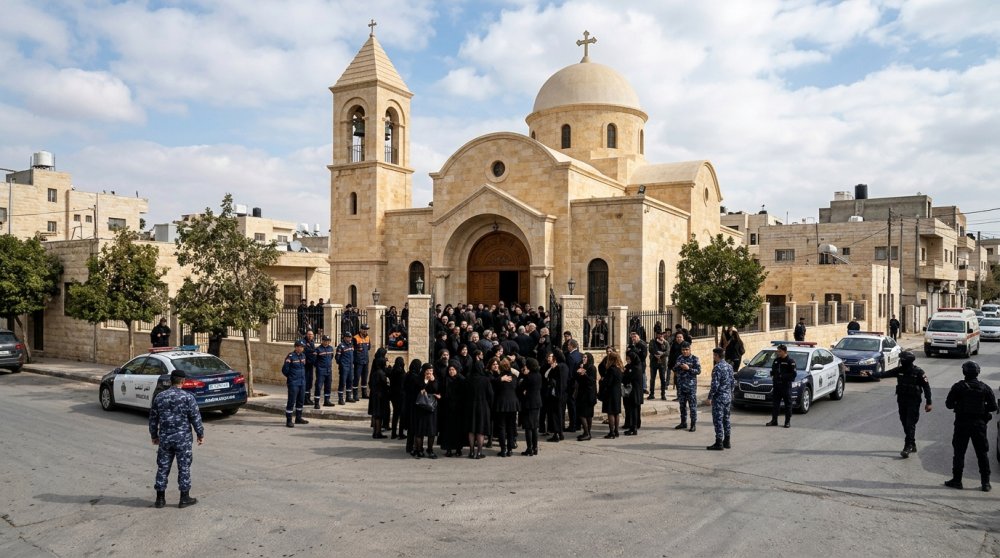
Veteran pastor John Piper has wrestled with this question throughout his decades of ministry. His candid admission speaks to a challenge facing faithful pastors nationwide: maintaining genuine connection with congregants even as God blesses their churches with growth.

The issue strikes at the core of biblical shepherding. Scripture calls pastors to know their sheep by name, to care for individuals, and to maintain personal relationships within the body of Christ. Yet as churches reach more souls and expand their impact, that personal touch becomes increasingly difficult to sustain.

Piper’s honest reflection reveals the humility required of Christian leadership. Despite his years of experience and faithful service, he acknowledges this remains an imperfect balance. His transparency offers encouragement to pastors across the country who grapple with the same tension.

The challenge highlights a beautiful problem: churches filled with believers hungry for God’s Word and fellowship. Growth signals spiritual health and effective ministry. Yet it demands wisdom to preserve the intimate, caring relationships that characterize the early church described in Acts.

Many pastors find themselves pulled between administrative demands, public teaching responsibilities, and the personal shepherding that initially drew them to ministry. The solution requires intentional systems, trusted fellow elders, and creative approaches to maintaining genuine connection.

Small group ministries, mentorship programs, and equipping other leaders to share shepherding responsibilities represent biblical models for addressing this growth challenge. The New Testament church multiplied leaders to care for expanding numbers of believers, distributing the burden of pastoral care.

Piper’s ongoing struggle with this balance demonstrates that faithful ministry isn’t about perfection but persistence. It’s about continually seeking God’s wisdom to shepherd His people well, regardless of flock size. His example encourages pastors to remain authentic about their limitations while trusting God’s provision for His church.

The discussion also reminds congregations to extend grace to their pastors. As churches grow, members must recognize the impossibility of maintaining the same level of personal access to senior leadership. Supporting pastoral teams and participating in smaller fellowship groups helps preserve community even within larger congregations.

Let us know what you think, please share your thoughts in the comments below.
Continue Reading

Faith

World’s Tallest Church Reveals Divine Blueprint After 144 Years

Published

on

Faith Facts

  • Barcelona’s Sagrada Família has become the world’s tallest church after 144 years of continuous construction
  • The iconic basilica represents a modern testament to Christian architectural devotion and the inspiration of the Holy Spirit
  • The completion marks a milestone in sacred Christian art that spans more than a century of faithful dedication

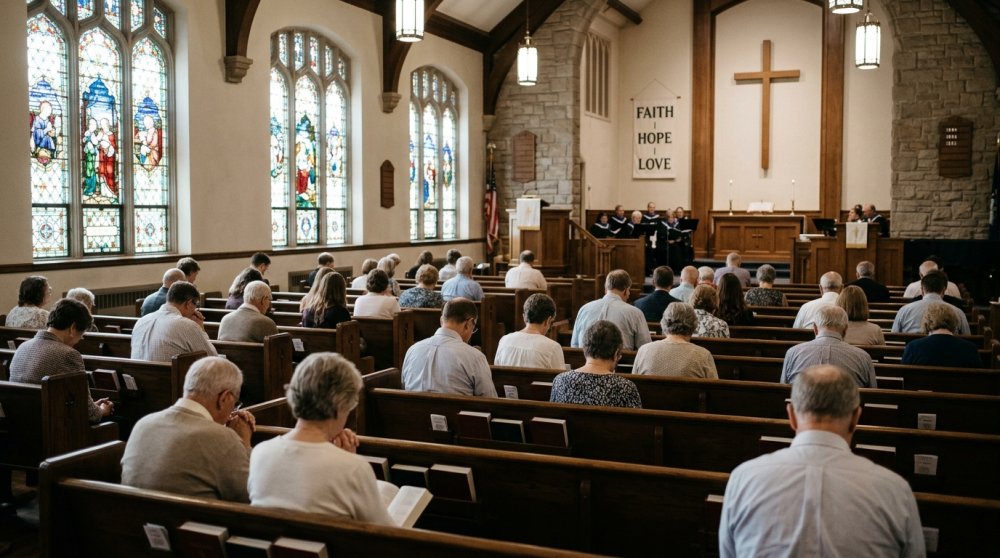
After nearly a century and a half of construction, Barcelona’s magnificent Sagrada Família has reached its full height, standing as the tallest church in the world. The completion of this architectural marvel offers Christians a powerful reminder of patience, devotion, and the timeless beauty of sacred art dedicated to glorifying God.

The basilica’s extraordinary height symbolizes more than architectural ambition. It represents generations of believers who understood that some works of faith cannot be rushed, that dedication to excellence in worship spaces honors the Creator who deserves our very best.

The Sagrada Família stands as a testament to what can be accomplished when artistic vision aligns with spiritual purpose. Its soaring spires and intricate facades tell the Gospel story in stone and glass, creating a sanctuary that lifts both eyes and hearts heavenward.

For 144 years, craftsmen, architects, and artists have labored on this sacred project, each generation adding their talents to a work that would outlive them. This multigenerational dedication reflects the biblical principle of building for eternity rather than immediate gratification, a counter-cultural witness in our age of instant results.

The church’s completion at this moment in history carries particular significance. As secular forces continue their assault on Christian heritage and values across Europe and the West, the Sagrada Família stands defiantly beautiful, declaring that faith has not been vanquished and that sacred beauty still has the power to move souls toward the divine.

The basilica’s design draws inspiration directly from Scripture and nature, recognizing both as God’s revelation to humanity. Its columns rise like trees in a stone forest, its light filters through stained glass like divine illumination, and its acoustics create an atmosphere of reverence that technology alone could never replicate.

This architectural achievement challenges contemporary Christians to consider their own commitment to excellence in worship. Too often, modern church buildings prioritize efficiency and cost over beauty and permanence, forgetting that our houses of worship should reflect the majesty of the God we serve.

The completion of the world’s tallest church also serves as an inspiration for believers facing long-term challenges. Just as the Sagrada Família required patience and persistence across generations, so too does the work of advancing God’s kingdom require steadfast commitment regardless of how long results may take.

As Christians celebrate this milestone, we are reminded that beauty, truth, and devotion to God never go out of style. The Sagrada Família will stand for centuries as a witness to faith, inspiring future generations to lift their eyes above the mundane concerns of daily life and glimpse the transcendent glory of our Creator.

Let us know what you think, please share your thoughts in the comments below.
Continue Reading

Trending