
Faith
Trump Administration Targets Campus Antisemitism Nationwide


In a bold move to uphold the values of faith, freedom, and family, a newly established task force under the leadership of President Trump is taking decisive action against the alarming rise of antisemitism on American university campuses. This initiative is a testament to the administration’s commitment to safeguarding the principles that define our great nation.
The task force is set to scrutinize ten universities, including the prestigious Columbia and Harvard, which have been identified as hotspots for antisemitic activities since October 7, 2023. These institutions may face significant federal funding cuts if found complicit in allowing “illegal protests” that threaten the safety and dignity of Jewish students. President Trump made it clear on his Truth Social platform that such behavior will not be tolerated, stating, “All Federal Funding will STOP for any College, School, or University that allows illegal protests.”
The U.S. Department of Justice has announced that the task force will engage with university officials, students, staff, and local law enforcement to assess the situation and determine if remedial actions are necessary. This comprehensive review could result in halting the $5 billion in federal grant commitments to Columbia University due to the institution’s “ongoing inaction in the face of relentless harassment of Jewish students.”
A joint statement from the U.S. Department of Health and Human Services, Department of Education, and the General Services Administration confirmed the federal government’s resolve to combat antisemitism. They are considering halting $51.4 million worth of contracts with Columbia University, highlighting the administration’s dedication to ensuring that taxpayer dollars are not used to support institutions that fail to protect their students.
Columbia University, in response, issued a statement affirming their commitment to combatting antisemitism and all forms of discrimination. They expressed their intent to work with the federal administration to ensure the safety and wellbeing of their community. However, the reality on the ground tells a different story. Anti-Israel protesters recently invaded a campus building at Barnard College, an affiliate of Columbia, causing injuries and significant damage.
Barnard College President Laura Ann Rosenbury condemned the disruption as a “calculated act of intimidation” and emphasized the need to protect the campus community from such divisive actions. This sentiment resonates with the values of individual responsibility and respect for others that are foundational to a moral society.
Linda McMahon, the new Secretary of Education, has been vocal about the need to end intimidation and hatred on campuses. She stated, “Americans have watched in horror for more than a year now, as Jewish students have been assaulted and harassed on elite university campuses.” Her leadership underscores the importance of holding institutions accountable to their responsibility to protect all students from discrimination.
This initiative by the Trump administration is a powerful reminder of the need to uphold traditional values and ensure that our educational institutions remain bastions of learning and respect. As we stand firm in our faith and commitment to freedom, we must continue to support efforts that defend the rights and dignity of every individual, fostering a society that reflects the biblical principles upon which our nation was founded.
Let us know what you think, please share your thoughts in the comments below.


Faith Facts
- Gateway Seminary, a California-based Southern Baptist Convention theology school, reported record enrollment for the fall semester.
- Leaders at the seminary say students are actively seeking deeper study of Scripture.
- The growth reflects a renewed hunger among believers for sound biblical training and Christian service.
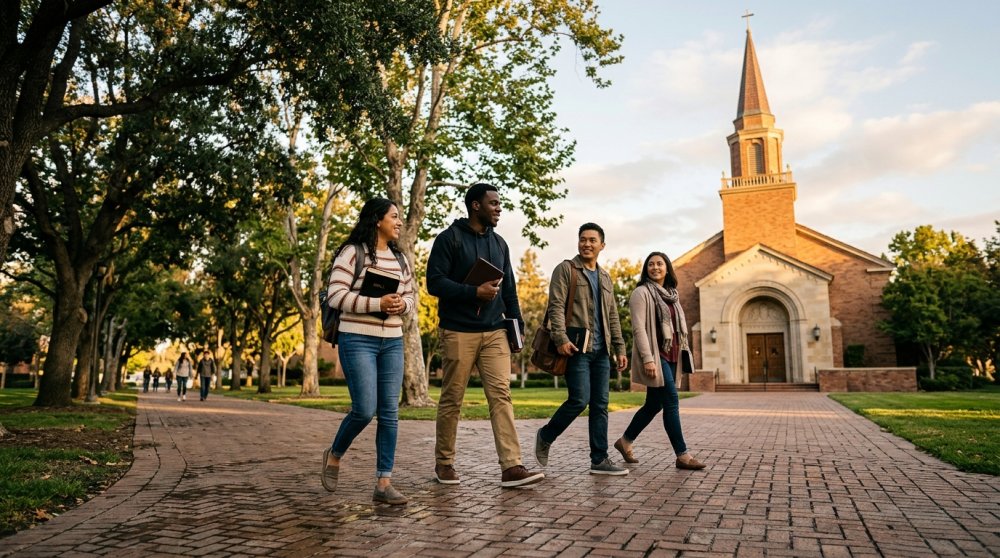
Gateway Seminary announced record enrollment numbers for its fall semester, continuing a trend of growth for the Southern Baptist-affiliated institution based in California.
The seminary’s leadership noted that students are expressing a strong desire to engage with the Bible and prepare for ministry roles across the nation.
“Students are hungry for God’s Word,” seminary officials stated.
The increase in enrollment comes at a time when many traditional seminaries are facing declining numbers, making Gateway’s growth stand out within the broader landscape of theological education.
School leaders attribute the surge to a growing interest in faithful biblical teaching and the desire among younger believers to serve local churches and communities with clarity and conviction.
Let us know what you think, please share your thoughts in the comments below.
Faith Facts
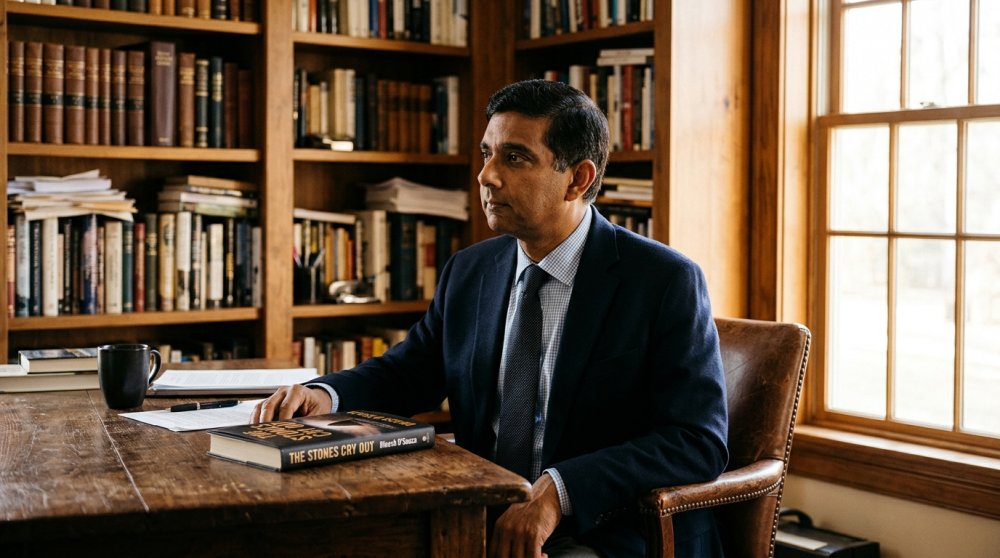
- Dinesh D’Souza has written a new book titled The Stones Cry Out examining biblical archaeology and end times prophecy.
- The author asserts that archaeological evidence supports the historical accuracy of Scripture.
- D’Souza connects these discoveries to biblical prophecies concerning the last days.
Author and filmmaker Dinesh D’Souza has joined Christian Post to discuss his latest work, The Stones Cry Out: Biblical Archaeology, Prophecy, and the Last Days.
The book examines how recent archaeological findings confirm the reliability of biblical accounts. D’Souza argues that these discoveries strengthen the case for the literal fulfillment of prophecy in our time.
“The Stones Cry Out is about how the ground itself testifies to the truth of Scripture and the nearness of the last days,”
he explained during the interview.
D’Souza highlights specific sites and artifacts that align with Scripture’s historical claims. He presents these findings as evidence that the Bible is not merely spiritual literature but a trustworthy historical record.
“When archaeology confirms what the prophets foretold, it becomes harder for skeptics to dismiss the Word of God,”
he stated.
The author also explores how current events appear to line up with prophetic patterns described in Scripture. He encourages believers to study both the physical evidence and the biblical text with renewed attention.
“God is not silent, and the stones continue to speak,”
D’Souza concluded.
Let us know what you think, please share your thoughts in the comments below.

Faith Facts
- Kori Pennypacker of Bible2School is helping Christian families understand that public school attendance does not require compromising faith in Jesus Christ.
- Pennypacker addresses widespread confusion among parents and educators about students’ constitutional religious freedom rights.
- The ministry equips children to live out their faith with confidence while attending public schools across America.
Christian parents across the nation face an increasingly difficult decision when it comes to their children’s education. Many wonder whether sending their sons and daughters to public schools will inevitably lead to the erosion of their faith. Kori Pennypacker, CEO of Bible2School, believes this false choice is robbing families of both educational opportunity and spiritual growth.
Pennypacker’s message centers on what she calls “God confidence” – the assurance that children can stand firm in their Christian beliefs even in secular environments. She argues that public schools remain one of the largest mission fields in America, filled with children who need to hear the Gospel.
“Christian parents don’t have to choose between sending their children to public school and teaching them to live openly for Jesus Christ,” Pennypacker states. She emphasizes that many families have been unnecessarily frightened away from public education due to misinformation about religious liberty protections.
The Bible2School ministry works to correct these misconceptions by training both parents and educators on students’ constitutional rights. Pennypacker notes that religious expression remains protected in public schools, including the right to pray, read Scripture, and share one’s faith with peers during appropriate times.
Through Bible2School’s programs, children learn how to articulate their beliefs with both courage and respect. The ministry provides practical tools that help young believers navigate classroom discussions, peer relationships, and school policies while maintaining their Christian witness.
Pennypacker believes that rather than retreating from public education, Christian families should prepare their children to engage the culture with truth and grace. This approach, she argues, produces stronger believers who understand how to live out their faith in any environment.
Let us know what you think, please share your thoughts in the comments below.


-

 Self-Reliance2 years ago
Trump’s Bold Move Uncovers Massive Social Security Fraud
-

 Faith2 years ago
New Clues Emerge in Noah’s Ark Mystery
-

 News2 years ago
Governor Walz’s Rhetoric Sparks National Controversy
-

 News2 years ago
Mel Gibson’s ‘The Passion of the Christ’ Sequel Title Announced
-

 Family2 years ago
Texas Lawmaker Targets Furries in Schools
-

 Freedom2 years ago
Maine Lawmaker Challenges Sports Fairness Controversy
-

 Family1 year ago
Canada’s Controversial Policy Sparks Ethical Debate
-
Faith11 months ago
Congress Hears Pleas for Nigerian Christians