
Faith
The Hidden Battle Christian Leaders Face Behind Closed Doors

Faith Facts
- Pornography temptation affects Christian leaders at rates comparable to the general population, exposing a crisis of accountability in modern church leadership
- Former Hillsong leader Brian Houston has publicly denied pornography use after content appeared on his social media channels, calling the material “vile”
- Ministry experts emphasize the need for greater transparency and accountability structures to protect both leaders and their congregations from moral failures
The American church is facing an uncomfortable truth that can no longer be ignored. While allegations swirl around former Hillsong leader Brian Houston, who has publicly denied watching pornography after questionable content appeared on his social media accounts, the broader conversation demands our immediate attention.
Houston called the content “vile” and rejected any connection to it. But regardless of the specifics of any individual case, the underlying issue cuts to the heart of spiritual warfare in our time.
Cat Etherington from Naked Truth Project has stepped forward to address what many believers whisper about but few dare to confront openly. Pornography represents a genuine temptation for Christian leaders—a reality that our faith communities must acknowledge with honesty and grace.
The statistics paint a sobering picture. Men and women who stand in pulpits, lead worship, and shepherd flocks are not immune to the pervasive digital temptations that assault American families daily. The question is not whether Christian leaders face these battles, but whether our churches have created environments where struggling leaders can find help before catastrophic failure occurs.
Traditional accountability structures in many congregations have proven insufficient for the digital age. The smartphone in every pocket represents both a tool for ministry and a potential gateway to moral compromise. Without robust systems of transparency and support, even the most committed believers can find themselves ensnared.
The Hillsong situation, whatever its ultimate resolution, serves as a wake-up call. American Christians must move beyond shame-based silence and toward redemptive honesty about sexual temptation. This doesn’t mean accepting sin or lowering biblical standards—it means acknowledging reality so we can address it effectively.
Church boards and denominational leaders bear special responsibility here. Creating cultures where leaders can confess struggles before they become scandals requires intentional effort. Anonymous accountability software, regular check-ins with trusted mentors, and clear consequences for deception all play important roles.
For congregations, this means resisting two equally dangerous extremes. We must neither excuse sin in our leaders nor adopt a spirit of judgmental suspicion that assumes the worst. The balance lies in recognizing our shared humanity while maintaining high standards for those who teach and lead.
The spiritual stakes could not be higher. Every fallen leader damages the witness of the gospel and wounds those they were called to serve. Every scandal gives ammunition to those who mock Christian faith and provides cover for predators who use ministry as camouflage.
Yet there is hope. Churches across America are pioneering new approaches to leadership accountability that combine grace with truth. Small groups where leaders can be vulnerable, professional counseling resources, and clear restoration processes all demonstrate that the body of Christ can address this crisis.
Parents and families also play a crucial role. Teaching children and teenagers about sexual purity in a pornography-saturated culture prepares the next generation of leaders to resist temptations their predecessors often faced without adequate preparation or support.
The path forward requires courage—courage to have difficult conversations, courage to implement accountability even when it feels uncomfortable, and courage to extend redemption to those who fall while maintaining consequences for their actions.
Whatever emerges from the Houston situation specifically, the church universal must seize this moment. Pornography’s grip on American culture will only tighten without intentional resistance rooted in biblical truth and practical wisdom.
Christian leaders deserve our prayers, not our naive assumption that their positions somehow insulate them from temptation. They need communities that combine high expectations with genuine support, churches that take both holiness and restoration seriously.
The conversation about pornography and Christian leadership is long overdue. May American believers rise to this challenge with the grace and truth that marked Jesus himself—calling sin what it is while offering hope to all who struggle and genuinely repent.
Let us know what you think, please share your thoughts in the comments below.

Faith Facts
- Vice President JD Vance credits his faith for guiding his political service and life decisions.
- Vance says he has not yet felt a divine call to pursue the presidency in 2028.
- He remains open to the possibility that God may lead him toward a future presidential campaign.
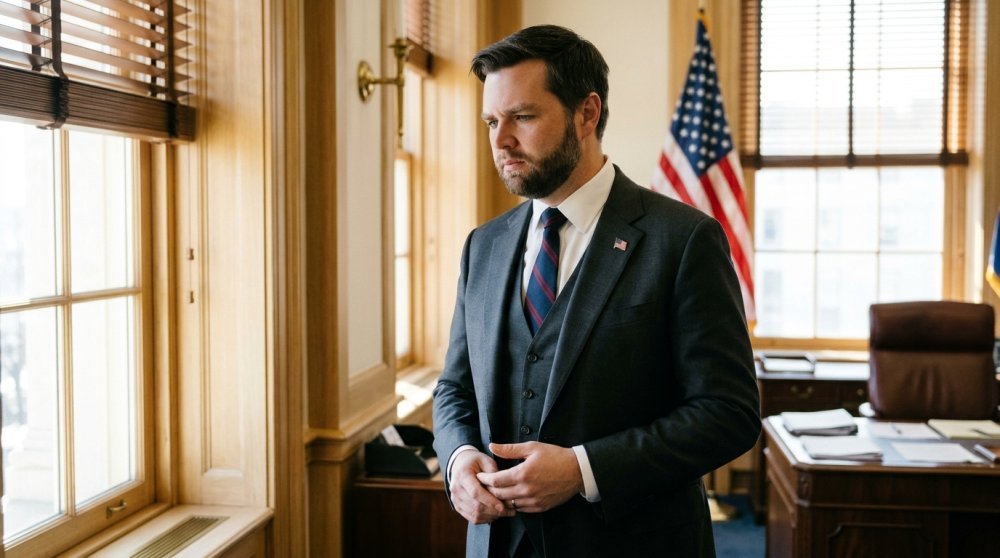
Vice President JD Vance has stated that his faith remains central to his decision-making as he weighs a potential 2028 presidential campaign. The Ohio senator-turned-vice president spoke candidly about how he continues to seek God’s direction before making major political moves.
Vance emphasized that he has not yet sensed a clear calling from God regarding a presidential run. He noted that this could change in time but stressed the importance of waiting for divine guidance.
“I haven’t yet felt God’s call for a presidential run in 2028,”
“Maybe that’ll change.”
Vance’s comments reflect a growing trend among conservative leaders who publicly acknowledge their dependence on prayer and Scripture when facing major career decisions. His approach resonates with many Americans who value leaders willing to submit their ambitions to God’s will.
The vice president also reflected on how his conversion to Christianity has shaped his worldview and public service. Vance has often spoken about the transformative power of faith in both his personal life and his political philosophy.
Let us know what you think, please share your thoughts in the comments below.
Faith Facts
- Vice President JD Vance led rally attendees in reciting the Lord’s Prayer when a woman collapsed nearby.
- The moment highlighted the continued presence of Christian faith in American public life and political gatherings.
- Vance personally left the stage to check on the woman after leading the prayer.
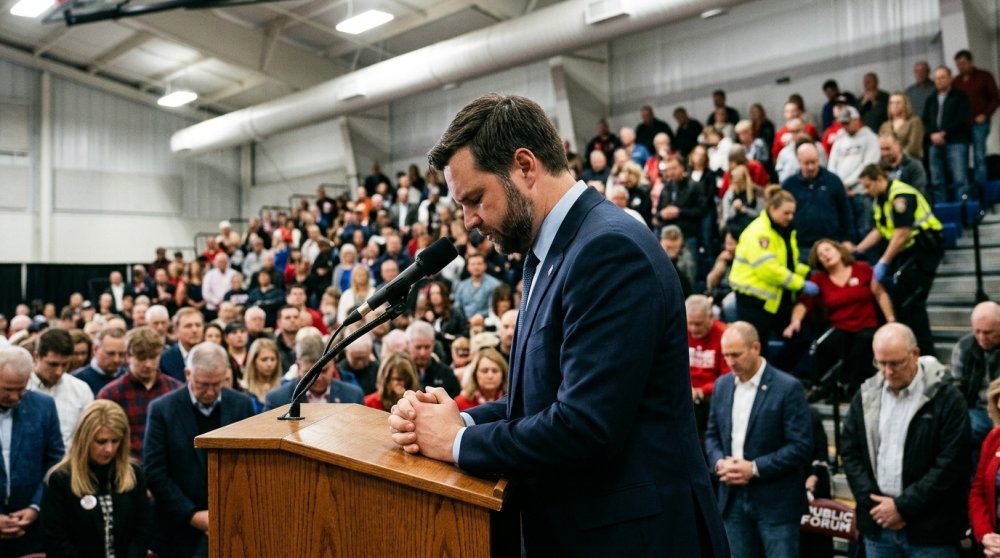
Vice President JD Vance paused a Nebraska campaign rally to lead the crowd in the Lord’s Prayer after a woman collapsed in the audience.
The incident took place during a live event where Vance addressed supporters and addressed policy issues.
“Pray as the Lord taught us to pray,” Vance said before leading the audience in the traditional prayer.
After finishing the prayer, Vance stepped down from the stage and made his way into the stands to personally check on the woman who had collapsed.
The spontaneous act of faith and compassion drew praise from attendees who witnessed the moment.
Let us know what you think, please share your thoughts in the comments below.
Faith Facts
- Oxford mathematician and Christian apologist Professor John Lennox encourages believers to share their faith with confidence.
- Lennox stresses that evangelism is not reserved only for preachers, theologians, or those with extensive biblical knowledge.
- Every Christian is called to be a witness for Christ in daily life.
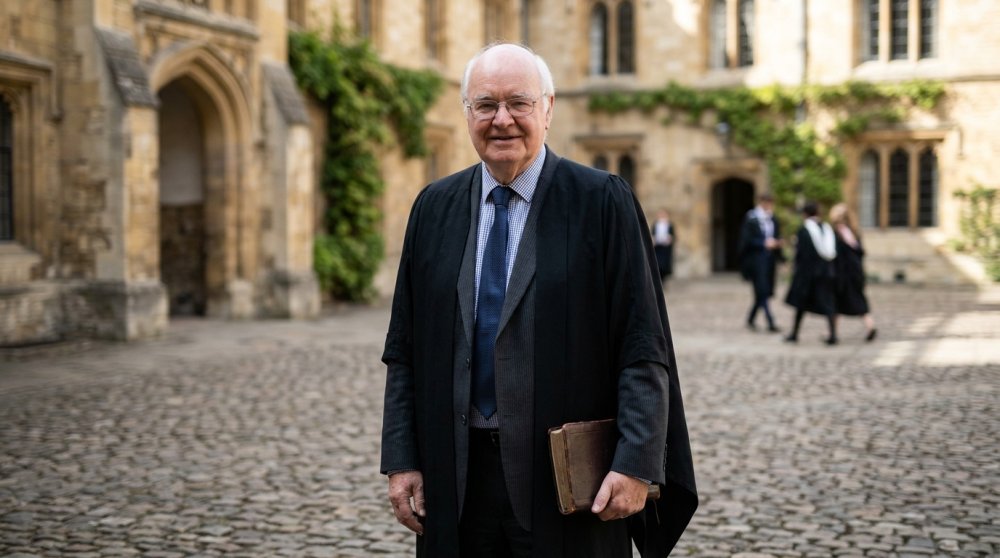
Oxford mathematician and Christian apologist Professor John Lennox is urging believers everywhere to share their faith with greater boldness and confidence. He reminds Christians that the call to witness is not limited to pastors or scholars but belongs to every follower of Christ.
“We’re all called to be witnesses,” Lennox declares. This simple truth challenges the idea that only trained experts can effectively share the gospel.
Professor Lennox emphasizes that evangelism is not about having every theological answer or delivering polished sermons. Instead, it is about living out and speaking the truth of Christ wherever God places His people.
His words come as a timely encouragement to Christians who may feel hesitant or unqualified to speak about their faith. Lennox points to the biblical calling that every believer is a witness, empowered by the Holy Spirit to share the hope within them.
Let us know what you think, please share your thoughts in the comments below.


-

 Self-Reliance2 years ago
Trump’s Bold Move Uncovers Massive Social Security Fraud
-

 Faith2 years ago
New Clues Emerge in Noah’s Ark Mystery
-

 News2 years ago
Governor Walz’s Rhetoric Sparks National Controversy
-

 News2 years ago
Mel Gibson’s ‘The Passion of the Christ’ Sequel Title Announced
-

 Family2 years ago
Texas Lawmaker Targets Furries in Schools
-

 Freedom2 years ago
Maine Lawmaker Challenges Sports Fairness Controversy
-

 Family1 year ago
Canada’s Controversial Policy Sparks Ethical Debate
-
Faith11 months ago
Congress Hears Pleas for Nigerian Christians