
Faith
Pro-life Advocates Rally in Virginia for Change

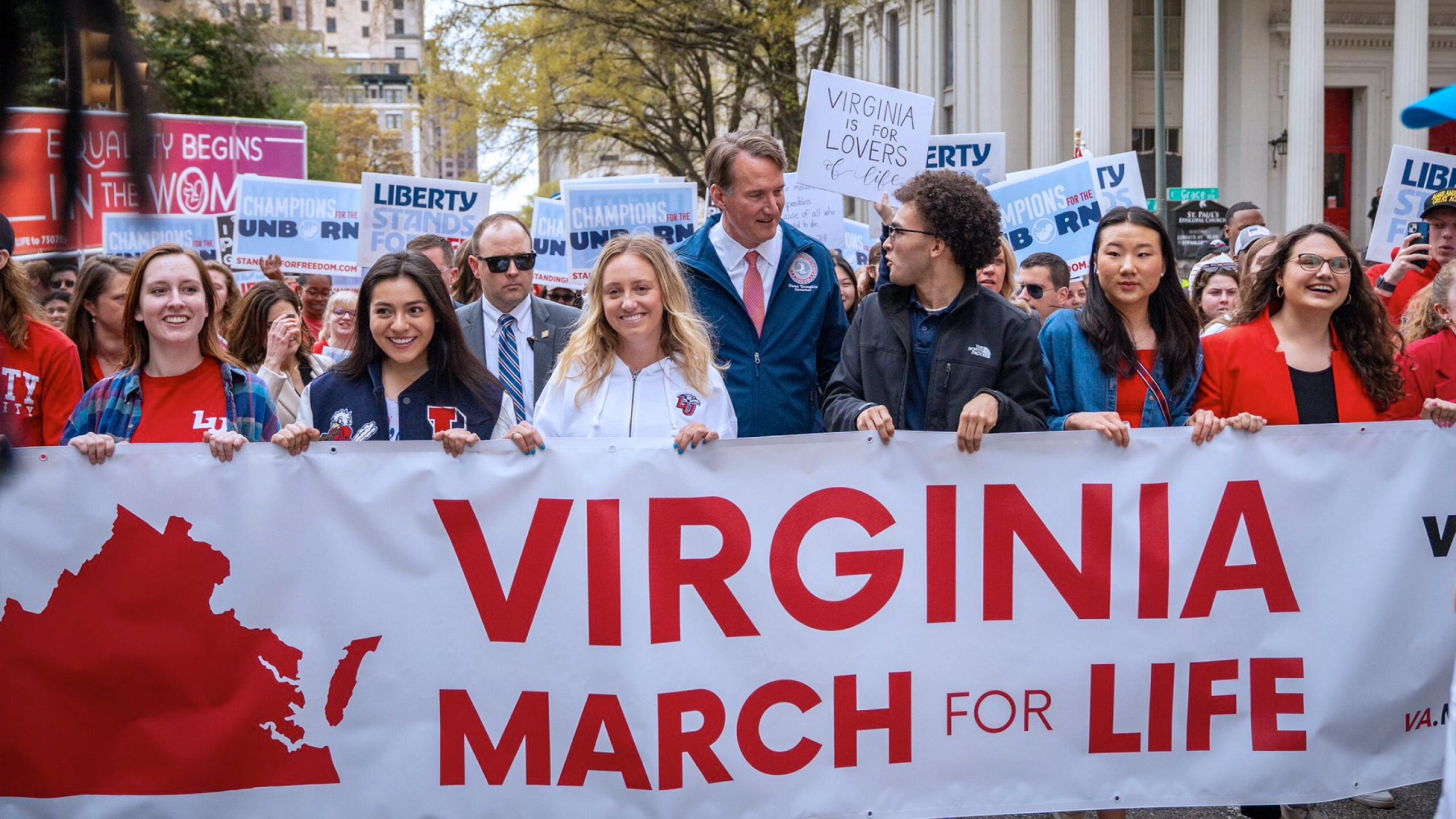
In a heartening display of unity and conviction, thousands of pro-life advocates gathered in Richmond, Virginia, for the 7th annual Virginia March for Life. This event, a testament to the enduring spirit of those who cherish the sanctity of life, saw Virginia Governor Glenn Youngkin leading the charge, embodying the values of faith, family, and freedom that resonate deeply within our nation.
Approximately 2,000 pro-life supporters participated, sending a resounding message to lawmakers against the proposed amendment to the Virginia Constitution that seeks to enshrine abortion as a fundamental right. This measure, if passed again next year, would allow for third-trimester abortions under certain conditions, a move that many see as an affront to the sanctity of life.
Governor Youngkin, a steadfast advocate for life, expressed his commitment to fostering a culture that values every life. “For the fourth year as governor, I joined many, many young people from across the Commonwealth at the #VAMarchForLife today,” he shared. “We are working every day to promote a culture of life, and to support healthy moms and babies, healthy families, and healthy communities.”
The rally was not just a gathering of like-minded individuals but a clarion call to action. Erin Getz of the National March for Life urged attendees to engage with their senators and delegates, emphasizing the power of collective voices in shaping legislative outcomes. “When we show up to witness for life we cannot be ignored,” she declared, urging continued advocacy and dialogue.
Lieutenant Governor Winsome Sears, standing alongside Governor Youngkin, echoed this resolve with a passionate plea. “We’re not going to give up, are we? No! We’re not going to quit, are we? No! Because somebody has to fight for the unborn,” she proclaimed, highlighting the moral imperative to defend the voiceless.
The presence of nearly 100 Liberty University students underscored the deep conviction that compels many to stand for life. Their participation reflects a commitment to uphold the biblical principle that life is sacred from conception. As sophomore Gerald Alan Weaver eloquently stated, “God created us in an image of himself, and it’s important that we protect that image; birth does not begin at perception, it begins at conception.”
This rally also brought attention to the pressing need for resources to support crisis pregnancy centers, a sentiment shared by attendee Kyla Jackson. “Seeing everybody here lets me know that there’s a lot of people who feel the same way I do,” she said. “And I’m just hoping that people, you know, do more than march and actually take action to help save more babies.”
While the constitutional amendment poses a significant challenge, it is not the only threat to life in Virginia. HB1716, a measure concerning access to contraception, raises concerns among pro-lifers about the potential for abortifacient drugs to be classified as contraception. Governor Youngkin’s efforts to amend this bill with a religious exemption clause were thwarted, highlighting the ongoing battle to uphold moral and religious values in legislative processes.
In these times, it is crucial for those who hold dear the principles of faith, family, and freedom to remain vigilant and engaged. The Virginia March for Life serves as a powerful reminder of the strength found in unity and the unwavering commitment to protect the most vulnerable among us. As we continue to stand for life, let us draw inspiration from this gathering and renew our dedication to fostering a society that honors the divine image in which we are all created.
Let us know what you think, please share your thoughts in the comments below.


Faith Facts
- Big Church Festival, Britain’s largest Christian music festival, was shut down on its opening day Friday after a falling sign killed one person and injured six others.
- The incident occurred near Steyning, West Sussex, prompting organizers to close the event out of compassion for the victims and their families.
- The tragedy has sent shockwaves through the Christian music community, raising questions about safety protocols at large-scale faith gatherings.
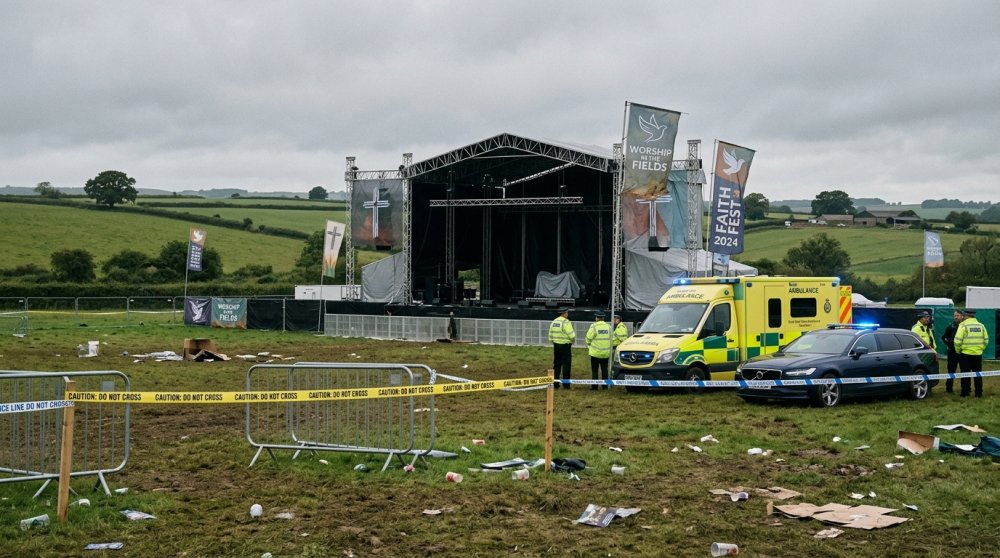
Britain’s largest Christian music festival came to an abrupt and heartbreaking halt on Friday after a tragic accident claimed one life and injured six others. The Big Church Festival, which draws thousands of believers annually for worship and fellowship, was forced to close on its opening day following the devastating incident near Steyning, West Sussex.
According to reports, a sign fell at the venue, striking multiple attendees. One person was killed, while six others sustained injuries of varying severity. The exact circumstances surrounding the sign’s collapse remain under investigation.
Festival organizers made the difficult decision to shut down the event entirely, prioritizing compassion for the victims and their families over continuing the scheduled programming. The decision reflects the Christian values that underpin the festival itself—putting people and their wellbeing above all else.
The Big Church Festival has been a cornerstone of Britain’s Christian music scene, bringing together believers from across the United Kingdom for a weekend of worship, praise, and community. The event typically features prominent Christian artists and speakers, creating an atmosphere of spiritual renewal and celebration.
This tragedy serves as a sobering reminder of the fragility of life and the importance of safety measures at large public gatherings. As the Christian community mourns this loss, prayers are being lifted for the victim’s family, those injured, and all who witnessed the traumatic event.
The incident also raises important questions about safety protocols and infrastructure inspections at faith-based events. While accidents can happen anywhere, the Christian community has a responsibility to ensure that places of gathering—whether churches, festivals, or conference centers—meet rigorous safety standards.
As details continue to emerge, the broader Christian community in Britain and beyond is rallying in prayer and support. This is a moment for the body of Christ to demonstrate the compassion and unity that define our faith, standing with those affected by this heartbreaking tragedy.
Let us know what you think, please share your thoughts in the comments below.
Faith Facts
- Maharashtra becomes the 13th Indian state to enact anti-conversion legislation targeting religious freedom
- Churches now require worshippers to sign consent forms declaring voluntary attendance to protect against persecution
- Christian communities face mounting pressure as religious liberty protections continue to erode across India
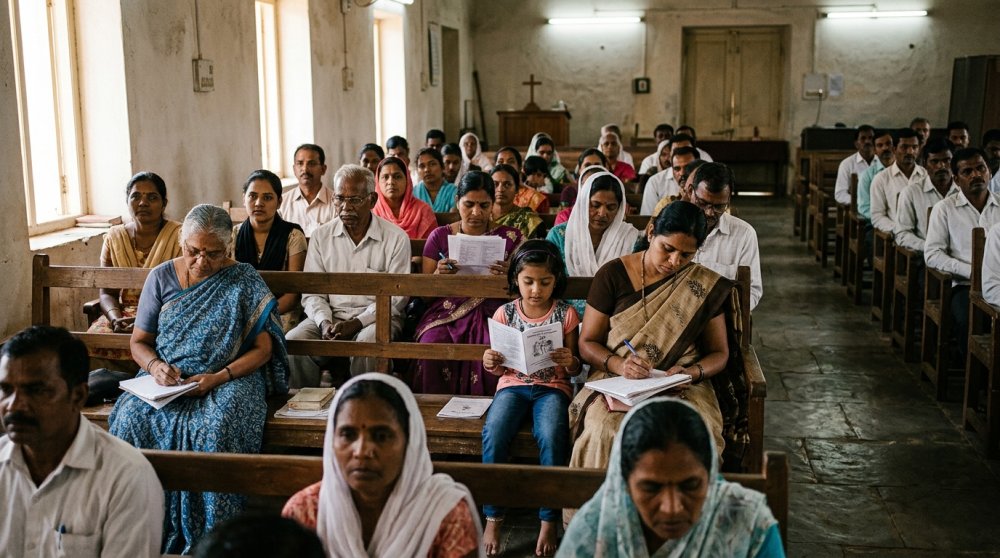
Christian congregations across India’s western state of Maharashtra are taking extraordinary measures to protect themselves as religious persecution intensifies. Believers are now being asked to sign consent forms affirming they attend church services voluntarily—a defensive measure against the state’s newly enacted anti-conversion law.
The development marks a troubling milestone as Maharashtra becomes the 13th Indian state to adopt legislation that critics say criminalizes Christian worship and evangelism under the guise of preventing forced conversions. These laws represent an escalating threat to religious liberty in the world’s largest democracy, where Christians make up approximately 2.3% of the population.
The consent forms represent a desperate attempt by church leaders to document that their members choose to worship freely. Under the new legal framework, Christian pastors and congregations face potential prosecution if authorities claim conversions occurred through force, fraud, or allurement—vague terms that can be weaponized against legitimate religious practice.
This legislative pattern across Indian states reveals a coordinated effort to restrict Christian witness and worship. The laws place the burden of proof on Christian communities to demonstrate their innocence, fundamentally reversing the presumption of innocence that should protect religious freedom.
For American Christians who value religious liberty as a foundational right, the situation in India serves as a sobering reminder of how quickly such freedoms can erode. When governments claim the authority to regulate religious belief and practice, persecution inevitably follows.
The consent forms, while intended as legal protection, also serve as documentation of the hostile environment facing Indian Christians. Each signature represents a believer who must formally declare their right to worship—a right that should require no government permission or bureaucratic approval.
Christian advocacy organizations have long warned that anti-conversion laws are tools of persecution disguised as consumer protection. The practical effect is to intimidate Christians, disrupt evangelism, and create a climate of fear around religious expression.
As more Indian states adopt these restrictive measures, the international community must recognize this pattern for what it is: systematic suppression of religious minorities. The expansion to 13 states demonstrates that this is not isolated local policy but a coordinated campaign against Christian communities.
American Christians should remain vigilant in prayer and advocacy for their persecuted brothers and sisters in India. Religious freedom is a God-given right, not a government privilege, and believers worldwide must stand together when any government attempts to suppress the free exercise of faith.
Let us know what you think, please share your thoughts in the comments below.
Faith Facts
- Muslim residents in East Java Province pressured local officials to shut down a Christian church building
- Officials cited potential “social tension” as justification for halting worship services
- The incident highlights ongoing religious freedom challenges faced by Christians in Indonesia
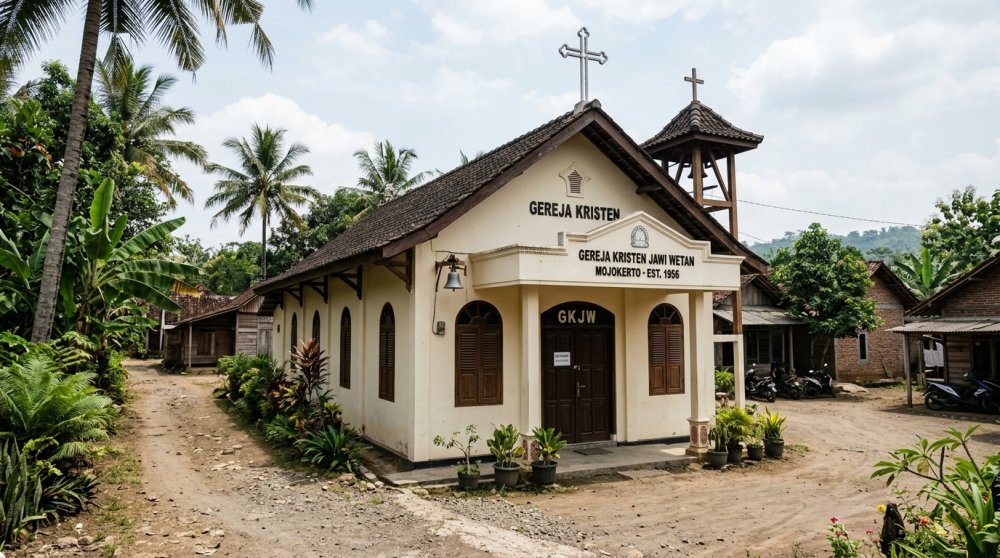
Christians in a village in East Java Province, Indonesia have been forced to stop using their own church building after Muslim residents pressured local officials to shut it down. The disturbing incident underscores the mounting challenges believers face in the world’s largest Muslim-majority nation.
According to sources familiar with the situation, Muslim villagers claimed that Christian worship services in the building could cause “social tension” in the community. Rather than protecting the religious freedom of the Christian minority, local officials capitulated to the pressure and ordered the church to cease operations.
The closure represents yet another example of how Christian communities in Indonesia face systematic barriers to practicing their faith freely. Despite constitutional protections for religious liberty, local authorities frequently side with majority Muslim populations when tensions arise over church buildings and worship activities.
Indonesia’s Christians, who make up roughly 10 percent of the nation’s population, have long struggled to obtain permits for church buildings and maintain existing places of worship. Many congregations are forced to meet in homes or rented spaces due to bureaucratic obstacles and community opposition orchestrated by Islamic groups.
Religious freedom advocates have repeatedly called attention to Indonesia’s troubling pattern of church closures and restrictions on Christian worship. The situation in East Java Province serves as a reminder of the persecution believers endure in regions where they are religious minorities.
This latest incident should concern all Americans who value religious liberty as a fundamental human right. When governments bow to pressure from religious majorities and silence minority voices, tyranny prevails over freedom.
Let us know what you think, please share your thoughts in the comments below.


-

 Self-Reliance1 year ago
Trump’s Bold Move Uncovers Massive Social Security Fraud
-

 Faith1 year ago
New Clues Emerge in Noah’s Ark Mystery
-

 News1 year ago
Governor Walz’s Rhetoric Sparks National Controversy
-

 News1 year ago
Mel Gibson’s ‘The Passion of the Christ’ Sequel Title Announced
-

 Family1 year ago
Texas Lawmaker Targets Furries in Schools
-

 Freedom1 year ago
Maine Lawmaker Challenges Sports Fairness Controversy
-

 Family1 year ago
Canada’s Controversial Policy Sparks Ethical Debate
-
Faith9 months ago
Congress Hears Pleas for Nigerian Christians