
Faith
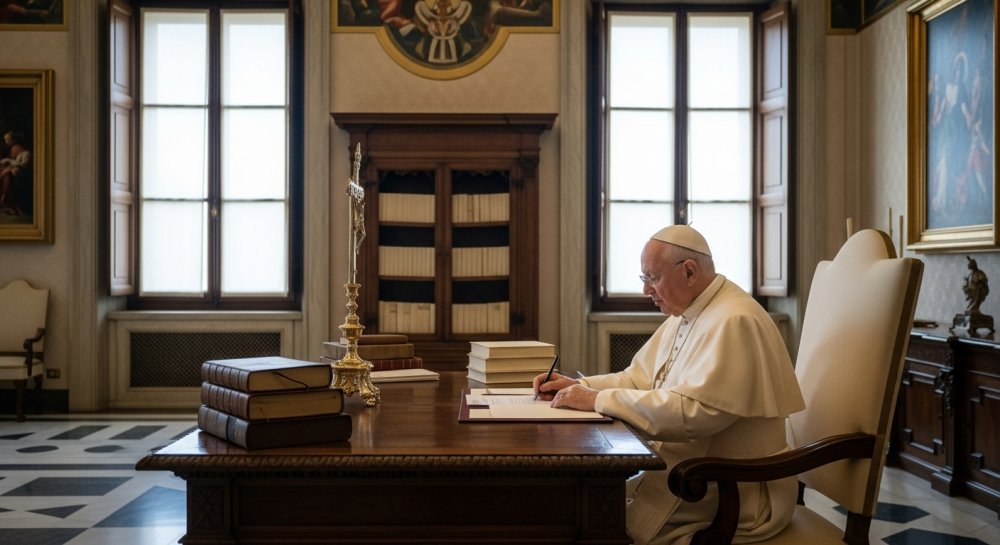
Pope Leo XIV Warns AI Cannot Replace What Only God Can Give

Faith Facts
- Pope Leo XIV released his first encyclical letter addressing the spiritual dangers of artificial intelligence replacing human relationships and dignity.
- The pontiff argues that Christianity offers a superior understanding of human existence that machines can never replicate.
- The encyclical emphasizes that authentic human connection and divine purpose cannot be substituted by technological advancement.
In his inaugural encyclical letter, Pope Leo XIV has issued a powerful warning about the spiritual and relational dangers posed by artificial intelligence. The Pope’s message comes at a critical time when technology increasingly dominates daily life and threatens to reshape fundamental aspects of human existence.
The Holy Father’s letter directly challenges the notion that AI can serve as an adequate substitute for genuine human relationships or the divine connection between God and His creation. His words serve as a timely reminder that no technological advancement, no matter how sophisticated, can replace the inherent dignity that comes from being made in the image of God.
According to the encyclical, artificial intelligence fundamentally undermines two pillars of human flourishing: authentic relationships and human dignity. These concerns reflect growing anxieties among faith communities about technology’s role in modern society and its potential to distance people from both their Creator and one another.
The Pope’s message resonates deeply with Christian conservatives who have long raised concerns about society’s increasing dependence on technology at the expense of traditional values and human connection. As families spend more time interacting with screens than with each other, and as AI systems are increasingly trusted with decisions that require wisdom and moral judgment, the Pope’s warnings take on added urgency.
Pope Leo XIV presents Christianity as offering a more complete and compelling understanding of human existence than any machine learning algorithm or artificial intelligence system could provide. This argument centers on the belief that humans possess souls, free will, and an eternal destiny—qualities that transcend mere computation and data processing.
The encyclical arrives amid rapid technological changes that are transforming society in unprecedented ways. From AI chatbots replacing human customer service representatives to algorithms making hiring decisions, the encroachment of artificial intelligence into traditionally human domains raises profound questions about the future of work, relationships, and human purpose.
For Christian Americans, the Pope’s message serves as an important call to maintain proper priorities in an increasingly digital age. While technology can serve as a useful tool, it must never become an idol that displaces God or diminishes the value of human life and relationships that He established.
The letter emphasizes that authentic human connection—rooted in love, empathy, and shared experiences—cannot be replicated by machines, no matter how advanced they become. This understanding aligns with biblical teaching that humans are created for relationship, first with God and then with one another, in ways that reflect the Triune nature of the Godhead itself.
Pope Leo XIV’s encyclical also addresses the matter of human dignity, which Christianity teaches is inherent and God-given rather than earned or assigned. This stands in stark contrast to utilitarian views that might assess human value based on productivity, capability, or usefulness—metrics that AI systems might optimize but can never truly understand.
The timing of this encyclical reflects the Church’s recognition that rapid technological advancement requires clear moral and spiritual guidance. As AI continues to develop capabilities that once seemed like science fiction, questions about the nature of consciousness, personhood, and purpose become increasingly urgent.
For believers who hold to traditional Christian values, the Pope’s message affirms what Scripture has always taught: that humans are fearfully and wonderfully made, created with purpose and dignity that no machine can possess. This truth remains constant regardless of technological progress.
The encyclical serves as a call to Christians to remain vigilant about protecting what makes us distinctly human—our capacity for love, moral reasoning, creativity, and relationship with the Divine. These qualities reflect our Creator and set us apart from even the most sophisticated artificial intelligence systems.
As American families navigate an increasingly digital world, Pope Leo XIV’s words offer important wisdom about maintaining proper boundaries with technology while preserving the relationships and values that truly matter. His message reminds us that some things—faith, family, and human dignity—must never be outsourced to machines.
Let us know what you think, please share your thoughts in the comments below.

Faith Facts
- Vice President JD Vance credits his faith for guiding his political service and life decisions.
- Vance says he has not yet felt a divine call to pursue the presidency in 2028.
- He remains open to the possibility that God may lead him toward a future presidential campaign.
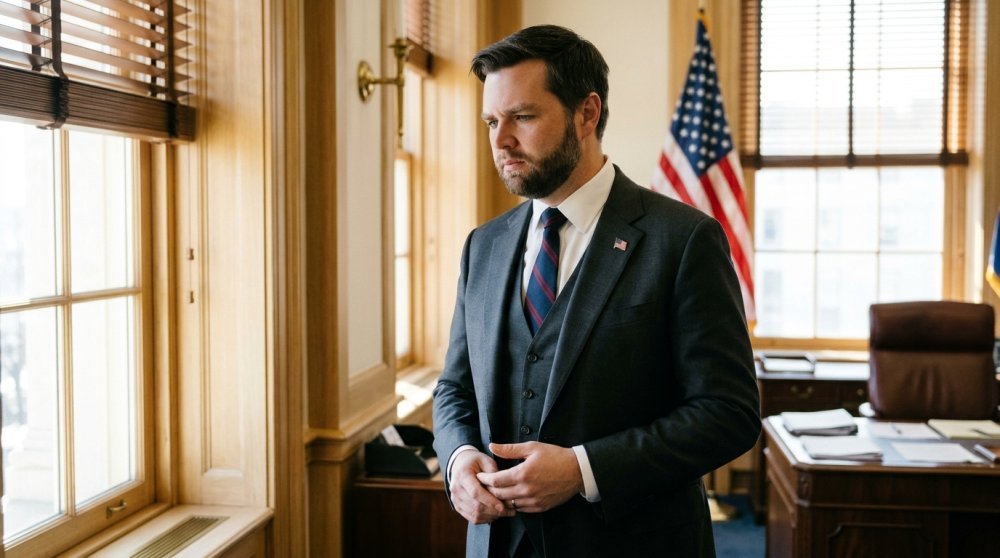
Vice President JD Vance has stated that his faith remains central to his decision-making as he weighs a potential 2028 presidential campaign. The Ohio senator-turned-vice president spoke candidly about how he continues to seek God’s direction before making major political moves.
Vance emphasized that he has not yet sensed a clear calling from God regarding a presidential run. He noted that this could change in time but stressed the importance of waiting for divine guidance.
“I haven’t yet felt God’s call for a presidential run in 2028,”
“Maybe that’ll change.”
Vance’s comments reflect a growing trend among conservative leaders who publicly acknowledge their dependence on prayer and Scripture when facing major career decisions. His approach resonates with many Americans who value leaders willing to submit their ambitions to God’s will.
The vice president also reflected on how his conversion to Christianity has shaped his worldview and public service. Vance has often spoken about the transformative power of faith in both his personal life and his political philosophy.
Let us know what you think, please share your thoughts in the comments below.
Faith Facts
- Vice President JD Vance led rally attendees in reciting the Lord’s Prayer when a woman collapsed nearby.
- The moment highlighted the continued presence of Christian faith in American public life and political gatherings.
- Vance personally left the stage to check on the woman after leading the prayer.
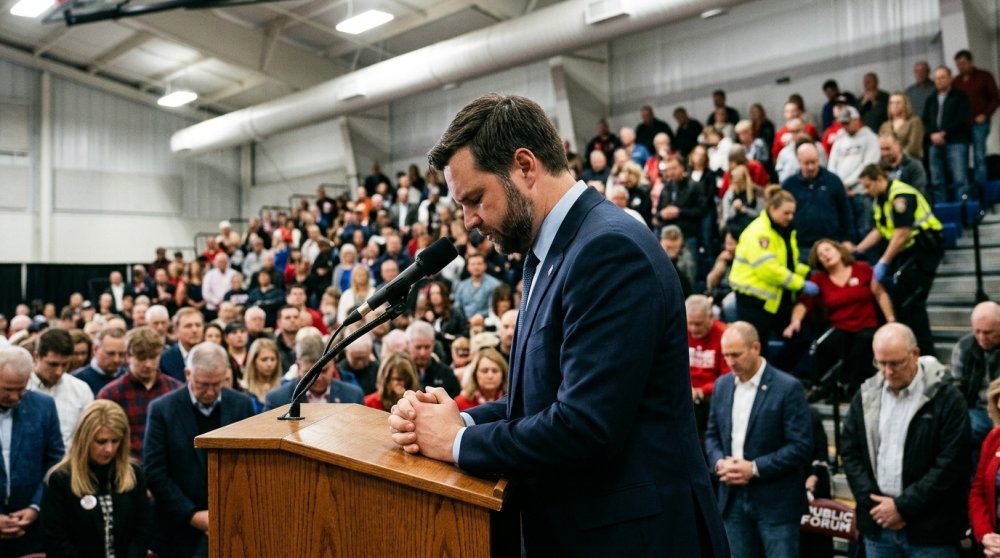
Vice President JD Vance paused a Nebraska campaign rally to lead the crowd in the Lord’s Prayer after a woman collapsed in the audience.
The incident took place during a live event where Vance addressed supporters and addressed policy issues.
“Pray as the Lord taught us to pray,” Vance said before leading the audience in the traditional prayer.
After finishing the prayer, Vance stepped down from the stage and made his way into the stands to personally check on the woman who had collapsed.
The spontaneous act of faith and compassion drew praise from attendees who witnessed the moment.
Let us know what you think, please share your thoughts in the comments below.
Faith Facts
- Oxford mathematician and Christian apologist Professor John Lennox encourages believers to share their faith with confidence.
- Lennox stresses that evangelism is not reserved only for preachers, theologians, or those with extensive biblical knowledge.
- Every Christian is called to be a witness for Christ in daily life.
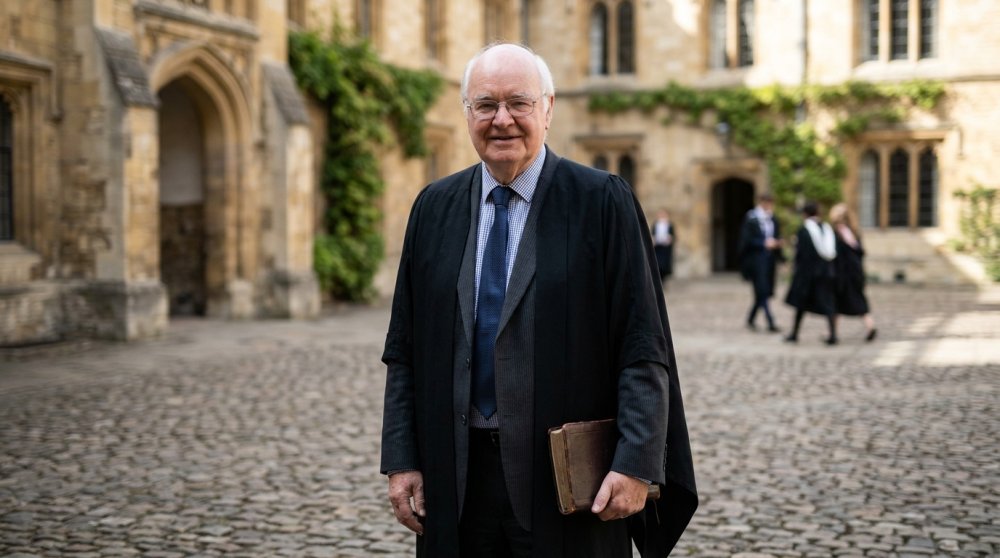
Oxford mathematician and Christian apologist Professor John Lennox is urging believers everywhere to share their faith with greater boldness and confidence. He reminds Christians that the call to witness is not limited to pastors or scholars but belongs to every follower of Christ.
“We’re all called to be witnesses,” Lennox declares. This simple truth challenges the idea that only trained experts can effectively share the gospel.
Professor Lennox emphasizes that evangelism is not about having every theological answer or delivering polished sermons. Instead, it is about living out and speaking the truth of Christ wherever God places His people.
His words come as a timely encouragement to Christians who may feel hesitant or unqualified to speak about their faith. Lennox points to the biblical calling that every believer is a witness, empowered by the Holy Spirit to share the hope within them.
Let us know what you think, please share your thoughts in the comments below.


-

 Self-Reliance2 years ago
Trump’s Bold Move Uncovers Massive Social Security Fraud
-

 Faith2 years ago
New Clues Emerge in Noah’s Ark Mystery
-

 News2 years ago
Governor Walz’s Rhetoric Sparks National Controversy
-

 News2 years ago
Mel Gibson’s ‘The Passion of the Christ’ Sequel Title Announced
-

 Family2 years ago
Texas Lawmaker Targets Furries in Schools
-

 Freedom2 years ago
Maine Lawmaker Challenges Sports Fairness Controversy
-

 Family1 year ago
Canada’s Controversial Policy Sparks Ethical Debate
-
Faith11 months ago
Congress Hears Pleas for Nigerian Christians