
Faith
Asian Christian Leaders Hear Urgent Call to Transform Their Own Churches First

Faith Facts
- The Asia Conference on Church & Mission concluded with leaders from 25 nations committing to specific disciple-making efforts in their own congregations
- Speakers emphasized that church transformation must begin with senior leaders themselves, not with programs or strategies
- Conference organizers challenged attendees to name one congregation they will personally shepherd toward authentic disciple-making in the coming year
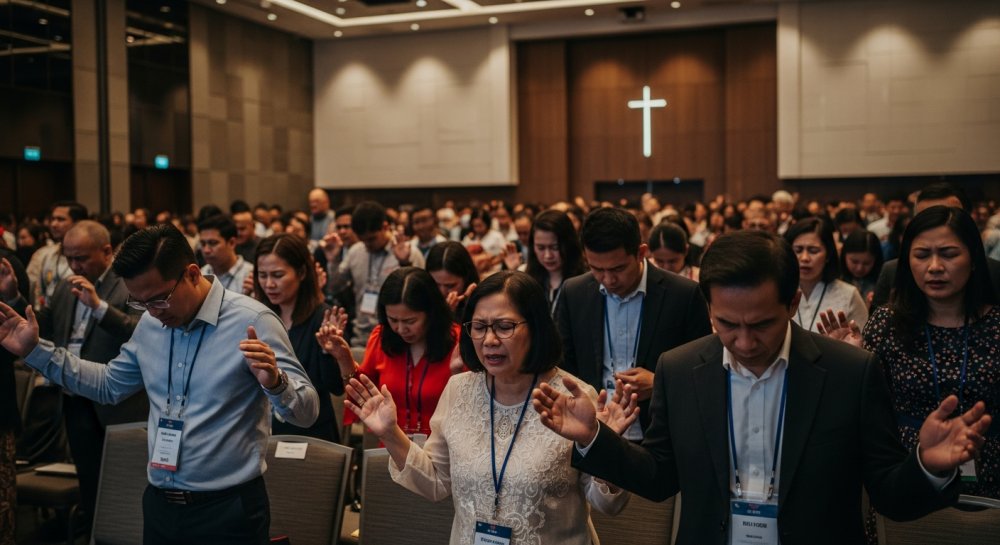
Christian leaders from across Asia gathered in Alabang, Metro Manila, for the Asia Conference on Church & Mission, which concluded Thursday evening with a powerful challenge: transformation must start from within. Delegates from 25 nations were pressed to leave not with vague good intentions, but with concrete commitments to shepherd specific congregations toward genuine disciple-making.
The conference’s closing message underscored a critical truth often overlooked in modern church growth strategies—real change begins at the top. Rather than focusing on programs, marketing, or organizational restructuring, speakers emphasized that senior leaders must first be transformed themselves before they can effectively lead their churches in making disciples.
This approach reflects a biblical pattern seen throughout Scripture, where God consistently calls leaders to personal repentance and renewal before using them to transform communities. From Moses at the burning bush to Peter’s restoration after denying Christ, the pattern is clear: God transforms leaders first, then uses them to transform others.
The emphasis on personal accountability marks a refreshing departure from conference culture that often sends attendees home inspired but unchanged. By requiring each delegate to name a specific congregation or community they will personally invest in over the next year, organizers built in concrete accountability for real-world impact.
This focus on disciple-making rather than mere church attendance or program participation aligns with Jesus’ Great Commission to “make disciples of all nations.” Too often, churches measure success by attendance numbers or budget size rather than by the spiritual maturity and missionary engagement of their members.
The gathering of leaders from 25 Asian nations also highlights the growing vitality of Christianity across the continent. While churches in Europe and North America face declining attendance and influence, Asian Christianity continues to grow rapidly, often under challenging circumstances including persecution and government restrictions.
The conference’s conclusion in Metro Manila is significant, as the Philippines remains the most Christian nation in Asia, with over 90% of its population identifying as Christian. The nation serves as a hub for missionary training and deployment throughout the region.
By challenging leaders to begin transformation within their own hearts and churches before attempting to change the broader culture, the conference embraced a model that has proven effective throughout church history. Revival movements from the First Great Awakening to the Azusa Street Revival began not with political engagement or social programs, but with leaders who first allowed God to transform their own hearts.
The call to name a specific congregation represents a practical application of the biblical principle that faith without works is dead. Rather than leaving inspired but unchanged, delegates were pressed to identify exactly where and how they will apply what they learned.
As Asian Christianity continues to grow and mature, conferences like this one play a crucial role in shaping the future direction of the global church. The emphasis on disciple-making and personal transformation suggests a healthy focus on spiritual depth rather than mere numerical growth.
The challenge issued to these 25 nations of leaders—to start from within and personally shepherd specific communities—may seem small compared to grand visions of transforming entire nations. Yet it reflects the kingdom principle Jesus taught: the mustard seed that starts small but grows into something far greater than its humble beginnings.
Let us know what you think, please share your thoughts in the comments below.

Faith Facts
- Vice President JD Vance led rally attendees in reciting the Lord’s Prayer when a woman collapsed nearby.
- The moment highlighted the continued presence of Christian faith in American public life and political gatherings.
- Vance personally left the stage to check on the woman after leading the prayer.
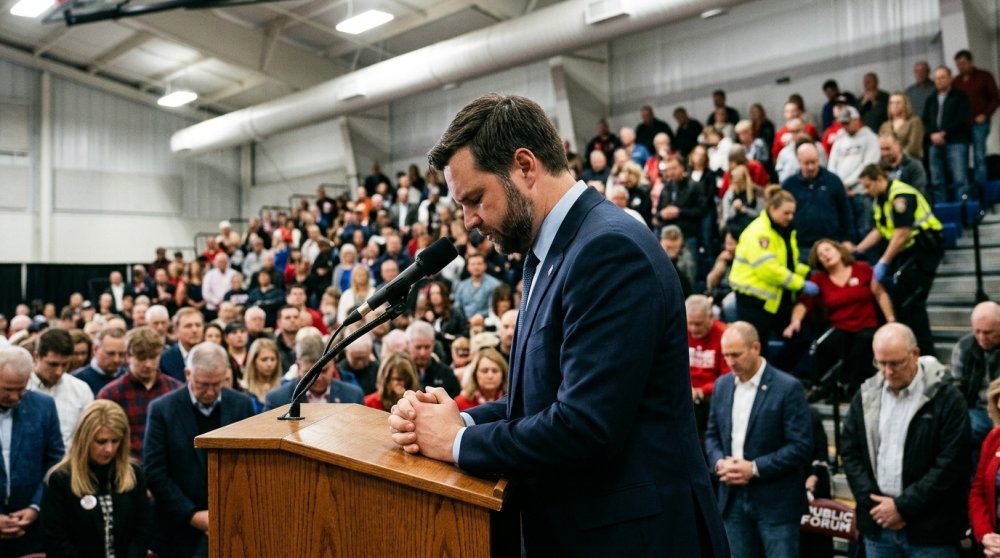
Vice President JD Vance paused a Nebraska campaign rally to lead the crowd in the Lord’s Prayer after a woman collapsed in the audience.
The incident took place during a live event where Vance addressed supporters and addressed policy issues.
“Pray as the Lord taught us to pray,” Vance said before leading the audience in the traditional prayer.
After finishing the prayer, Vance stepped down from the stage and made his way into the stands to personally check on the woman who had collapsed.
The spontaneous act of faith and compassion drew praise from attendees who witnessed the moment.
Let us know what you think, please share your thoughts in the comments below.
Faith Facts
- Oxford mathematician and Christian apologist Professor John Lennox encourages believers to share their faith with confidence.
- Lennox stresses that evangelism is not reserved only for preachers, theologians, or those with extensive biblical knowledge.
- Every Christian is called to be a witness for Christ in daily life.
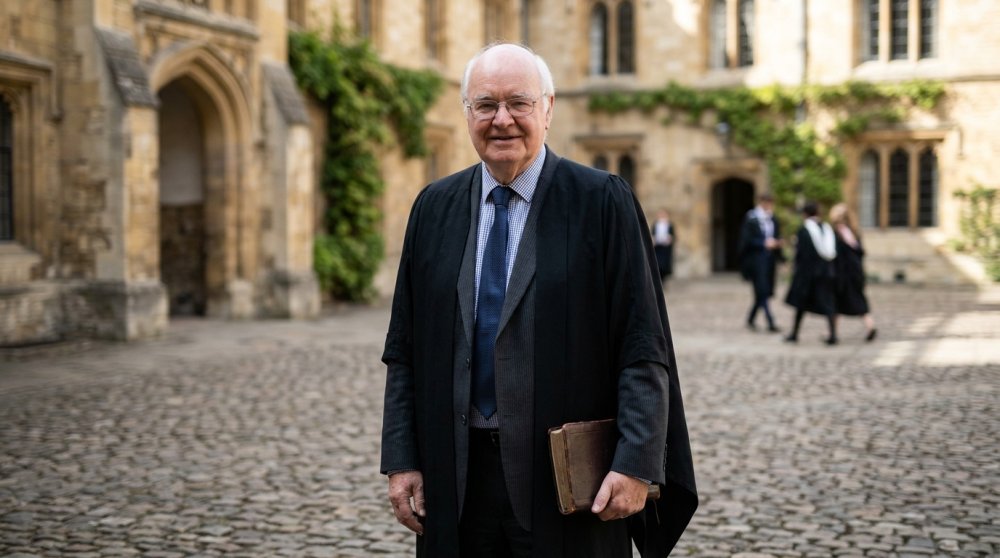
Oxford mathematician and Christian apologist Professor John Lennox is urging believers everywhere to share their faith with greater boldness and confidence. He reminds Christians that the call to witness is not limited to pastors or scholars but belongs to every follower of Christ.
“We’re all called to be witnesses,” Lennox declares. This simple truth challenges the idea that only trained experts can effectively share the gospel.
Professor Lennox emphasizes that evangelism is not about having every theological answer or delivering polished sermons. Instead, it is about living out and speaking the truth of Christ wherever God places His people.
His words come as a timely encouragement to Christians who may feel hesitant or unqualified to speak about their faith. Lennox points to the biblical calling that every believer is a witness, empowered by the Holy Spirit to share the hope within them.
Let us know what you think, please share your thoughts in the comments below.
Faith Facts
- At least seven Christians were killed in a targeted attack on a Greek Orthodox funeral service in Jordan.
- The assault occurred at a church known for peaceful worship and interfaith coexistence in the region.
- The attack highlights the ongoing threat of Islamic extremism to Christian communities worldwide.
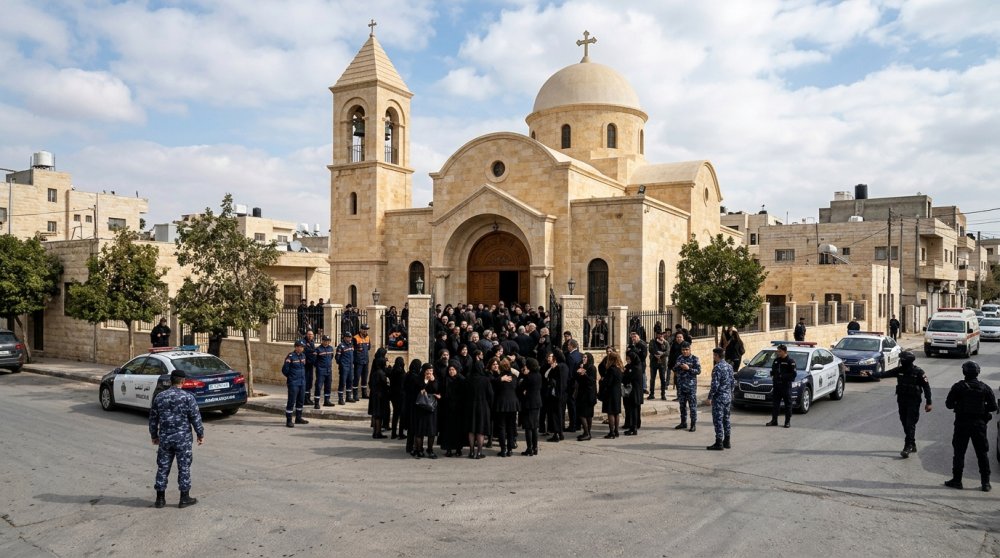
In a rare attack in a country known for peaceful inter-faith coexistence, suspected Islamic extremists attacked a funeral at a Greek Orthodox church in Jordan on Friday (Oct. 23), shooting at least seven people to death and wounding 28 others, according to reports.
The violence interrupted a sacred time of mourning and remembrance, striking at the heart of a Christian community gathered in faith.
Let us know what you think, please share your thoughts in the comments below.


-

 Self-Reliance2 years ago
Trump’s Bold Move Uncovers Massive Social Security Fraud
-

 Faith2 years ago
New Clues Emerge in Noah’s Ark Mystery
-

 News2 years ago
Governor Walz’s Rhetoric Sparks National Controversy
-

 News2 years ago
Mel Gibson’s ‘The Passion of the Christ’ Sequel Title Announced
-

 Family2 years ago
Texas Lawmaker Targets Furries in Schools
-

 Freedom2 years ago
Maine Lawmaker Challenges Sports Fairness Controversy
-

 Family1 year ago
Canada’s Controversial Policy Sparks Ethical Debate
-
Faith11 months ago
Congress Hears Pleas for Nigerian Christians