
Faith
Pompe Disease Survivor Challenges Abortion Culture: Why His Life Matters

Faith Facts
- A Pompe disease survivor speaks out against selective abortion, affirming that genetic diagnoses should not determine who deserves life
- The debate over prenatal testing and abortion highlights fundamental questions about the sanctity of human life and medical discrimination
- Christian advocates emphasize that every life has inherent worth and purpose, regardless of health challenges or disabilities
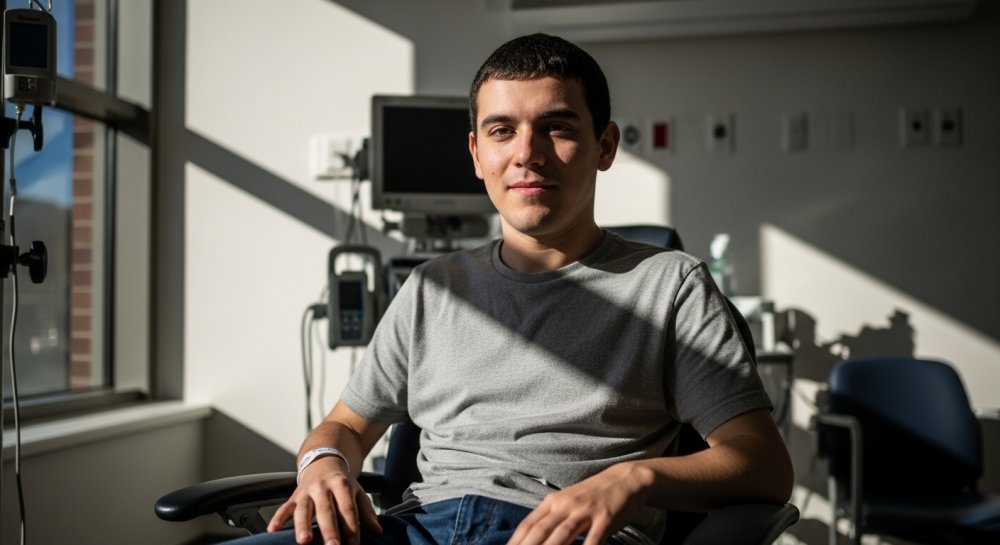
The conversation surrounding prenatal genetic testing has taken a disturbing turn in recent years, with many parents choosing abortion after receiving diagnoses of conditions like Pompe disease. But one survivor is pushing back with a powerful message: a diagnosis is not a death sentence, and health challenges should never justify ending an innocent life.
Pompe disease is a rare genetic disorder that affects muscle function and can range from mild to severe. For decades, advances in treatment have improved outcomes and quality of life for those diagnosed with the condition. Yet the availability of prenatal testing has led to a troubling trend — parents terminating pregnancies after discovering their child will face health challenges.
This survivor’s testimony cuts to the heart of a fundamental question: When did society decide that some lives are worth less than others? The selective abortion of babies with genetic conditions represents a form of discrimination that contradicts the Biblical truth that every human being is created in God’s image with inherent dignity and worth.
The pressure on expectant parents who receive difficult diagnoses is immense. Medical professionals often present abortion as the compassionate choice, framing it as preventing suffering. But this perspective ignores the countless individuals living meaningful, joyful lives despite significant health challenges. It also fails to acknowledge the grief and regret many parents experience after choosing abortion.
From a Christian worldview, the issue is clear. Scripture teaches that God knits each person together in the womb and knows them before they are born. Psalm 139 reminds us that we are “fearfully and wonderfully made” — not as accidents or burdens, but as beloved creations with divine purpose.
The rise of genetic testing technology has created new ethical dilemmas, but the answer remains rooted in timeless truth. Life is sacred from conception to natural death. Medical conditions, disabilities, or predicted quality-of-life concerns do not diminish the value of a human soul.
Survivors like this Pompe disease patient challenge the culture of death with their very existence. Their lives testify to resilience, purpose, and the capacity for joy that transcends physical limitations. They remind us that human worth is not measured by health, productivity, or convenience.
The abortion industry has long promoted the idea that terminating pregnancies is healthcare, but selective abortion based on genetic testing exposes the logical endpoint of that philosophy. If abortion is acceptable because a child will face challenges, then we are saying some lives matter less than others — a proposition that contradicts both faith and reason.
For Christian families facing prenatal diagnoses, the path forward requires courage and faith. It means trusting God’s sovereignty even in difficult circumstances, seeking support from faith communities, and embracing the child God has given them. Many parents who chose life after challenging diagnoses report that their children brought unexpected blessings and strengthened their families in profound ways.
The medical community must also reconsider how it counsels parents. Instead of presenting abortion as the default option, doctors should provide accurate information about treatment options, support resources, and the full range of possible outcomes. Many families report feeling pressured or receiving incomplete information that led them toward abortion.
This survivor’s voice matters precisely because it challenges the prevailing narrative. He represents the thousands of people who would never have been born if their parents had chosen abortion based on prenatal testing. His life has value, purpose, and meaning — not in spite of his diagnosis, but as a complete person worthy of love and dignity.
The broader cultural shift toward selective abortion reflects a utilitarian view of human life that is fundamentally incompatible with Christian teaching. We must resist the temptation to play God by deciding which lives are worth living. We must defend the vulnerable, speak for the voiceless, and uphold the sanctity of every human being.
As medical technology advances, these questions will only become more pressing. Already, testing can identify a wide range of genetic conditions in utero. Without a strong ethical framework rooted in the value of all human life, we risk sliding further into a eugenic mindset where only the “perfect” are allowed to be born.
The answer is not to reject medical advances, but to ensure they serve life rather than death. Prenatal testing can help families prepare for a child’s needs and connect with medical resources. It should never become a tool for eliminating those deemed unworthy of existence.
This Pompe disease survivor’s message is one of hope and human dignity. His life proves that challenges do not define worth, that medical conditions do not diminish humanity, and that every person has a God-given right to life. In a culture increasingly willing to discard the inconvenient or imperfect, his witness stands as a powerful reminder of what we risk losing when we choose death over life.
Let us know what you think, please share your thoughts in the comments below.

Faith Facts
- A Chicago-area church stood firm on its biblical messaging about marriage and sexuality after facing protests from LGBT activists
- Dozens of protesters gathered outside the church following calls from a Democratic state official’s activist group
- The pastor defended the church’s right to proclaim biblical truth and rejected demands to remove their digital sign messaging
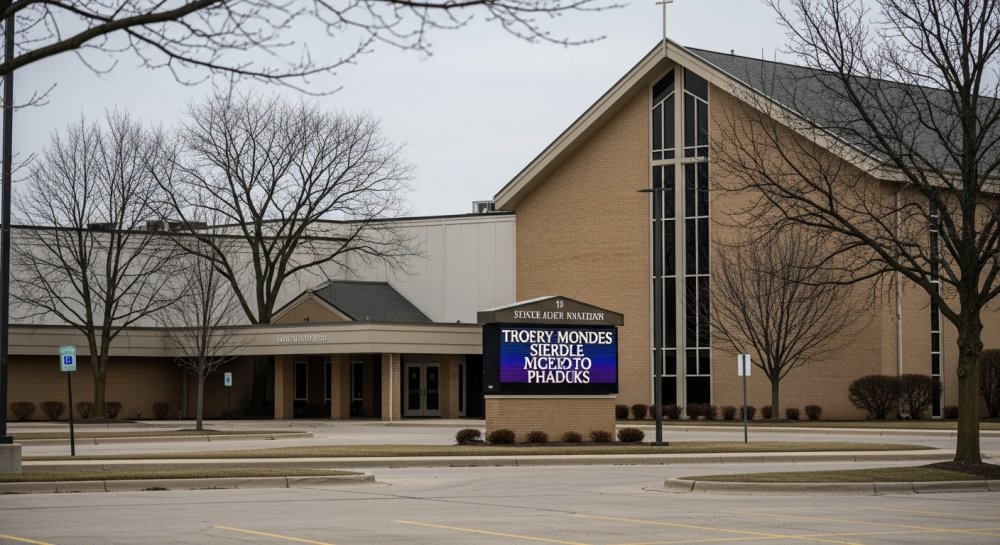
A Chicago-area pastor is refusing to back down after his church faced coordinated protests over its digital sign messaging defending biblical sexuality and marriage. The demonstration, organized by an LGBT activist group founded by a Democratic state official, drew dozens of protesters to the church property last Friday.
The controversy erupted when the church’s digital sign displayed messages affirming traditional Christian teaching on marriage and human sexuality. Rather than acquiesce to pressure from activists demanding the removal of the messaging, church leadership has chosen to stand firm in their constitutional right to proclaim biblical truth.
The pastor defended the church’s position, emphasizing that the messaging reflects core Christian doctrine that has been upheld by believers for thousands of years. He noted that the church has both a religious freedom right and a moral obligation to teach what Scripture clearly states about God’s design for marriage and sexuality.
The protest was organized by an LGBT activist organization founded by a Democratic state official, raising questions about the intersection of political activism and attempts to silence religious expression. The group mobilized supporters through social media, calling on members to demonstrate against what they characterized as harmful messaging.
Church members have rallied around their pastoral leadership, expressing support for the decision to maintain the biblical messaging despite outside pressure. Many congregants view the protest as an attack on religious liberty and an attempt to force the church to compromise foundational Christian beliefs.
The incident highlights the growing tension between religious freedom and LGBT activism in America. Churches across the nation increasingly find themselves targeted for maintaining traditional biblical teaching on sexuality and marriage, even when that teaching is expressed on their own property.
Legal experts note that houses of worship enjoy robust First Amendment protections for their religious speech and expression. The church’s digital sign, located on its own property, falls clearly within protected religious communication.
Despite the organized opposition, the pastor indicated the church has no plans to alter its messaging or retreat from biblical truth. He emphasized that loving one’s neighbor, as Christ commanded, does not require abandoning or hiding what God’s Word teaches about sin and righteousness.
The situation serves as a reminder to Christians nationwide of the importance of standing firm in faith, even when cultural pressure intensifies. As secular activists become more aggressive in demanding conformity, churches must decide whether they will compromise biblical truth or remain faithful to Scripture regardless of opposition.
Let us know what you think, please share your thoughts in the comments below.
Faith Facts
- An Indian pastor was falsely accused in a criminal case while his church building and residence were burned down on June 14
- The pastor’s wife is seeking the arrest of a Sikh man suspected of deliberately setting the fire
- Christian persecution in India continues to escalate under the watch of Hindu nationalist authorities
Christian pastors in India are facing a disturbing pattern of persecution, as evidenced by a recent attack that left one ministry leader falsely accused and his church in ashes. The incident highlights the growing hostility toward followers of Christ in a nation where religious freedom is rapidly deteriorating.
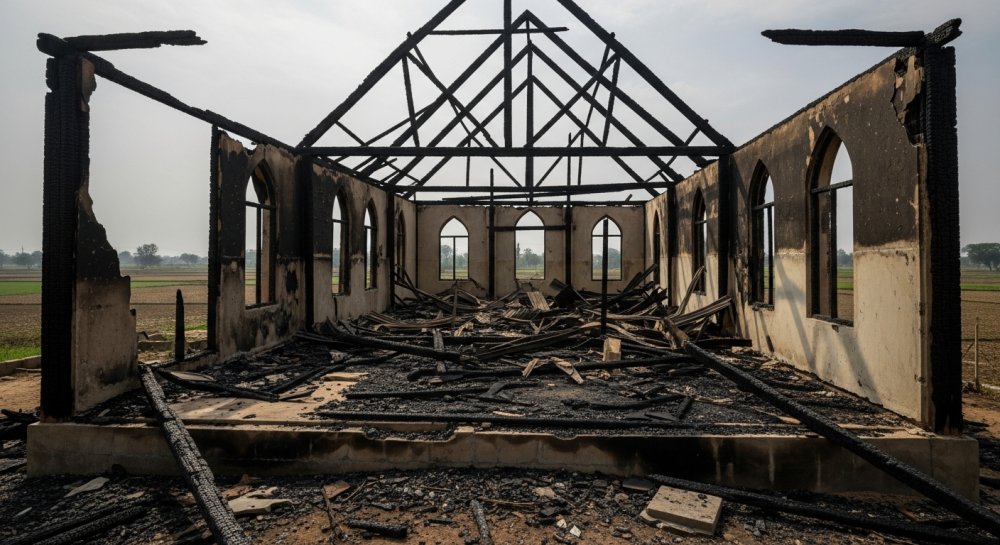
According to sources close to the situation, a pastor’s wife has taken action to seek justice after her husband was wrongly named in a criminal case. At the same time, she is calling for the arrest of a Sikh man believed to be responsible for burning down their church building and family residence on June 14.
The dual assault on this Christian family—through both false legal accusations and physical destruction of their place of worship—reflects a calculated strategy to silence the Gospel in regions where Hindu nationalist sentiment runs strong. These attacks are not random; they are part of a broader campaign to marginalize Christian communities and drive them from their homes.
The timing of the false charges alongside the arson attack suggests a coordinated effort to intimidate this pastor and his congregation. By manufacturing legal troubles while simultaneously destroying their physical ministry base, persecutors aim to eliminate any platform from which the Christian message can be proclaimed.
India has seen a dramatic increase in violence against Christians in recent years, with churches burned, pastors beaten, and believers arrested on fabricated charges. Religious freedom watchdog organizations have repeatedly sounded the alarm about the deteriorating conditions for Christians in the world’s largest democracy.
The plight of this pastor and his family should serve as a wake-up call to American Christians. While we enjoy unprecedented religious liberty in the United States, our brothers and sisters in nations like India face daily threats simply for professing faith in Jesus Christ. We must pray fervently for their protection and speak boldly on their behalf.
As this case moves forward, the pastor’s wife continues to pursue legal remedies and accountability for the arson attack. Her courage in the face of such persecution is a testament to the strength that comes from unwavering faith in God, even when earthly authorities fail to provide justice.
American believers should take note: the persecution of Christians abroad is not a distant concern. It reminds us to cherish our own freedoms, support persecuted believers worldwide, and remain vigilant against any encroachment on religious liberty here at home.
Let us know what you think, please share your thoughts in the comments below.
Faith Facts
- The U.S. men’s national soccer team celebrated their World Cup round-of-16 qualification with prayer following a 2-0 victory over Bosnia and Herzegovina
- The team will face Belgium in Seattle on Monday without their leading scorer, striker Folarin Balogun
- The public display of faith demonstrates the continued importance of prayer and Christian values in American sports
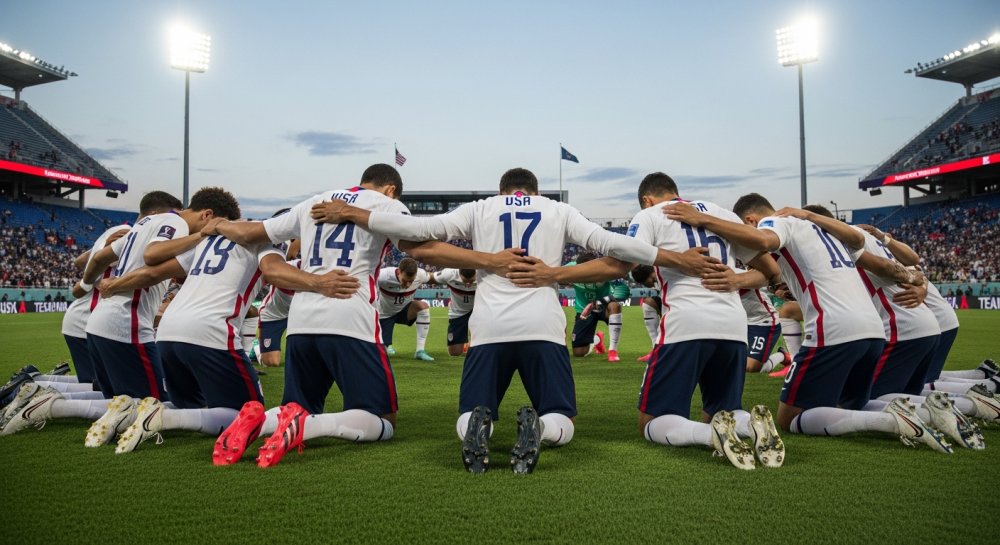
In a powerful display of faith on the world stage, the United States men’s national soccer team gathered in prayer after securing their place in the World Cup round-of-16 with a hard-fought 2-0 victory over Bosnia and Herzegovina on Wednesday. The moment of collective gratitude reminded millions watching that America’s strength comes not just from athletic prowess, but from our nation’s unwavering reliance on God.
The victory was both a cause for celebration and concern. While Team USA demonstrated the grit and determination that reflects American values, they will enter their crucial match against Belgium in Seattle, Washington, on Monday without their top offensive weapon, striker Folarin Balogun.
Mark McKenzie led the USMNT in prayer after the Americans moved on to the Round of 16 ???? pic.twitter.com/scEBXAO3ow
— SportsCenter (@SportsCenter) July 2, 2026
The team’s public prayer following the match stands as a testament to the role faith continues to play in American athletics, even as secular forces in our culture attempt to push religion to the sidelines. This moment of worship serves as an encouraging reminder that many of our nation’s athletes still recognize the source of their talents and blessings.
As the tournament progresses, the absence of Balogun will test the team’s depth and resilience. The striker has been instrumental in the American squad’s success throughout the competition, and his loss creates a significant challenge as the team faces a formidable Belgian side.
The match in Seattle represents not just an athletic contest, but an opportunity for Americans to rally behind a team that isn’t afraid to publicly acknowledge their faith. In an era where Christian expression is increasingly marginalized in public life, these athletes are setting an example worth celebrating.
The round-of-16 clash with Belgium will require the same determination and unity that Team USA has displayed throughout the tournament. With faith as their foundation and the support of millions of Americans behind them, the team enters this critical match with more than just tactical preparation—they carry the prayers of a nation.
Let us know what you think, please share your thoughts in the comments below.


-

 Self-Reliance1 year ago
Trump’s Bold Move Uncovers Massive Social Security Fraud
-

 Faith1 year ago
New Clues Emerge in Noah’s Ark Mystery
-

 News1 year ago
Governor Walz’s Rhetoric Sparks National Controversy
-

 News1 year ago
Mel Gibson’s ‘The Passion of the Christ’ Sequel Title Announced
-

 Family1 year ago
Texas Lawmaker Targets Furries in Schools
-

 Freedom1 year ago
Maine Lawmaker Challenges Sports Fairness Controversy
-

 Family1 year ago
Canada’s Controversial Policy Sparks Ethical Debate
-
Faith7 months ago
Congress Hears Pleas for Nigerian Christians