
News
Pakistani Christian Lawmaker Moves to Protect Youth From Early Marriage


Faith Facts
- A Christian lawmaker in Pakistan’s Punjab province has introduced legislation to raise the minimum marriage age for Christian youth to 18 years old.
- The proposed bill would overhaul the 153-year-old Christian Marriage Act of 1872, a colonial-era law still governing Christian marriages in the region.
- The reform aims to protect Christian girls and boys from early marriage and align the community’s marriage standards with modern human rights principles.
In a significant move to protect Christian youth in Pakistan, a lawmaker in Punjab province has introduced groundbreaking legislation that would modernize marriage laws for the nation’s Christian minority. The bill seeks to establish 18 as the minimum legal age for marriage for both Christian girls and boys.
The proposed reform would replace the Christian Marriage Act of 1872, a law imposed during British colonial rule that has governed Christian marriages in the region for more than a century and a half. The outdated statute has long been criticized for failing to protect young believers from premature marriage and its associated hardships.
This legislative effort comes at a crucial time for Pakistan’s Christian community, which faces significant persecution and discrimination in the overwhelmingly Muslim nation. Christians make up approximately two percent of Pakistan’s population and frequently encounter legal and social challenges that put their faith and families at risk.
The bill represents an important step toward safeguarding Christian children from forced or arranged marriages at ages when they should be focused on education and spiritual development. Early marriage often prevents young people, especially girls, from completing their education and pursuing God-given talents and callings.
By raising the minimum marriage age to 18 for both sexes, the legislation would align Christian marriage standards with international human rights norms while respecting the sanctity of marriage as designed by God. The reform acknowledges that marriage is a sacred covenant that requires maturity, wisdom, and readiness that young teenagers typically lack.
Pakistan’s Christian community has long advocated for legal reforms that would provide greater protection and equality under the law. This bill demonstrates the perseverance of Christian leaders who continue to advocate for their community despite facing significant obstacles in a nation where religious minorities often struggle to have their voices heard.
The success of this legislation would mark a victory for religious freedom and the protection of vulnerable youth in Pakistan. It would signal that the rights and welfare of Christian children matter and deserve legal protection equal to that afforded to other communities.
As this bill moves through the legislative process, it deserves the prayers and support of Christians worldwide who stand with their persecuted brothers and sisters in Pakistan. The reform represents not just a legal change, but a moral imperative to protect children created in God’s image from exploitation and harm.
Let us know what you think, please share your thoughts in the comments below.


Faith Facts
- Scripture teaches that honest scales and balances are from the Lord, and dishonest weights are an abomination to Him.
- Christian voters are called to seek leaders who uphold integrity and reject schemes that undermine fair elections.
- Proverbs 29:2 reminds believers that when the righteous thrive, the people rejoice, but when the wicked rule, the people groan.
A Texas Democrat political action committee has dismissed an organizer after undercover footage showed him describing $25 payments to citizens for attending a one-hour anti-Republican Zoom class.
The organizer referred to the payments as “a roundabout way of paying people for their votes,” raising serious questions about the legality and ethics of the practice.
Conservative watchdogs argue that such tactics erode public trust in the democratic process and violate the principle of free and fair elections that Americans hold dear.
“A roundabout way of paying people for their votes.”
Faith-based leaders in the Lone Star State are calling for full transparency and swift investigation, insisting that Christian citizens deserve elections free from financial inducements.
The incident underscores the need for vigilance among voters who value traditional principles of honesty and accountability in government.
Let us know what you think, please share your thoughts in the comments below.

Faith Facts
- Brad Pitt publicly acknowledged the profound spiritual and psychological toll that military service takes on service members.
- The actor emphasized sacrificial love as a sustaining force through trauma and hardship.
- Christian conservatives affirm that true strength comes from faith, family, and the willingness to lay down one’s life for others.
Brad Pitt presented his new survival drama Heart of the Beast at its red carpet premiere, describing the film as a tribute to the men and women who serve in uniform. He noted that military personnel risk more than physical harm, stating they put their “psyches” and “souls” on the line.
The actor explained that the story also explores how sacrificial love can anchor individuals through deep trauma and adversity.
“Heart of the Beast” shows the cost of military service, sacrificial love.
Christian viewers will recognize the biblical principle that greater love has no one than this: to lay down one’s life for one’s friends.
Let us know what you think, please share your thoughts in the comments below.
Faith Facts
- The bereaved mother turned to her faith in God as she faced the unthinkable loss of her son and his bride.
- She called on lawmakers to remember the biblical command to uphold justice and protect the innocent.
- The family is trusting that truth and righteousness will prevail through prayer and faithful action.
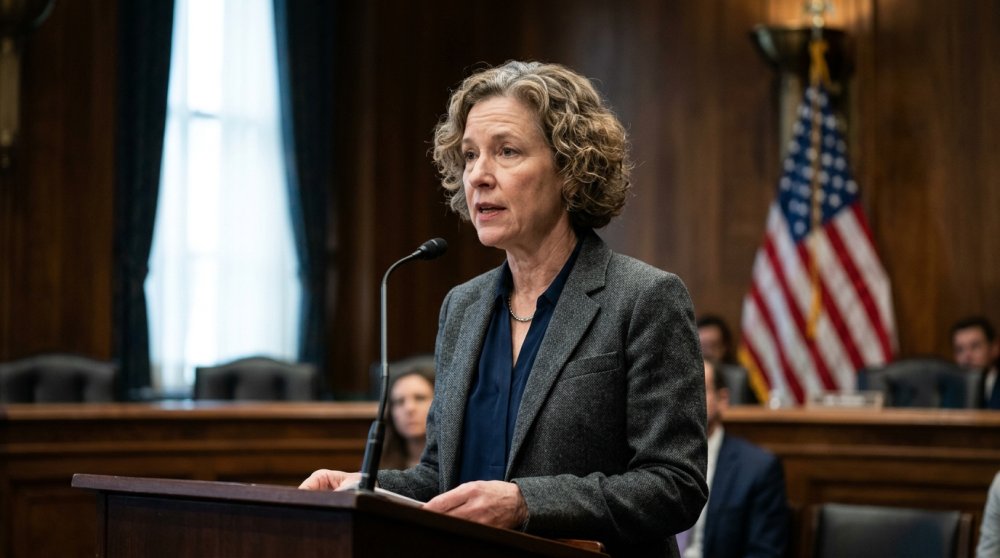
An Oregon mother stood before congressional lawmakers Tuesday to share the devastating story of losing her son and his newlywed bride in a crash caused by a commercial truck driver in the country illegally.
She described the pain of watching her children’s lives cut short by a driver who should never have been behind the wheel.
The mother pleaded for Congress to take decisive steps to close loopholes that place American families at risk.
“They’re tying our hands,” she said.
She urged representatives to remember that every lawmaker has the power to prevent future tragedies.
The grieving mother emphasized that securing the border and enforcing immigration law is not just a policy issue but a matter of protecting the sanctity of life.
She pointed to the biblical principle that government exists to punish evildoers and praise those who do good.
“They’re tying our hands,” she repeated, calling on Congress to act before more families suffer the same loss.
Let us know what you think, please share your thoughts in the comments below.


-

 Self-Reliance1 year ago
Trump’s Bold Move Uncovers Massive Social Security Fraud
-

 Faith1 year ago
New Clues Emerge in Noah’s Ark Mystery
-

 News2 years ago
Governor Walz’s Rhetoric Sparks National Controversy
-

 News1 year ago
Mel Gibson’s ‘The Passion of the Christ’ Sequel Title Announced
-

 Family1 year ago
Texas Lawmaker Targets Furries in Schools
-

 Freedom1 year ago
Maine Lawmaker Challenges Sports Fairness Controversy
-

 Family1 year ago
Canada’s Controversial Policy Sparks Ethical Debate
-
Faith10 months ago
Congress Hears Pleas for Nigerian Christians