
Faith
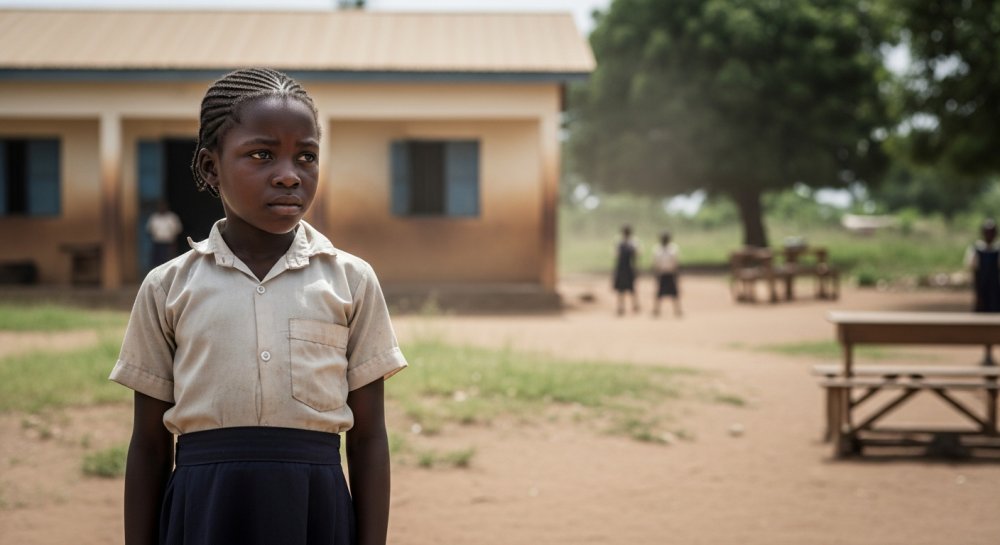
Nigerian Christian Girl Still Captive After Eight Years

Faith Facts
- Christian schoolgirl Leah Sharibu was abducted by Islamic extremists eight years ago in Nigeria and remains in captivity
- She was the only Christian among the abducted Dapchi schoolgirls who refused to convert to Islam, resulting in her continued detention while others were released
- Christian advocacy groups are intensifying efforts to secure her freedom, declaring eight years of captivity is unacceptable
A Nigerian Christian schoolgirl kidnapped by Islamic extremists continues to languish in captivity eight years after her abduction, as faith-based advocacy organizations renew calls for her release. Leah Sharibu’s prolonged detention stands as a sobering reminder of the persecution Christians face in regions dominated by Islamic terrorist groups.
Sharibu was among a group of schoolgirls abducted from their school in Dapchi, Nigeria, by extremist militants. While most of her classmates were eventually freed and returned home, Leah remains a prisoner to this day. The reason for her continued captivity is her unwavering Christian faith—she reportedly refused to renounce her beliefs and convert to Islam, a demand made by her captors.
Christian advocacy groups around the world are rallying support for Leah’s release, emphasizing that eight years of imprisonment for refusing to abandon one’s faith is an unconscionable violation of human rights and religious freedom. These organizations are calling on governments and international bodies to apply pressure for her safe return to her family.
The case highlights the ongoing threat faced by Christian communities in Nigeria and across parts of Africa, where Islamic extremist groups regularly target believers. Churches have been attacked, pastors killed, and young people like Leah abducted—all in attempts to force conversions or eliminate Christian presence in these regions.
Leah’s story has become a powerful symbol of Christian steadfastness under persecution. Her refusal to deny Christ, even at the cost of her freedom, echoes the testimonies of martyrs throughout church history who chose faith over compromise. For believers worldwide, her courage serves as both an inspiration and a call to action.
Advocacy groups stress that the international community must not forget Leah Sharibu or the countless other Christians suffering persecution for their faith. They argue that religious freedom is a fundamental human right that deserves protection and that abandoning believers like Leah to their captors sends a dangerous message to extremist groups.
The Nigerian government has faced criticism for its response to the ongoing crisis of Christian persecution within its borders. While some efforts have been made to combat terrorism, many feel insufficient action has been taken to protect Christian communities or secure the release of hostages like Leah.
As the eighth anniversary of her abduction passes, Christians around the world are being urged to pray for Leah’s safe return and for an end to the persecution of believers in Nigeria and beyond. Faith leaders emphasize that prayer, combined with advocacy and diplomatic pressure, remains the most powerful tool for securing justice and freedom.
Let us know what you think, please share your thoughts in the comments below.

Faith Facts
- Vice President JD Vance led rally attendees in reciting the Lord’s Prayer when a woman collapsed nearby.
- The moment highlighted the continued presence of Christian faith in American public life and political gatherings.
- Vance personally left the stage to check on the woman after leading the prayer.
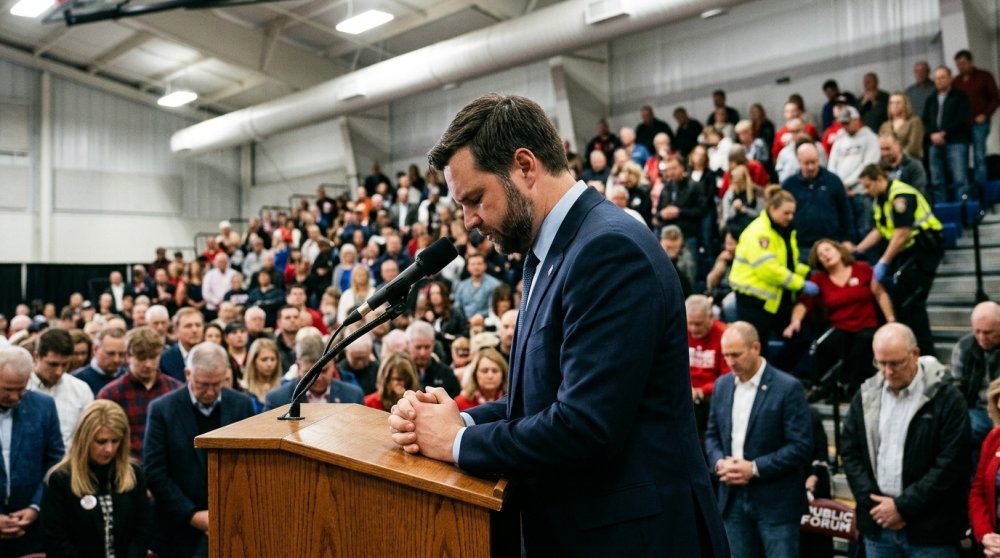
Vice President JD Vance paused a Nebraska campaign rally to lead the crowd in the Lord’s Prayer after a woman collapsed in the audience.
The incident took place during a live event where Vance addressed supporters and addressed policy issues.
“Pray as the Lord taught us to pray,” Vance said before leading the audience in the traditional prayer.
After finishing the prayer, Vance stepped down from the stage and made his way into the stands to personally check on the woman who had collapsed.
The spontaneous act of faith and compassion drew praise from attendees who witnessed the moment.
Let us know what you think, please share your thoughts in the comments below.
Faith Facts
- Oxford mathematician and Christian apologist Professor John Lennox encourages believers to share their faith with confidence.
- Lennox stresses that evangelism is not reserved only for preachers, theologians, or those with extensive biblical knowledge.
- Every Christian is called to be a witness for Christ in daily life.
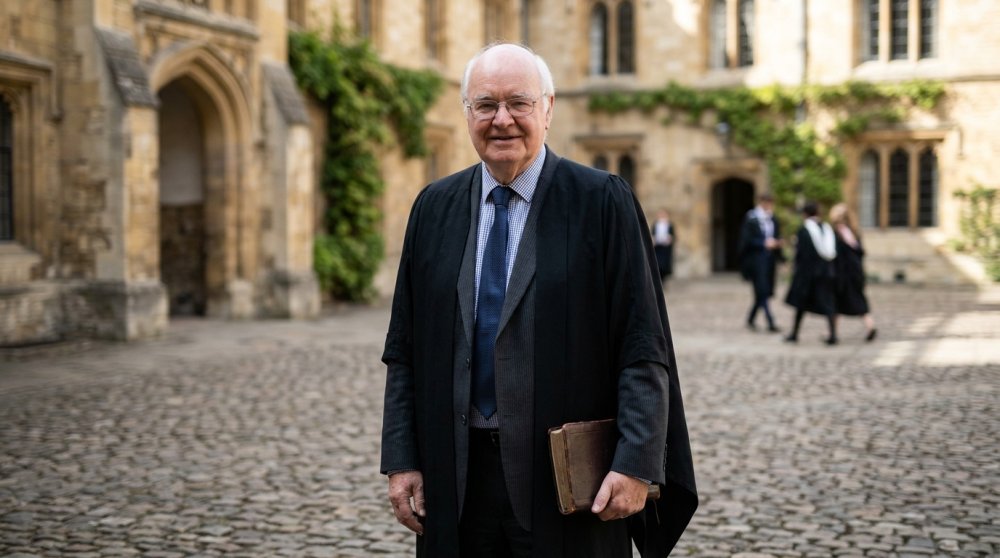
Oxford mathematician and Christian apologist Professor John Lennox is urging believers everywhere to share their faith with greater boldness and confidence. He reminds Christians that the call to witness is not limited to pastors or scholars but belongs to every follower of Christ.
“We’re all called to be witnesses,” Lennox declares. This simple truth challenges the idea that only trained experts can effectively share the gospel.
Professor Lennox emphasizes that evangelism is not about having every theological answer or delivering polished sermons. Instead, it is about living out and speaking the truth of Christ wherever God places His people.
His words come as a timely encouragement to Christians who may feel hesitant or unqualified to speak about their faith. Lennox points to the biblical calling that every believer is a witness, empowered by the Holy Spirit to share the hope within them.
Let us know what you think, please share your thoughts in the comments below.
Faith Facts
- At least seven Christians were killed in a targeted attack on a Greek Orthodox funeral service in Jordan.
- The assault occurred at a church known for peaceful worship and interfaith coexistence in the region.
- The attack highlights the ongoing threat of Islamic extremism to Christian communities worldwide.
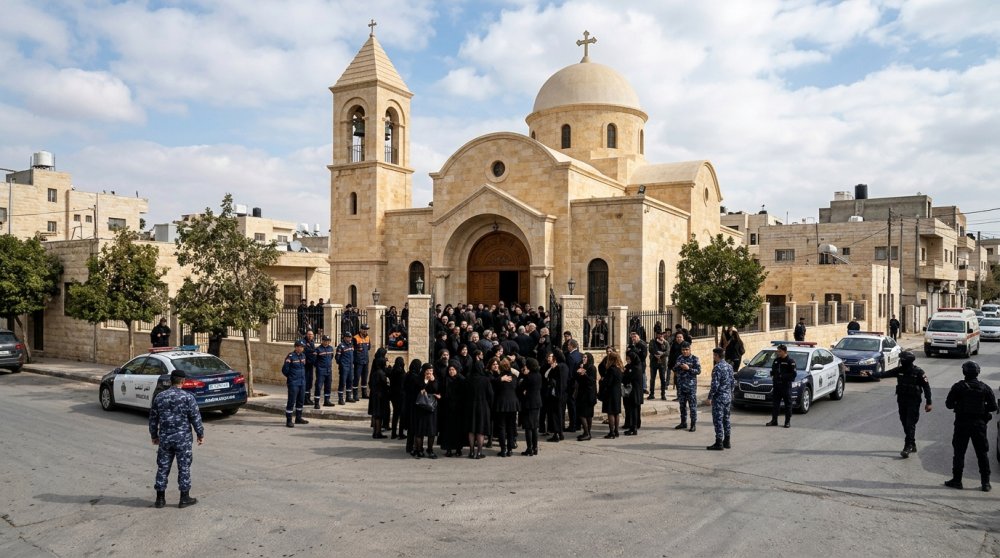
In a rare attack in a country known for peaceful inter-faith coexistence, suspected Islamic extremists attacked a funeral at a Greek Orthodox church in Jordan on Friday (Oct. 23), shooting at least seven people to death and wounding 28 others, according to reports.
The violence interrupted a sacred time of mourning and remembrance, striking at the heart of a Christian community gathered in faith.
Let us know what you think, please share your thoughts in the comments below.


-

 Self-Reliance2 years ago
Trump’s Bold Move Uncovers Massive Social Security Fraud
-

 Faith2 years ago
New Clues Emerge in Noah’s Ark Mystery
-

 News2 years ago
Governor Walz’s Rhetoric Sparks National Controversy
-

 News2 years ago
Mel Gibson’s ‘The Passion of the Christ’ Sequel Title Announced
-

 Family2 years ago
Texas Lawmaker Targets Furries in Schools
-

 Freedom2 years ago
Maine Lawmaker Challenges Sports Fairness Controversy
-

 Family1 year ago
Canada’s Controversial Policy Sparks Ethical Debate
-
Faith11 months ago
Congress Hears Pleas for Nigerian Christians