
News
Lutheran Minister Running for Congress Defends Past Satanist Wedding Ceremony

Faith Facts
- Iowa State Senator Sarah Trone-Garriott, a Lutheran minister running for Congress, confirmed she officiated a satanist wedding ceremony 20 years ago
- In a 2023 speech, she defended the ceremony and her decision to perform Wiccan prayers in the Iowa Senate
- The revelations have sparked renewed concerns among Christian conservatives about her fitness for federal office
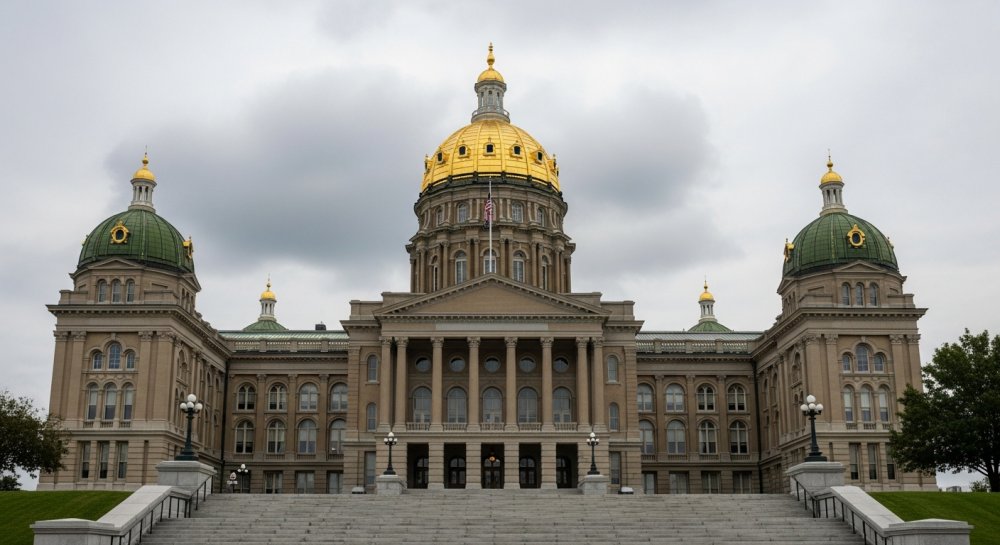
An Iowa state senator and ordained Lutheran minister seeking a seat in Congress is facing renewed scrutiny after resurfaced remarks revealed she officiated a wedding ceremony for two satanists and has defended performing Wiccan prayers in the state legislature.
State Senator Sarah Trone-Garriott, who represents parts of suburban Des Moines, made the admission during a 2023 speech where she recounted officiating the satanist wedding approximately 20 years ago. The Democratic candidate is now running to represent Iowa’s 3rd Congressional District.
In her speech, Trone-Garriott described the ceremony as part of her ministerial duties and appeared to show no regret for the decision. She framed the incident as an example of religious tolerance and inclusivity, values she says guided her actions both as a minister and as a state legislator.
The controversy deepens with her defense of offering Wiccan prayers during Iowa Senate proceedings. Trone-Garriott has argued that diverse religious expressions, including pagan practices, deserve equal representation in public forums traditionally dominated by Christian prayer.
“I believe in religious freedom for all,” Trone-Garriott reportedly stated in her 2023 remarks, defending both the satanist wedding and the Wiccan prayers as consistent with her understanding of separation of church and state.
The revelations have troubled many Christians and conservative voters in Iowa’s 3rd District, who question how a Lutheran minister could reconcile officiating satanist ceremonies with Christian teaching. Traditional Christian doctrine views satanism as antithetical to the faith, rooted in opposition to God and biblical values.
Critics argue that Trone-Garriott’s actions represent a troubling departure from orthodox Christian ministry and raise serious questions about her theological beliefs. They point out that while religious freedom is a constitutional right, a minister’s willingness to participate in ceremonies celebrating satanism suggests a fundamental confusion about the exclusive claims of Christianity.
The Lutheran tradition, rooted in the Protestant Reformation, has historically maintained clear theological boundaries regarding spiritual warfare and the reality of evil. Martin Luther himself wrote extensively about spiritual combat and the importance of discerning between godly and ungodly influences.
Trone-Garriott’s congressional campaign has not backed away from her previous statements. Her team has characterized the criticism as an attack on religious pluralism and has suggested that voters should focus on her legislative record rather than her ministerial activities from two decades ago.
However, for many Christian conservatives, the issue goes beyond a single incident. They view her defense of both satanist and Wiccan religious expressions as evidence of a broader worldview that relativizes truth claims and places all spiritual paths on equal footing—a position fundamentally at odds with biblical Christianity.
The controversy arrives at a critical moment in Iowa politics, as Republicans seek to maintain control of the state’s congressional delegation. Iowa’s 3rd District has been competitive in recent cycles, making Trone-Garriott’s candidacy a significant test of whether progressive candidates can gain ground in traditionally conservative areas.
Faith leaders and Christian voters across Iowa are now grappling with what Trone-Garriott’s ministerial choices mean for her potential service in Congress. Some argue that her past actions disqualify her from representing a state where Christian values remain deeply influential in public life.
The incident also raises broader questions about the direction of mainline Protestant denominations, many of which have embraced increasingly progressive theological positions in recent decades. Critics contend that such openness has led to doctrinal confusion and a weakening of Christian witness in the public square.
As the 2026 congressional race takes shape, Trone-Garriott’s religious background—once potentially an asset in a state with strong church attendance—has become a flashpoint in debates over faith, values, and what kind of leadership Iowans want representing them in Washington.
Let us know what you think, please share your thoughts in the comments below.

Faith Facts
- The Church of England revoked an interfaith award from a Muslim cleric after his past praise for Osama bin Laden was revealed.
- The decision reflects the importance of upholding Christian principles when engaging with other faiths.
- Faith leaders continue to stress that true interfaith work must rest on truth and shared moral foundations.
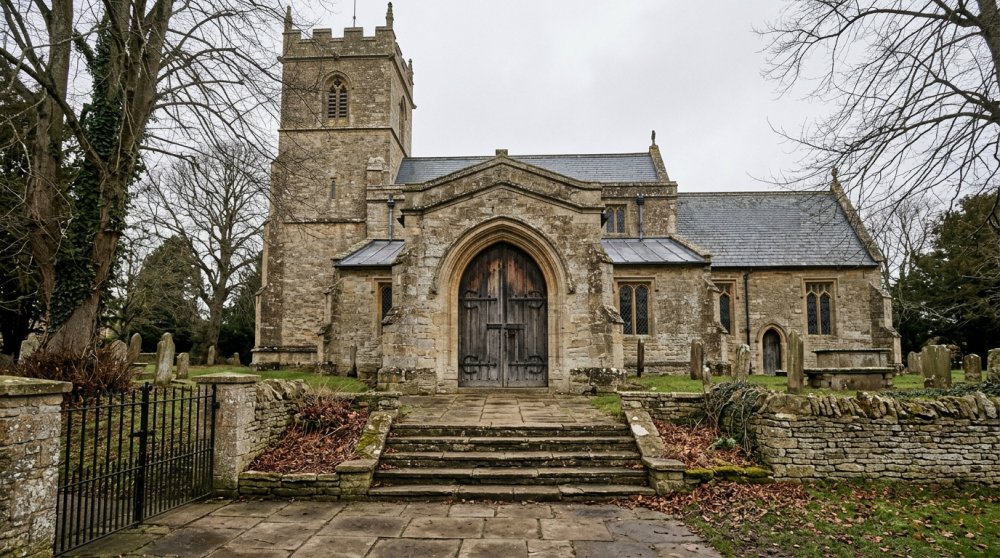
The Church of England has taken swift action to rescind an interfaith award after it came to light that the recipient had praised Osama bin Laden.
Church officials acted once the cleric’s earlier statements resurfaced, underscoring that honors must align with Christian convictions.
“The award has been withdrawn,” a Church spokesperson confirmed, emphasizing that the decision followed careful review of the cleric’s remarks.
The incident serves as a reminder that genuine dialogue between faiths cannot overlook fundamental differences in values.
“We must stand for truth even when it is uncomfortable,” another church leader stated.
Let us know what you think, please share your thoughts in the comments below.
Faith Facts
- Christian legal professionals in Pakistan face ongoing persecution for their faith and advocacy work
- The couple’s re-arrest highlights the struggle for religious freedom in nations hostile to Christianity
- Believers worldwide are called to pray for persecuted Christians serving in dangerous legal environments
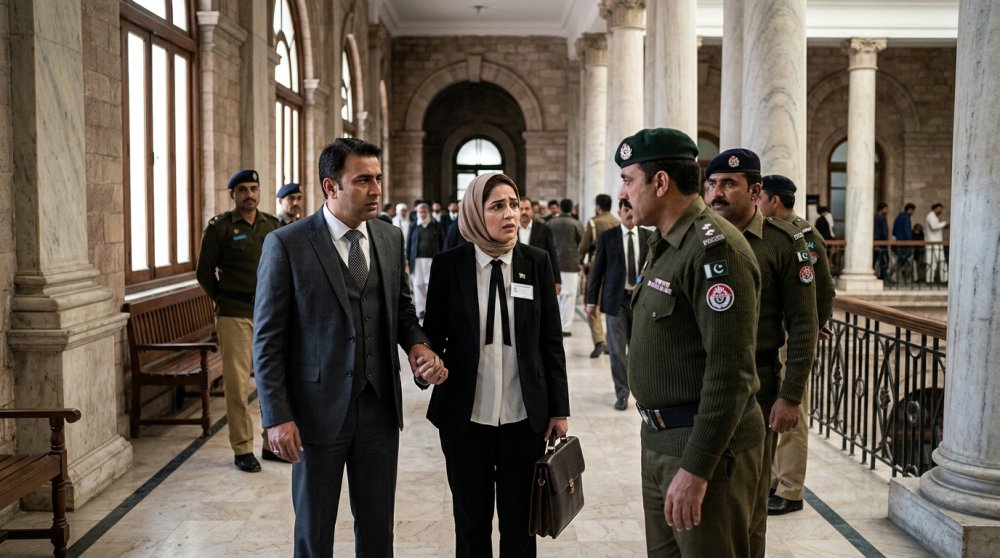
Leading human rights lawyers Imaan Zainab Mazari-Hazir and her husband, Hadi Ali Chattha, were re-arrested by Pakistani authorities just hours after the country’s Supreme Court suspended their prison sentences and granted them bail.
The couple had been imprisoned over controversial social media posts, drawing international attention to Pakistan’s handling of legal cases involving outspoken advocates.
“The Supreme Court had ordered their immediate release,” sources familiar with the case confirmed.
The timing of the re-arrest has raised serious questions about whether Pakistani authorities are respecting judicial decisions when they involve cases with religious and political implications.
“This action undermines the authority of the highest court in Pakistan,” legal observers noted.
The couple’s case reflects the broader challenges faced by Christians and other religious minorities seeking justice within Pakistan’s legal system.
Let us know what you think, please share your thoughts in the comments below.
Faith Facts
- Myanmar’s military junta has now killed three Baptist pastors in Chin state within the last three and a half months.
- Christian leaders in the region are urging the United States government to take decisive action in defense of religious liberty.
- The targeted killings underscore the ongoing persecution of faithful believers under the ruling military regime.
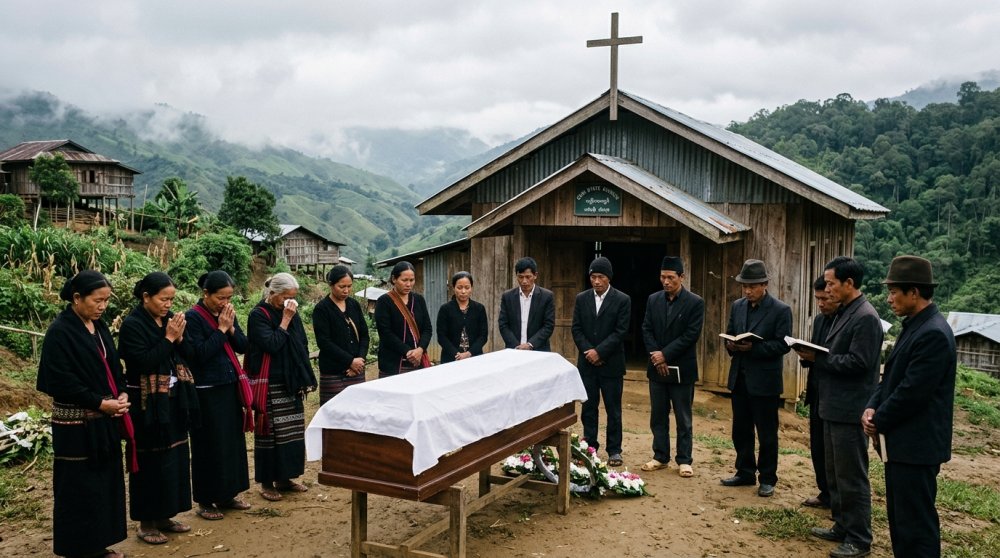
Myanmar’s military junta has shot and killed a Baptist pastor in the Christian-majority Chin state, marking the third such killing in roughly three and a half months. A religious freedom organization is now pressing the U.S. government to respond with concrete measures to protect believers facing systematic violence.
The repeated targeting of pastors in Chin state reveals the junta’s hostility toward Christian communities that refuse to bow to authoritarian control. Families across the region are mourning faithful shepherds who served their congregations with courage and conviction.
“The U.S. government must take action to stop these atrocities against Christians and defend religious freedom in Myanmar.”
Local believers continue to gather in secret and share the Gospel despite the constant threat of arrest or death. Their steadfast witness stands as a powerful testimony to the sustaining power of faith under persecution.
Let us know what you think, please share your thoughts in the comments below.


-

 Self-Reliance1 year ago
Trump’s Bold Move Uncovers Massive Social Security Fraud
-

 Faith1 year ago
New Clues Emerge in Noah’s Ark Mystery
-

 News2 years ago
Governor Walz’s Rhetoric Sparks National Controversy
-

 News1 year ago
Mel Gibson’s ‘The Passion of the Christ’ Sequel Title Announced
-

 Family1 year ago
Texas Lawmaker Targets Furries in Schools
-

 Freedom1 year ago
Maine Lawmaker Challenges Sports Fairness Controversy
-

 Family1 year ago
Canada’s Controversial Policy Sparks Ethical Debate
-
Faith10 months ago
Congress Hears Pleas for Nigerian Christians