
News
Grand Jury Indicts Major Liberal Nonprofit Over Alleged Payments to Extremist Leaders

Faith Facts
- A federal grand jury has indicted the Southern Poverty Law Center on charges of allegedly funneling $3 million to leaders of extremist groups including the KKK
- The SPLC, which has long positioned itself as a civil rights watchdog, is accused of defrauding donors through its fundraising practices
- The far-left organization is dismissing the serious federal charges as politically motivated government weaponization
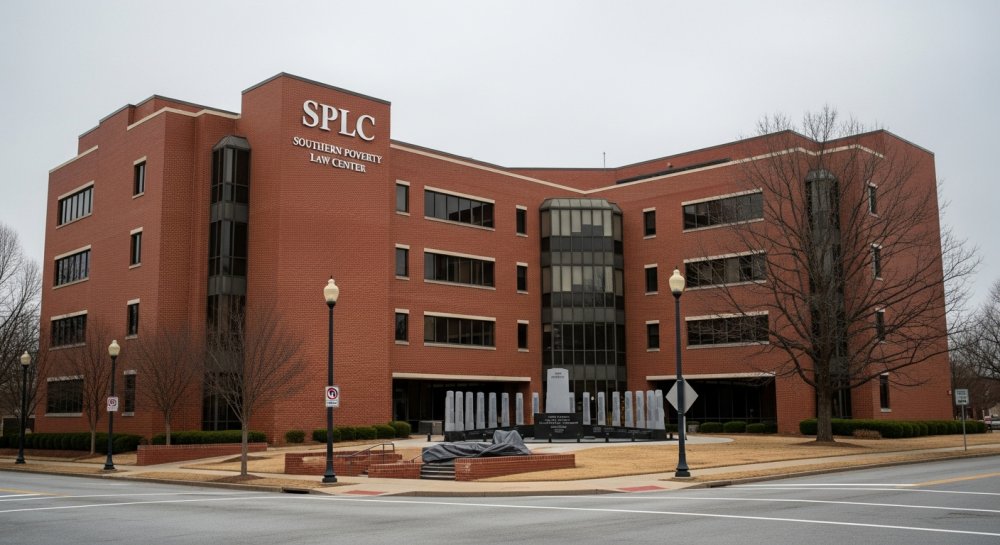
A federal grand jury has handed down an indictment against the Southern Poverty Law Center, alleging the organization engaged in donor fraud while secretly channeling millions of dollars to the very extremist groups it publicly claims to fight against.
The indictment alleges that the SPLC provided approximately $3 million to individuals connected to extremist organizations, including the Ku Klux Klan. This stunning revelation directly contradicts the nonprofit’s public mission and fundraising appeals, which have long portrayed the organization as America’s premier watchdog against hate groups.
The charges represent a dramatic fall for an organization that has wielded enormous influence in American political and cultural discourse for decades. The SPLC has frequently been cited by media outlets and technology companies as an authority on identifying hate groups and extremism, despite growing criticism from conservatives about the organization’s own radical agenda.
Rather than addressing the substance of the federal indictment, the SPLC has chosen to attack the Justice Department itself. The organization condemned the charges as evidence of a “weaponized” federal government, employing language typically used by political operatives rather than nonprofit leaders facing serious legal accountability.
The allegations raise profound questions about where donor money has actually been going over the years. Conservative Christians and traditional values organizations have long complained about being unfairly labeled as “hate groups” by the SPLC, while the organization raised enormous sums of money ostensibly to combat genuine extremism.
For years, the SPLC has maintained massive financial reserves while operating what critics describe as a lucrative fundraising operation built on fear-mongering. The organization’s endowment has swelled to hundreds of millions of dollars, even as questions mounted about the disconnect between its public messaging and its actual activities.
The federal indictment suggests that disconnect may have been even more severe than previously understood. If the allegations prove true, donors who believed they were supporting efforts to combat genuine extremism were instead unknowingly funding the very movements they opposed.
This case also highlights the dangers of allowing partisan nonprofits to position themselves as neutral arbiters of truth. The SPLC’s “hate group” designations have been used to justify deplatforming, demonetization, and other forms of censorship against conservative and Christian organizations that simply hold traditional biblical values.
The timing of this indictment comes as Americans are increasingly questioning the integrity of institutions that claim moral authority while operating with little transparency or accountability. The SPLC’s immediate pivot to claiming political persecution rather than addressing the serious allegations speaks volumes about the organization’s priorities.
As this case moves forward through the federal court system, it will be important for people of faith to remember that true justice requires equal application of the law. Organizations that have enriched themselves while smearing Christians and conservatives deserve the same scrutiny and accountability as any other entity accused of defrauding the public.
The indictment serves as a reminder that discernment is essential when evaluating which organizations truly deserve our support and trust. Not every group claiming to fight for justice is actually doing so, and some may be engaged in the very practices they claim to oppose.
Let us know what you think, please share your thoughts in the comments below.

Faith Facts
- Two major Christian organizations in Kenya are calling on lawmakers to reject portions of the Finance Bill 2026, citing concerns over economic burdens on families and businesses.
- The appeal comes amid memories of deadly 2024 tax protests that claimed dozens of lives across Kenya.
- Church leaders warn the proposed tax measures could deepen poverty and hinder the nation’s economic recovery.
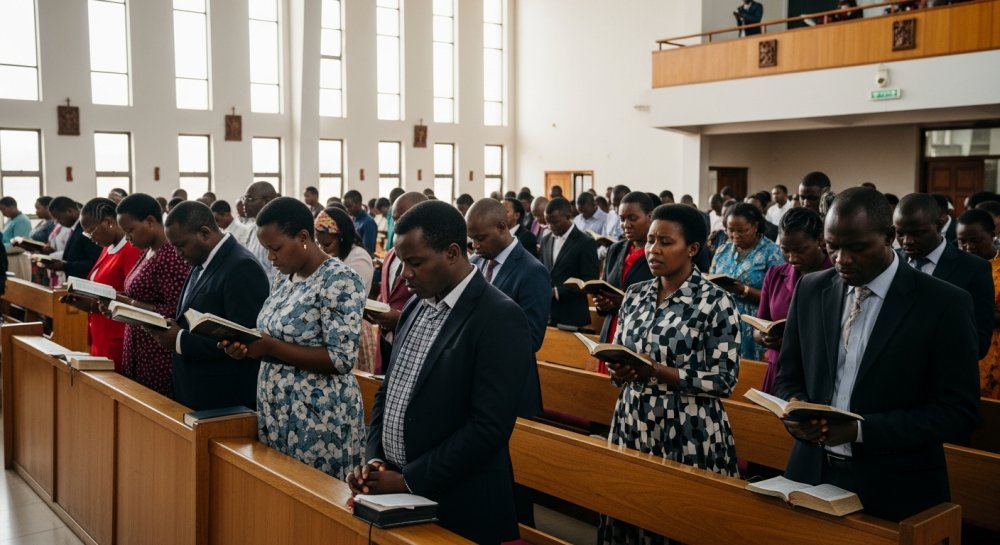
Kenya’s Christian community is taking a stand against government overreach. Two of the nation’s leading Christian organizations have issued urgent appeals to members of parliament, urging them to thoroughly review and amend the Finance Bill 2026 before it becomes law.
The faith leaders are warning that proposed tax measures in the bill could inflict severe economic hardship on Kenyan families and businesses alike. Their concerns carry particular weight given the violent tax protests that rocked the nation in 2024, leaving dozens dead and exposing deep public frustration with government fiscal policy.
The Christian groups argue that rather than stimulating economic growth as intended, the new tax provisions could have the opposite effect — stifling entrepreneurship, deepening poverty, and placing unsustainable burdens on households already struggling with inflation and unemployment.
This faith-based intervention reflects a broader principle that good governance must balance the legitimate revenue needs of government with the economic wellbeing of citizens. Christian teaching emphasizes stewardship, fair dealing, and protection of the vulnerable — principles that should guide all public policy decisions.
The 2024 tax protests serve as a sobering reminder that when governments lose touch with the struggles of ordinary citizens, the results can be catastrophic. The loss of life during those demonstrations underscores the urgent need for lawmakers to listen to voices of reason and restraint.
Kenya’s church leaders are exercising their prophetic role by speaking truth to power. They understand that healthy economies require policies that empower families and businesses, not crush them under excessive taxation. Their willingness to engage the political process demonstrates responsible Christian citizenship.
As parliament considers the Finance Bill 2026, lawmakers would be wise to heed the warnings from Kenya’s Christian community. The alternative — repeating the mistakes that led to deadly unrest in 2024 — is simply unacceptable.
The outcome of this debate will reveal whether Kenya’s government prioritizes short-term revenue collection or long-term economic health and social stability. For the sake of the nation’s families and future, the choice should be clear.
Let us know what you think, please share your thoughts in the comments below.

Faith Facts
- The human body contains approximately 30 trillion cells, each carrying chromosomes that determine biological sex as either XX (female) or XY (male)
- Scientific evidence demonstrates that biological sex is written into every cell of the human body and cannot be changed through hormones or surgery
- Christian teaching affirms that God created humanity as male and female, a truth reflected in the biological design of the human body
In an age of confusion and shifting cultural narratives about gender identity, science offers a clear and unchanging answer: biological sex is written into every single cell of the human body.
The human body contains approximately 30 trillion cells. Each one carries the chromosomal signature of biological sex—either XX for female or XY for male.
This cellular reality represents an insurmountable biological fact that no amount of hormone therapy, surgical intervention, or social declaration can alter. Every cell in a person’s body testifies to their God-given design as either male or female.
For Christians who believe God created humanity “male and female” as stated in Genesis, this scientific evidence provides powerful affirmation of Biblical truth. The design is intentional, comprehensive, and permanent.
While compassion for those experiencing gender confusion remains essential, acknowledging biological reality does not diminish human dignity. Rather, it honors the Creator’s design and provides a foundation for helping people find wholeness within the bodies they were given.
The chromosomal evidence found in 30 trillion cells cannot be dismissed or altered by ideology. It stands as testimony to an unchanging truth about human identity—one that predates modern confusion and will outlast it.
As cultural pressure mounts to deny biological reality, Christians must continue to uphold truth with both conviction and compassion. The science is clear, and it aligns perfectly with Scripture’s teaching about God’s creative design.
Let us know what you think, please share your thoughts in the comments below.
Faith Facts
- Internal opposition within Iran appears to be blocking ceasefire negotiations in the Middle East
- The potential for peace in the region faces sabotage from hardline factions resistant to diplomatic solutions
- Christian communities throughout the Middle East continue praying for lasting peace amid ongoing regional instability
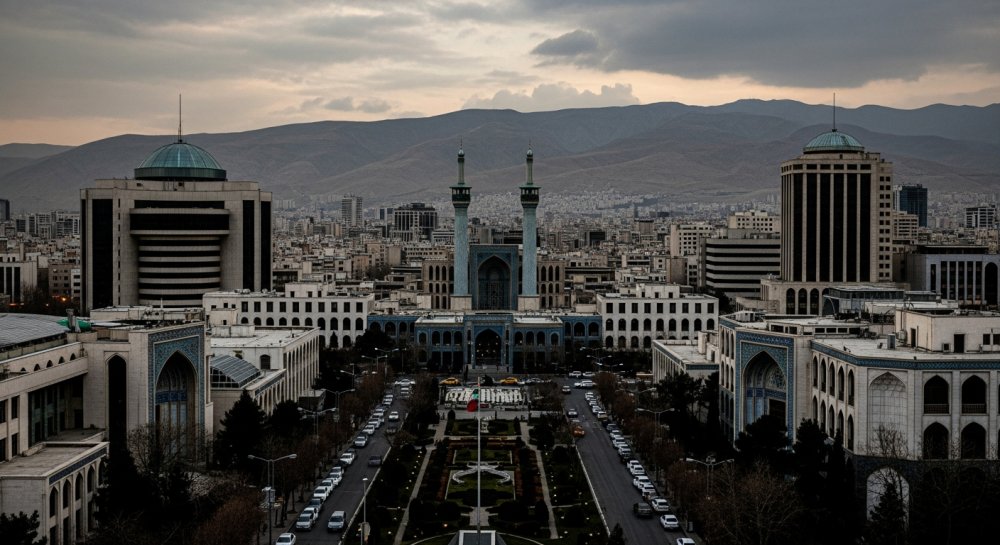
As diplomatic efforts intensify to bring stability to the Middle East, emerging evidence suggests powerful elements within Iran are actively working to prevent a ceasefire agreement from taking hold. This troubling development threatens to prolong suffering for millions and delay the peace that so many families across the region desperately need.
The resistance to peace talks appears rooted in factions that benefit from continued regional conflict and instability. These groups view any diplomatic breakthrough as a threat to their power and influence within Iran’s complex political structure.
For Christian communities throughout the Middle East—some of the world’s oldest and most faithful believers—the prospect of continued conflict represents an ongoing threat to their very existence. These ancient churches have endured persecution and hardship for centuries, and many believers see diplomatic solutions as the best hope for their survival in their ancestral homelands.
The question of who exactly is blocking peace efforts remains partially obscured by Iran’s opaque power structure. However, the pattern of disruption suggests coordination among hardline elements who prioritize ideological confrontation over the welfare of ordinary people throughout the region.
American policymakers and faith leaders alike recognize that lasting peace in the Middle East requires good-faith participation from all parties. When powerful actors deliberately sabotage diplomatic progress, they reveal their true priorities—and those priorities clearly do not include the wellbeing of innocent civilians caught in the crossfire.
The international community, including Christian advocacy organizations, continues to call for transparency and accountability in peace negotiations. The faithful across America pray for wisdom for leaders on all sides and protection for vulnerable religious minorities who have suffered disproportionately during regional conflicts.
As these critical negotiations continue, the hope remains that the forces of peace will ultimately prevail over those who profit from perpetual conflict. The families longing for security, the children deserving of stability, and the ancient Christian communities fighting for survival all depend on leaders choosing diplomacy over destruction.
Let us know what you think, please share your thoughts in the comments below.


-

 Self-Reliance1 year ago
Trump’s Bold Move Uncovers Massive Social Security Fraud
-

 Faith1 year ago
New Clues Emerge in Noah’s Ark Mystery
-

 News1 year ago
Governor Walz’s Rhetoric Sparks National Controversy
-

 News1 year ago
Mel Gibson’s ‘The Passion of the Christ’ Sequel Title Announced
-

 Family1 year ago
Texas Lawmaker Targets Furries in Schools
-

 Freedom1 year ago
Maine Lawmaker Challenges Sports Fairness Controversy
-

 Family1 year ago
Canada’s Controversial Policy Sparks Ethical Debate
-
Faith7 months ago
Congress Hears Pleas for Nigerian Christians