
Faith
Jesus Revealed Who the ‘Poor in Spirit’ Really Are — and It Changes Everything


Faith Facts
- Jesus’ teaching on being ‘poor in spirit’ in Matthew 5:3 refers to spiritual poverty, not economic status
- The Greek word ‘ptochos’ describes absolute spiritual destitution and complete dependence on God
- Being poor in spirit means recognizing our inability to save ourselves and our total need for Christ’s grace
The opening words of Jesus’ Sermon on the Mount have been misunderstood for generations. When Christ declares, “Blessed are the poor in spirit, for theirs is the kingdom of heaven,” many assume He is speaking about material poverty or humble economic circumstances.
But Scripture reveals a far more profound and challenging truth.
Jesus is addressing the condition of the human soul before a holy God. Being “poor in spirit” has nothing to do with one’s bank account and everything to do with recognizing our spiritual bankruptcy apart from Christ.
The Greek word translated “poor” is “ptochos,” which refers not to simple poverty but to absolute destitution — someone utterly dependent, with nothing to offer. This is the spiritual posture Jesus commends: a recognition that we bring nothing to God, that we cannot earn His favor, and that we are entirely dependent on His mercy.
In our modern culture, self-sufficiency is celebrated and dependence is scorned. Yet Jesus turns worldly values upside down, declaring that those who recognize their spiritual need are the truly blessed ones.
This teaching strikes at the heart of human pride. We naturally want to believe we can contribute to our own salvation, that we are fundamentally good people who deserve God’s blessing. But the poor in spirit have abandoned such delusions.
They understand what the prophet Isaiah declared: that our righteous deeds are like filthy rags before God. They embrace the truth that salvation is by grace alone, through faith alone, in Christ alone.
Being poor in spirit is not a one-time realization but an ongoing posture of the Christian life. Even after coming to faith, believers must continually acknowledge their dependence on God’s grace for sanctification, wisdom, strength, and every spiritual blessing.
This beatitude also exposes the danger of religious pride — the attitude of the Pharisee who thanked God he was not like other sinners. Self-righteousness is the opposite of spiritual poverty, and it bars the door to the kingdom of heaven.
The promise Jesus attaches to this beatitude is staggering: “theirs is the kingdom of heaven.” Not will be, but is. Those who come to God empty-handed, confessing their need, immediately enter the realm of His rule and blessing.
This stands in stark contrast to worldly kingdoms, which reward strength, achievement, and self-promotion. God’s kingdom operates on entirely different principles, welcoming those the world dismisses as weak or needy.
For American Christians navigating an increasingly secular culture, this teaching offers both comfort and challenge. We are called to resist the cultural pressure toward self-reliance and instead embrace our complete dependence on God.
True spiritual poverty recognizes that apart from Christ, we can do nothing of eternal value. It acknowledges that every good gift comes from the Father of lights, and that we are stewards, not owners, of all we possess.
This posture of humility before God naturally produces compassion toward others. Those who know they are spiritual beggars become generous toward physical beggars, recognizing their common humanity and shared need for grace.
In a political climate where both sides often claim God’s endorsement, being poor in spirit reminds us that our ultimate citizenship is in heaven. No political party or candidate can save us; only Christ can meet our deepest need.
The poor in spirit also understand the necessity of repentance — not as a one-time event but as a daily turning from self-reliance to God-reliance. They pray with the tax collector, “God, be merciful to me, a sinner,” rather than with the Pharisee’s self-congratulation.
This beatitude challenges the prosperity gospel and any theology that measures God’s blessing primarily in material terms. The truly blessed, Jesus says, are not necessarily the wealthy or successful by worldly standards, but those who recognize their spiritual poverty.
As our nation faces moral and spiritual challenges, the call to be poor in spirit becomes more urgent. We cannot solve our deepest problems through political action alone, but only through spiritual renewal that begins with humility before God.
The kingdom of heaven belongs not to those who think they have it all together, but to those who know they are desperately dependent on God’s grace. This is the paradox at the heart of the Gospel: we must become poor to become rich, weak to become strong, last to become first.
Let us know what you think, please share your thoughts in the comments below.


Faith Facts
- Vice President JD Vance led rally attendees in reciting the Lord’s Prayer when a woman collapsed nearby.
- The moment highlighted the continued presence of Christian faith in American public life and political gatherings.
- Vance personally left the stage to check on the woman after leading the prayer.
Vice President JD Vance paused a Nebraska campaign rally to lead the crowd in the Lord’s Prayer after a woman collapsed in the audience.
The incident took place during a live event where Vance addressed supporters and addressed policy issues.
“Pray as the Lord taught us to pray,” Vance said before leading the audience in the traditional prayer.
After finishing the prayer, Vance stepped down from the stage and made his way into the stands to personally check on the woman who had collapsed.
The spontaneous act of faith and compassion drew praise from attendees who witnessed the moment.
Let us know what you think, please share your thoughts in the comments below.
Faith Facts
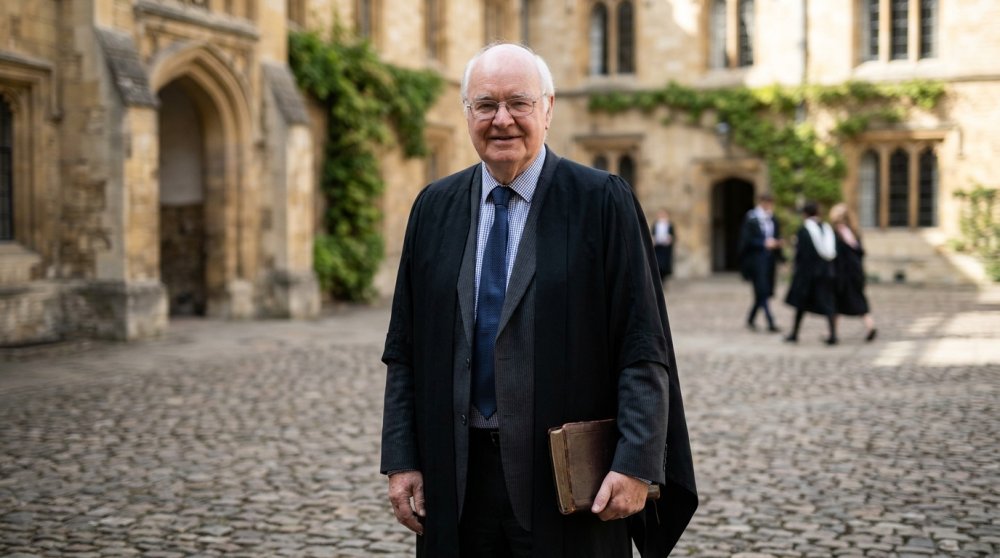
- Oxford mathematician and Christian apologist Professor John Lennox encourages believers to share their faith with confidence.
- Lennox stresses that evangelism is not reserved only for preachers, theologians, or those with extensive biblical knowledge.
- Every Christian is called to be a witness for Christ in daily life.
Oxford mathematician and Christian apologist Professor John Lennox is urging believers everywhere to share their faith with greater boldness and confidence. He reminds Christians that the call to witness is not limited to pastors or scholars but belongs to every follower of Christ.
“We’re all called to be witnesses,” Lennox declares. This simple truth challenges the idea that only trained experts can effectively share the gospel.
Professor Lennox emphasizes that evangelism is not about having every theological answer or delivering polished sermons. Instead, it is about living out and speaking the truth of Christ wherever God places His people.
His words come as a timely encouragement to Christians who may feel hesitant or unqualified to speak about their faith. Lennox points to the biblical calling that every believer is a witness, empowered by the Holy Spirit to share the hope within them.
Let us know what you think, please share your thoughts in the comments below.
Faith Facts
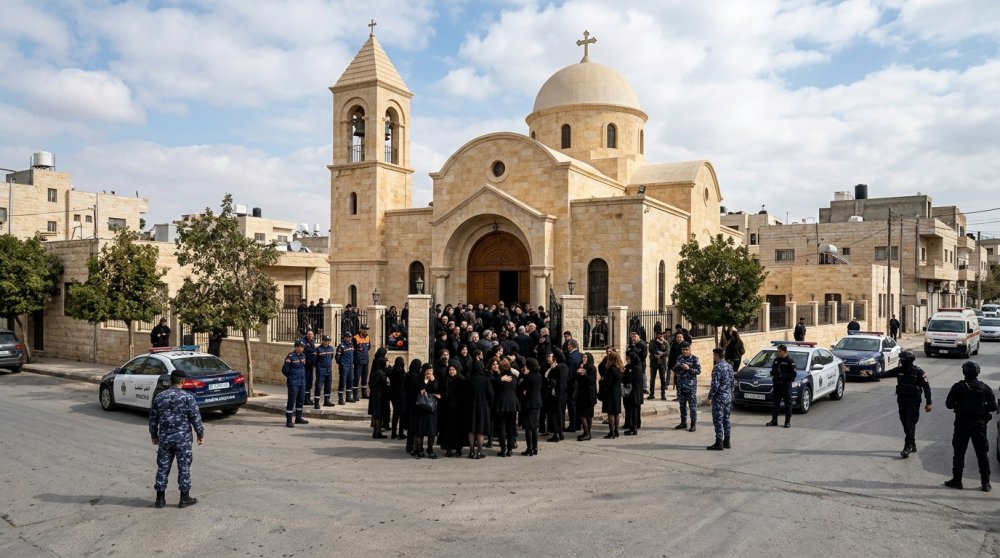
- At least seven Christians were killed in a targeted attack on a Greek Orthodox funeral service in Jordan.
- The assault occurred at a church known for peaceful worship and interfaith coexistence in the region.
- The attack highlights the ongoing threat of Islamic extremism to Christian communities worldwide.
In a rare attack in a country known for peaceful inter-faith coexistence, suspected Islamic extremists attacked a funeral at a Greek Orthodox church in Jordan on Friday (Oct. 23), shooting at least seven people to death and wounding 28 others, according to reports.
The violence interrupted a sacred time of mourning and remembrance, striking at the heart of a Christian community gathered in faith.
Let us know what you think, please share your thoughts in the comments below.


-

 Self-Reliance2 years ago
Trump’s Bold Move Uncovers Massive Social Security Fraud
-

 Faith2 years ago
New Clues Emerge in Noah’s Ark Mystery
-

 News2 years ago
Governor Walz’s Rhetoric Sparks National Controversy
-

 News2 years ago
Mel Gibson’s ‘The Passion of the Christ’ Sequel Title Announced
-

 Family2 years ago
Texas Lawmaker Targets Furries in Schools
-

 Freedom2 years ago
Maine Lawmaker Challenges Sports Fairness Controversy
-

 Family1 year ago
Canada’s Controversial Policy Sparks Ethical Debate
-
Faith11 months ago
Congress Hears Pleas for Nigerian Christians