
Faith
Jesus Revealed Who the ‘Poor in Spirit’ Really Are — and It Changes Everything

Faith Facts
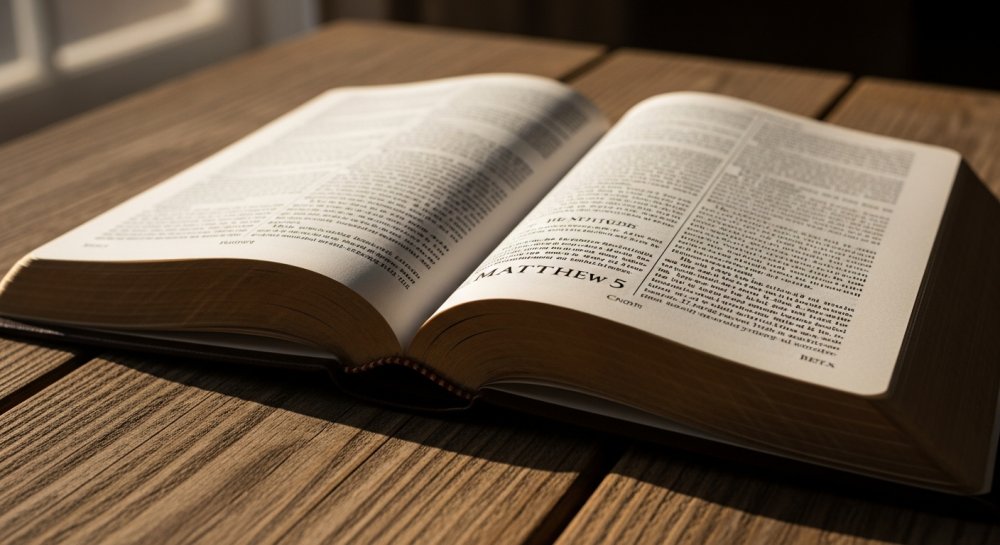
- Jesus’ teaching on being ‘poor in spirit’ in Matthew 5:3 refers to spiritual poverty, not economic status
- The Greek word ‘ptochos’ describes absolute spiritual destitution and complete dependence on God
- Being poor in spirit means recognizing our inability to save ourselves and our total need for Christ’s grace
The opening words of Jesus’ Sermon on the Mount have been misunderstood for generations. When Christ declares, “Blessed are the poor in spirit, for theirs is the kingdom of heaven,” many assume He is speaking about material poverty or humble economic circumstances.
But Scripture reveals a far more profound and challenging truth.
Jesus is addressing the condition of the human soul before a holy God. Being “poor in spirit” has nothing to do with one’s bank account and everything to do with recognizing our spiritual bankruptcy apart from Christ.
The Greek word translated “poor” is “ptochos,” which refers not to simple poverty but to absolute destitution — someone utterly dependent, with nothing to offer. This is the spiritual posture Jesus commends: a recognition that we bring nothing to God, that we cannot earn His favor, and that we are entirely dependent on His mercy.
In our modern culture, self-sufficiency is celebrated and dependence is scorned. Yet Jesus turns worldly values upside down, declaring that those who recognize their spiritual need are the truly blessed ones.
This teaching strikes at the heart of human pride. We naturally want to believe we can contribute to our own salvation, that we are fundamentally good people who deserve God’s blessing. But the poor in spirit have abandoned such delusions.
They understand what the prophet Isaiah declared: that our righteous deeds are like filthy rags before God. They embrace the truth that salvation is by grace alone, through faith alone, in Christ alone.
Being poor in spirit is not a one-time realization but an ongoing posture of the Christian life. Even after coming to faith, believers must continually acknowledge their dependence on God’s grace for sanctification, wisdom, strength, and every spiritual blessing.
This beatitude also exposes the danger of religious pride — the attitude of the Pharisee who thanked God he was not like other sinners. Self-righteousness is the opposite of spiritual poverty, and it bars the door to the kingdom of heaven.
The promise Jesus attaches to this beatitude is staggering: “theirs is the kingdom of heaven.” Not will be, but is. Those who come to God empty-handed, confessing their need, immediately enter the realm of His rule and blessing.
This stands in stark contrast to worldly kingdoms, which reward strength, achievement, and self-promotion. God’s kingdom operates on entirely different principles, welcoming those the world dismisses as weak or needy.
For American Christians navigating an increasingly secular culture, this teaching offers both comfort and challenge. We are called to resist the cultural pressure toward self-reliance and instead embrace our complete dependence on God.
True spiritual poverty recognizes that apart from Christ, we can do nothing of eternal value. It acknowledges that every good gift comes from the Father of lights, and that we are stewards, not owners, of all we possess.
This posture of humility before God naturally produces compassion toward others. Those who know they are spiritual beggars become generous toward physical beggars, recognizing their common humanity and shared need for grace.
In a political climate where both sides often claim God’s endorsement, being poor in spirit reminds us that our ultimate citizenship is in heaven. No political party or candidate can save us; only Christ can meet our deepest need.
The poor in spirit also understand the necessity of repentance — not as a one-time event but as a daily turning from self-reliance to God-reliance. They pray with the tax collector, “God, be merciful to me, a sinner,” rather than with the Pharisee’s self-congratulation.
This beatitude challenges the prosperity gospel and any theology that measures God’s blessing primarily in material terms. The truly blessed, Jesus says, are not necessarily the wealthy or successful by worldly standards, but those who recognize their spiritual poverty.
As our nation faces moral and spiritual challenges, the call to be poor in spirit becomes more urgent. We cannot solve our deepest problems through political action alone, but only through spiritual renewal that begins with humility before God.
The kingdom of heaven belongs not to those who think they have it all together, but to those who know they are desperately dependent on God’s grace. This is the paradox at the heart of the Gospel: we must become poor to become rich, weak to become strong, last to become first.
Let us know what you think, please share your thoughts in the comments below.

Faith Facts
- Dylan Mandell, a Christian social media influencer, has received his fourth cancer diagnosis in four years.
- Mandell publicly declares he is standing on God’s promise of long life despite the repeated health trials.
- The influencer’s testimony highlights unwavering faith and reliance on Scripture amid suffering.
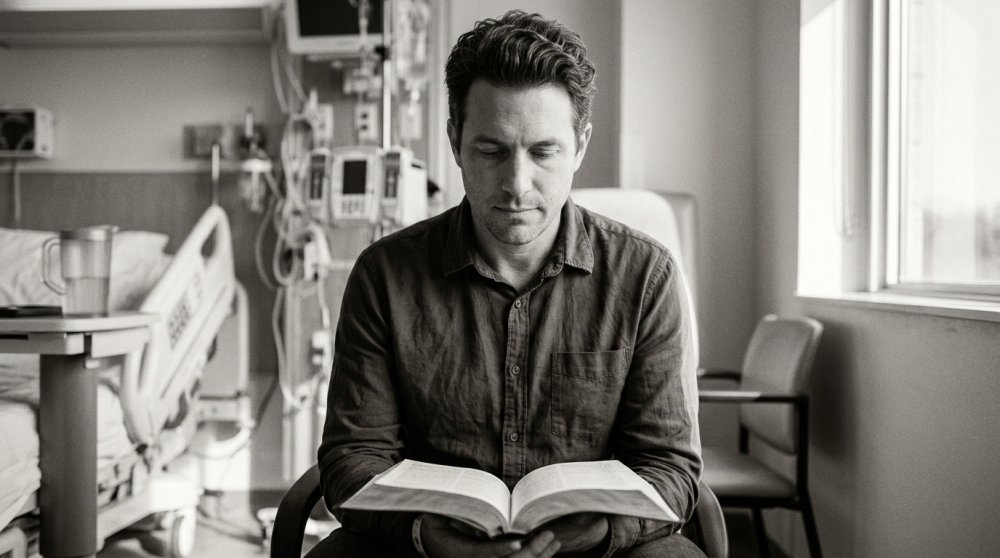
Christian social media influencer Dylan Mandell has been diagnosed with cancer for the fourth time in four years. Yet he refuses to let fear define his story. Instead, he is clinging to the biblical promise of long life.
“I am holding on to God’s promise of long life,” Mandell said. The statement reflects his determination to trust Scripture even when circumstances appear grim.
Family, friends, and followers have rallied around Mandell as he faces this latest battle. His transparency about his health has encouraged many believers to strengthen their own faith during trials.
Through every diagnosis, Mandell has pointed others back to the Word of God. He continues to share messages of hope grounded in Scripture rather than statistics.
Let us know what you think, please share your thoughts in the comments below.
Faith Facts
- Frank Turek continues sharing the Gospel on college campuses despite the trauma of witnessing Charlie Kirk’s assassination.
- Turek credits his faith in Christ for helping him process the violence and remain committed to truth.
- The Christian apologist warns that America is engaged in a spiritual battle over reality itself.
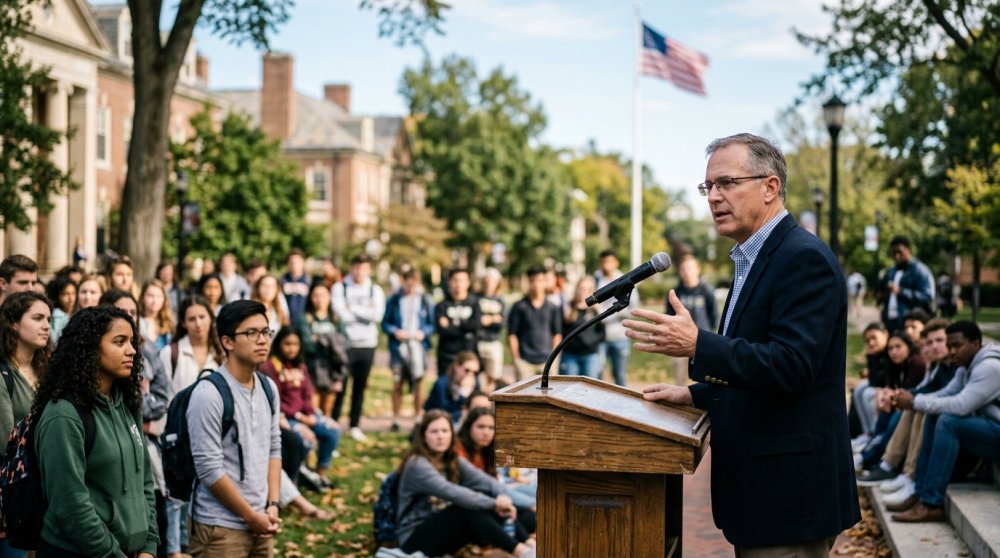
Christian apologist Frank Turek has spoken candidly about the profound effect of watching Charlie Kirk’s assassination unfold before his eyes. The shocking act of violence has not silenced his message. Instead, it has strengthened his resolve to continue proclaiming the Gospel on university campuses across the nation.
Turek explained that his faith has been the anchor keeping him steady through the aftermath of the tragedy. He described turning to Scripture and prayer as he grappled with the reality of what he witnessed. That same faith now fuels his determination to keep engaging students with biblical truth.
“The war on reality is real, and it is spiritual,” Turek stated.
He emphasized that the same cultural forces celebrating the murder of Charlie Kirk are the forces actively opposing biblical Christianity on campuses and in the public square. Turek refused to retreat in the face of such hostility, insisting that the Gospel must still be proclaimed even when the cost is high.
“I refuse to back down,” he declared.
Turek’s commitment reflects a broader pattern among Christian leaders who view current cultural battles as part of an ongoing spiritual conflict. He continues to equip believers with apologetics while urging them to stand firm in the face of increasing opposition to traditional values and religious liberty.
Let us know what you think, please share your thoughts in the comments below.
Faith Facts
- Parents in Connecticut challenged a state law that removed religious exemptions for school vaccine requirements.
- The lawsuit was dismissed after a judge ruled the exemptions are not protected under existing religious freedom statutes.
- The decision leaves families with no legal recourse when their sincerely held beliefs conflict with state mandates.
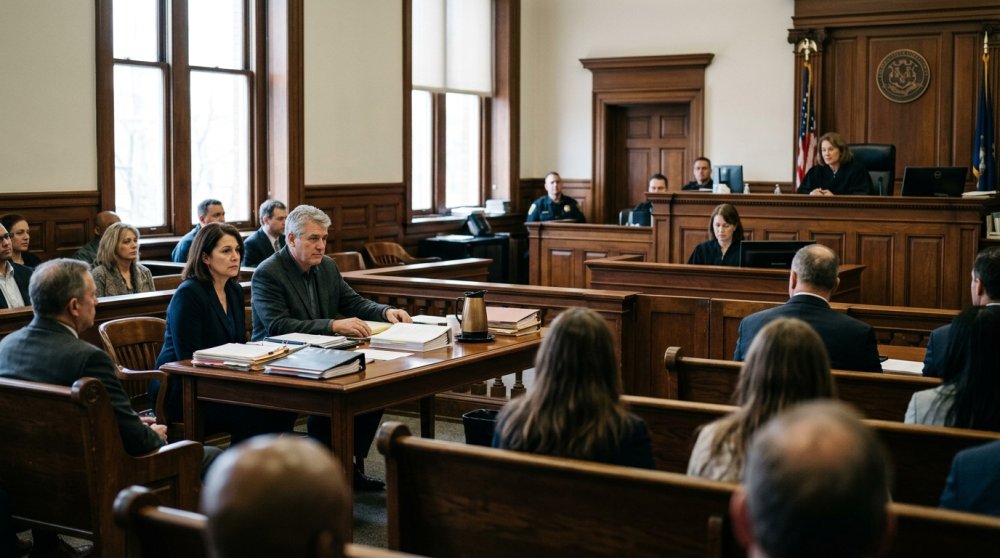
Parents who filed suit to protect their right to decline vaccines on religious grounds saw their case dismissed by a Connecticut judge. The court ruled that the state law eliminating religious exemptions does not violate the state’s religious freedom protections.
The decision means children whose parents hold sincere religious objections to certain vaccines will still be required to receive them in order to attend public school. Families who believe vaccination conflicts with their faith now face limited options within the state.
“The plaintiffs have failed to demonstrate that the religious exemptions are protected under the state religious freedom law,” the ruling stated.
Advocates for parental rights argue the ruling prioritizes government mandates over deeply held beliefs. They warn that similar efforts to remove religious exemptions could spread to other states if left unchallenged.
Critics of the original law contend it undermines the principle that parents, not the state, hold primary responsibility for medical decisions involving their children. They say the ruling sets a troubling precedent that could erode other conscience protections.
Let us know what you think, please share your thoughts in the comments below.


-

 Self-Reliance1 year ago
Trump’s Bold Move Uncovers Massive Social Security Fraud
-

 Faith1 year ago
New Clues Emerge in Noah’s Ark Mystery
-

 News2 years ago
Governor Walz’s Rhetoric Sparks National Controversy
-

 News1 year ago
Mel Gibson’s ‘The Passion of the Christ’ Sequel Title Announced
-

 Family2 years ago
Texas Lawmaker Targets Furries in Schools
-

 Freedom2 years ago
Maine Lawmaker Challenges Sports Fairness Controversy
-

 Family1 year ago
Canada’s Controversial Policy Sparks Ethical Debate
-
Faith10 months ago
Congress Hears Pleas for Nigerian Christians