
Faith
Historic Final Hearing Affirms Faith’s Role in America’s Foundation

Faith Facts
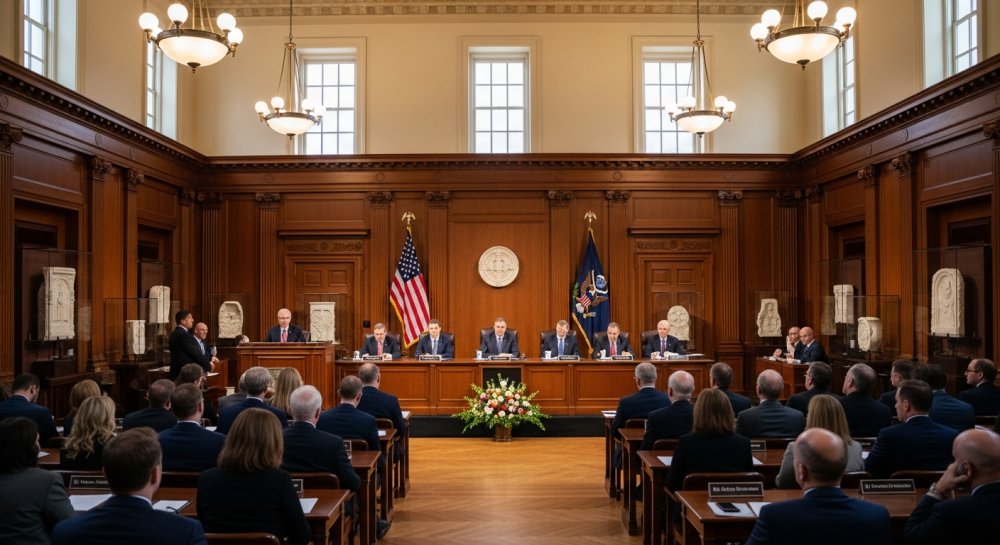
- The White House Religious Liberty Commission held its seventh and final hearing at the Museum of the Bible in Washington, D.C.
- Leaders emphasized that the phrase ‘separation of church and state’ does not appear in the U.S. Constitution
- Commissioners discussed religious liberty’s past, present, and future role in American society
The White House Religious Liberty Commission convened for its historic final hearing at the Museum of the Bible on Monday, bringing together faith leaders and constitutional scholars to examine religious freedom in America. The gathering marked the culmination of the commission’s work examining the intersection of faith and public life.
The commission’s discussions centered on correcting widespread misconceptions about the relationship between faith and government. Speakers emphasized a fundamental truth often obscured in modern discourse: the Constitution does not mandate a separation of church and state.
“There is no such thing as separation of church and state,” commissioners affirmed, citing the First Amendment’s actual text which prevents government establishment of religion while protecting free exercise of faith.
The Museum of the Bible provided a fitting backdrop for the proceedings, underscoring the deep religious roots that shaped America’s founding documents and principles. Commissioners traced religious liberty from the nation’s earliest days through contemporary challenges facing people of faith.
The hearing examined how religious freedom has been protected, challenged, and defended throughout American history. Commissioners discussed current threats to religious expression and proposed frameworks for safeguarding these fundamental rights for future generations.
Faith leaders participating in the hearing stressed that religious liberty remains essential to American identity and constitutional governance. They noted that the Founders intended to prevent government interference with religious practice, not to exclude faith from public discourse.
The commission’s work has focused on protecting the rights of believers to live according to their convictions in all spheres of life, including business, education, and civic engagement. Monday’s final hearing represented a capstone to these efforts.
Discussions addressed contemporary challenges including restrictions on worship, conscience protections for religious organizations, and the ability of faith-based institutions to operate according to their beliefs. Commissioners evaluated both progress made and ongoing concerns requiring vigilance.
The gathering brought together diverse perspectives united by commitment to constitutional religious freedom. Participants emphasized that protecting religious liberty strengthens American democracy rather than threatening it.
As the commission concluded its work, members reflected on the enduring importance of First Amendment protections. They called on Americans to understand and defend the true meaning of religious freedom as envisioned by the Founders.
Let us know what you think, please share your thoughts in the comments below.

Faith Facts
- Pastor Michael Todd serves as lead pastor of Transformation Church in Tulsa, Oklahoma.
- Todd was recently elevated to the rank of apostle in a public service at his church.
- Scripture teaches that believers should guard the biblical qualifications for spiritual leadership outlined in the New Testament.
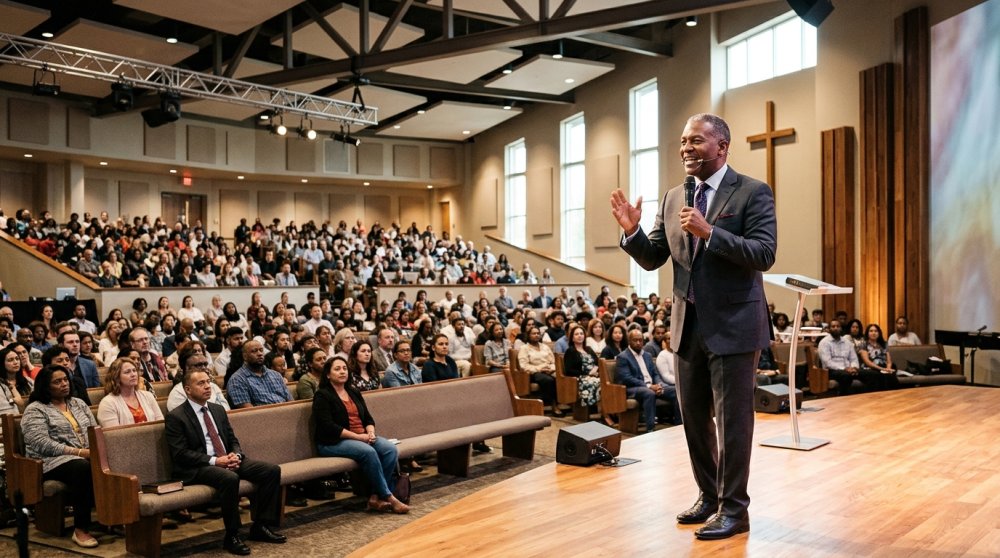
Pastor Michael Todd of Transformation Church in Tulsa, Oklahoma, says he “could care less” about what people think about his recent elevation to the rank of “apostle” in an elaborate service Sunday, which has been drawing significant criticism online.
The remarks were made after Todd’s church held a ceremony that formally recognized him with the apostolic title. The move has sparked debate among Christians online about the use of biblical titles in modern ministry.
“I could care less,” Todd stated in response to those questioning the decision.
Let us know what you think, please share your thoughts in the comments below.

Faith Facts
- Jon Rush believes Christians should skip the single-player story in Grand Theft Auto VI but remain present in the online world.
- The gaming evangelist is planting a church within the immersive digital environment of the highly anticipated release.
- Rush encourages believers to engage with the virtual world in a way that upholds traditional Christian values.
Gaming evangelist Jon Rush is sparking conversation about how Christians can respond to one of the most controversial video game releases in history.
Grand Theft Auto VI continues to generate headlines for its violent content and moral themes. Rush believes believers should approach the game with caution.
“Christians should skip the single-player story, but still engage with the immersive digital world that’s been created.”
Rather than abandon the platform entirely, Rush has chosen to plant a church inside the online version of the game.
His approach aims to bring the message of Jesus into a space where many young people spend significant time.
“He’s even planting a church there.”
This unconventional ministry highlights the growing intersection between faith and digital culture.
Rush’s decision reflects a desire to reach gamers where they are while upholding biblical principles.
Let us know what you think, please share your thoughts in the comments below.
Faith Facts
- The word “just” often appears in Christian prayers without much thought.
- Gemma Hunt suggests that this small word may reveal deeper attitudes toward God.
- Prayer is presented as an opportunity to approach the Lord with confidence and reverence.
It’s a tiny word that slips into almost every prayer: “Lord, I just want to thank you.”
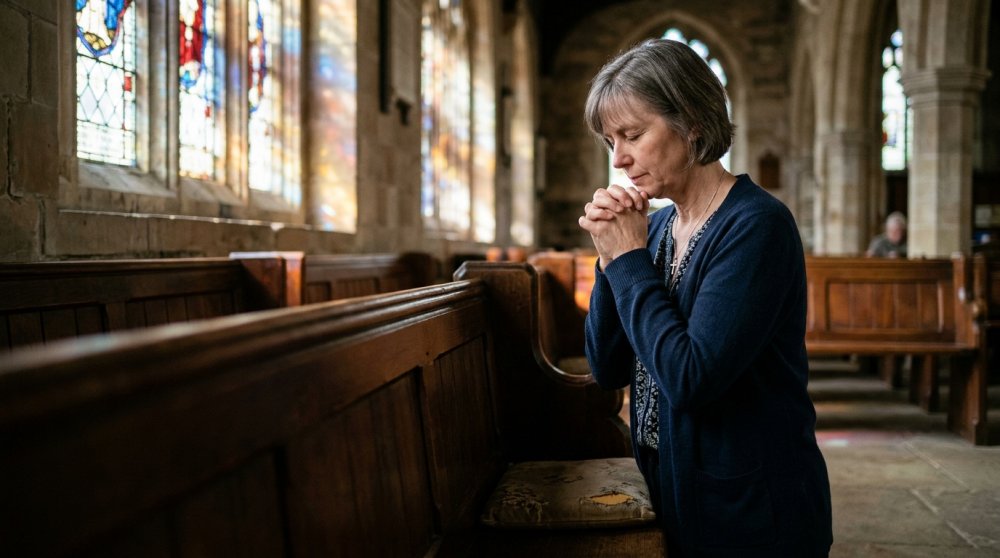
But Gemma Hunt says your seemingly innocent use of ‘just’ may be revealing something significant about how you see yourself before God.
“Lord, I just want to thank you.”
Hunt argues that repeatedly using the word “just” can unintentionally diminish the boldness and reverence believers are called to bring into prayer.
She encourages Christians to examine whether this habit reflects a lack of confidence in approaching the throne of grace.
“It may be revealing something significant about how you see yourself before God.”
Let us know what you think, please share your thoughts in the comments below.


-

 Self-Reliance2 years ago
Trump’s Bold Move Uncovers Massive Social Security Fraud
-
 Faith2 years ago
New Clues Emerge in Noah’s Ark Mystery
-
 News2 years ago
Governor Walz’s Rhetoric Sparks National Controversy
-
 News2 years ago
Mel Gibson’s ‘The Passion of the Christ’ Sequel Title Announced
-

 Family2 years ago
Texas Lawmaker Targets Furries in Schools
-

 Freedom2 years ago
Maine Lawmaker Challenges Sports Fairness Controversy
-

 Family1 year ago
Canada’s Controversial Policy Sparks Ethical Debate
-
Faith12 months ago
Congress Hears Pleas for Nigerian Christians