
News
Hindu Nationalist Leader Denies Targeting Christians While Persecution Soars

Faith Facts
- Dattatreya Hosabale, general secretary of the Hindu nationalist organization Rashtriya Swayamsevak Sangh (RSS), denied claims that his group is anti-Christian during a recent Washington, D.C. event.
- The RSS has been linked to escalating persecution of Christians in India, with documented cases of violence, church attacks, and restrictive anti-conversion laws targeting religious minorities.
- Christian leaders and international watchdog groups continue to raise alarm about the deteriorating conditions for believers in the world’s largest democracy.
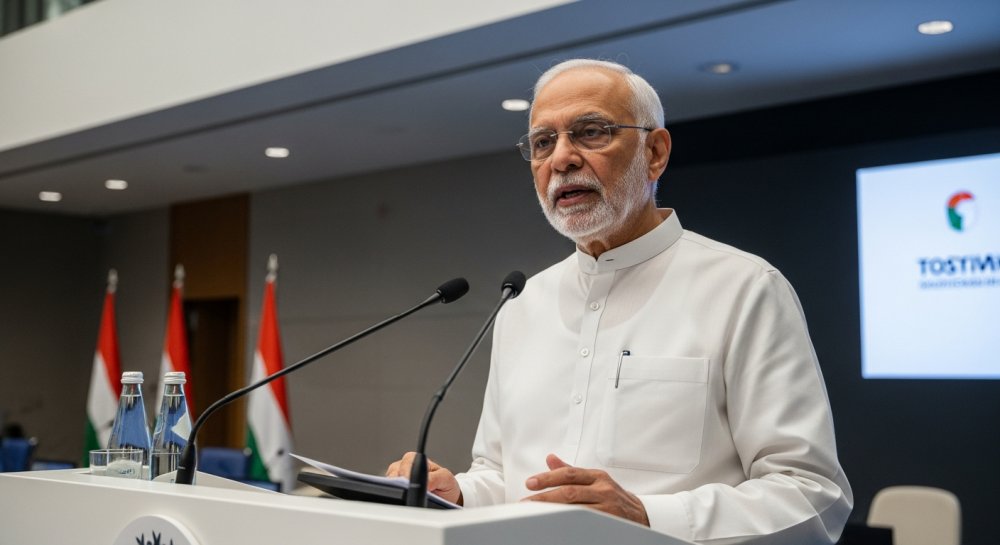
Dattatreya Hosabale, the general secretary of one of India’s most powerful Hindu nationalist organizations, addressed American audiences this week with a message that stands in stark contrast to the experiences of persecuted Christians on the ground in India. Speaking at an event in Washington, D.C., Hosabale insisted that the Rashtriya Swayamsevak Sangh (RSS) harbors no hostility toward Christians.
The RSS is widely regarded as the ideological parent of India’s ruling Bharatiya Janata Party and has been accused by human rights organizations of fueling religious intolerance and violence against Christian and Muslim minorities. Under the leadership of Prime Minister Narendra Modi, who has deep ties to the RSS, India has seen a sharp increase in anti-Christian incidents.
Christian communities across India report systematic harassment, violent mob attacks, false accusations under anti-conversion laws, and the destruction of church property. Many believers have been forced to worship in secret, fearing reprisals from Hindu nationalist groups emboldened by political support.
Despite this well-documented pattern of persecution, Hosabale’s denial reflects a broader strategy by Hindu nationalist leaders to present a moderate face to international audiences while enabling a climate of fear and intimidation at home. The RSS, founded in 1925, promotes a vision of India as a Hindu nation, a stance fundamentally at odds with the country’s constitutional commitment to religious pluralism.
“We are not against any religion,” Hosabale reportedly claimed during his Washington appearance. “We believe in coexistence and harmony.”
Yet Christian advocacy groups paint a very different picture. Reports from organizations monitoring religious freedom in India describe a coordinated campaign to marginalize and silence Christian voices, often with the tacit approval or active participation of local authorities aligned with the RSS and its affiliated groups.
Anti-conversion laws, ostensibly designed to prevent forced conversions, have been weaponized against Christians who peacefully share their faith. These laws have been enacted in multiple Indian states and are frequently used to justify arrests, intimidation, and violence against pastors and congregants.
For American Christians, the situation in India serves as a sobering reminder of the fragility of religious freedom and the importance of standing with believers facing persecution worldwide. As Hosabale seeks to polish the RSS’s image abroad, the reality for India’s Christians remains one of growing danger and diminishing liberty.
The disconnect between Hosabale’s public relations tour and the lived experiences of Indian Christians underscores the need for continued vigilance and advocacy. Religious freedom is not merely a political issue—it is a God-given right that must be defended wherever it is under threat.
Let us know what you think, please share your thoughts in the comments below.


Faith Facts
- Scripture calls believers to guard their hearts and minds against fear and darkness.
- Many Christians view Halloween as a celebration that glorifies the occult rather than Christ.
- Traditional American families are increasingly seeking faith-based alternatives to secular holidays.
Conservative commentator Allie Beth Stuckey touched off fresh discussion among believers this week by urging Christians to reconsider full participation in Halloween festivities and horror films. She framed the issue as one of spiritual discernment rather than mere personal preference.
Stuckey, host of the BlazeTV program “Relatable,” contends that engaging with fear-based entertainment can desensitize believers to the reality of evil. Her comments quickly circulated among Christian audiences who hold differing convictions about the holiday.
Allie deleted this and I need it for a video so I’m posting it for that. Hi people watching on YouTube! Make sure to subscribe and like the video! https://t.co/wuJyBMRDvg
— adrian (@SipsWithSerra) October 23, 2026
“Facilitating fear”
Critics within the faith community argued that Halloween can be redeemed through harvest festivals and gospel-centered outreach. Supporters of Stuckey’s position maintained that any celebration tied to witchcraft and death runs counter to biblical teaching on light and life.
Parents across the country are weighing how to shepherd their children through a holiday that has grown increasingly dark in popular culture. Many report turning instead to church-sponsored events that emphasize community and gratitude.
Let us know what you think, please share your thoughts in the comments below.

Faith Facts
- Parents have the God-given responsibility to raise and guide their children in truth.
- School policies that hide critical information from parents undermine family authority and biblical values.
- Christian parents have the right to know what is being taught and discussed with their children in public schools.
A New Jersey school district has settled a Moms for Liberty lawsuit by agreeing never to readopt a gender identity policy that let staff keep students’ transitions secret from parents.
The settlement marks a significant win for parental rights in education. Families across the nation have grown increasingly concerned about schools inserting themselves between children and their parents on matters of identity and medical decisions.
Christian parents view this outcome as a reaffirmation of the biblical order where mothers and fathers hold primary responsibility for their children. The district’s reversal demonstrates that legal action can restore transparency when policies favor secrecy over family involvement.
“This settlement sends a clear message that schools cannot hide important information from parents,” said a Moms for Liberty spokesperson. “Parents deserve to know what is happening in their children’s lives at school.”
The agreement prevents the district from reinstating the controversial policy. This protects future students from similar situations where school staff might withhold information about gender identity issues from families.
Communities nationwide continue to push back against policies that prioritize activist agendas over parental involvement. The New Jersey case reflects a growing movement among families who refuse to allow schools to operate outside their oversight.
Let us know what you think, please share your thoughts in the comments below.
Faith Facts
- Character and integrity are essential for those who seek public office, as Scripture teaches that leaders should be above reproach.
- Christians are called to seek wisdom and discernment when evaluating political endorsements and their alignment with biblical values.
- Family legacy and tradition play a significant role in shaping the political and cultural direction of our nation.
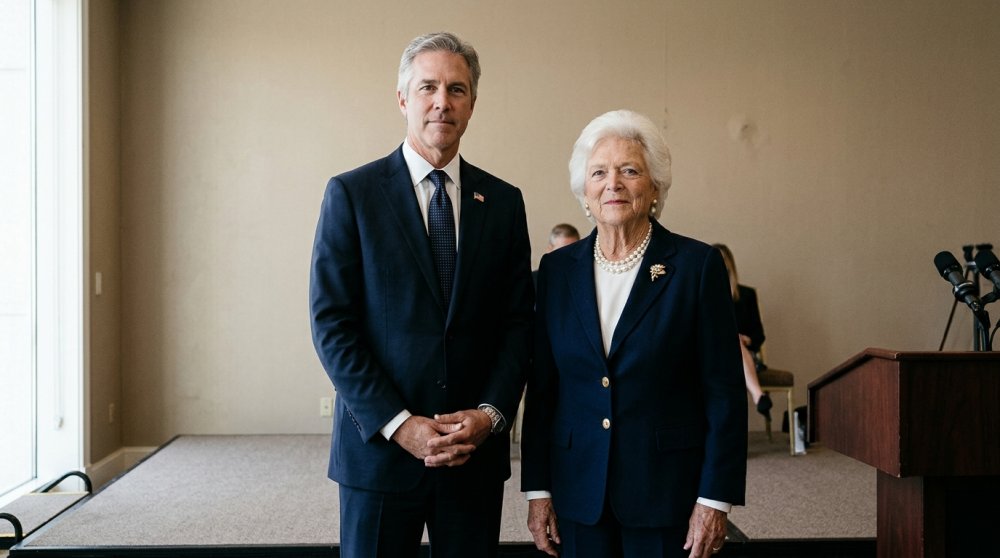
Barbara Bush and Neil Bush, daughter and brother of former President George W. Bush, have announced their support for Democratic Texas state Representative James Talarico in the upcoming U.S. Senate race. The endorsement has drawn sharp criticism from many conservatives who see it as a departure from the values the Bush family once represented.
Critics argue that the move further distances the Bush dynasty from the Republican base that once rallied behind them. They contend that supporting a candidate from the opposing party undermines the principles of limited government and traditional values long associated with the Bush name.
“Character matters more,” the family members stated in their endorsement of Talarico. The phrase has been repeated across social media and conservative outlets as evidence of shifting allegiances within one of America’s most prominent political families.
Many longtime Republican voters express disappointment, viewing the endorsement as yet another example of the Bush family prioritizing personal relationships over party loyalty and conservative convictions. The decision has reignited debates about legacy, loyalty, and the future of the Republican Party in Texas.
Let us know what you think, please share your thoughts in the comments below.


-

 Self-Reliance2 years ago
Trump’s Bold Move Uncovers Massive Social Security Fraud
-

 Faith2 years ago
New Clues Emerge in Noah’s Ark Mystery
-

 News2 years ago
Governor Walz’s Rhetoric Sparks National Controversy
-

 News2 years ago
Mel Gibson’s ‘The Passion of the Christ’ Sequel Title Announced
-

 Family2 years ago
Texas Lawmaker Targets Furries in Schools
-

 Freedom2 years ago
Maine Lawmaker Challenges Sports Fairness Controversy
-

 Family1 year ago
Canada’s Controversial Policy Sparks Ethical Debate
-
Faith11 months ago
Congress Hears Pleas for Nigerian Christians