
News
British Lords Block Assisted Dying Push in Major Pro-Life Victory


Faith Facts
- The UK House of Lords successfully blocked an assisted dying bill on April 24, preventing the legislation from advancing to the next parliamentary session.
- The halt represents a significant victory for pro-life advocates who view assisted dying as a threat to the sanctity of human life.
- The upper chamber’s resistance to the bill reflects ongoing concerns about protecting vulnerable populations from coercion and preserving the Hippocratic principle of doing no harm.
The United Kingdom’s House of Lords dealt a decisive blow to proponents of assisted dying, effectively stopping proposed legislation that would have fundamentally altered the nation’s approach to end-of-life care. The bill failed to progress through the upper chamber on April 24, marking a critical moment in the ongoing battle to preserve the sanctity of human life.
This development represents a major victory for Christians and pro-life advocates who have long warned about the dangerous precedent set by legalizing physician-assisted death. The stalling of this legislation demonstrates that principled resistance to policies that devalue human dignity can still prevail in modern democratic institutions.
The failure of the bill to advance means it will not move forward into the next parliamentary session, effectively putting the controversial proposal on hold. This outcome provides breathing room for faith communities and pro-life organizations to continue educating the public about the moral and practical dangers of assisted dying legislation.
Supporters of traditional Christian values view this development as evidence that the sanctity of life remains a persuasive principle in British society. The House of Lords’ decision to halt the bill reflects deep-seated concerns about protecting vulnerable populations, including the elderly, disabled, and those suffering from depression, who might face pressure to end their lives prematurely.
The debate over assisted dying strikes at the heart of what it means to respect human dignity from conception to natural death. Christians have consistently maintained that all human life is sacred and that society has an obligation to provide compassionate care for the dying rather than facilitating their deaths.
This setback for the assisted dying movement in the UK mirrors ongoing battles in other Western nations, where pro-life advocates continue to resist efforts to normalize euthanasia and physician-assisted suicide. The British experience demonstrates that legislative victories for life are still achievable when people of faith stand firm on biblical principles.
Let us know what you think, please share your thoughts in the comments below.


Faith Facts
- The Evangelical Press Association has formally changed its name to the Christian Communicators Network.
- The new name reflects a board-approved decision to remove the word “evangelical” from the organization’s identity.
- Some members raised concerns about the implications of dropping the term “evangelical” from the group’s title.
Members of the Evangelical Press Association recently approved a proposal to change the organization’s name to the Christian Communicators Network.
The decision was put forward by the board and passed a membership vote, though it was not without opposition from some participants.
Critics within the group expressed concern that removing the word “evangelical” could signal a shift away from the association’s historic emphasis on biblical truth and gospel-centered communication.
Supporters of the name change argued that the new title better reflects the broader scope of Christian media work today.
“We believe this name more accurately represents the mission and diversity of our members,” a board statement said.
The transition marks a significant rebranding for an organization that has long served Christian journalists, editors, and publishers across the country.
While the vote has concluded, conversations about the implications of the name change are expected to continue among members who value the term “evangelical” as central to their identity and mission.
Let us know what you think, please share your thoughts in the comments below.
Faith Facts
- 37 Maryland churches are challenging United Methodist denominational rules governing property and exit procedures.
- An appeals court panel ruled against the congregations in their latest legal effort.
- Local churches seek to retain property and autonomy while remaining faithful to traditional Christian doctrine.
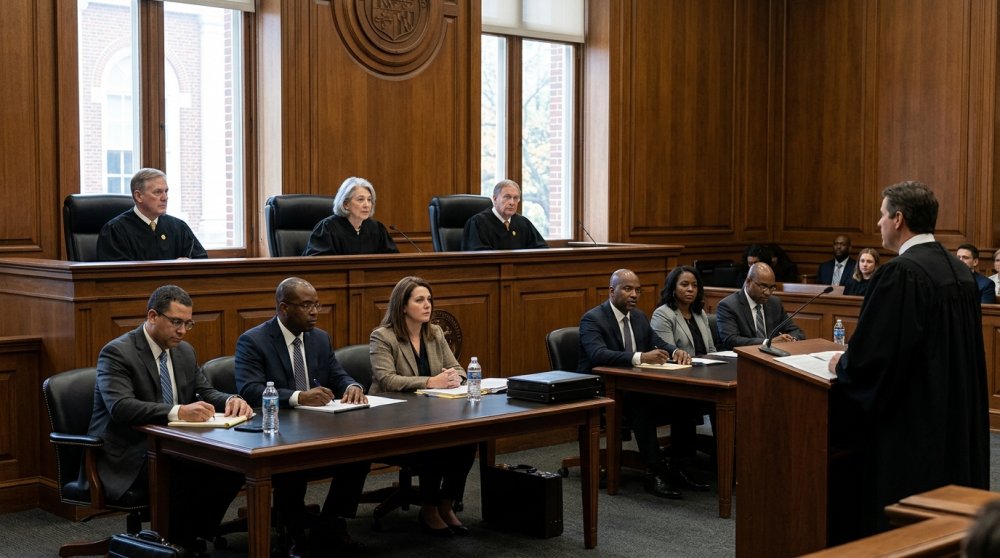
A Maryland appeals court has rejected the latest attempt by 37 congregations seeking to leave the United Methodist Church while retaining their church properties. The decision marks another setback for churches that argue the denomination’s exit rules place an unfair burden on congregations wishing to depart.
The suit centers on claims that the United Methodist Church’s trust clause and related policies make it nearly impossible for local churches to leave the denomination without losing buildings and assets they have maintained for generations. Church leaders contend these rules conflict with longstanding principles of local church autonomy.
“We are disappointed by the court’s decision and will prayerfully consider our next steps,” a representative for the congregations stated. “Our commitment to biblical truth and to serving our communities remains unchanged.”
Many of the congregations involved in the lawsuit have historically held to traditional Christian teachings on marriage and human sexuality. They maintain that their doctrinal convictions, rather than financial motives, are driving the desire to separate from the larger denomination.
The ongoing legal battle highlights growing tensions within mainline Protestant bodies over issues of doctrine, property rights, and the freedom of local congregations to govern their own affairs. Supporters of the churches argue that such disputes strike at the heart of religious liberty and the ability of faith communities to preserve their witness.
Let us know what you think, please share your thoughts in the comments below.
News
Federal Appeals Court Upholds Christian Auto Repair Chain’s Right to Franchise Exclusively to Believers
Faith Facts
- The U.S. Court of Appeals affirmed that a Christian-owned auto repair franchise may restrict ownership to professing Christians without violating federal law.
- The ruling protects the religious liberty of business owners to align their companies with their sincerely held Christian beliefs.
- The decision rejects claims that such faith-based hiring practices in franchising constitute unlawful religious discrimination.
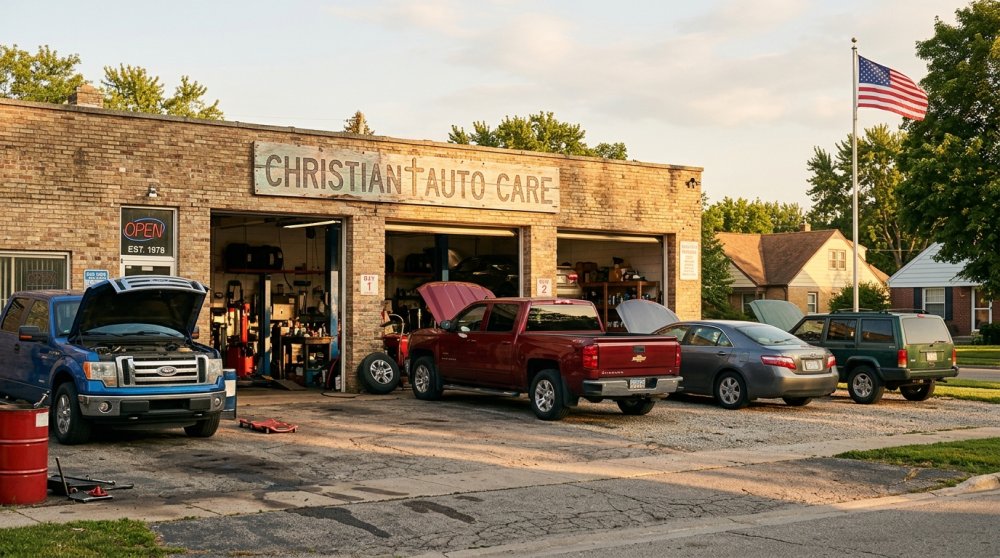
A federal appeals court has affirmed the right of a Christian-owned auto repair franchise to limit ownership to professing believers.
The unanimous panel decision dismissed a lawsuit brought by a Jewish applicant who was denied a franchise on the basis of his faith.
The court found that the company’s requirement reflects a legitimate exercise of religious freedom rather than illegal discrimination.
“We hold that the company’s policy of franchising only to Christians is protected under the First Amendment and applicable federal statutes,”
“This decision reaffirms that faith-based businesses have the constitutional right to operate according to their religious convictions,”
The ruling sends a clear message that religious liberty extends into the marketplace, allowing Christian entrepreneurs to build companies that honor their faith.
Let us know what you think, please share your thoughts in the comments below.


-

 Self-Reliance2 years ago
Trump’s Bold Move Uncovers Massive Social Security Fraud
-

 Faith1 year ago
New Clues Emerge in Noah’s Ark Mystery
-

 News2 years ago
Governor Walz’s Rhetoric Sparks National Controversy
-

 News2 years ago
Mel Gibson’s ‘The Passion of the Christ’ Sequel Title Announced
-

 Family2 years ago
Texas Lawmaker Targets Furries in Schools
-

 Freedom2 years ago
Maine Lawmaker Challenges Sports Fairness Controversy
-

 Family1 year ago
Canada’s Controversial Policy Sparks Ethical Debate
-
Faith11 months ago
Congress Hears Pleas for Nigerian Christians