
Faith
DOJ Findings Expose Bias Threatening Religious Freedom Groups


A recent Department of Justice review has exposed a troubling reality regarding the enforcement of the Freedom of Access to Clinic Entrances (FACE) Act. While designed to protect both abortion clinics and houses of worship, the law has been weaponized against the very organizations that provide compassionate, life-affirming care to women in need.
Pregnancy help centers across the nation have faced an increase in vandalism and intimidation. Yet these incidents often receive little attention compared to those involving abortion providers. Meanwhile, federal officials maintained close coordination with abortion advocacy groups while neglecting the security concerns of Christian ministries.
The report underscores a dangerous imbalance where government power is used to favor a secular narrative over the sanctity of life. Catholic father Mark Houck, who was acquitted after a heavy-handed FBI raid on his home, recently received a million-dollar settlement. The case highlights the gross misuse of federal authority against peaceful citizens.
“Women deserve justice from the Department of Justice, not ideological politics masquerading as law enforcement.”
As believers, we must stand for the equal protection of those who provide alternatives to the abortion industry. Restoring accountability within our government is essential to ensuring that religious freedom and the right to advocate for the unborn remain protected from political bias.
Faith Facts
- Nearly 3,000 pregnancy help centers in the U.S. provide free medical and material support to women.
- The FACE Act was originally written to protect both abortion providers and pregnancy help organizations equally.
- Pro-life activist Mark Houck was awarded over $1 million after being wrongfully targeted by federal authorities.
True justice requires that our government protects those walking in faith to serve the most vulnerable among us.


Faith Facts
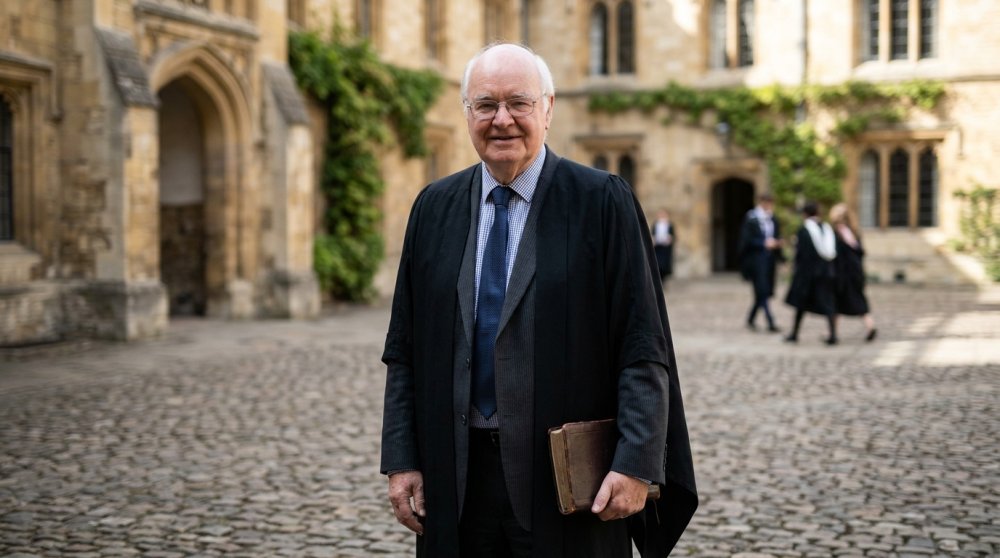
- Oxford mathematician and Christian apologist Professor John Lennox encourages believers to share their faith with confidence.
- Lennox stresses that evangelism is not reserved only for preachers, theologians, or those with extensive biblical knowledge.
- Every Christian is called to be a witness for Christ in daily life.
Oxford mathematician and Christian apologist Professor John Lennox is urging believers everywhere to share their faith with greater boldness and confidence. He reminds Christians that the call to witness is not limited to pastors or scholars but belongs to every follower of Christ.
“We’re all called to be witnesses,” Lennox declares. This simple truth challenges the idea that only trained experts can effectively share the gospel.
Professor Lennox emphasizes that evangelism is not about having every theological answer or delivering polished sermons. Instead, it is about living out and speaking the truth of Christ wherever God places His people.
His words come as a timely encouragement to Christians who may feel hesitant or unqualified to speak about their faith. Lennox points to the biblical calling that every believer is a witness, empowered by the Holy Spirit to share the hope within them.
Let us know what you think, please share your thoughts in the comments below.
Faith Facts
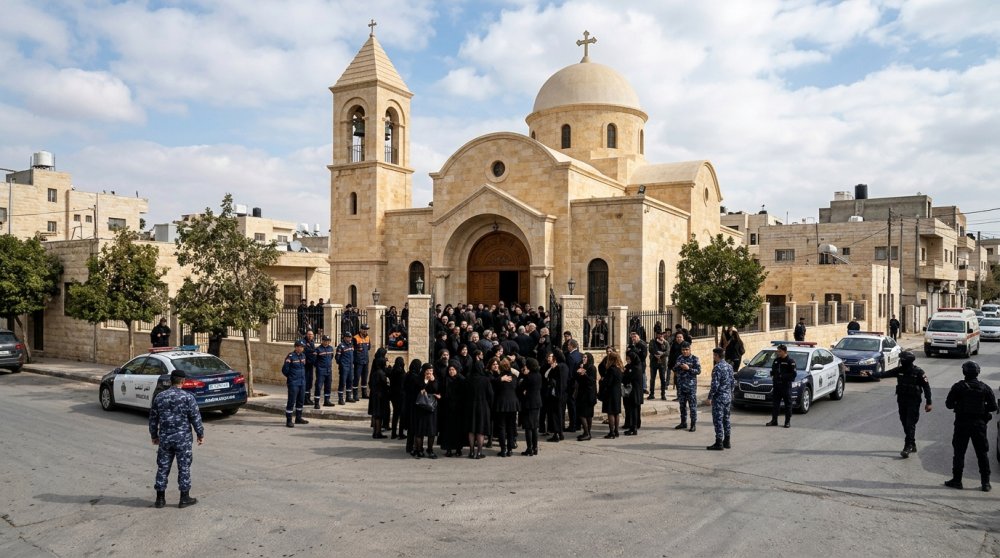
- At least seven Christians were killed in a targeted attack on a Greek Orthodox funeral service in Jordan.
- The assault occurred at a church known for peaceful worship and interfaith coexistence in the region.
- The attack highlights the ongoing threat of Islamic extremism to Christian communities worldwide.
In a rare attack in a country known for peaceful inter-faith coexistence, suspected Islamic extremists attacked a funeral at a Greek Orthodox church in Jordan on Friday (Oct. 23), shooting at least seven people to death and wounding 28 others, according to reports.
The violence interrupted a sacred time of mourning and remembrance, striking at the heart of a Christian community gathered in faith.
Let us know what you think, please share your thoughts in the comments below.
Faith Facts
- God examines the heart rather than outward gestures during worship.
- Scripture teaches that authentic faith is shown through obedience and love, not visible enthusiasm.
- Believers are called to honor every sincere heart that worships in spirit and truth.
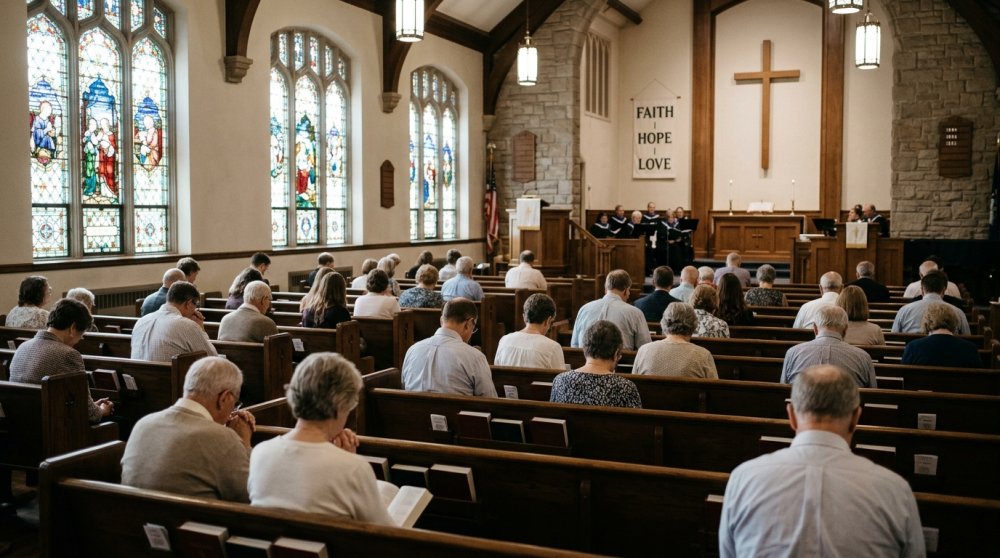
Too often, outward expressions of enthusiasm are mistaken for spiritual maturity. But God looks at the heart, not whether we’re standing, sitting or raising our hands, says Dawn Butler.
“God looks at the heart, not whether we’re standing, sitting or raising our hands,”
Churches across America have seen a growing emphasis on physical expressions during worship. This trend can unintentionally pressure believers who prefer quieter reverence. The result is that some faithful Christians feel judged for their personal style of worship.
“Too often, outward expressions of enthusiasm are mistaken for spiritual maturity.”
True worship flows from a surrendered heart that seeks to honor God in every area of life. Scripture consistently points to inward devotion rather than external performance. When congregations focus on visible actions, they risk overlooking the quiet strength of those who serve faithfully in the background.
Christian liberty allows room for both raised hands and bowed heads. The key is whether each believer approaches the Lord with reverence and sincerity. Families benefit when churches encourage unity over uniformity in worship practices.
“God looks at the heart, not whether we’re standing, sitting or raising our hands.”
Let us know what you think, please share your thoughts in the comments below.


-

 Self-Reliance2 years ago
Trump’s Bold Move Uncovers Massive Social Security Fraud
-

 Faith2 years ago
New Clues Emerge in Noah’s Ark Mystery
-

 News2 years ago
Governor Walz’s Rhetoric Sparks National Controversy
-

 News2 years ago
Mel Gibson’s ‘The Passion of the Christ’ Sequel Title Announced
-

 Family2 years ago
Texas Lawmaker Targets Furries in Schools
-

 Freedom2 years ago
Maine Lawmaker Challenges Sports Fairness Controversy
-

 Family1 year ago
Canada’s Controversial Policy Sparks Ethical Debate
-
Faith11 months ago
Congress Hears Pleas for Nigerian Christians