
Faith
Christian Faces Legal Threat in Malta Over Testimony

Faith Facts
- Matthew Grech, a Christian in Malta, faces prosecution for sharing his testimony of leaving homosexuality after coming to Christ.
- The case centers on Malta’s ban on so-called “conversion therapy,” the first such law in the European Union.
- Supporters argue his rights to freedom of speech, conscience, and religion are under attack for expressing biblical beliefs.
Matthew Grech has warned that restrictions on sharing Christian testimonies about transformation could soon affect believers worldwide.
Grech was targeted after a media interview where he explained his personal faith journey and voluntary decision to follow biblical teaching on sexuality.
He faces the possibility of jail under Malta’s 2016 law, which bans “conversion therapy,” despite his statements being a testimony of his journey with Christ and not an offer of therapy.
His defense asserts that these charges violate fundamental rights guaranteed under Malta’s constitution and European human rights law.
“Anyone who cares about freedom of speech should feel alarmed by what is happening to me.”
Grech stated on Facebook.
During a media interview, he shared how his understanding of biblical truth shaped his life, emphasizing:
“I understood that in the Bible, homosexuality is not an identity as we make it nowadays.”
“And neither is it a feeling, but a practice.”
“This means that no matter what sexual feelings a man or a woman experiences, if they have sexual relations with a person of the same sex, they commit the homosexual act in God’s eyes, and that is a sin.”
He explained that repentance, seeking God’s forgiveness, and strength are the Christian response.
“I’m talking here from a Christian perspective.”
Grech’s supporters highlight that the courts are being used to silence biblical perspectives and testimony.
Christian advocates argue that fundamental freedoms are being jeopardized whenever a believer is prosecuted for testifying about the transformative power of the Gospel.
The threat to share testimonies and answer questions about their faith is a concern for Christians who cherish both faith and freedom.
As faithful Christians, we recognize the urgent need to pray for those who face opposition for sharing biblical truth, and to stand firm in defense of our freedoms.


Faith Facts
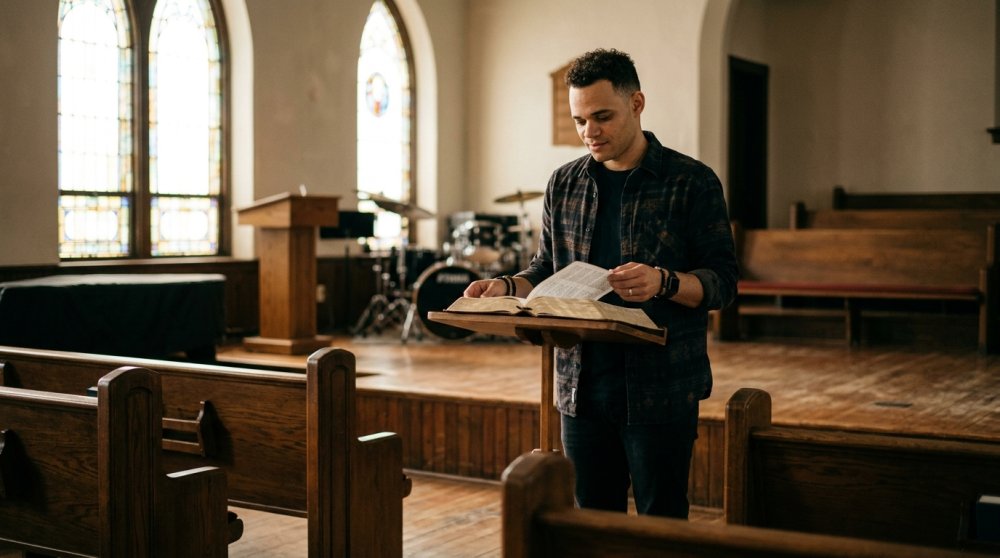
- Tauren Wells is a Grammy-nominated Christian artist and pastor who planted a church and experienced personal burnout during the process.
- His new album “Here Comes the Church” focuses on the beauty, diversity, and spiritual importance of Christian community.
- Wells believes rediscovering God’s presence in the local church is essential for believers facing modern cultural challenges.
Grammy-nominated Christian artist and pastor Tauren Wells is speaking candidly about the spiritual and personal cost of planting a church. He describes how stepping into church leadership tested his faith and led to seasons of burnout.
Yet Wells says the experience ultimately deepened his trust in God and renewed his passion for ministry. He now hopes his latest album, “Here Comes the Church,” will help believers rediscover the true beauty and necessity of spiritual community.
“Here Comes the Church”
The album emphasizes the diversity and strength found in local congregations. Wells encourages Christians to see the church not as an outdated institution, but as God’s chosen instrument for reaching a hurting world.
Through honest storytelling and worshipful songs, Wells points listeners back to the foundational truth that faith is meant to be lived out together. His message resonates especially with believers weary from cultural division and spiritual isolation.
Let us know what you think, please share your thoughts in the comments below.

Faith Facts
- The Bible commands children to honor their father and mother (Exodus 20:12).
- Scripture warns against bitterness and urges reconciliation within families (Ephesians 4:31-32).
- God places high value on generational relationships and the passing down of faith (Psalm 78:4-7).
At a recent breakfast three friends shared the same heartbreak: grown children who had cut off all contact even with grandchildren. It is a growing trend and one the Bible speaks to directly.
Many counselors and social media voices frame cutting off parents as healthy boundaries or necessary self-care. The practice has gained traction especially among younger adults influenced by therapeutic language that often places personal feelings above family duty.
Yet Scripture consistently elevates the lifelong responsibility children have toward their parents. The fifth commandment does not expire when a person turns eighteen and the call to honor remains even when relationships are imperfect.
“Honor your father and your mother, that your days may be long in the land that the Lord your God is giving you.”
Christian counselors note that estrangement often stems from unresolved conflicts that could be addressed through repentance forgiveness and godly counsel rather than permanent separation. The pattern of total cutoff also deprives grandchildren of the generational wisdom and love Scripture expects families to pass on.
“Fathers shall not be put to death for their children nor shall children be put to death for their fathers. Each one shall die for his own sin.”
The trend reflects a broader cultural shift that elevates individual autonomy over covenantal family bonds. While abuse must never be minimized or excused the biblical model still calls believers to pursue peace and reconciliation wherever possible.
Let us know what you think, please share your thoughts in the comments below.
Faith Facts
- J.R.R. Tolkien was a devout Catholic whose faith shaped his storytelling in The Hobbit and The Lord of the Rings.
- C.S. Lewis, a close friend of Tolkien, was a prominent Christian writer whose works also reflect deep faith.
- Both authors are celebrated for weaving Christian values into their literary masterpieces.
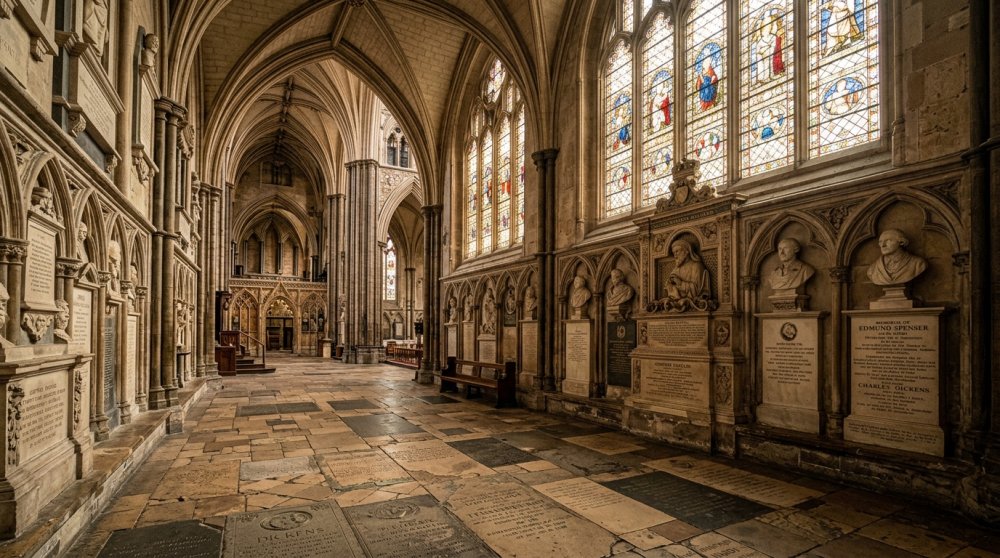
J.R.R. Tolkien, the devout Catholic author whose Christian beliefs helped shape The Hobbit and The Lord of the Rings, will be honored with a memorial in Westminster Abbey’s Poets’ Corner alongside his close friend and fellow Christian writer C.S. Lewis.
The decision to place Tolkien’s memorial in Poets’ Corner marks a fitting tribute to a man whose faith and imagination have touched millions of readers across generations.
“It is a joy to see Tolkien’s legacy recognized in such a historic and sacred place,”
“His stories continue to inspire readers with themes of courage, sacrifice, and redemption that echo the Gospel.”
Let us know what you think, please share your thoughts in the comments below.


-

 Self-Reliance1 year ago
Trump’s Bold Move Uncovers Massive Social Security Fraud
-

 Faith1 year ago
New Clues Emerge in Noah’s Ark Mystery
-

 News2 years ago
Governor Walz’s Rhetoric Sparks National Controversy
-

 News2 years ago
Mel Gibson’s ‘The Passion of the Christ’ Sequel Title Announced
-

 Family2 years ago
Texas Lawmaker Targets Furries in Schools
-

 Freedom2 years ago
Maine Lawmaker Challenges Sports Fairness Controversy
-

 Family1 year ago
Canada’s Controversial Policy Sparks Ethical Debate
-
Faith10 months ago
Congress Hears Pleas for Nigerian Christians