Faith
Televangelist Reveals Intense Spiritual Battle at Highest Levels of Power
Faith Facts
- Paula White-Cain, spiritual adviser to President Trump, described the spiritual warfare in the White House as ‘absolute hell’ in a resurfaced sermon clip
- The televangelist emphasized her role in praying and interceding at the highest levels of government
- The video went viral on social media, drawing both support and criticism from various quarters
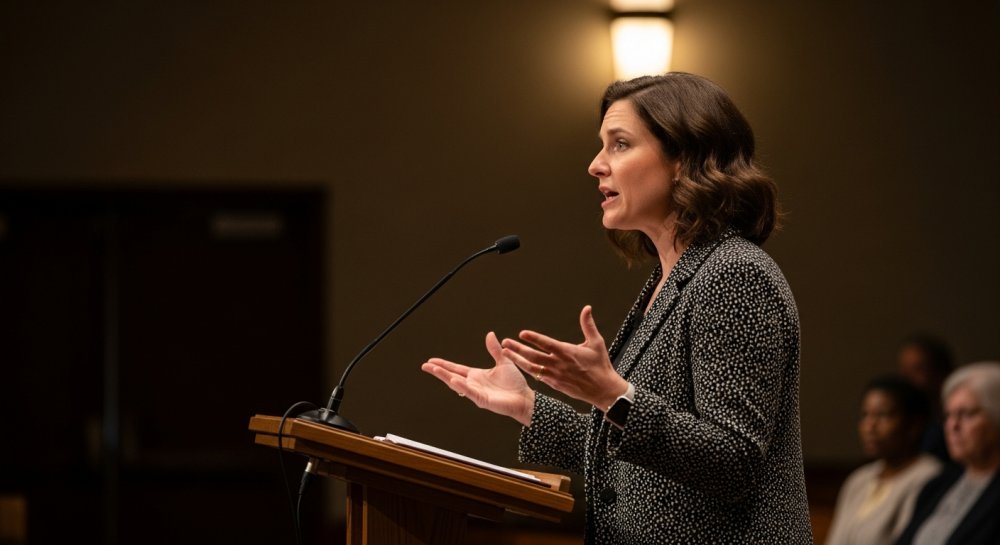
A powerful sermon clip from televangelist Paula White-Cain has captured national attention, revealing the intense spiritual battles taking place at the highest levels of American government. The spiritual adviser to President Trump did not mince words when describing her experiences.
In the resurfaced video, White-Cain spoke candidly about the spiritual warfare she has witnessed and engaged in while serving in an advisory capacity to the Trump administration. Her testimony offers a rare glimpse into the unseen battles that many Christians believe accompany positions of great authority and influence.
“I’m in the arena,” White-Cain declared, emphasizing her active role in spiritual intercession for the nation’s leaders.
The clip quickly spread across social media platforms, particularly on X (formerly Twitter), where it garnered millions of views. The response has been mixed, with supporters praising her willingness to stand in the gap through prayer, while critics questioned various aspects of her involvement with the administration.
For many Christians, White-Cain’s testimony resonates with biblical teachings about spiritual warfare and the importance of praying for those in authority. The Apostle Paul wrote in Ephesians 6:12, “For we do not wrestle against flesh and blood, but against principalities, against powers, against the rulers of the darkness of this age.”
White-Cain has long been known for her charismatic preaching style and her emphasis on faith-based prosperity and spiritual breakthrough. Her role as a spiritual adviser to President Trump has placed her at the intersection of faith and politics, a position that carries both privilege and scrutiny.
The characterization of White House spiritual dynamics as “absolute hell” underscores what many believers understand about the reality of spiritual opposition in places of power. This perspective aligns with the traditional Christian understanding that prayer and spiritual discernment are essential components of godly leadership.
Supporters of White-Cain’s ministry argue that having faithful Christian voices advising national leaders is crucial for the spiritual health of the nation. They point to the historical role of clergy and spiritual advisers to American presidents throughout the nation’s history.
The viral nature of the clip demonstrates the ongoing public interest in the relationship between faith and governance, particularly during an era when religious liberty and traditional values face increasing challenges in the public square.
As the discussion continues online and in Christian circles, the broader question remains: How should people of faith engage with and pray for those in positions of governmental authority? White-Cain’s testimony serves as a reminder that spiritual preparation and intercession are vital components of leadership in any sphere.
Let us know what you think, please share your thoughts in the comments below.
Faith
What the UK Buffer Zone Case Really Means for Christians
Faith Facts
- A Catholic father was convicted for praying silently near an abortion facility under UK buffer zone laws
- The Evangelical Alliance warns against conflating every legal restriction with religious persecution
- Christian leaders emphasize the importance of challenging poor laws while maintaining factual accuracy about religious freedom
The recent conviction of a Catholic father for praying silently near an abortion clinic has sparked intense debate among Christians in the United Kingdom and beyond. While the case raises legitimate concerns about religious liberty, Christian leaders are urging believers to maintain perspective and avoid overreaching claims that Christianity itself has been criminalized.
Peter Lynas of the Evangelical Alliance addressed the controversy head-on, acknowledging the troubling aspects of the case while cautioning against inflammatory rhetoric. “Poor lawmaking should always be challenged,” Lynas stated. “But Christians must not conflate every legal case involving public evangelism with religious persecution. It simply isn’t accurate.”
The case involves buffer zone legislation that restricts certain activities near abortion facilities. Under these laws, individuals are prohibited from engaging in activities deemed to interfere with access to reproductive services, including prayer and counseling within designated zones.
For many Christians, the conviction strikes at the heart of religious freedom—the ability to pray publicly and witness to their faith without government interference. The image of a person being prosecuted for silent prayer has understandably troubled believers who see it as government overreach into the spiritual realm.
However, Lynas and other thoughtful Christian voices are encouraging a more nuanced response. They argue that while the buffer zone laws may be poorly constructed and deserve legal challenge, characterizing them as wholesale persecution misrepresents both the current reality and the experiences of Christians facing genuine persecution worldwide.
The distinction matters for several reasons. First, accuracy in public discourse honors the Christian commitment to truth. When believers make exaggerated claims about persecution, it undermines credibility on legitimate religious freedom concerns.
Second, conflating legal restrictions with persecution can diminish awareness of Christians facing actual life-threatening persecution in other parts of the world. Brothers and sisters in Christ are being imprisoned, tortured, and martyred for their faith in numerous countries—a reality that differs substantially from legal restrictions in Western democracies.
This doesn’t mean Christians should accept unjust laws passively. The buffer zone legislation raises serious questions about whether the government has drawn boundaries appropriately between protecting access to facilities and protecting fundamental freedoms of speech, assembly, and religion.
Christian legal organizations have every right—and arguably a responsibility—to challenge these laws through proper legal channels. Advocating for better legislation that respects both women seeking services and citizens exercising their constitutional rights represents the kind of civic engagement Christians should embrace.
The case also highlights the increasing tension between secular progressive values and traditional Christian belief in the public square. As Western societies drift further from their Christian foundations, conflicts over religious expression in public spaces will likely intensify.
For American Christians watching these developments across the Atlantic, the case serves as a sobering reminder of how quickly religious freedoms can erode when society loses its moorings in faith and tradition. The United States benefits from stronger constitutional protections for religious liberty, but those protections require constant vigilance and defense.
The path forward requires Christians to walk a careful line—vigorously defending religious freedom while maintaining credibility through accurate representation of the facts. This means challenging unjust laws through proper legal and legislative processes, educating fellow believers about their rights and responsibilities, and supporting organizations that defend religious liberty in the courts.
It also means recognizing that living out Christian faith in an increasingly secular society will involve navigating difficult tensions. Believers must be prepared to engage thoughtfully with complex issues, seeking wisdom and discernment rather than reacting with fear or hyperbole.
The buffer zone case reminds us that religious freedom remains precious and fragile, requiring active protection. But that protection is best advanced through truthful, measured advocacy that maintains moral authority and public trust.
As Christians continue to engage these important issues, prayer remains essential—not just prayer for religious freedom, but prayer for wisdom, courage, and clarity in representing both truth and grace in the public square.
Let us know what you think, please share your thoughts in the comments below.
Faith
Baptist Pastor Fined Under Buffer Zone Law—What This Means for Gospel Freedom
Faith Facts
- A retired Baptist pastor was fined for preaching within an abortion facility buffer zone in the United Kingdom
- The Evangelical Alliance warns this case reveals the dangers of poorly crafted legislation that restricts religious expression
- Christian leaders caution against conflating legal consequences with religious persecution while defending the right to preach the Gospel
A retired Baptist pastor in the United Kingdom has been convicted and fined for preaching near an abortion facility, sparking fresh debate about religious liberty and the boundaries of free speech in public spaces. The case has raised serious concerns among Christian leaders about the scope and application of buffer zone laws.
The incident occurred within a government-designated buffer zone around an abortion clinic, where activities including prayer and evangelism are prohibited. The pastor was found guilty of violating these restrictions and received a financial penalty.
Peter Lynas of the Evangelical Alliance addressed the conviction, emphasizing that while the case highlights legitimate concerns about religious freedom, Christians must maintain perspective.
“This conviction does not mean UK Christians can’t preach the gospel,”
Lynas stated, urging believers to distinguish between legal restrictions in specific zones and broader religious persecution.
The case underscores ongoing tensions between protecting access to medical facilities and safeguarding fundamental freedoms of speech and religion. Buffer zones have been implemented in various locations across the UK, creating designated areas where certain expressive activities are criminalized.
Christian advocacy groups have long warned that these laws, while presented as protective measures, could be used to silence people of faith exercising their constitutional rights. The vague language in some buffer zone legislation leaves room for broad interpretation and inconsistent enforcement.
Lynas pointed to the quality of the legislation itself as a primary concern.
“It highlights the dangers of poor legislation,”
he explained, suggesting that hastily crafted or overly broad laws can inadvertently criminalize peaceful religious activity.
The conviction has prompted calls for greater clarity in how buffer zone laws are written and applied. Many Christian leaders argue that peaceful prayer, conversation, and offers of assistance should not be treated as criminal acts, even in sensitive areas.
Despite the concerning nature of this particular case, Lynas cautioned against exaggerating the threat.
“Christians should be careful not to conflate it with religious persecution,”
he advised, noting that true persecution involves systematic violence, imprisonment, and denial of basic rights—conditions not currently present in the United Kingdom.
The distinction matters because it shapes how Christians respond to legal challenges. While vigilance about religious freedom is appropriate, painting every legal restriction as persecution can undermine credibility and distract from genuine human rights abuses occurring globally.
American Christians watching developments in the UK should take note of similar legislative trends emerging stateside. Several jurisdictions have proposed or enacted buffer zone laws that could impact sidewalk counseling, prayer vigils, and Gospel proclamation near abortion facilities.
The case serves as a reminder that religious liberty requires constant defense through both legal advocacy and civic engagement. Christians must remain active in the legislative process, ensuring laws protect conscience rights while addressing legitimate public safety concerns.
Faith communities across denominational lines continue to affirm the Great Commission mandate to share the Gospel publicly. The question remains how societies can balance competing rights without unduly restricting the free exercise of religion.
As these legal battles continue, Christian organizations are mobilizing resources to defend religious freedom, provide legal counsel to those facing charges, and advocate for clearer, more balanced legislation that respects both religious expression and public order.
Let us know what you think, please share your thoughts in the comments below.
Faith
Church Leaders Sound Alarm on Europe’s Coming Migration Crisis
Faith Facts
- Church leaders convened in Bucharest in April to address Europe’s impending migration policy shift set for June
- A new Mapping Migration report warns faith communities must prepare for a “new phase” of humanitarian challenges
- European nations are finalizing major changes to migration policy that could significantly impact Christian relief efforts
As European governments prepare to implement sweeping changes to migration policy this June, Christian leaders are raising urgent concerns about the challenges ahead. Faith communities across the continent are being called to prepare for what church officials describe as a critical “new phase” of humanitarian need.
The warning came during a gathering of church leaders in Bucharest this April, where the launch of a comprehensive Mapping Migration report highlighted the intersection of policy changes and practical ministry. The timing is significant, as European nations move toward coordinated policy shifts that could reshape how churches and faith-based organizations respond to migration challenges.
For Christian communities that have long served on the front lines of humanitarian assistance, these policy changes represent both challenge and opportunity. Churches across Europe have historically provided shelter, food, legal assistance, and spiritual care to migrants and refugees, often filling gaps where government services fall short.
The Bucharest gathering underscored the vital role faith communities play in addressing migration issues with both compassion and wisdom. As governments grapple with policy frameworks, churches continue to balance biblical commands to welcome the stranger with concerns about community resources and national security.
The Mapping Migration report arrives at a critical moment when European leaders are seeking sustainable approaches to complex demographic and humanitarian realities. Christian organizations have consistently advocated for solutions that honor human dignity while respecting the rule of law and national sovereignty.
As June approaches, faith leaders are mobilizing congregations to understand the policy changes and their implications. The call to prepare suggests that churches may need to expand existing ministries or develop new partnerships to meet anticipated needs.
The report emphasizes that faith communities cannot remain passive observers as migration policies evolve. Instead, churches are being challenged to lead with both truth and grace, offering practical help while maintaining biblical principles.
Let us know what you think, please share your thoughts in the comments below.
-
Self-Reliance1 year agoTrump’s Bold Move Uncovers Massive Social Security Fraud
-

Faith1 year agoNew Clues Emerge in Noah’s Ark Mystery
-

News1 year agoGovernor Walz’s Rhetoric Sparks National Controversy
-

News1 year agoMel Gibson’s ‘The Passion of the Christ’ Sequel Title Announced
-

Family1 year agoTexas Lawmaker Targets Furries in Schools
-

Freedom1 year agoMaine Lawmaker Challenges Sports Fairness Controversy
-

Family12 months agoCanada’s Controversial Policy Sparks Ethical Debate
-
Faith6 months ago
Congress Hears Pleas for Nigerian Christians