
Faith
Choir’s Milestone Performance Inspires Global Unity


In a world that often feels divided and uncertain, the power of music to unite and inspire is something to celebrate. This past Sunday, the Tabernacle Choir at Temple Square reached an extraordinary milestone, performing the 5,000th episode of the esteemed “Music & the Spoken Word” program. This achievement is a testament not only to the choir’s dedication but also to the enduring spirit of faith and community that has been a cornerstone of American life for nearly a century.
The program, which first aired on July 15, 1929, has become a beacon of hope and perseverance, weathering the storms of history from the Great Depression to the COVID-19 pandemic. As Heidi Swinton, a choir volunteer, eloquently put it, the choir serves as “a voice that says, ‘We can do this. We can get through this.’” This message resonates deeply with those who value the principles of faith, family, and freedom.
The choir’s ability to uplift and comfort is perhaps why President Ronald Reagan once dubbed it “America’s Choir.” Its longevity and steadfast presence have made it a symbol of resilience and unity, encouraging listeners to “lock arms and we’ll get through this.” In times of trial, the choir has provided a soundtrack of hope, reminding us of the strength found in community and shared values.
Warna Huff, a 101-year-old listener, recalls the impact of the first broadcast she heard as a child. “It was something you don’t forget,” she shared. “It just makes you feel something that you need. The music’s beautiful.” Her words echo the sentiments of many who find solace and inspiration in the program’s harmonious blend of music and message.
Russell M. Nelson, president of the LDS Church, also reflected on the program’s significance in his life, stating, “I cannot remember life without ‘Music & the Spoken Word.’” His recollection underscores the program’s role in shaping the moral and cultural fabric of our nation, offering a weekly reminder of the values that bind us together.
The Church of Jesus Christ of Latter-day Saints described the 5,000th performance as an “unprecedented achievement [that] underscores the weekly program’s enduring legacy and its profound global impact.” Indeed, the reach of “Music & the Spoken Word” extends far beyond its origins, touching the hearts of over 6 million listeners each week.
“Music is the universal language of the Spirit,” Nelson noted. “Music communicates to the heart and soul of individuals in a way that written words cannot duplicate.” This truth is evident in the choir’s ability to transcend barriers and connect with audiences worldwide, reinforcing the timeless values of faith, hope, and love.
As we reflect on this remarkable milestone, let us remember the importance of nurturing our spiritual and cultural heritage. In a rapidly changing world, the enduring legacy of “Music & the Spoken Word” serves as a powerful reminder of the strength found in faith and the unifying power of music. May we continue to cherish and uphold the values that have guided us through generations, ensuring a future where faith and freedom flourish.
Let us know what you think, please share your thoughts in the comments below.


Faith Facts
- Senior Pastor of Shades Mountain Baptist Church, a 7,800-member congregation in Vestavia Hills, Alabama, announced his resignation Friday via social media video
- The pastor described the decision as ‘heartbreaking’ and asked his congregation to ‘please pray like crazy’ ahead of his final Sunday sermon
- The sudden departure comes at a time when church leadership transitions are increasingly scrutinized by evangelical communities nationwide
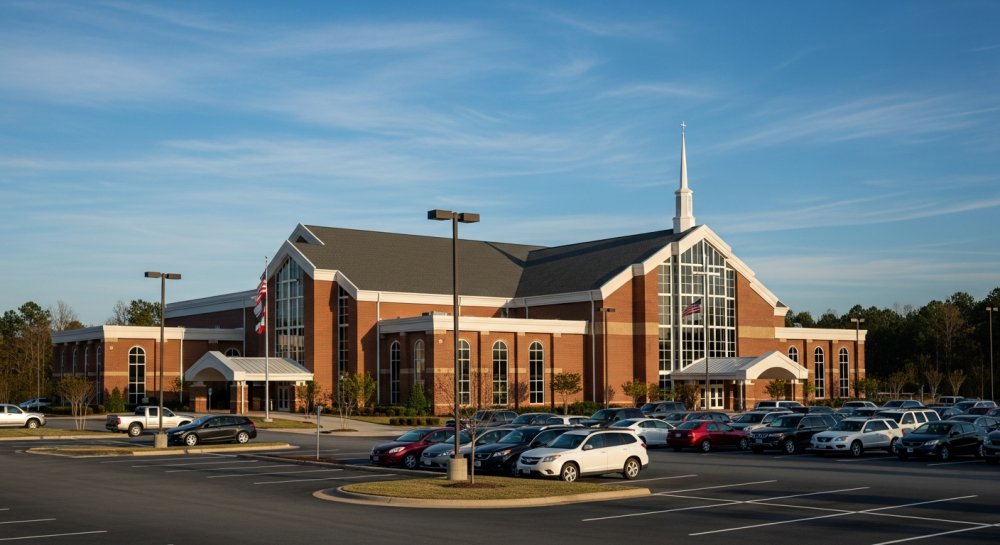
A prominent Alabama pastor has announced his abrupt resignation from one of the state’s largest congregations, leaving members surprised and seeking answers. The senior pastor of Shades Mountain Baptist Church in the Birmingham suburb of Vestavia Hills shared the news in a video posted to social media on Friday.
The church, which serves approximately 7,800 members, will see its leader preach his final sermon this Sunday. In the video announcement, the pastor characterized the decision as deeply painful and requested urgent prayer support from the congregation during this unexpected transition.
The resignation comes without detailed public explanation, though the pastor emphasized the difficulty of the decision. Leadership transitions in large evangelical churches often involve complex circumstances that affect not only the congregation but also the broader community where these churches serve as spiritual anchors.
Shades Mountain Baptist Church has been a significant presence in the Birmingham area, known for its robust membership and active ministry programs. The sudden nature of the announcement has raised questions among church members about the circumstances surrounding the departure and what comes next for the congregation’s leadership.
In times of unexpected pastoral transition, churches face the challenge of maintaining stability while seeking God’s direction for new leadership. The request for prayer underscores the spiritual weight of such decisions and the need for divine guidance during periods of change.
The church community now faces a period of transition as it processes this news and begins the process of seeking interim and potentially permanent pastoral leadership. Such moments often test the strength and unity of a congregation’s faith foundation.
Let us know what you think, please share your thoughts in the comments below.
Faith Facts
- A senior pastor of a 7,800-member Alabama megachurch resigned abruptly Friday via social media video
- The pastor called his decision to step down ‘heartbreaking’ and requested prayer from his congregation
- The resignation comes with limited public explanation, leaving church members seeking answers and guidance
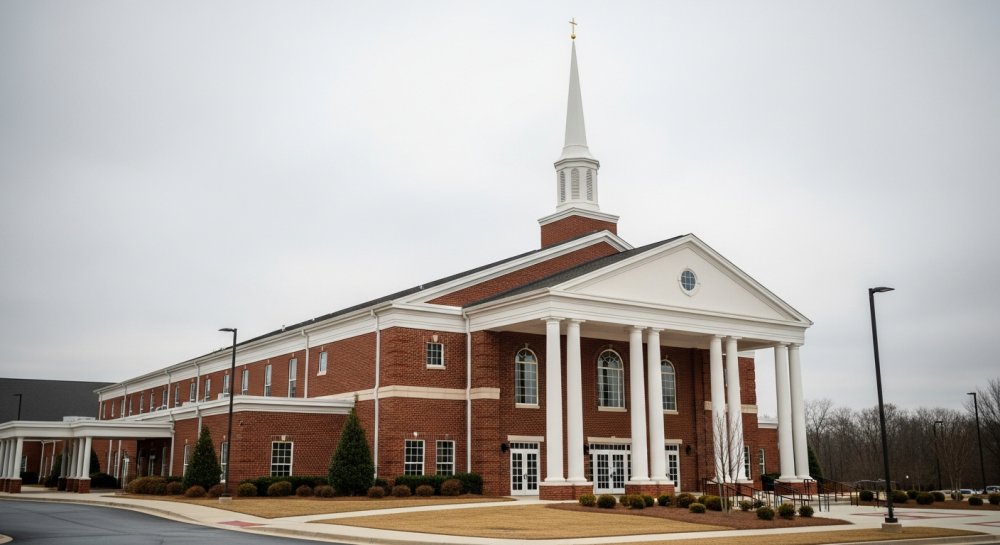
The senior pastor of Shades Mountain Baptist Church in Vestavia Hills, Alabama, announced his sudden resignation Friday in a video posted to social media. The church, located in a suburb of Birmingham, has approximately 7,800 members.
In the video announcement, the pastor revealed that his final Sunday sermon would take place just two days later. He characterized the decision as deeply painful and urged his congregation to unite in prayer during this transitional period.
“Please pray like crazy,” the pastor requested in his message to church members.
The abrupt nature of the announcement has left many in the congregation searching for clarity about the circumstances surrounding the resignation. Details about what led to the decision remain limited, raising questions among church members about the future direction of their spiritual home.
Shades Mountain Baptist Church represents a significant presence in the Birmingham area faith community. The congregation’s size and influence make this leadership transition particularly impactful for both the local church body and the broader evangelical community in Alabama.
The timing of the announcement—just days before the pastor’s final sermon—suggests an urgent situation that required immediate action. Church leadership has not yet provided comprehensive details about succession planning or interim pastoral arrangements.
For a congregation of nearly 8,000 members, such sudden leadership changes can create uncertainty and concern. The pastor’s call for intensive prayer indicates recognition of the challenges ahead for both himself and the church family he has served.
As the situation develops, church members and the wider Christian community await further information about what precipitated this heartbreaking decision and how the church will move forward in maintaining its mission and ministry.
Let us know what you think, please share your thoughts in the comments below.

Faith Facts
- Ilona Miler, author of A Woman of Many Names, shares her story of surviving sexual exploitation and human trafficking
- Christian Daily International’s Faith Without Frontiers podcast features Miler’s testimony of finding freedom through Jesus Christ
- The interview explores themes of redemption, healing, and the transformative power of Christian faith after extreme trauma
A powerful testimony of survival and redemption is making waves in the Christian community. Ilona Miler, author of the compelling memoir A Woman of Many Names: My Journey from Sexual Exploitation to Freedom, appeared on Christian Daily International’s podcast Faith Without Frontiers to share her remarkable story of deliverance.
In the deeply personal conversation, Miler recounts her harrowing experiences with trafficking and exploitation—and how faith in Jesus Christ ultimately brought her to freedom. Her testimony stands as a beacon of hope for countless victims still trapped in the darkness of human trafficking.
The podcast episode offers listeners an intimate look at Miler’s journey through unimaginable loss and pain. But rather than dwelling solely on the trauma, her story centers on the redemptive power of Christian faith and the healing that comes through a relationship with Christ.
Miler’s willingness to share her story publicly serves a vital purpose in today’s culture. Human trafficking remains a hidden scourge affecting millions worldwide, including right here in America. By speaking openly about her experiences, she shines light on an issue many would prefer to ignore.
The Christian community has long been at the forefront of combating human trafficking and supporting survivors. Faith-based organizations across the nation provide rescue services, safe houses, counseling, and restoration programs grounded in biblical principles.
What sets testimonies like Miler’s apart is the emphasis on spiritual transformation, not just physical rescue. While escaping exploitation is crucial, true freedom comes through healing the soul—something only Christ can accomplish.
Her memoir, A Woman of Many Names, documents not just the horrors she endured but the miraculous intervention of God in her life. The title itself speaks to the loss of identity that comes with exploitation and the restoration of personhood through faith.
Faith Without Frontiers continues to bring important conversations to Christian audiences, highlighting how the Gospel reaches people in the darkest circumstances. The podcast’s fourth episode featuring Miler demonstrates that no one is beyond the reach of God’s grace.
For families and churches seeking to understand modern challenges to human dignity, Miler’s testimony provides both education and inspiration. It reminds believers that faith remains the most powerful force for genuine liberation in a broken world.
Her story also serves as a call to action for Christians to remain vigilant, support anti-trafficking ministries, and extend compassion to survivors who need not just practical assistance but spiritual restoration.
Let us know what you think, please share your thoughts in the comments below.


-

 Self-Reliance1 year ago
Trump’s Bold Move Uncovers Massive Social Security Fraud
-

 Faith1 year ago
New Clues Emerge in Noah’s Ark Mystery
-

 News1 year ago
Governor Walz’s Rhetoric Sparks National Controversy
-

 News1 year ago
Mel Gibson’s ‘The Passion of the Christ’ Sequel Title Announced
-

 Family1 year ago
Texas Lawmaker Targets Furries in Schools
-

 Freedom1 year ago
Maine Lawmaker Challenges Sports Fairness Controversy
-

 Family11 months ago
Canada’s Controversial Policy Sparks Ethical Debate
-
Faith5 months ago
Congress Hears Pleas for Nigerian Christians