
Faith
AI Could Trigger ‘Spiritual Starvation,’ Oxford Scholar Warns

Faith Facts
- Oxford mathematician and apologist John Lennox warns AI could disconnect a generation from Scripture
- Lennox cautions technology meant to serve humanity can become ‘a very dangerous master’
- The warning highlights growing concerns about technology’s impact on spiritual formation and biblical literacy
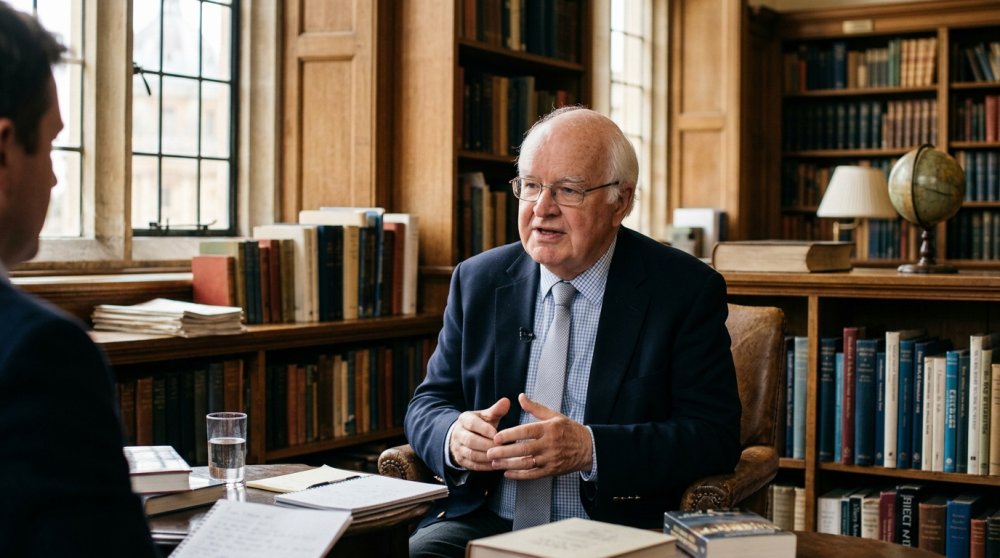
In a sobering conversation that should give every Christian pause, one of the world’s leading Christian thinkers is sounding an alarm about artificial intelligence and its potential to undermine the spiritual health of believers. Oxford mathematician and renowned apologist John Lennox shared his concerns about how AI could contribute to what he calls “spiritual starvation” among Christians, particularly younger generations who are growing up immersed in digital technology.
Speaking with Wes Huff, Lennox didn’t mince words about the dangers facing the Church in this technological age. His warning comes at a critical time when AI tools are becoming ubiquitous in daily life, from smartphones to search engines to chatbots that can answer questions about virtually any topic—including theology and Scripture.
“A dangerous master,” Lennox said, describing what technology can become when humans place too much trust in it or allow it to replace essential spiritual disciplines.
The Oxford scholar’s concern centers on a troubling trend: as people increasingly turn to AI for quick answers and information, they may drift away from the deeper, more personal engagement with God’s Word that has sustained believers for millennia. This shift could lead to a generation that knows facts about the Bible but lacks the transformative relationship with Scripture that comes from prayerful study and meditation.
Lennox’s expertise in mathematics and science gives his warning particular weight. He understands technology intimately and recognizes both its potential benefits and its inherent limitations. Unlike some critics who dismiss all technological advancement, Lennox approaches the subject with nuance, acknowledging that tools themselves are morally neutral—it’s how we use them that matters.
The danger of spiritual starvation that Lennox identifies goes beyond simple biblical illiteracy. It touches on the very nature of faith formation and discipleship. When believers outsource their thinking to algorithms and rely on AI-generated summaries instead of wrestling with Scripture themselves, they miss out on the Holy Spirit’s work in their lives through God’s Word.
This concern resonates with what many pastors and ministry leaders are already observing: a generation that can access more biblical resources than ever before, yet seems to have less depth in their faith. The convenience of technology, while offering unprecedented access to information, may actually be creating barriers to genuine spiritual growth.
For families and churches, Lennox’s warning serves as a crucial reminder to prioritize authentic engagement with Scripture over technological convenience. While AI tools can assist with research and provide helpful information, they cannot replace the personal relationship with God that develops through regular Bible reading, prayer, and meditation on His Word.
The mathematician’s insights challenge Christians to think carefully about how they integrate technology into their spiritual lives. Are we using these tools as servants that enhance our faith, or are we allowing them to become masters that dictate how we learn and grow spiritually?
As artificial intelligence continues to advance and become more sophisticated, the Church must remain vigilant about protecting the spiritual formation of its members, especially young people who have never known life without smartphones and instant digital answers. The solution isn’t necessarily to reject technology entirely, but to ensure it serves our relationship with God rather than replacing it.
Let us know what you think, please share your thoughts in the comments below.

Faith Facts
- Georgia Gov.-elect Keisha Lance Bottoms told a historic African American megachurch that God told her to run for governor.
- She credited divine guidance and provision throughout her campaign, stating that God supplied all of their needs.
- Bottoms spoke of God being present with her on the campaign trail during her address to the congregation.
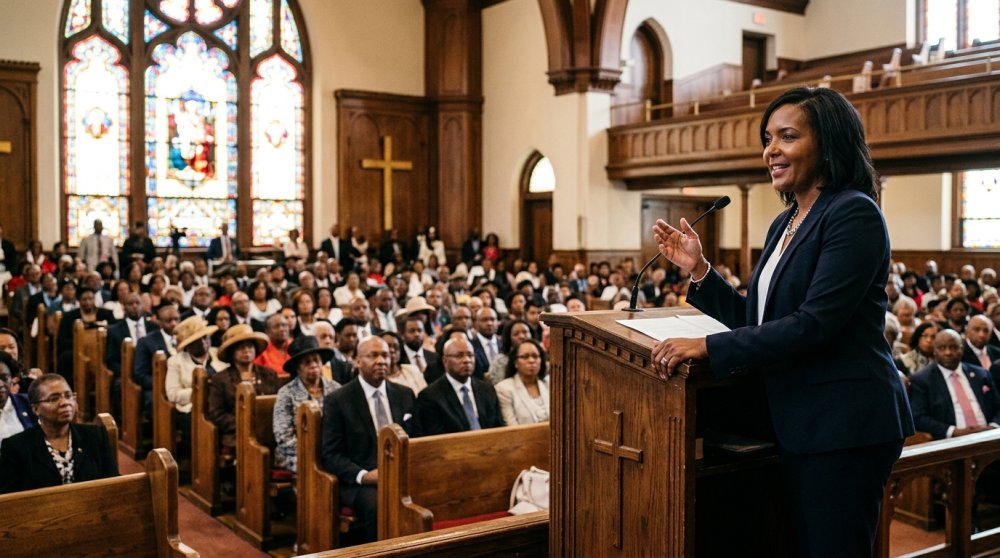
Georgia Gov.-elect Keisha Lance Bottoms delivered a powerful testimony at a historic African American megachurch, sharing how her decision to run for office came from a divine calling.
Bottoms told the congregation that “God told me to” run for governor and that the Lord was with her throughout the entire campaign.
“God told me to” run for governor, she said, recounting the spiritual direction she received before entering the race.
She emphasized that God “supplied all of our needs” during the campaign season, highlighting the provision she experienced along the way.
Bottoms described God’s presence with her “on the campaign trail,” framing her political journey as one guided by faith and obedience.
Let us know what you think, please share your thoughts in the comments below.
Faith Facts
- Christian leaders across the nation are declaring the GOP’s midterm losses a sign of God’s judgment on America.
- Scripture is being cited to urge believers to repent and stand firm amid rising left-wing influence.
- Prayer and renewed commitment to biblical values are presented as the path forward for the faithful.
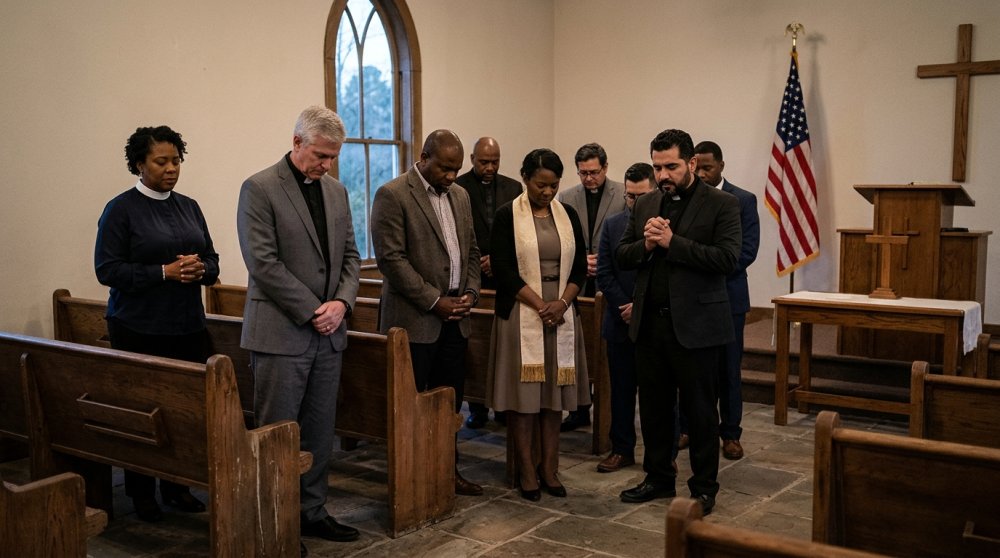
Christian leaders are responding to the Republican Party’s disappointing midterm performance with a solemn call to repentance. Many see the results as a sobering reminder that political victories alone cannot substitute for national spiritual renewal.
Several prominent pastors and ministry heads argue that the outcome reflects deeper moral decline in the culture. They contend that God’s people must confront sin rather than rely solely on electoral strategies.
“We are under God’s judgment,” one leader stated plainly, pointing to abortion, sexual confusion, and the erosion of religious liberty as issues that grieve the Lord.
Other voices emphasize personal and corporate repentance. They urge churches to return to Scripture’s authority and to reject compromise with worldly ideologies.
“The church must wake up and pray like never before,” another pastor declared, stressing that only a fresh move of the Holy Spirit can reverse the nation’s trajectory.
Leaders also caution against despair. While the political landscape grows darker, they remind believers that God remains sovereign and that faithful witness can still bear fruit.
Let us know what you think, please share your thoughts in the comments below.
Faith Facts
- Christian communicators gathered in Mexico for Creativoz 2026 to address digital media and technology challenges facing churches and ministries.
- The conference focused on helping faith-based organizations respond to opportunities and risks in social media and artificial intelligence.
- Christian communicators emphasized the need to uphold biblical truth in an increasingly digital culture.
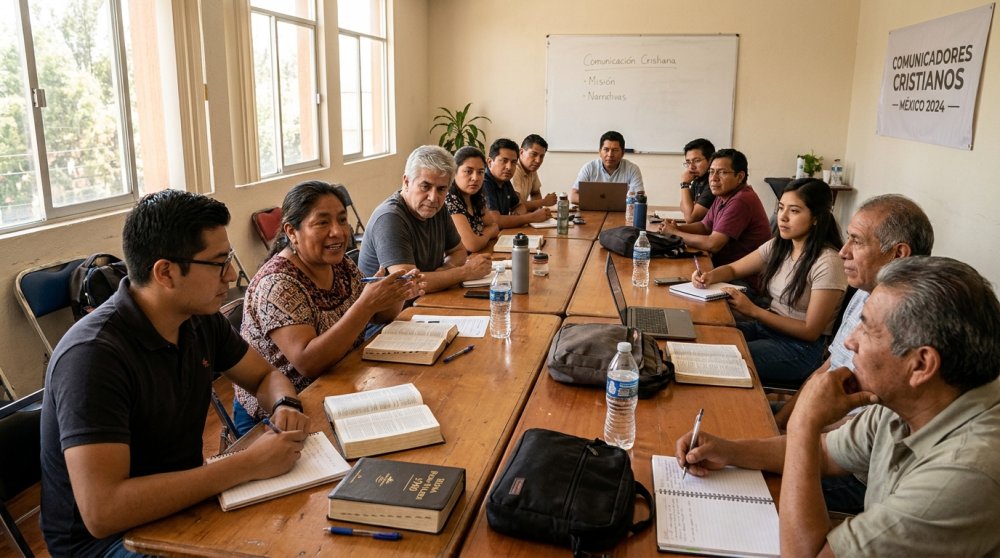
Christian communicators from across Mexico gathered October 30-31 for Creativoz 2026, a conference centered on how churches, ministries, and faith-based organizations can navigate the growing influence of digital media, social media platforms, and emerging technologies, including artificial intelligence.
The event provided a forum for leaders to discuss strategies that strengthen the witness of the gospel in a rapidly changing digital environment.
Participants explored ways to maintain biblical integrity while engaging new technologies that are reshaping communication and culture.
“The digital age presents both opportunities and challenges for the church,” one speaker noted during the conference.
“We must equip ourselves with wisdom and discernment to use these tools effectively while remaining faithful to Scripture.”
Attendees were encouraged to approach technology not as an end in itself but as a means to advance the Kingdom and strengthen the body of Christ.
Let us know what you think, please share your thoughts in the comments below.


-

 Self-Reliance2 years ago
Trump’s Bold Move Uncovers Massive Social Security Fraud
-

 Faith2 years ago
New Clues Emerge in Noah’s Ark Mystery
-

 News2 years ago
Governor Walz’s Rhetoric Sparks National Controversy
-

 News2 years ago
Mel Gibson’s ‘The Passion of the Christ’ Sequel Title Announced
-

 Family2 years ago
Texas Lawmaker Targets Furries in Schools
-

 Freedom2 years ago
Maine Lawmaker Challenges Sports Fairness Controversy
-

 Family1 year ago
Canada’s Controversial Policy Sparks Ethical Debate
-
Faith12 months ago
Congress Hears Pleas for Nigerian Christians