
Faith
The Hidden Battle Christian Leaders Face Behind Closed Doors

Faith Facts
- Pornography temptation affects Christian leaders at rates comparable to the general population, exposing a crisis of accountability in modern church leadership
- Former Hillsong leader Brian Houston has publicly denied pornography use after content appeared on his social media channels, calling the material “vile”
- Ministry experts emphasize the need for greater transparency and accountability structures to protect both leaders and their congregations from moral failures
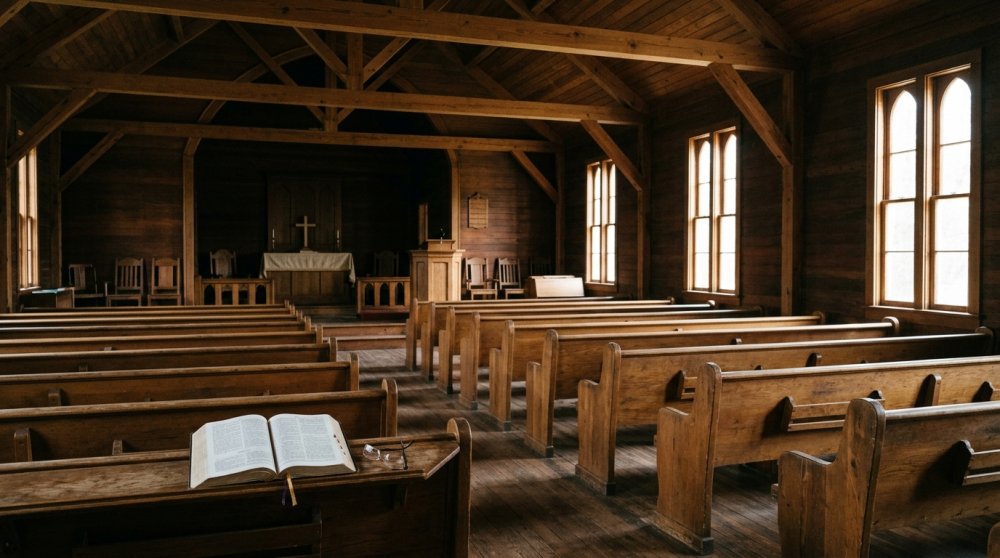
The American church is facing an uncomfortable truth that can no longer be ignored. While allegations swirl around former Hillsong leader Brian Houston, who has publicly denied watching pornography after questionable content appeared on his social media accounts, the broader conversation demands our immediate attention.
Houston called the content “vile” and rejected any connection to it. But regardless of the specifics of any individual case, the underlying issue cuts to the heart of spiritual warfare in our time.
Cat Etherington from Naked Truth Project has stepped forward to address what many believers whisper about but few dare to confront openly. Pornography represents a genuine temptation for Christian leaders—a reality that our faith communities must acknowledge with honesty and grace.
The statistics paint a sobering picture. Men and women who stand in pulpits, lead worship, and shepherd flocks are not immune to the pervasive digital temptations that assault American families daily. The question is not whether Christian leaders face these battles, but whether our churches have created environments where struggling leaders can find help before catastrophic failure occurs.
Traditional accountability structures in many congregations have proven insufficient for the digital age. The smartphone in every pocket represents both a tool for ministry and a potential gateway to moral compromise. Without robust systems of transparency and support, even the most committed believers can find themselves ensnared.
The Hillsong situation, whatever its ultimate resolution, serves as a wake-up call. American Christians must move beyond shame-based silence and toward redemptive honesty about sexual temptation. This doesn’t mean accepting sin or lowering biblical standards—it means acknowledging reality so we can address it effectively.
Church boards and denominational leaders bear special responsibility here. Creating cultures where leaders can confess struggles before they become scandals requires intentional effort. Anonymous accountability software, regular check-ins with trusted mentors, and clear consequences for deception all play important roles.
For congregations, this means resisting two equally dangerous extremes. We must neither excuse sin in our leaders nor adopt a spirit of judgmental suspicion that assumes the worst. The balance lies in recognizing our shared humanity while maintaining high standards for those who teach and lead.
The spiritual stakes could not be higher. Every fallen leader damages the witness of the gospel and wounds those they were called to serve. Every scandal gives ammunition to those who mock Christian faith and provides cover for predators who use ministry as camouflage.
Yet there is hope. Churches across America are pioneering new approaches to leadership accountability that combine grace with truth. Small groups where leaders can be vulnerable, professional counseling resources, and clear restoration processes all demonstrate that the body of Christ can address this crisis.
Parents and families also play a crucial role. Teaching children and teenagers about sexual purity in a pornography-saturated culture prepares the next generation of leaders to resist temptations their predecessors often faced without adequate preparation or support.
The path forward requires courage—courage to have difficult conversations, courage to implement accountability even when it feels uncomfortable, and courage to extend redemption to those who fall while maintaining consequences for their actions.
Whatever emerges from the Houston situation specifically, the church universal must seize this moment. Pornography’s grip on American culture will only tighten without intentional resistance rooted in biblical truth and practical wisdom.
Christian leaders deserve our prayers, not our naive assumption that their positions somehow insulate them from temptation. They need communities that combine high expectations with genuine support, churches that take both holiness and restoration seriously.
The conversation about pornography and Christian leadership is long overdue. May American believers rise to this challenge with the grace and truth that marked Jesus himself—calling sin what it is while offering hope to all who struggle and genuinely repent.
Let us know what you think, please share your thoughts in the comments below.

Faith Facts
- Disciple-making movements emphasize serious commitment to following Christ and making other disciples
- Traditional churches and new movements both have valid concerns about how the other approaches ministry
- Church planting movement principles have shown limited growth in Western contexts compared to other parts of the world
Disciple-making movements have raised important questions about how churches in the West are making followers of Jesus. These movements point to a genuine desire for deeper commitment to the Great Commission. Their critique of traditional structures comes from a concern that many established churches have lost focus on personal discipleship.
At the same time, traditional churches have raised concerns about the sustainability and doctrinal depth of newer movements. Both perspectives reflect a shared burden for reaching people with the gospel. The tension between these approaches reveals a broader question facing American Christianity.
Church planting movement principles that have seen dramatic growth in other parts of the world have struggled to produce similar results in Western nations. Cultural differences, established religious traditions, and societal attitudes toward faith all play a role in this disparity. The challenges are complex and require thoughtful examination rather than quick solutions.
This reality challenges established churches to consider whether new approaches might be needed. The call is not to abandon biblical truth but to examine whether current methods are effectively making disciples. Many traditional congregations are beginning to ask hard questions about their own fruitfulness in fulfilling Christ’s command.
Let us know what you think, please share your thoughts in the comments below.
Faith Facts
- Gateway Seminary, a California-based Southern Baptist Convention theology school, reported record enrollment for the fall semester.
- Leaders at the seminary say students are actively seeking deeper study of Scripture.
- The growth reflects a renewed hunger among believers for sound biblical training and Christian service.
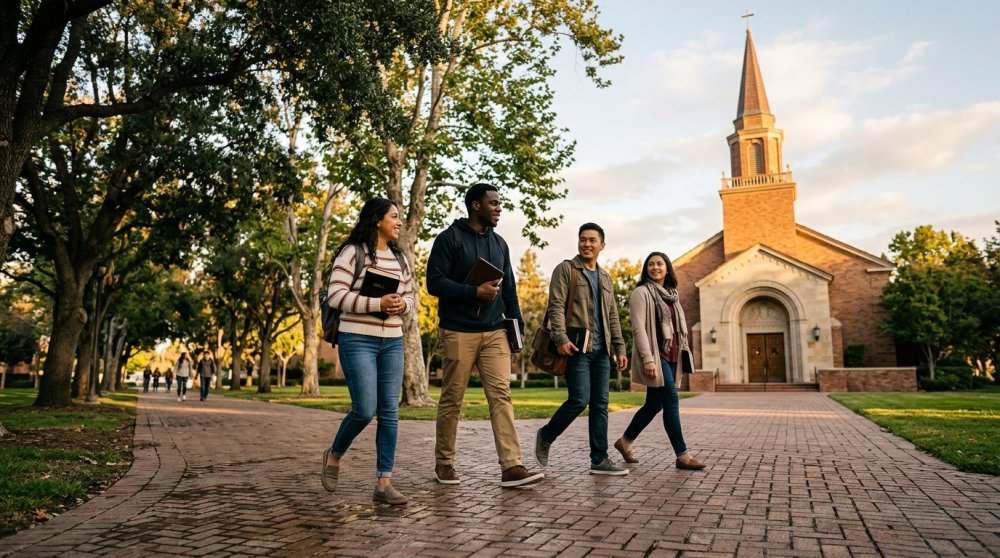
Gateway Seminary announced record enrollment numbers for its fall semester, continuing a trend of growth for the Southern Baptist-affiliated institution based in California.
The seminary’s leadership noted that students are expressing a strong desire to engage with the Bible and prepare for ministry roles across the nation.
“Students are hungry for God’s Word,” seminary officials stated.
The increase in enrollment comes at a time when many traditional seminaries are facing declining numbers, making Gateway’s growth stand out within the broader landscape of theological education.
School leaders attribute the surge to a growing interest in faithful biblical teaching and the desire among younger believers to serve local churches and communities with clarity and conviction.
Let us know what you think, please share your thoughts in the comments below.
Faith Facts
- Dinesh D’Souza has written a new book titled The Stones Cry Out examining biblical archaeology and end times prophecy.
- The author asserts that archaeological evidence supports the historical accuracy of Scripture.
- D’Souza connects these discoveries to biblical prophecies concerning the last days.
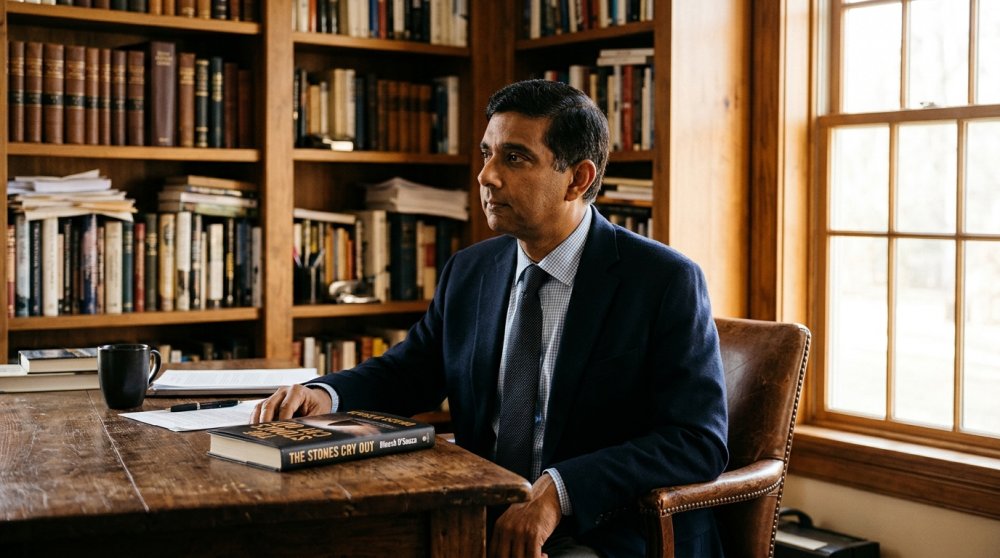
Author and filmmaker Dinesh D’Souza has joined Christian Post to discuss his latest work, The Stones Cry Out: Biblical Archaeology, Prophecy, and the Last Days.
The book examines how recent archaeological findings confirm the reliability of biblical accounts. D’Souza argues that these discoveries strengthen the case for the literal fulfillment of prophecy in our time.
“The Stones Cry Out is about how the ground itself testifies to the truth of Scripture and the nearness of the last days,”
he explained during the interview.
D’Souza highlights specific sites and artifacts that align with Scripture’s historical claims. He presents these findings as evidence that the Bible is not merely spiritual literature but a trustworthy historical record.
“When archaeology confirms what the prophets foretold, it becomes harder for skeptics to dismiss the Word of God,”
he stated.
The author also explores how current events appear to line up with prophetic patterns described in Scripture. He encourages believers to study both the physical evidence and the biblical text with renewed attention.
“God is not silent, and the stones continue to speak,”
D’Souza concluded.
Let us know what you think, please share your thoughts in the comments below.


-

 Self-Reliance2 years ago
Trump’s Bold Move Uncovers Massive Social Security Fraud
-

 Faith2 years ago
New Clues Emerge in Noah’s Ark Mystery
-

 News2 years ago
Governor Walz’s Rhetoric Sparks National Controversy
-

 News2 years ago
Mel Gibson’s ‘The Passion of the Christ’ Sequel Title Announced
-

 Family2 years ago
Texas Lawmaker Targets Furries in Schools
-

 Freedom2 years ago
Maine Lawmaker Challenges Sports Fairness Controversy
-

 Family1 year ago
Canada’s Controversial Policy Sparks Ethical Debate
-
Faith11 months ago
Congress Hears Pleas for Nigerian Christians