
News
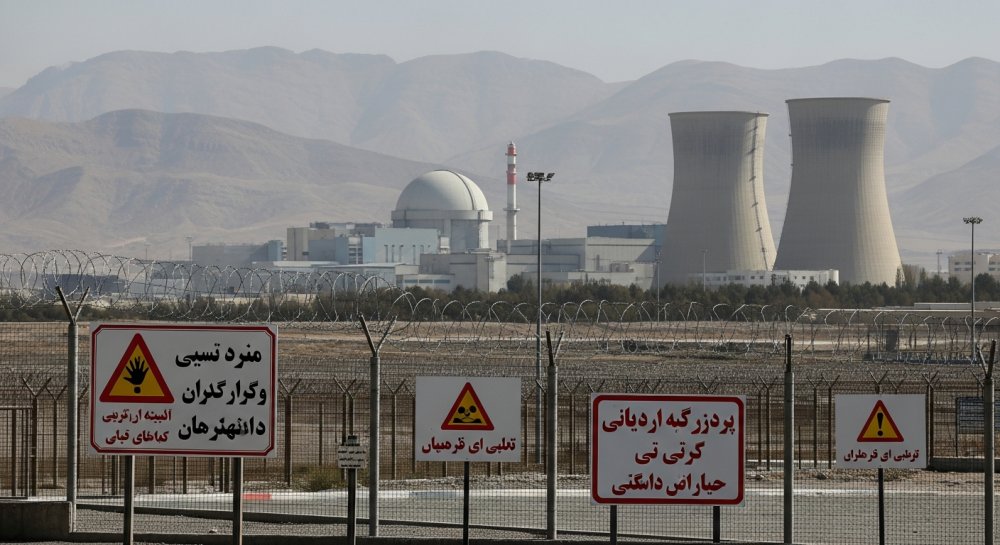
The Nuclear Question No One Wants to Answer

Faith Facts
- Iran continues to advance its nuclear program while international oversight weakens, raising urgent questions about global security and Middle East stability.
- Israel faces an existential threat from a nuclear-capable Iran, with profound implications for the safety of the Jewish state and American interests in the region.
- The failure to prevent Iran from reaching nuclear threshold status represents a critical test of Western resolve and the protection of our closest allies.
A pressing question confronts America, Israel, and freedom-loving nations worldwide: Can we accept an Iran perched perpetually on the edge of nuclear weapons capability?
The Islamic Republic has spent decades advancing its nuclear program despite international sanctions, diplomatic pressure, and economic isolation. Now, as Tehran edges closer to weapons-grade uranium enrichment, the world must confront an uncomfortable reality about the cost of inaction.
For Israel, the stakes could not be higher. A nuclear-armed Iran represents an existential threat to the Jewish state, whose right to exist Iranian leaders have repeatedly denied. The regime in Tehran has funded terrorist proxies throughout the Middle East, from Hezbollah in Lebanon to Hamas in Gaza, all while chanting “Death to America” and “Death to Israel” in its legislative chambers.
American security interests are equally at risk. Iran’s nuclear ambitions destabilize an already volatile region where U.S. forces maintain a presence and where critical energy resources flow to global markets. A nuclear Iran would embolden the regime’s aggression, potentially triggering a regional arms race as Saudi Arabia, Egypt, and Turkey consider their own nuclear options.
The question of whether the world can “live with” a nuclear-threshold Iran assumes that containment and deterrence strategies proven during the Cold War will work against a theocratic regime driven by apocalyptic ideology. This assumption may prove dangerously naive.
Unlike the Soviet Union, which operated under rational self-interest, Iran’s leadership has demonstrated a willingness to sacrifice its own people for ideological goals. The regime’s support for terrorism, its violent suppression of domestic protesters, and its stated commitment to exporting its revolution suggest a different calculation of risk and reward.
For years, diplomatic efforts have failed to curtail Iran’s nuclear ambitions meaningfully. The 2015 Joint Comprehensive Plan of Action, celebrated by its architects as a diplomatic breakthrough, merely delayed Iran’s path to nuclear weapons while releasing billions in sanctions relief that funded regional terror operations. The agreement’s sunset clauses guaranteed that restrictions on Iran’s nuclear program would eventually expire, leaving the regime free to pursue weapons development legally under the deal’s own terms.
Israel has made clear it will not permit Iran to obtain nuclear weapons, regardless of international opinion. The Jewish state has twice bombed nuclear facilities in hostile nations—Iraq in 1981 and Syria in 2007—demonstrating its willingness to act unilaterally when its survival is threatened.
The question facing policymakers is not whether a nuclear Iran poses unacceptable risks, but whether those risks will be confronted now through preventive measures or later under far more dangerous circumstances. Every month of delay sees Iran’s nuclear knowledge deepen, its stockpiles grow, and its defensive capabilities strengthen.
Christians have a particular interest in this question, both for the safety of persecuted believers within Iran and for the security of Israel, a nation of profound biblical significance. The Iranian regime ranks among the world’s worst persecutors of Christians, imprisoning and executing believers for their faith.
The failure of Western powers to prevent North Korea from developing nuclear weapons offers a sobering precedent. Diplomacy, sanctions, and international pressure all failed to stop Pyongyang’s program. Today, the hermit kingdom holds the world hostage with its nuclear arsenal, launching missiles over Japan and threatening American cities.
America and its allies must decide whether to accept this outcome repeating in the Middle East, with consequences far more severe given Iran’s central role in funding global terrorism and its stated hostility toward Israel’s existence. The answer to whether we can live with a nuclear Iran may ultimately be determined not by our choices, but by our willingness to prevent that scenario from becoming reality.
Let us know what you think, please share your thoughts in the comments below.

Faith Facts
- The Bible teaches that life begins at conception and that God knits each person together in the womb.
- Christian teaching holds that gender is a fixed part of God’s created order, not a social construct.
- Scripture calls believers to speak the truth in love while standing firmly for the sanctity of human life and biological reality.
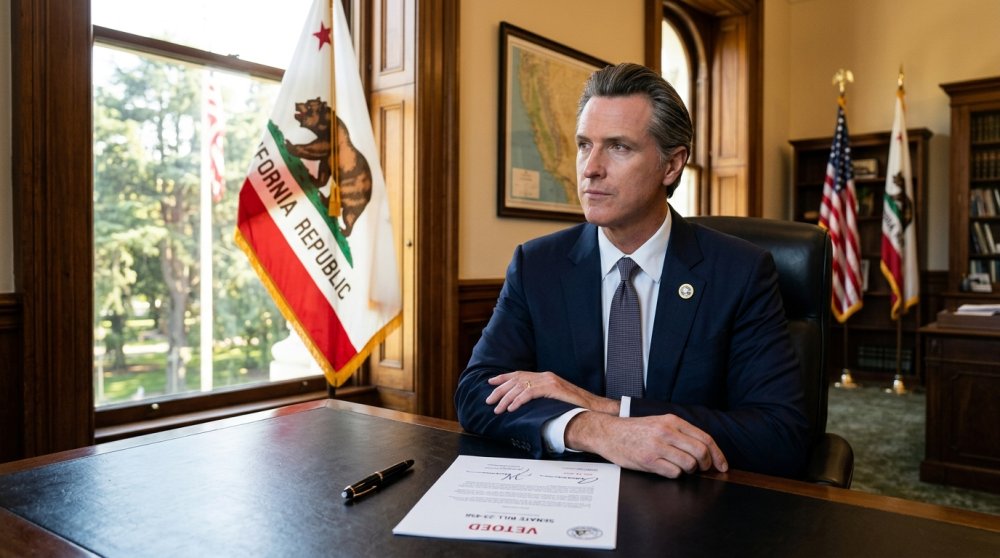
California Governor Gavin Newsom has vetoed legislation that would have blocked extradition of abortion providers and gender-transition surgeons to states where such procedures are illegal.
The veto came as the governor is widely viewed as a likely contender for the 2028 presidential race.
“Protecting the rights of women and the LGBTQ community is paramount,” Newsom said in his veto message.
The bill’s supporters had argued that California should serve as a nationwide sanctuary for individuals seeking abortions or medical gender interventions.
By rejecting the measure, Newsom avoided direct confrontation with states that maintain laws safeguarding unborn life and biological sex distinctions.
“This decision respects the sovereignty of other states while upholding California’s own commitments,” the governor added.
Let us know what you think, please share your thoughts in the comments below.
Faith Facts
- Scripture warns that adultery leads to destruction and broken families.
- Marriage is a sacred covenant that must be honored above personal desires.
- Churches must uphold accountability and protect the sanctity of the home.
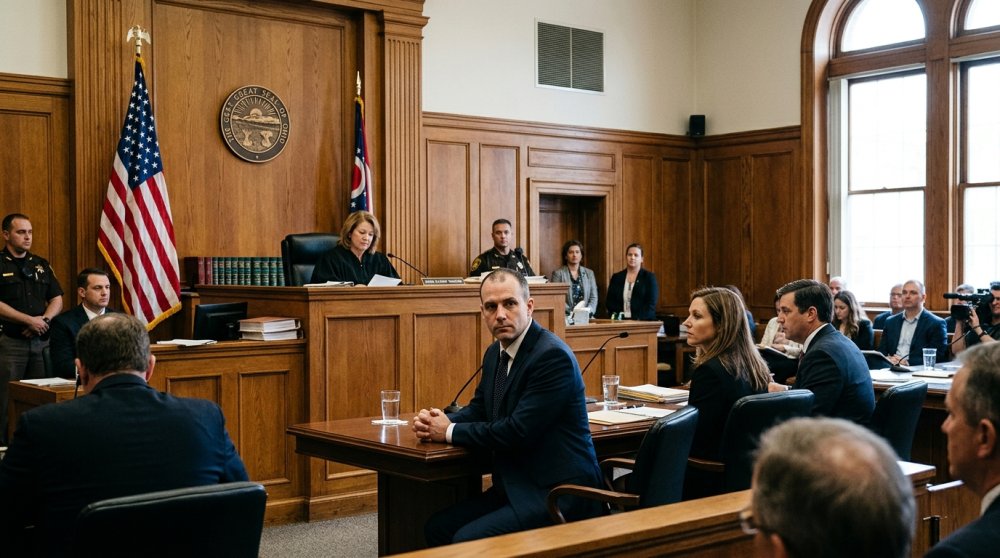
The murder trial of former worship leader and “American Idol” contestant Caleb Flynn has captured the attention of Americans this week. Flynn, 40, is accused of murdering his wife, Ashley, inside their Ohio home in February, amid a long-term affair with his church’s worship leader.
Authorities say the couple’s marriage had been strained for months before the tragic events unfolded. The case has drawn widespread interest because of Flynn’s public profile and his former role in church ministry.
“The evidence will show a calculated act that ended a life and shattered a family,” prosecutors stated in court this week.
Defense attorneys argue the case involves complex personal matters and are preparing to challenge the prosecution’s narrative. The trial is expected to continue for several days as both sides present their evidence.
Communities across the country are praying for the Flynn family and reflecting on the importance of faithfulness in marriage and leadership. Many believers see this case as a sobering reminder that public ministry does not exempt anyone from the consequences of hidden sin.
Let us know what you think, please share your thoughts in the comments below.
Faith Facts
- Natalie Grant has issued a direct warning about artificial intelligence shaping Christian spirituality through music.
- The nine-time Grammy nominee believes AI will increase demand for live worship experiences.
- Grant’s stance reflects traditional Christian values of authentic, Spirit-led worship over technological substitutes.
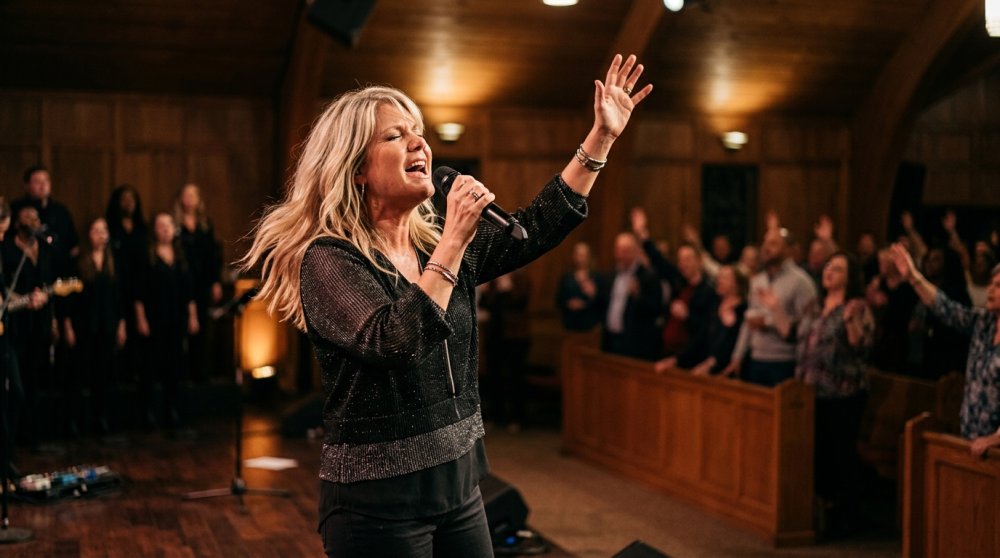
Veteran Christian artist Natalie Grant is speaking out against the growing use of artificial intelligence in worship music.
Grant warns that AI poses a serious threat to the authenticity of Christian worship and could distort how believers experience God through music.
“I think that there is going to be a demand for live performances,” Grant stated.
The nine-time Grammy nominee believes that as artificial intelligence becomes more prevalent in Christian music production, believers will increasingly seek genuine, Spirit-filled worship experiences.
“I think that there is going to be a demand for live performances,” Grant stated.
Grant’s concerns align with longstanding Christian teaching that worship must flow from a living relationship with Christ rather than mechanical or artificial sources.
Her warning comes as churches and worship leaders consider how emerging technologies might affect the spiritual formation of congregations.
Let us know what you think, please share your thoughts in the comments below.


-

 Self-Reliance1 year ago
Trump’s Bold Move Uncovers Massive Social Security Fraud
-

 Faith1 year ago
New Clues Emerge in Noah’s Ark Mystery
-

 News2 years ago
Governor Walz’s Rhetoric Sparks National Controversy
-

 News1 year ago
Mel Gibson’s ‘The Passion of the Christ’ Sequel Title Announced
-

 Family2 years ago
Texas Lawmaker Targets Furries in Schools
-

 Freedom2 years ago
Maine Lawmaker Challenges Sports Fairness Controversy
-

 Family1 year ago
Canada’s Controversial Policy Sparks Ethical Debate
-
Faith10 months ago
Congress Hears Pleas for Nigerian Christians