
News
The Nuclear Question No One Wants to Answer

Faith Facts
- Iran continues to advance its nuclear program while international oversight weakens, raising urgent questions about global security and Middle East stability.
- Israel faces an existential threat from a nuclear-capable Iran, with profound implications for the safety of the Jewish state and American interests in the region.
- The failure to prevent Iran from reaching nuclear threshold status represents a critical test of Western resolve and the protection of our closest allies.
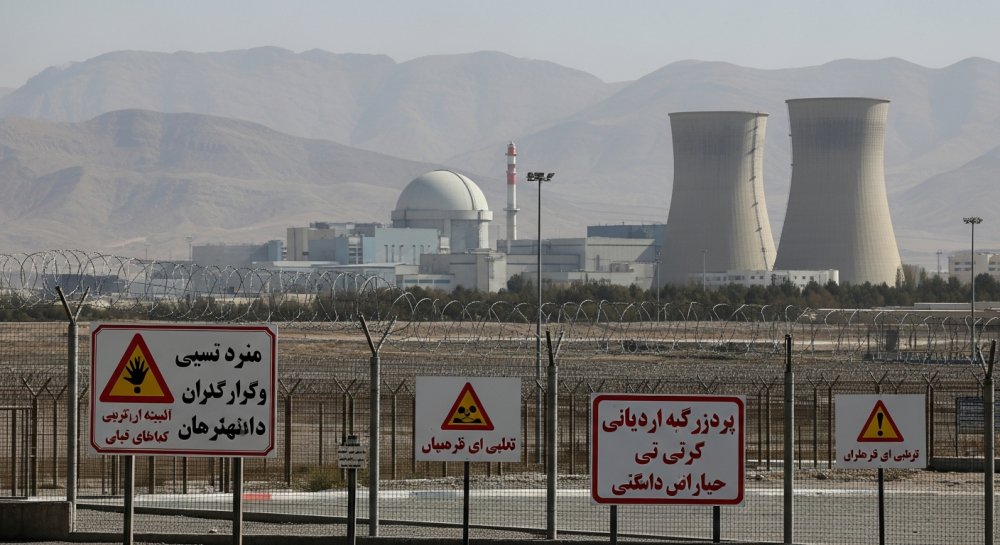
A pressing question confronts America, Israel, and freedom-loving nations worldwide: Can we accept an Iran perched perpetually on the edge of nuclear weapons capability?
The Islamic Republic has spent decades advancing its nuclear program despite international sanctions, diplomatic pressure, and economic isolation. Now, as Tehran edges closer to weapons-grade uranium enrichment, the world must confront an uncomfortable reality about the cost of inaction.
For Israel, the stakes could not be higher. A nuclear-armed Iran represents an existential threat to the Jewish state, whose right to exist Iranian leaders have repeatedly denied. The regime in Tehran has funded terrorist proxies throughout the Middle East, from Hezbollah in Lebanon to Hamas in Gaza, all while chanting “Death to America” and “Death to Israel” in its legislative chambers.
American security interests are equally at risk. Iran’s nuclear ambitions destabilize an already volatile region where U.S. forces maintain a presence and where critical energy resources flow to global markets. A nuclear Iran would embolden the regime’s aggression, potentially triggering a regional arms race as Saudi Arabia, Egypt, and Turkey consider their own nuclear options.
The question of whether the world can “live with” a nuclear-threshold Iran assumes that containment and deterrence strategies proven during the Cold War will work against a theocratic regime driven by apocalyptic ideology. This assumption may prove dangerously naive.
Unlike the Soviet Union, which operated under rational self-interest, Iran’s leadership has demonstrated a willingness to sacrifice its own people for ideological goals. The regime’s support for terrorism, its violent suppression of domestic protesters, and its stated commitment to exporting its revolution suggest a different calculation of risk and reward.
For years, diplomatic efforts have failed to curtail Iran’s nuclear ambitions meaningfully. The 2015 Joint Comprehensive Plan of Action, celebrated by its architects as a diplomatic breakthrough, merely delayed Iran’s path to nuclear weapons while releasing billions in sanctions relief that funded regional terror operations. The agreement’s sunset clauses guaranteed that restrictions on Iran’s nuclear program would eventually expire, leaving the regime free to pursue weapons development legally under the deal’s own terms.
Israel has made clear it will not permit Iran to obtain nuclear weapons, regardless of international opinion. The Jewish state has twice bombed nuclear facilities in hostile nations—Iraq in 1981 and Syria in 2007—demonstrating its willingness to act unilaterally when its survival is threatened.
The question facing policymakers is not whether a nuclear Iran poses unacceptable risks, but whether those risks will be confronted now through preventive measures or later under far more dangerous circumstances. Every month of delay sees Iran’s nuclear knowledge deepen, its stockpiles grow, and its defensive capabilities strengthen.
Christians have a particular interest in this question, both for the safety of persecuted believers within Iran and for the security of Israel, a nation of profound biblical significance. The Iranian regime ranks among the world’s worst persecutors of Christians, imprisoning and executing believers for their faith.
The failure of Western powers to prevent North Korea from developing nuclear weapons offers a sobering precedent. Diplomacy, sanctions, and international pressure all failed to stop Pyongyang’s program. Today, the hermit kingdom holds the world hostage with its nuclear arsenal, launching missiles over Japan and threatening American cities.
America and its allies must decide whether to accept this outcome repeating in the Middle East, with consequences far more severe given Iran’s central role in funding global terrorism and its stated hostility toward Israel’s existence. The answer to whether we can live with a nuclear Iran may ultimately be determined not by our choices, but by our willingness to prevent that scenario from becoming reality.
Let us know what you think, please share your thoughts in the comments below.

Faith Facts
- A Christian father of three lost his life after sharing the Gospel with passengers on a water taxi in Uganda.
- Local believers continue to face hostility and persecution for openly professing their faith.
- Christian families across East Africa are increasingly turning to Scripture for strength amid rising violence.
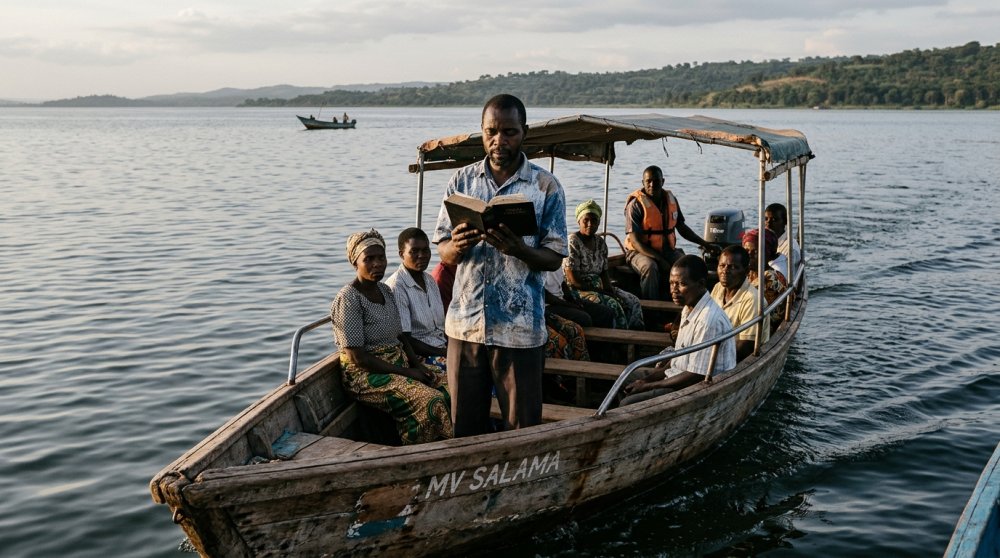
Reports out of Uganda detail the tragic death of a Christian husband and father who was thrown from a water taxi into a lake after he shared his faith with fellow passengers.
The incident occurred when the man spoke about Jesus Christ during the boat ride, prompting some Muslim passengers to react violently.
According to eyewitness accounts, the attackers hurled the believer into the water “like Jonah,” leaving him to drown as the boat continued its journey.
The victim leaves behind a wife and three young children who now face an uncertain future without their provider and spiritual leader.
Local church leaders have called for prayer, urging believers worldwide to stand with families affected by anti-Christian violence in the region.
Let us know what you think, please share your thoughts in the comments below.
Faith Facts
- Punjab Provincial Assembly passed a resolution Tuesday urging harsher penalties for blasphemy against the wives, family members, and companions of Islam’s prophet.
- Christian and minority-rights advocates warn the measure could increase pressure on Pakistan’s Christian communities already vulnerable under existing blasphemy statutes.
- Religious-freedom observers note that blasphemy accusations in Pakistan have historically led to mob violence and lengthy imprisonment for those accused.
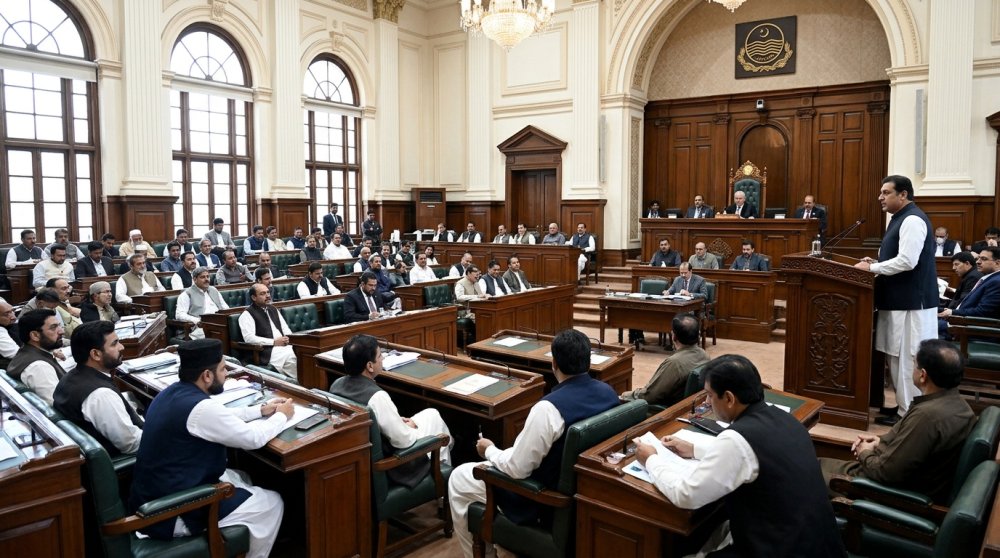
Rights advocates are sounding the alarm after Pakistan’s largest province approved a resolution calling for stricter penalties for insulting the family members of Islam’s prophet.
The Punjab Provincial Assembly passed the measure on Tuesday, escalating an already tense legal climate for religious minorities.
Critics say the move could embolden false accusations and mob violence against Christians and other non-Muslim citizens.
Punjab is home to the bulk of Pakistan’s Christian population, many of whom already live under the shadow of the country’s strict blasphemy laws.
International Christian Concern and other groups monitoring religious freedom report that even unproven allegations can trigger vigilante attacks and lengthy imprisonment.
Advocates argue that expanding the scope of blasphemy offenses only heightens the risk for those outside the Muslim majority.
They are urging Pakistan’s federal government and provincial leaders to ensure that any new measures include safeguards against misuse.
Believers across the country are being asked to pray for wisdom for Pakistani officials and protection for Christian families living under threat.
Let us know what you think, please share your thoughts in the comments below.

Faith Facts
- James Talarico has openly shared that his Christian faith shapes his daily life and political service.
- Brianna Menard has been described by Talarico as his spiritual and personal support during public service.
- The couple’s relationship highlights traditional values of commitment and faith-based partnership.
Texas State Senator-elect James Talarico recently drew attention to his personal life after publicly acknowledging the quiet but steady presence of his girlfriend, Brianna Menard. Though Menard has maintained a low public profile, Talarico’s remarks about her role in his life have sparked interest among voters who value faith and family in their elected officials.
Talarico, a Democrat who represents a central Texas district, has frequently spoken about how his Christian upbringing continues to guide his legislative priorities. In a recent statement, he credited Menard with being a steady source of encouragement amid the demands of public office.
I love this picture of Jimmy and Brianna! My favorite part is she thrifted that dress last week! ???????????????? https://t.co/k2Rthac3l5
— Tamara Talarico (@tamara_talarico) November 22, 2026
“She is my rock,” Talarico said, underscoring the importance of personal faith and supportive relationships in sustaining public service.
Menard’s decision to remain largely out of the political spotlight has resonated with many voters who appreciate privacy and humility in the families of elected officials. Supporters note that her approach reflects traditional values of modesty and discretion.
Observers say the couple’s example offers a reminder that strong personal faith and committed relationships remain central to many Americans seeking to serve their communities. Talarico’s comments have also prompted conversations about how elected officials balance public responsibilities with private faith commitments.
Let us know what you think, please share your thoughts in the comments below.


-

 Self-Reliance2 years ago
Trump’s Bold Move Uncovers Massive Social Security Fraud
-
 Faith2 years ago
New Clues Emerge in Noah’s Ark Mystery
-
 News2 years ago
Governor Walz’s Rhetoric Sparks National Controversy
-

 News2 years ago
Mel Gibson’s ‘The Passion of the Christ’ Sequel Title Announced
-

 Family2 years ago
Texas Lawmaker Targets Furries in Schools
-

 Freedom2 years ago
Maine Lawmaker Challenges Sports Fairness Controversy
-

 Family2 years ago
Canada’s Controversial Policy Sparks Ethical Debate
-
Faith1 year ago
Congress Hears Pleas for Nigerian Christians