
Faith
Europe’s Double Standard on Religious Freedom Comes Under Fire

Faith Facts
- The Council of Europe has been criticized for lacking adequate mechanisms to address anti-Christian incidents, despite having systems in place for anti-Semitism and Islamophobia
- A recent conference in Paris revealed growing concerns about violence against Christians in Europe, including church attacks and harassment of believers
- Christian leaders are calling for equal protection and formal recognition of anti-Christian persecution by European institutions
Christian advocacy groups and religious freedom organizations are raising alarm over what they describe as a systematic failure by the Council of Europe to adequately address the rising tide of anti-Christian incidents across the continent. While European institutions have established formal mechanisms to combat anti-Semitism and Islamophobia, Christians remain conspicuously absent from similar protections.
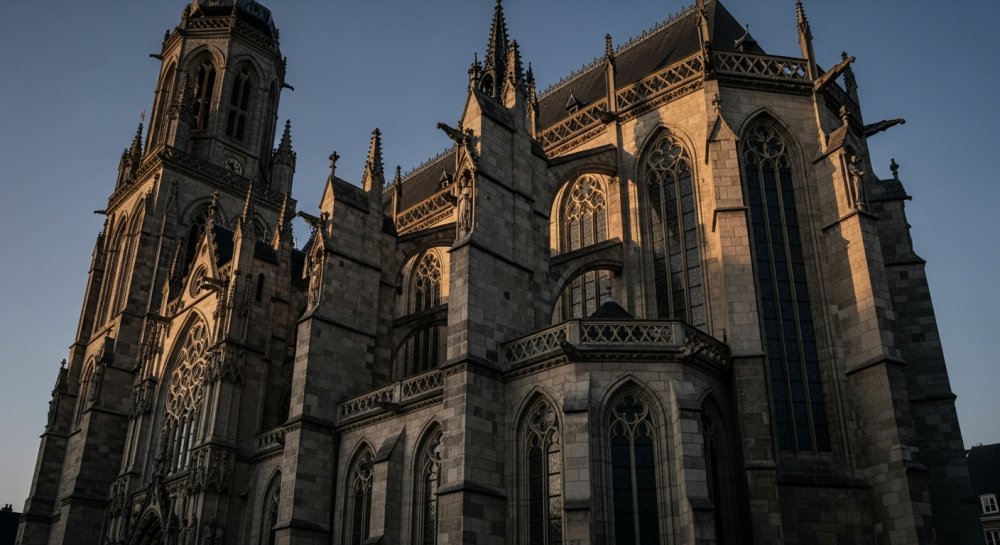
A recent conference held in Paris brought together religious freedom advocates, Christian leaders, and policy experts to address this troubling disparity. The gathering highlighted mounting evidence of anti-Christian violence, including church vandalism, arson attacks, and harassment of believers throughout Europe.
“There are mechanisms to combat anti-Semitism and Islamophobia, but nothing concerning Christians,” conference participants noted, underscoring the institutional blind spot that leaves millions of European Christians vulnerable.
The criticism comes at a time when documented attacks on Christian sites and symbols have increased significantly. Churches have been desecrated, religious processions disrupted, and Christian communities face growing hostility in public spaces. Despite this documented trend, the Council of Europe has failed to establish comparable monitoring or response systems for anti-Christian incidents.
This double standard raises serious questions about religious freedom and equal protection under European human rights frameworks. Christianity, which forms the foundational bedrock of Western civilization and European culture, appears to receive less institutional concern than other religious groups facing discrimination.
The absence of formal mechanisms means anti-Christian incidents often go unreported, untracked, and unaddressed by European authorities. Without official recognition and response protocols, these attacks are frequently dismissed as random vandalism rather than targeted religious persecution.
Christian leaders argue that this institutional neglect sends a troubling message about the value placed on Christian communities and their safety. They point out that equal protection under the law should apply to all religious groups, not just selected faiths deemed worthy of special attention by secular bureaucrats.
The call for action extends beyond mere rhetoric. Advocates are demanding the Council of Europe establish formal monitoring systems, reporting mechanisms, and response protocols specifically designed to address anti-Christian violence and discrimination. These would parallel existing systems for other religious groups and ensure Christians receive equal protection.
As Europe grapples with questions of identity, immigration, and religious pluralism, the treatment of its historic Christian majority population has become a litmus test for genuine commitment to religious freedom. Critics argue that true tolerance and protection must extend to all faiths equally, including Christianity.
The Paris conference represents a growing movement among European Christians to demand accountability from institutions that claim to champion human rights while selectively applying those protections. The message is clear: religious freedom means freedom for all believers, not just politically favored groups.
Let us know what you think, please share your thoughts in the comments below.

Faith Facts
- Church leaders and Christians in Sudan’s Nuba Mountains are experiencing increasing killings, abductions, and violent attacks.
- The violence is intensifying in Sudan’s South Kordofan state as rival armed factions battle for control.
- Christian watchdog organization Open Doors has raised urgent concerns about the persecution facing believers in the region.
Believers in Sudan are enduring a terrifying surge of violence that threatens the very survival of Christian communities in the region. What many Americans may not realize is that while we enjoy religious freedom, our brothers and sisters in Christ face daily threats to their lives simply for holding fast to their faith.
The Nuba Mountains region has become a flashpoint of persecution as rival armed groups wage brutal campaigns across South Kordofan state. Christian leaders report that their congregations are being specifically targeted in what amounts to systematic religious persecution.
Open Doors, a respected international ministry that monitors and responds to Christian persecution worldwide, has issued urgent warnings about the deteriorating situation. Their reports document a disturbing pattern of kidnappings, murders, and coordinated attacks on Christian communities that appear designed to drive believers from their ancestral lands.
The civil conflict in Sudan has provided cover for those who seek to eliminate Christian witness from the region. Armed factions are exploiting the chaos to settle old scores and pursue ideological agendas that leave no room for religious minorities.
Church leaders on the ground describe a climate of constant fear where worship services become potential targets and simply identifying as a Christian can mark someone for violence. Families are torn apart by abductions, with many victims never seen again.
This crisis demands the attention and prayers of American Christians. The persecution in Sudan represents a grave threat to religious freedom and human dignity. As believers who cherish our own liberty to worship freely, we have a moral obligation to stand with those who face persecution for the same faith we hold dear.
The situation also highlights the ongoing failure of international bodies to protect vulnerable religious minorities in conflict zones. Despite numerous reports and documentation of atrocities, effective intervention remains elusive while Christians continue to suffer.
Organizations like Open Doors provide vital support to persecuted believers, but they cannot solve this crisis alone. American Christians must raise their voices, contact their elected representatives, and demand that our government prioritize religious freedom in its foreign policy.
The faithful in Sudan’s Nuba Mountains need more than our sympathy—they need our active advocacy and sustained prayer. Their courage in maintaining their Christian witness under such dire circumstances should inspire us to greater faithfulness in our own walk with Christ.
Let us know what you think, please share your thoughts in the comments below.
Faith Facts
- More than 1,500 participants from 17 nations gathered in Kyiv for Ukraine’s third National Prayer Breakfast
- European evangelical leaders joined Ukrainian believers in prayers for the nation’s survival and continued international support
- The prayer breakfast took place as Ukraine prepares to celebrate 35 years of independence amid ongoing war
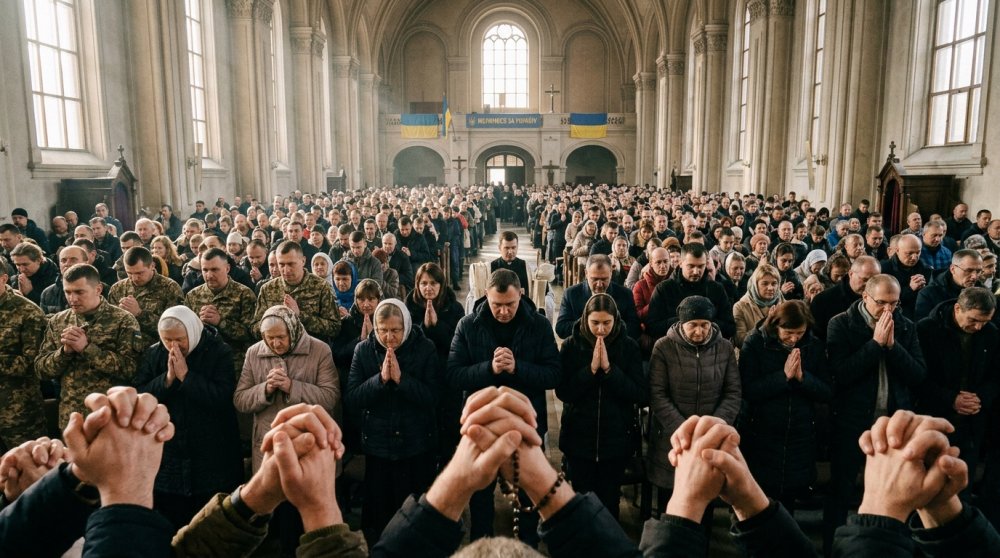
A powerful display of Christian solidarity unfolded in the heart of Kyiv as evangelical leaders from across Europe joined forces with Ukrainian believers in prayer. More than 1,500 participants from 17 countries gathered for Ukraine’s third National Prayer Breakfast on Sunday, August 23, demonstrating that the global Christian community has not forgotten this embattled nation.
The gathering comes at a critical moment as Ukraine approaches the milestone of 35 years of independence. The event served as both a celebration of faith and a stark reminder that the fight for freedom continues in the face of aggression.
European evangelical leaders used the platform to deliver a clear message to the international community: do not grow weary of supporting Ukraine in its time of need. Their presence in Kyiv itself spoke volumes about the commitment of Christians worldwide to stand with those facing persecution and war.
The prayer breakfast represents more than a symbolic gesture. It reflects the deep spiritual bonds that unite believers across borders and the conviction that prayer remains a powerful force in times of crisis. These Christian leaders recognized that Ukraine’s struggle is not merely a geopolitical conflict but a battle for the values of freedom and self-determination that align with biblical principles.
As the world’s attention sometimes wavers, these evangelical voices are calling for sustained support—both material and spiritual. Their message resonates with the Christian understanding that perseverance in doing good is a fundamental duty, especially when standing alongside those who suffer.
The gathering in Kyiv demonstrates the enduring power of faith communities to provide hope and encouragement when circumstances seem darkest. For Ukrainian believers who have endured years of conflict, the presence of international Christian leaders offers tangible proof that they have not been abandoned in their hour of need.
This National Prayer Breakfast stands as a testament to the universal nature of the Christian faith and the obligation believers feel to support their brothers and sisters facing trials. It challenges comfortable Western Christians to remember those who worship under the shadow of war and to continue lifting them up in prayer and action.
Let us know what you think, please share your thoughts in the comments below.
Faith Facts
- More than half of self-identifying Christians in America attend church services less than once a month
- Regular church attendees rate their congregations highly despite widespread discipleship challenges
- Research reveals a significant gap between Christian identification and active faith practice
A new comprehensive study has revealed a troubling reality facing the American church: while regular attendees express satisfaction with their congregations, there exists what researchers are calling a “massive discipleship gap” among those who identify as Christian.
The findings paint a complex picture of faith in America. On one hand, churches are performing well in the eyes of their committed members. On the other hand, the research exposes a critical disconnect between those who claim Christianity and those who actively participate in church life.
According to the study, more than half of Americans who identify themselves as Christians attend worship services less than once per month. This stark reality raises serious questions about the depth of faith formation and biblical literacy among those who claim allegiance to Christ.
The term “discipleship gap” refers to the significant divide between nominal Christianity and genuine, active faith practice. Discipleship — the process of becoming more like Christ through biblical teaching, spiritual formation, and active participation in the body of believers — appears to be lacking among a majority of self-professed Christians.
For those who do attend regularly, the news is more encouraging. These committed believers report positive experiences within their church communities, suggesting that congregations are effectively ministering to their core membership. This indicates that when churches have the opportunity to engage believers consistently, they are doing meaningful work.
However, the broader implications cannot be ignored. The discipleship gap represents a fundamental challenge to the Great Commission — Christ’s command to make disciples of all nations. When more than half of those who identify with Christianity rarely or never participate in corporate worship, biblical teaching, or fellowship, the church’s ability to fulfill its mission is severely hampered.
This research arrives at a critical moment for American Christianity. Cultural pressures, secular influences, and changing attitudes toward institutional religion have created an environment where casual Christianity has become increasingly common. Many identify with the Christian label for cultural or familial reasons without embracing the transformative commitment that authentic faith requires.
The findings also raise important questions about evangelism and church growth strategies. Are churches focusing too heavily on initial conversions without adequate emphasis on long-term spiritual formation? Are believers being equipped to live out their faith beyond Sunday morning?
Church leaders across the nation must grapple with these realities. The satisfaction of regular attendees, while positive, cannot mask the urgent need to reach and disciple the millions who claim Christ but remain disconnected from His body, the church. Effective discipleship requires consistent biblical teaching, meaningful relationships within the faith community, and accountability in spiritual growth.
The path forward demands renewed commitment to the biblical model of discipleship — not merely attracting crowds, but making devoted followers of Jesus Christ who are grounded in Scripture, active in worship, and engaged in mission.
Let us know what you think, please share your thoughts in the comments below.


-

 Self-Reliance1 year ago
Trump’s Bold Move Uncovers Massive Social Security Fraud
-

 Faith1 year ago
New Clues Emerge in Noah’s Ark Mystery
-

 News1 year ago
Governor Walz’s Rhetoric Sparks National Controversy
-

 News1 year ago
Mel Gibson’s ‘The Passion of the Christ’ Sequel Title Announced
-

 Family1 year ago
Texas Lawmaker Targets Furries in Schools
-

 Freedom1 year ago
Maine Lawmaker Challenges Sports Fairness Controversy
-

 Family1 year ago
Canada’s Controversial Policy Sparks Ethical Debate
-
Faith9 months ago
Congress Hears Pleas for Nigerian Christians