
Faith
Britain’s Youngest MP Exposes Westminster’s Drinking Problem — and Churches Face the Same Crisis


Faith Facts
- Green party MP Hannah Spencer has called out Westminster’s problematic drinking culture, sparking a broader conversation about alcohol in British institutions
- A growing generational divide shows young people increasingly abstaining from alcohol while older generations drink more, creating tensions in churches and politics alike
- Christian leaders warn that alcohol-centered church culture may be alienating Gen Z believers and hindering discipleship efforts
Britain’s youngest Member of Parliament has ignited a national conversation that extends far beyond the halls of Westminster. Hannah Spencer, the Green party MP, has publicly criticized what she describes as parliament’s problematic relationship with alcohol—and Christian observers are noting the same troubling pattern exists within the Church.
The issue cuts deeper than political culture. A stark generational divide is emerging across British society, including its churches, with profound implications for Christian community and witness.
Young people are rejecting alcohol at unprecedented rates, while older generations continue patterns of regular drinking. This cultural shift isn’t just changing social norms—it’s creating friction within church communities and potentially driving away the very generation churches are trying to reach.
The statistics paint a clear picture: Gen Z is the most sober generation in modern history, with significantly higher rates of abstinence than their parents or grandparents. Meanwhile, older believers often view social drinking as a normal, even essential, part of Christian fellowship.
This disconnect manifests in church gatherings where alcohol flows freely at events designed to build community. For many traditional Christians, sharing a glass of wine represents hospitality and fellowship. For many young believers, the same environment feels unwelcoming or even compromising.
The implications for discipleship are serious. When church culture centers around practices that make younger members uncomfortable, it creates barriers to genuine spiritual mentorship and community integration. Young Christians may feel they must choose between their convictions and full participation in church life.
Some church leaders are beginning to recognize the problem. They’re questioning whether alcohol-centered socializing truly serves the mission of making disciples or whether it reflects cultural habits that deserve re-examination in light of changing generational values.
The parallel to Westminster’s drinking culture is striking. Just as Spencer has challenged parliament to consider whether its traditions serve or hinder its purpose, churches face similar questions about whether their social practices support or undermine their calling to reach all generations with the Gospel.
Critics within the church point out that while Scripture doesn’t mandate abstinence, it repeatedly warns against drunkenness and calls believers to avoid causing others to stumble. When younger Christians express discomfort with drinking-centered church culture, dismissing their concerns may violate the biblical principle of considering weaker brothers and sisters.
The solution isn’t necessarily wholesale prohibition, but rather thoughtful consideration of how church communities can honor both those who drink in moderation and those who abstain. Creating space for genuine fellowship that doesn’t revolve around alcohol may be essential for churches hoping to retain and disciple younger believers.
This cultural moment presents an opportunity for Christian communities to model something better than either legalistic prohibition or uncritical acceptance of secular drinking culture. Churches could demonstrate how to build authentic community around shared faith rather than shared drinks.
The stakes are high. As Gen Z increasingly walks away from institutional religion, churches cannot afford to add unnecessary obstacles to faith and fellowship. If alcohol culture is creating distance between generations and hindering discipleship, Christian leaders have a responsibility to address it honestly.
Spencer’s courage in challenging Westminster’s drinking culture offers a reminder that sometimes traditional practices need re-examination. For churches committed to reaching the next generation with the unchanging Gospel, it may be time to ask hard questions about which cultural traditions truly serve that mission and which simply serve themselves.
Let us know what you think, please share your thoughts in the comments below.

Faith Facts
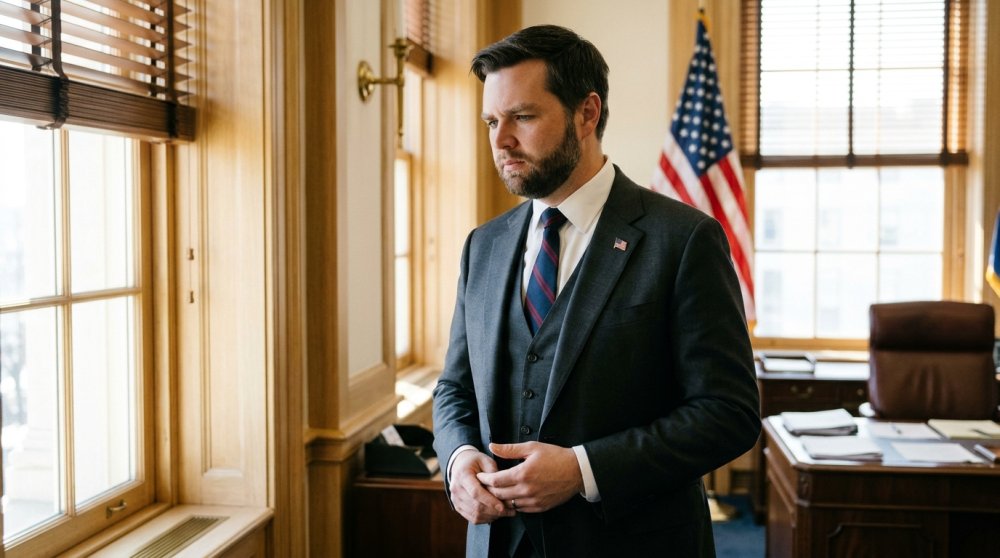
- Vice President JD Vance credits his faith for guiding his political service and life decisions.
- Vance says he has not yet felt a divine call to pursue the presidency in 2028.
- He remains open to the possibility that God may lead him toward a future presidential campaign.
Vice President JD Vance has stated that his faith remains central to his decision-making as he weighs a potential 2028 presidential campaign. The Ohio senator-turned-vice president spoke candidly about how he continues to seek God’s direction before making major political moves.
Vance emphasized that he has not yet sensed a clear calling from God regarding a presidential run. He noted that this could change in time but stressed the importance of waiting for divine guidance.
“I haven’t yet felt God’s call for a presidential run in 2028,”
“Maybe that’ll change.”
Vance’s comments reflect a growing trend among conservative leaders who publicly acknowledge their dependence on prayer and Scripture when facing major career decisions. His approach resonates with many Americans who value leaders willing to submit their ambitions to God’s will.
The vice president also reflected on how his conversion to Christianity has shaped his worldview and public service. Vance has often spoken about the transformative power of faith in both his personal life and his political philosophy.
Let us know what you think, please share your thoughts in the comments below.
Faith Facts
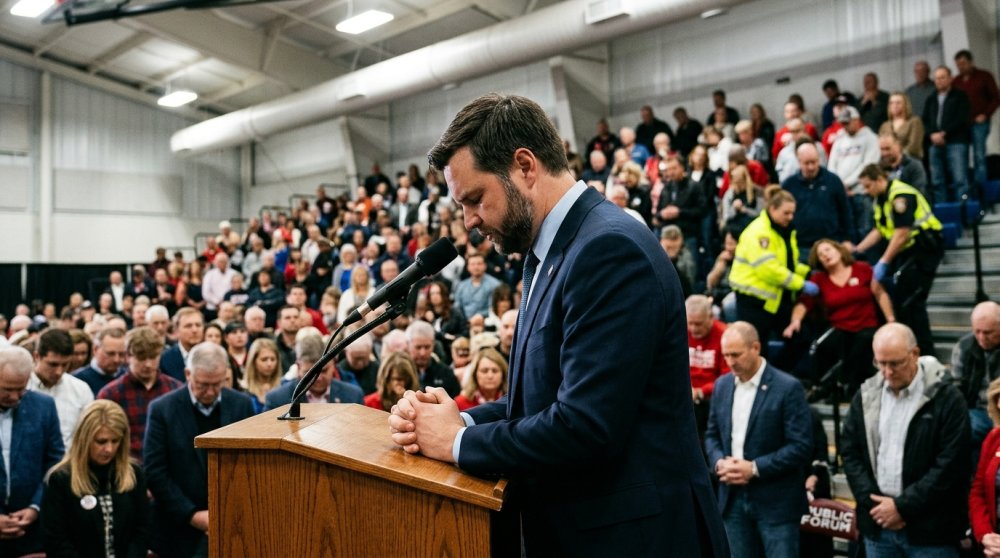
- Vice President JD Vance led rally attendees in reciting the Lord’s Prayer when a woman collapsed nearby.
- The moment highlighted the continued presence of Christian faith in American public life and political gatherings.
- Vance personally left the stage to check on the woman after leading the prayer.
Vice President JD Vance paused a Nebraska campaign rally to lead the crowd in the Lord’s Prayer after a woman collapsed in the audience.
The incident took place during a live event where Vance addressed supporters and addressed policy issues.
“Pray as the Lord taught us to pray,” Vance said before leading the audience in the traditional prayer.
After finishing the prayer, Vance stepped down from the stage and made his way into the stands to personally check on the woman who had collapsed.
The spontaneous act of faith and compassion drew praise from attendees who witnessed the moment.
Let us know what you think, please share your thoughts in the comments below.
Faith Facts
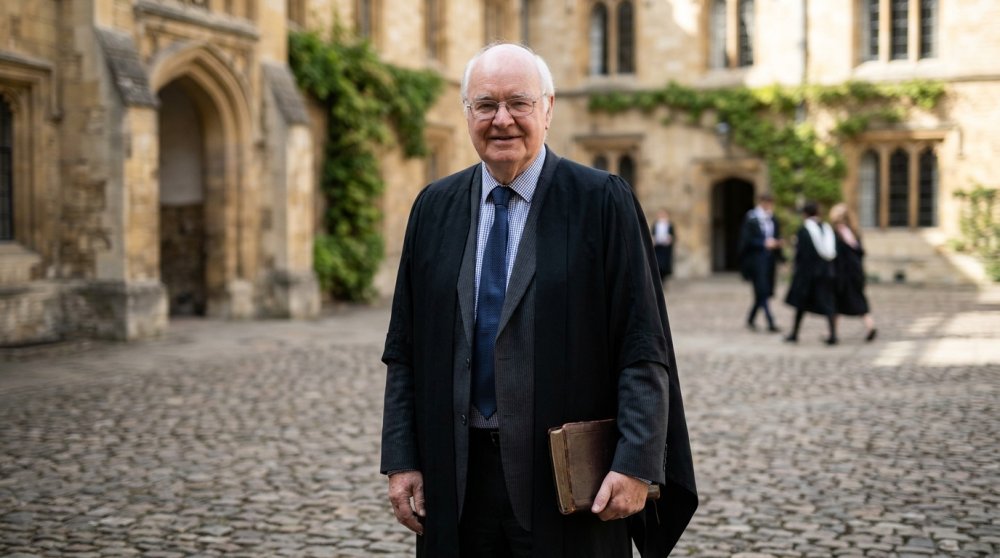
- Oxford mathematician and Christian apologist Professor John Lennox encourages believers to share their faith with confidence.
- Lennox stresses that evangelism is not reserved only for preachers, theologians, or those with extensive biblical knowledge.
- Every Christian is called to be a witness for Christ in daily life.
Oxford mathematician and Christian apologist Professor John Lennox is urging believers everywhere to share their faith with greater boldness and confidence. He reminds Christians that the call to witness is not limited to pastors or scholars but belongs to every follower of Christ.
“We’re all called to be witnesses,” Lennox declares. This simple truth challenges the idea that only trained experts can effectively share the gospel.
Professor Lennox emphasizes that evangelism is not about having every theological answer or delivering polished sermons. Instead, it is about living out and speaking the truth of Christ wherever God places His people.
His words come as a timely encouragement to Christians who may feel hesitant or unqualified to speak about their faith. Lennox points to the biblical calling that every believer is a witness, empowered by the Holy Spirit to share the hope within them.
Let us know what you think, please share your thoughts in the comments below.


-

 Self-Reliance2 years ago
Trump’s Bold Move Uncovers Massive Social Security Fraud
-

 Faith2 years ago
New Clues Emerge in Noah’s Ark Mystery
-

 News2 years ago
Governor Walz’s Rhetoric Sparks National Controversy
-

 News2 years ago
Mel Gibson’s ‘The Passion of the Christ’ Sequel Title Announced
-

 Family2 years ago
Texas Lawmaker Targets Furries in Schools
-

 Freedom2 years ago
Maine Lawmaker Challenges Sports Fairness Controversy
-

 Family1 year ago
Canada’s Controversial Policy Sparks Ethical Debate
-
Faith11 months ago
Congress Hears Pleas for Nigerian Christians