
Faith
Britain’s Youngest MP Exposes Westminster’s Drinking Problem — and Churches Face the Same Crisis


Faith Facts
- Green party MP Hannah Spencer has called out Westminster’s problematic drinking culture, sparking a broader conversation about alcohol in British institutions
- A growing generational divide shows young people increasingly abstaining from alcohol while older generations drink more, creating tensions in churches and politics alike
- Christian leaders warn that alcohol-centered church culture may be alienating Gen Z believers and hindering discipleship efforts
Britain’s youngest Member of Parliament has ignited a national conversation that extends far beyond the halls of Westminster. Hannah Spencer, the Green party MP, has publicly criticized what she describes as parliament’s problematic relationship with alcohol—and Christian observers are noting the same troubling pattern exists within the Church.
The issue cuts deeper than political culture. A stark generational divide is emerging across British society, including its churches, with profound implications for Christian community and witness.
Young people are rejecting alcohol at unprecedented rates, while older generations continue patterns of regular drinking. This cultural shift isn’t just changing social norms—it’s creating friction within church communities and potentially driving away the very generation churches are trying to reach.
The statistics paint a clear picture: Gen Z is the most sober generation in modern history, with significantly higher rates of abstinence than their parents or grandparents. Meanwhile, older believers often view social drinking as a normal, even essential, part of Christian fellowship.
This disconnect manifests in church gatherings where alcohol flows freely at events designed to build community. For many traditional Christians, sharing a glass of wine represents hospitality and fellowship. For many young believers, the same environment feels unwelcoming or even compromising.
The implications for discipleship are serious. When church culture centers around practices that make younger members uncomfortable, it creates barriers to genuine spiritual mentorship and community integration. Young Christians may feel they must choose between their convictions and full participation in church life.
Some church leaders are beginning to recognize the problem. They’re questioning whether alcohol-centered socializing truly serves the mission of making disciples or whether it reflects cultural habits that deserve re-examination in light of changing generational values.
The parallel to Westminster’s drinking culture is striking. Just as Spencer has challenged parliament to consider whether its traditions serve or hinder its purpose, churches face similar questions about whether their social practices support or undermine their calling to reach all generations with the Gospel.
Critics within the church point out that while Scripture doesn’t mandate abstinence, it repeatedly warns against drunkenness and calls believers to avoid causing others to stumble. When younger Christians express discomfort with drinking-centered church culture, dismissing their concerns may violate the biblical principle of considering weaker brothers and sisters.
The solution isn’t necessarily wholesale prohibition, but rather thoughtful consideration of how church communities can honor both those who drink in moderation and those who abstain. Creating space for genuine fellowship that doesn’t revolve around alcohol may be essential for churches hoping to retain and disciple younger believers.
This cultural moment presents an opportunity for Christian communities to model something better than either legalistic prohibition or uncritical acceptance of secular drinking culture. Churches could demonstrate how to build authentic community around shared faith rather than shared drinks.
The stakes are high. As Gen Z increasingly walks away from institutional religion, churches cannot afford to add unnecessary obstacles to faith and fellowship. If alcohol culture is creating distance between generations and hindering discipleship, Christian leaders have a responsibility to address it honestly.
Spencer’s courage in challenging Westminster’s drinking culture offers a reminder that sometimes traditional practices need re-examination. For churches committed to reaching the next generation with the unchanging Gospel, it may be time to ask hard questions about which cultural traditions truly serve that mission and which simply serve themselves.
Let us know what you think, please share your thoughts in the comments below.


Faith Facts
- A study of more than 11,000 congregations found practical ways churches of any size can reach young adults.
- Traditional family values and biblical teaching remain central to engaging the next generation.
- Churches that focus on faith, family, and freedom see greater retention among young believers.
The news about young adults and churches is often discouraging. But a study of more than 11,000 congregations shows that churches of almost any size can take practical steps to reach them.
“Churches that prioritize clear biblical teaching and meaningful community are seeing young adults return,” one pastor observed.
“It is not about changing the message, but about how we deliver it,” another leader explained.
Let us know what you think, please share your thoughts in the comments below.

Faith Facts
- The Illinois court order protects nearly all healthcare providers affiliated with Catholic and Christian institutions from providing or referring for assisted suicide.
- Christian medical ethics, rooted in the sanctity of life, stand in direct opposition to state-mandated participation in assisted suicide procedures.
- The ruling preserves religious liberty for faith-based institutions while litigation over Illinois’ assisted suicide law continues.
A new court ruling protects nearly all healthcare providers affiliated with Catholic and Christian healthcare institutions in the state of Illinois from having to provide or refer patients for assisted suicide as litigation surrounding the state’s new assisted suicide mandate continues.
The decision affirms the constitutional rights of believers who hold that human life is sacred from conception to natural death.
“The court has recognized that forcing Christian doctors and nurses to participate in assisted suicide violates both their faith and their conscience,”
“This ruling upholds the fundamental truth that no government can compel believers to take actions contrary to their deeply held convictions about the sanctity of life.”
The temporary protection ensures that Catholic hospitals, Christian clinics, and their dedicated staff can continue serving patients without compromising their commitment to biblical principles.
Faith-based healthcare providers across Illinois now have legal space to maintain their witness while the broader constitutional challenge moves forward.
Let us know what you think, please share your thoughts in the comments below.
Faith Facts
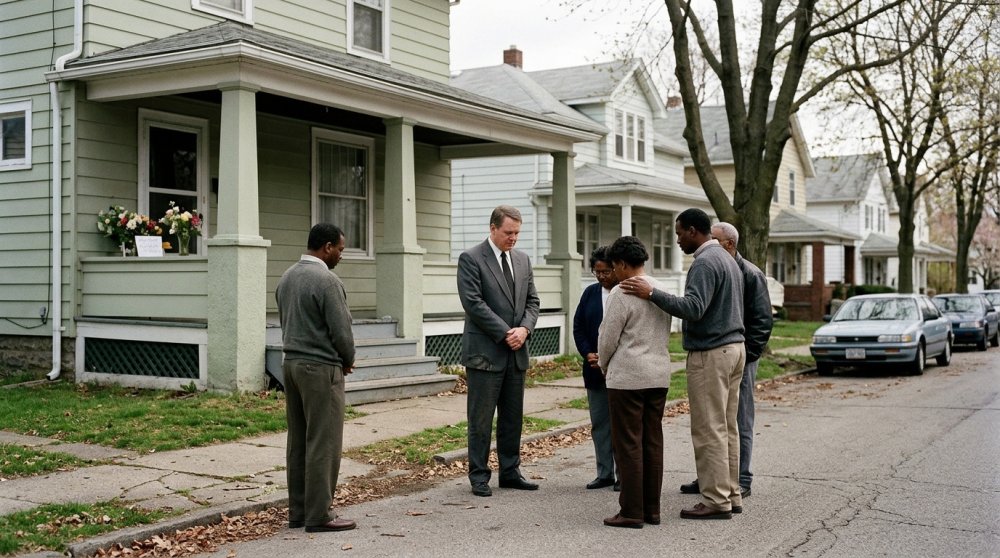
- Erie, Pennsylvania, faith leaders are offering spiritual support to families reeling from a mass shooting that claimed nine lives, including a pregnant mother.
- The tragedy unfolded when a 45-year-old grandfather killed eight family members before taking his own life.
- Local churches are stepping forward to provide prayer, counseling, and practical assistance rooted in Christian compassion.
Faith leaders in Erie, Pennsylvania, are pledging support after a 45-year-old grandfather fatally shot eight people at his home Friday, including his wife, pregnant daughter, two sons and two grandchildren, before killing himself.
The shooting has left the tight-knit community searching for answers and comfort. Church leaders say their doors are open to survivors and neighbors in need of prayer.
“We are grieving with the families and committing ourselves to walk alongside them in the days ahead,” one local pastor said.
Community members are gathering at area churches for prayer vigils and counseling sessions. Pastors emphasize that faith and family remain central to healing in times of profound loss.
“Our hope is in the Lord, who promises comfort to those who mourn,” another minister said.
Let us know what you think, please share your thoughts in the comments below.


-

 Self-Reliance2 years ago
Trump’s Bold Move Uncovers Massive Social Security Fraud
-

 Faith1 year ago
New Clues Emerge in Noah’s Ark Mystery
-

 News2 years ago
Governor Walz’s Rhetoric Sparks National Controversy
-

 News2 years ago
Mel Gibson’s ‘The Passion of the Christ’ Sequel Title Announced
-

 Family2 years ago
Texas Lawmaker Targets Furries in Schools
-

 Freedom2 years ago
Maine Lawmaker Challenges Sports Fairness Controversy
-

 Family1 year ago
Canada’s Controversial Policy Sparks Ethical Debate
-
Faith11 months ago
Congress Hears Pleas for Nigerian Christians