
Faith
Will Lebanese Christians Survive This Peace Deal?

Faith Facts
- Lebanese Christians have declined from 54% of the population in 1932 to just 32% today due to decades of conflict and emigration.
- An estimated 14 million Lebanese Christians now live abroad, compared to only 1.5 million remaining in Lebanon.
- Christians across the Middle East face ongoing persecution and displacement, with ancient faith communities vanishing from the region where Christianity began.
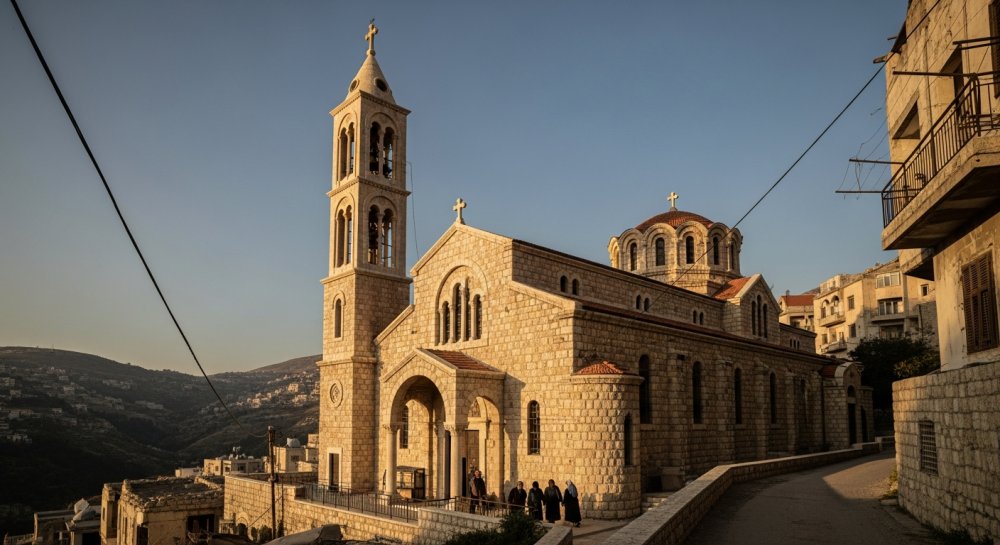
As Lebanon emerges from yet another devastating conflict, a critical question looms: Will the nation’s historic Christian community survive? The recent peace deal brings a temporary calm, but for Lebanese Christians, the existential crisis runs far deeper than any single ceasefire.
Lebanon once stood as a beacon of Christian presence in the Middle East. In 1932, Christians comprised 54% of the nation’s population, a thriving community that gave the country its unique character and democratic tradition.
Today, that number has plummeted to just 32%, and the decline shows no signs of stopping.
The statistics tell a sobering story of displacement and exodus. An estimated 14 million Lebanese Christians now live scattered across the globe—in Europe, the Americas, Africa, and Australia. Meanwhile, only 1.5 million remain in their ancestral homeland, a nation where their faith once flourished for nearly two millennia.
This isn’t merely a demographic shift—it represents the potential extinction of one of Christianity’s oldest and most resilient communities. Lebanese Christians trace their heritage directly to the earliest days of the faith, maintaining traditions and liturgies that connect them to the apostolic age.
The causes are complex but clear. Decades of civil war, regional instability, economic collapse, and the rise of radical Islamic movements have made life increasingly untenable for Christian families. Each new conflict accelerates the brain drain, as educated professionals and young families seek stability and opportunity abroad.
The latest peace agreement may halt immediate violence, but it does nothing to address the underlying forces driving Christians from Lebanon. Without economic revival, political stability, and genuine security guarantees for religious minorities, the exodus will continue.
Lebanon’s Christian decline mirrors a broader catastrophe across the Middle East. In Iraq, Syria, Egypt, and the Palestinian territories, ancient Christian populations have been decimated. The region where Christianity was born is becoming a place where Christians can barely survive.
For American Christians who cherish religious freedom and biblical heritage, this should be a clarion call. The disappearance of Middle Eastern Christianity would represent not just a humanitarian tragedy, but a spiritual and historical loss for the entire Christian world.
These communities have weathered Persian emperors, Roman persecution, Islamic conquests, and Ottoman rule. The question now is whether they can survive the 21st century. The answer may depend on whether the West—and particularly the American faith community—chooses to stand with them in their darkest hour.
Let us know what you think, please share your thoughts in the comments below.

Faith Facts
- Dylan Mandell, a Christian social media influencer, has received his fourth cancer diagnosis in four years.
- Mandell publicly declares he is standing on God’s promise of long life despite the repeated health trials.
- The influencer’s testimony highlights unwavering faith and reliance on Scripture amid suffering.
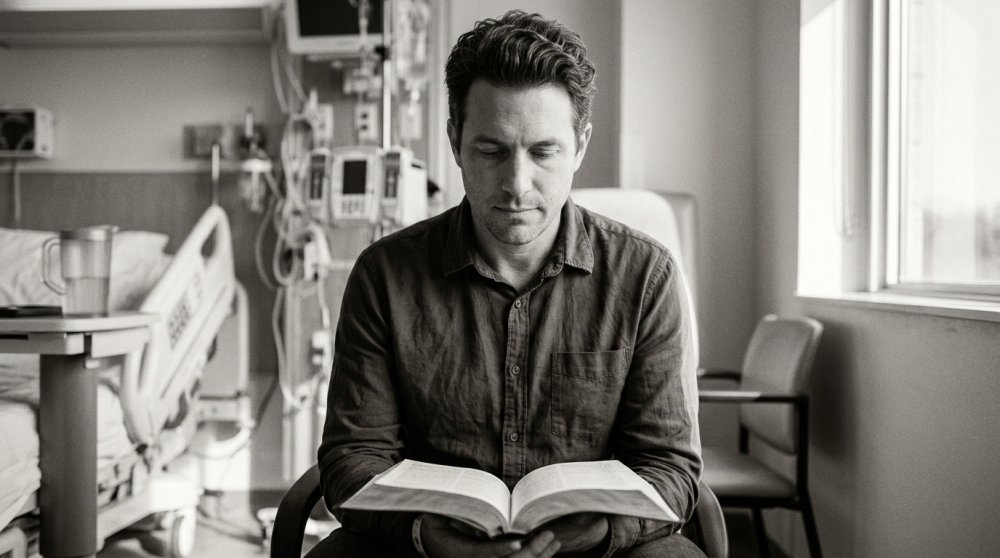
Christian social media influencer Dylan Mandell has been diagnosed with cancer for the fourth time in four years. Yet he refuses to let fear define his story. Instead, he is clinging to the biblical promise of long life.
“I am holding on to God’s promise of long life,” Mandell said. The statement reflects his determination to trust Scripture even when circumstances appear grim.
Family, friends, and followers have rallied around Mandell as he faces this latest battle. His transparency about his health has encouraged many believers to strengthen their own faith during trials.
Through every diagnosis, Mandell has pointed others back to the Word of God. He continues to share messages of hope grounded in Scripture rather than statistics.
Let us know what you think, please share your thoughts in the comments below.
Faith Facts
- Frank Turek continues sharing the Gospel on college campuses despite the trauma of witnessing Charlie Kirk’s assassination.
- Turek credits his faith in Christ for helping him process the violence and remain committed to truth.
- The Christian apologist warns that America is engaged in a spiritual battle over reality itself.
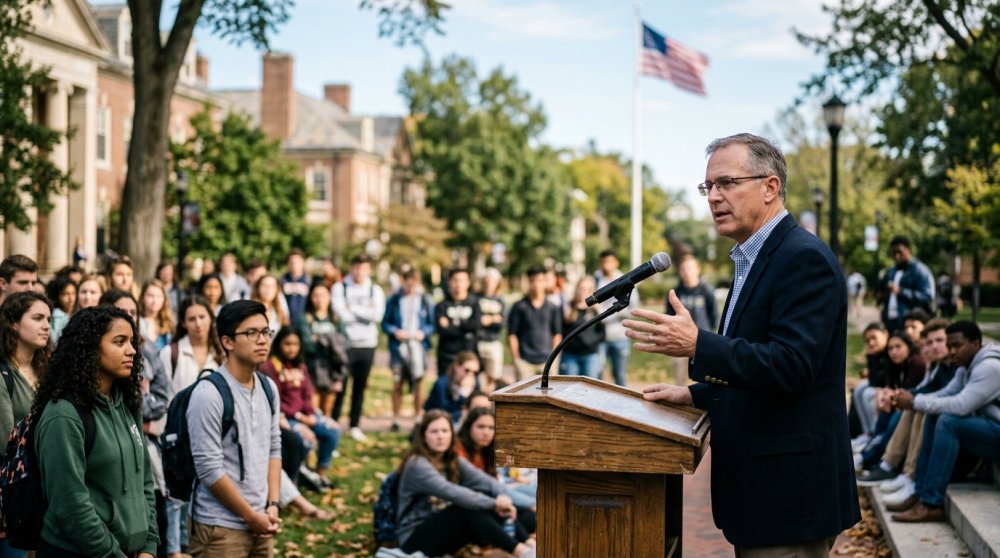
Christian apologist Frank Turek has spoken candidly about the profound effect of watching Charlie Kirk’s assassination unfold before his eyes. The shocking act of violence has not silenced his message. Instead, it has strengthened his resolve to continue proclaiming the Gospel on university campuses across the nation.
Turek explained that his faith has been the anchor keeping him steady through the aftermath of the tragedy. He described turning to Scripture and prayer as he grappled with the reality of what he witnessed. That same faith now fuels his determination to keep engaging students with biblical truth.
“The war on reality is real, and it is spiritual,” Turek stated.
He emphasized that the same cultural forces celebrating the murder of Charlie Kirk are the forces actively opposing biblical Christianity on campuses and in the public square. Turek refused to retreat in the face of such hostility, insisting that the Gospel must still be proclaimed even when the cost is high.
“I refuse to back down,” he declared.
Turek’s commitment reflects a broader pattern among Christian leaders who view current cultural battles as part of an ongoing spiritual conflict. He continues to equip believers with apologetics while urging them to stand firm in the face of increasing opposition to traditional values and religious liberty.
Let us know what you think, please share your thoughts in the comments below.
Faith Facts
- Parents in Connecticut challenged a state law that removed religious exemptions for school vaccine requirements.
- The lawsuit was dismissed after a judge ruled the exemptions are not protected under existing religious freedom statutes.
- The decision leaves families with no legal recourse when their sincerely held beliefs conflict with state mandates.
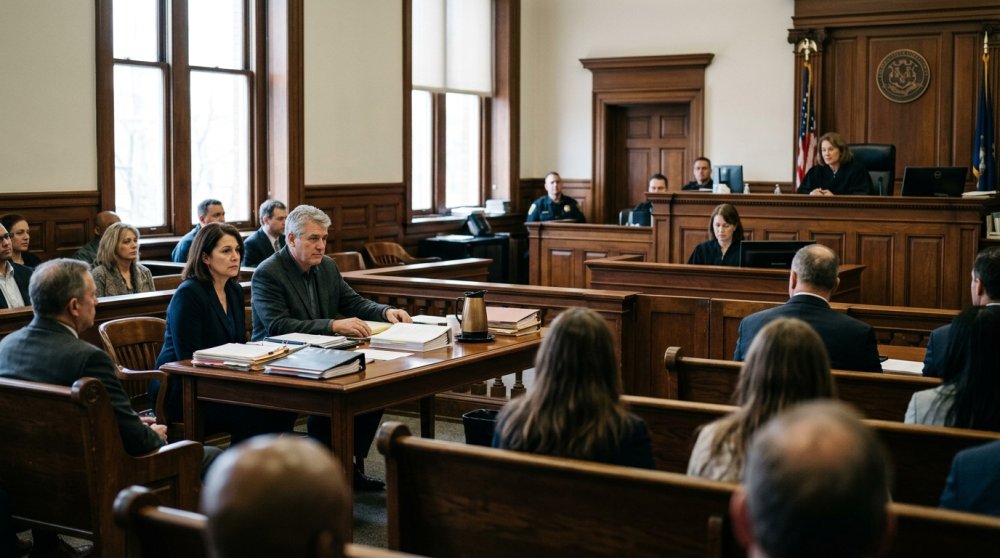
Parents who filed suit to protect their right to decline vaccines on religious grounds saw their case dismissed by a Connecticut judge. The court ruled that the state law eliminating religious exemptions does not violate the state’s religious freedom protections.
The decision means children whose parents hold sincere religious objections to certain vaccines will still be required to receive them in order to attend public school. Families who believe vaccination conflicts with their faith now face limited options within the state.
“The plaintiffs have failed to demonstrate that the religious exemptions are protected under the state religious freedom law,” the ruling stated.
Advocates for parental rights argue the ruling prioritizes government mandates over deeply held beliefs. They warn that similar efforts to remove religious exemptions could spread to other states if left unchallenged.
Critics of the original law contend it undermines the principle that parents, not the state, hold primary responsibility for medical decisions involving their children. They say the ruling sets a troubling precedent that could erode other conscience protections.
Let us know what you think, please share your thoughts in the comments below.


-

 Self-Reliance1 year ago
Trump’s Bold Move Uncovers Massive Social Security Fraud
-

 Faith1 year ago
New Clues Emerge in Noah’s Ark Mystery
-

 News2 years ago
Governor Walz’s Rhetoric Sparks National Controversy
-

 News1 year ago
Mel Gibson’s ‘The Passion of the Christ’ Sequel Title Announced
-

 Family2 years ago
Texas Lawmaker Targets Furries in Schools
-

 Freedom2 years ago
Maine Lawmaker Challenges Sports Fairness Controversy
-

 Family1 year ago
Canada’s Controversial Policy Sparks Ethical Debate
-
Faith10 months ago
Congress Hears Pleas for Nigerian Christians