
Faith
Why the Biblical Vision of Your Calling Is Far Bigger Than You Think


Faith Facts
- The biblical concept of shalom encompasses far more than personal peace—it includes the flourishing of communities, cultures, and creation itself
- God’s mission for believers extends beyond traditional church activities to include every sphere of work and cultural influence
- The exile of Israel provides a powerful model for how Christians should engage with secular society while maintaining their faith identity
For too long, American Christians have confined their understanding of God’s calling to a narrow set of activities: church programs, evangelism efforts, small group Bible studies, and altar calls. While these spiritual disciplines remain essential to Christian formation, they represent only a fraction of the biblical vision for how believers are called to partner with God in the world.
The truth is, Scripture presents a vision of vocation and mission that encompasses every dimension of human life and society.
This fuller vision centers on the Hebrew concept of shalom—a word often translated simply as “peace” but which carries far deeper meaning. Shalom describes the flourishing of all creation under God’s design: right relationships between people and God, among individuals and communities, and between humanity and the created world. It represents wholeness, justice, beauty, abundance, and harmony across every dimension of existence.
When God calls His people to be salt and light, He isn’t limiting that influence to Sunday morning services or evangelistic crusades. He’s commissioning believers to bring His kingdom values into education, business, healthcare, the arts, government, science, agriculture, technology, and every other domain of human endeavor.
The exile of Israel provides a compelling biblical example of this comprehensive approach to faithful living. When the Babylonians conquered Judah and carried God’s people into captivity, it would have been natural for the Israelites to withdraw, to create isolated religious communities, to simply wait for rescue while avoiding contamination from pagan culture.
Instead, God gave them radically different instructions through the prophet Jeremiah. He told them to build houses and settle down, to plant gardens and eat their produce, to marry and have children, to seek the prosperity and welfare of the city where they had been exiled. This wasn’t surrender or compromise—it was faithful engagement motivated by love for neighbors and confidence in God’s sovereignty.
The exiles were called to maintain their distinct identity as God’s covenant people while simultaneously contributing to the common good of a society that didn’t share their faith. They were to pray for Babylon, to work for its flourishing, to be exemplary citizens and neighbors—all while refusing to worship false gods or abandon their core convictions.
This exile paradigm offers a powerful framework for Christians in contemporary America. Like the Israelites in Babylon, believers today live in an increasingly secular culture that often rejects biblical values. The temptation exists either to withdraw into Christian subcultures or to assimilate completely, losing distinctive witness.
The biblical alternative is robust engagement: Christians excelling in their professions, creating beauty through artistic gifts, developing innovations that serve human needs, establishing just business practices, advocating for vulnerable populations, stewarding natural resources wisely, and strengthening the institutions that hold communities together. All of this constitutes kingdom work—partnering with God to manifest shalom in every direction.
When a Christian teacher brings patience, creativity, and genuine care to students, that’s kingdom work. When a believing entrepreneur builds a company culture of integrity and invests profits in community development, that’s kingdom work. When a faithful nurse treats each patient with dignity reflecting the image of God, that’s kingdom work. When a Christian artist creates work that reveals truth, beauty, and goodness, that’s kingdom work.
This comprehensive vision doesn’t diminish the importance of evangelism or church life—it situates them within God’s larger purposes for His creation. Personal salvation matters eternally because God loves each individual. Corporate worship forms and sustains the community of faith. But redeemed individuals and gathered churches exist not as ends in themselves, but as God’s instruments for advancing His kingdom and demonstrating His character across all of life.
American Christianity needs this fuller perspective now more than ever. Cultural challenges require not retreat but faithful presence. Political divisions call not for tribalism but for principled engagement grounded in love for God and neighbor. Economic injustices demand not merely charity but structural wisdom. Environmental degradation requires not indifference but responsible stewardship rooted in our identity as image-bearers of the Creator.
The shalom vision empowers Christians to bring their faith to bear on these complex challenges without reducing them to simplistic spiritual formulas. It affirms that God cares about education policy and medical ethics, about artistic expression and scientific discovery, about criminal justice and agricultural practices. It recognizes that while all human efforts remain tainted by sin until Christ returns, God still calls His people to pursue goodness, truth, and beauty in every sphere of life.
This perspective also guards against the opposite error: assuming that political activism, social programs, or cultural influence constitute the entirety of Christian mission. The shalom vision is comprehensive precisely because it refuses to separate spiritual and material concerns, individual transformation and social renewal, evangelism and justice, worship and work.
Just as the Israelites in exile maintained their prayer life, observed the Sabbath, taught their children God’s law, and looked forward to redemption while also contributing to Babylonian society, contemporary Christians must sustain vibrant spiritual practices while fully engaging their callings in the world. The vertical relationship with God fuels and directs the horizontal engagement with culture.
Recovering this biblical vision requires intentionality. Churches must equip members not only for ministry within the congregation but for faithful presence in their workplaces and communities. Christian education should prepare students to think Christianly about every academic discipline and professional field. Believers need theological frameworks that connect Sunday worship with Monday’s work, that see all legitimate vocations as potential arenas for glorifying God and serving neighbors.
The exile example reveals that God’s people can thrive and contribute even in contexts that don’t acknowledge Him as Lord. It demonstrates that faithfulness doesn’t require controlling political power or cultural dominance, but rather excellence, integrity, compassion, and wisdom wherever God has placed us. It shows that seeking shalom in every direction—working for the flourishing of our cities, institutions, and neighbors—is itself an act of worship and obedience.
For Christians concerned about the direction of American culture, this vision offers hope grounded not in political strategies or culture war victories, but in the ordinary faithfulness of believers living out kingdom values in countless contexts. It’s the cumulative impact of millions of Christians doing their work with excellence, treating people with dignity, speaking truth with grace, creating beauty that points beyond itself, and building institutions and relationships that reflect God’s justice and love.
This is the partnership with God that Scripture envisions: not a narrow religious sphere separated from “real life,” but the transformation of all of life under Christ’s lordship. It’s a vision big enough to encompass the diversity of gifts, callings, and contexts among God’s people. And it’s a vision desperately needed in our time.
Let us know what you think, please share your thoughts in the comments below.

Faith Facts
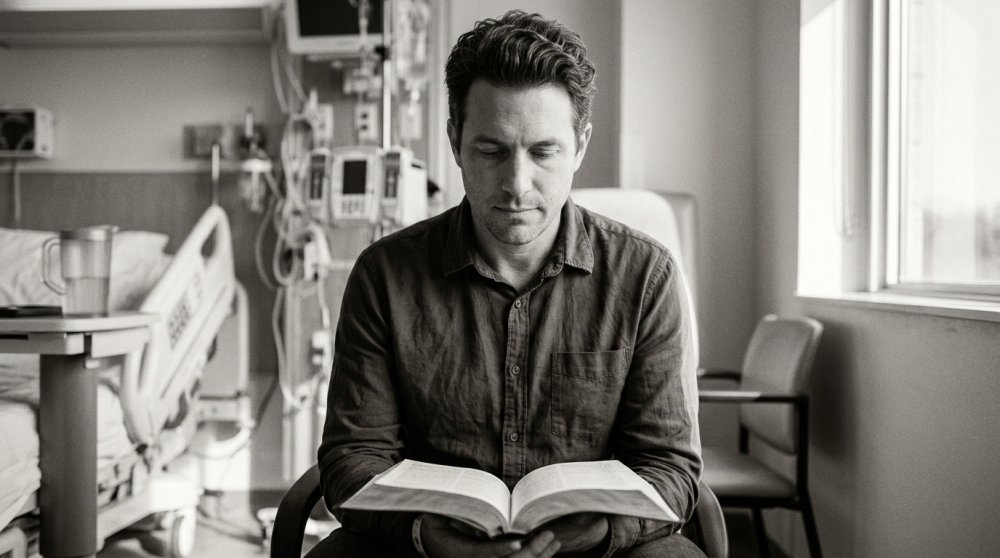
- Dylan Mandell, a Christian social media influencer, has received his fourth cancer diagnosis in four years.
- Mandell publicly declares he is standing on God’s promise of long life despite the repeated health trials.
- The influencer’s testimony highlights unwavering faith and reliance on Scripture amid suffering.
Christian social media influencer Dylan Mandell has been diagnosed with cancer for the fourth time in four years. Yet he refuses to let fear define his story. Instead, he is clinging to the biblical promise of long life.
“I am holding on to God’s promise of long life,” Mandell said. The statement reflects his determination to trust Scripture even when circumstances appear grim.
Family, friends, and followers have rallied around Mandell as he faces this latest battle. His transparency about his health has encouraged many believers to strengthen their own faith during trials.
Through every diagnosis, Mandell has pointed others back to the Word of God. He continues to share messages of hope grounded in Scripture rather than statistics.
Let us know what you think, please share your thoughts in the comments below.
Faith Facts
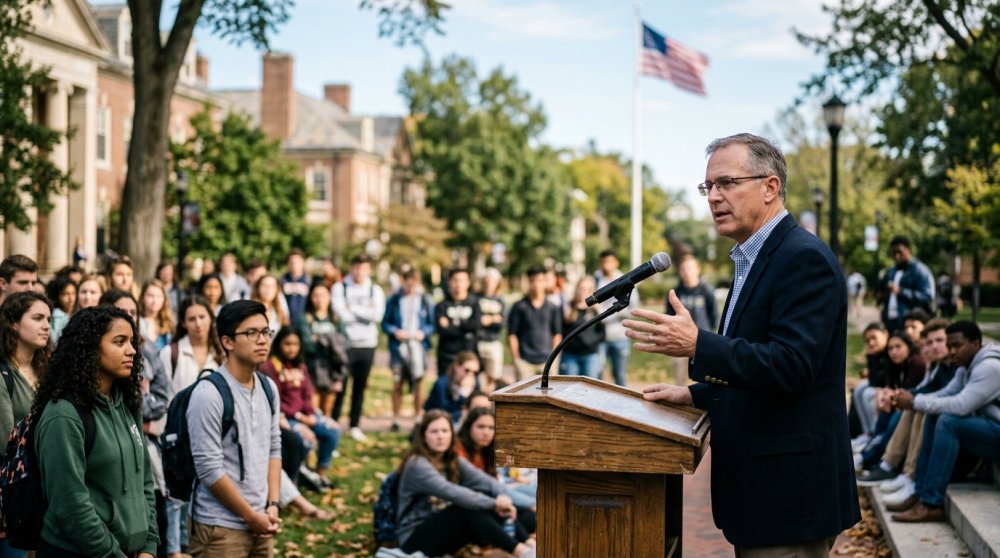
- Frank Turek continues sharing the Gospel on college campuses despite the trauma of witnessing Charlie Kirk’s assassination.
- Turek credits his faith in Christ for helping him process the violence and remain committed to truth.
- The Christian apologist warns that America is engaged in a spiritual battle over reality itself.
Christian apologist Frank Turek has spoken candidly about the profound effect of watching Charlie Kirk’s assassination unfold before his eyes. The shocking act of violence has not silenced his message. Instead, it has strengthened his resolve to continue proclaiming the Gospel on university campuses across the nation.
Turek explained that his faith has been the anchor keeping him steady through the aftermath of the tragedy. He described turning to Scripture and prayer as he grappled with the reality of what he witnessed. That same faith now fuels his determination to keep engaging students with biblical truth.
“The war on reality is real, and it is spiritual,” Turek stated.
He emphasized that the same cultural forces celebrating the murder of Charlie Kirk are the forces actively opposing biblical Christianity on campuses and in the public square. Turek refused to retreat in the face of such hostility, insisting that the Gospel must still be proclaimed even when the cost is high.
“I refuse to back down,” he declared.
Turek’s commitment reflects a broader pattern among Christian leaders who view current cultural battles as part of an ongoing spiritual conflict. He continues to equip believers with apologetics while urging them to stand firm in the face of increasing opposition to traditional values and religious liberty.
Let us know what you think, please share your thoughts in the comments below.
Faith Facts
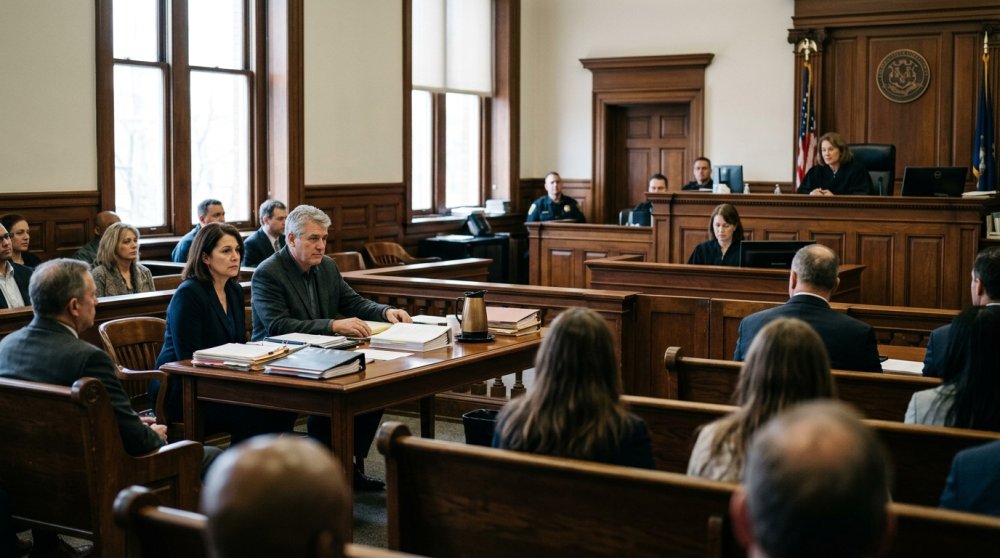
- Parents in Connecticut challenged a state law that removed religious exemptions for school vaccine requirements.
- The lawsuit was dismissed after a judge ruled the exemptions are not protected under existing religious freedom statutes.
- The decision leaves families with no legal recourse when their sincerely held beliefs conflict with state mandates.
Parents who filed suit to protect their right to decline vaccines on religious grounds saw their case dismissed by a Connecticut judge. The court ruled that the state law eliminating religious exemptions does not violate the state’s religious freedom protections.
The decision means children whose parents hold sincere religious objections to certain vaccines will still be required to receive them in order to attend public school. Families who believe vaccination conflicts with their faith now face limited options within the state.
“The plaintiffs have failed to demonstrate that the religious exemptions are protected under the state religious freedom law,” the ruling stated.
Advocates for parental rights argue the ruling prioritizes government mandates over deeply held beliefs. They warn that similar efforts to remove religious exemptions could spread to other states if left unchallenged.
Critics of the original law contend it undermines the principle that parents, not the state, hold primary responsibility for medical decisions involving their children. They say the ruling sets a troubling precedent that could erode other conscience protections.
Let us know what you think, please share your thoughts in the comments below.


-

 Self-Reliance1 year ago
Trump’s Bold Move Uncovers Massive Social Security Fraud
-

 Faith1 year ago
New Clues Emerge in Noah’s Ark Mystery
-

 News2 years ago
Governor Walz’s Rhetoric Sparks National Controversy
-

 News1 year ago
Mel Gibson’s ‘The Passion of the Christ’ Sequel Title Announced
-

 Family2 years ago
Texas Lawmaker Targets Furries in Schools
-

 Freedom2 years ago
Maine Lawmaker Challenges Sports Fairness Controversy
-

 Family1 year ago
Canada’s Controversial Policy Sparks Ethical Debate
-
Faith10 months ago
Congress Hears Pleas for Nigerian Christians