
Faith
Why Faith Communities Are Being Left Behind by Modern Funders

Faith Facts
- Ethnic minority faith communities face systemic barriers in accessing traditional funding sources
- A new church-backed initiative is working to transform how faith-based organizations receive financial support
- Faith communities have historically served the whole person—physical, spiritual, and emotional needs—but funders often ignore this holistic approach
For generations, faith communities across America have understood something that secular institutions are only beginning to grasp: people need more than just their material needs met. Churches, ministries, and faith-based organizations have always served the whole person—body, mind, and spirit.
Yet when it comes to funding, these same communities often find themselves shut out of traditional grant programs and philanthropic opportunities.
Ethnic minority faith communities in particular face significant challenges in accessing the resources they need to continue their vital work. These congregations serve some of our nation’s most vulnerable populations, providing everything from food assistance and job training to counseling and spiritual guidance.
But the funding landscape has not kept pace with their holistic model of care.
A new church-backed initiative is working to change this disparity. The program recognizes that faith communities don’t just address isolated problems—they build relationships, foster community, and address root causes of poverty and social breakdown.
This is the model that has sustained American communities for centuries, grounded in biblical principles of loving your neighbor and caring for the least among us.
Traditional funders often require faith organizations to separate their spiritual mission from their social services, demanding a compartmentalized approach that goes against the very nature of ministry. This creates an impossible choice: compromise your faith identity or forgo funding.
For many minority congregations with limited resources, this has meant struggling to maintain programs that are transforming lives.
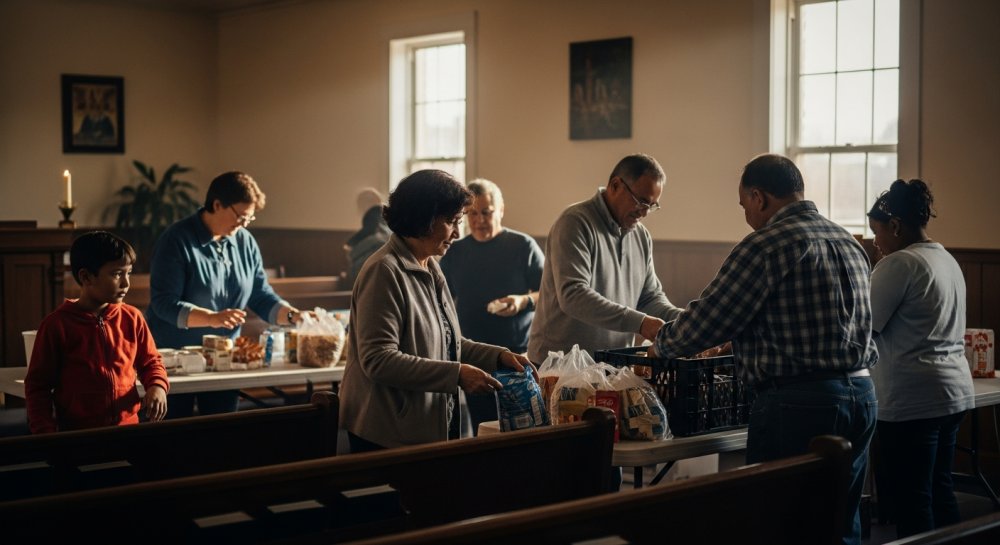
The church-backed funding initiative takes a different approach, one that respects the integral role of faith in community transformation. It recognizes that when a church feeds the hungry, it doesn’t just hand out food—it builds dignity, creates connection, and often opens doors to spiritual renewal.
When a ministry offers job training, it does so within a framework of purpose and eternal value that secular programs simply cannot replicate.
This holistic model isn’t new—it’s as old as the Church itself. From the earliest days of Christianity, believers have understood that caring for physical needs and spiritual needs go hand in hand.
Jesus didn’t just preach; He healed the sick and fed the multitudes. The early Church didn’t just worship; they shared resources and cared for widows and orphans.
America’s faith communities, particularly those serving minority populations, continue this biblical tradition every day. They deserve funders who understand and support their mission—not ones who ask them to compromise it.
As our nation faces increasing division and social challenges, the holistic approach of faith-based community service has never been more needed. These organizations don’t just treat symptoms; they address the spiritual poverty that underlies so many of our societal problems.
The new funding initiative represents a crucial step toward recognizing the unique and irreplaceable role of faith communities in American life.
Let us know what you think, please share your thoughts in the comments below.



Eric Metaxas recently called on fellow believers to extend grace to Donald Trump regarding controversial social media imagery. The broadcaster suggests such posts are merely misguided rather than intentionally blasphemous.
Metaxas emphasized that the former president deeply respects the Christian community and would never purposefully mock the faith.
He noted that there is a significant difference between a tacky meme and a deliberate attack on God.
Faith Facts
- Metaxas serves on the White House Religious Liberty Commission alongside other Evangelical leaders.
- Trump clarified his intent by stating he viewed the AI-generated imagery as representing a healing figure.
- The author contrasted these memes with what he described as a more serious spiritual subversion of Scripture.
“I think if anybody actually does something genuinely blasphemous, those of us who love Jesus should be upset, but I just think this was misguided and sloppy.”
The discussion also touched on the importance of biblical authority and the dangers of twisting scriptural narratives for political gain.
Metaxas encouraged Christians to remain focused on spiritual truth rather than getting distracted by internet controversies.
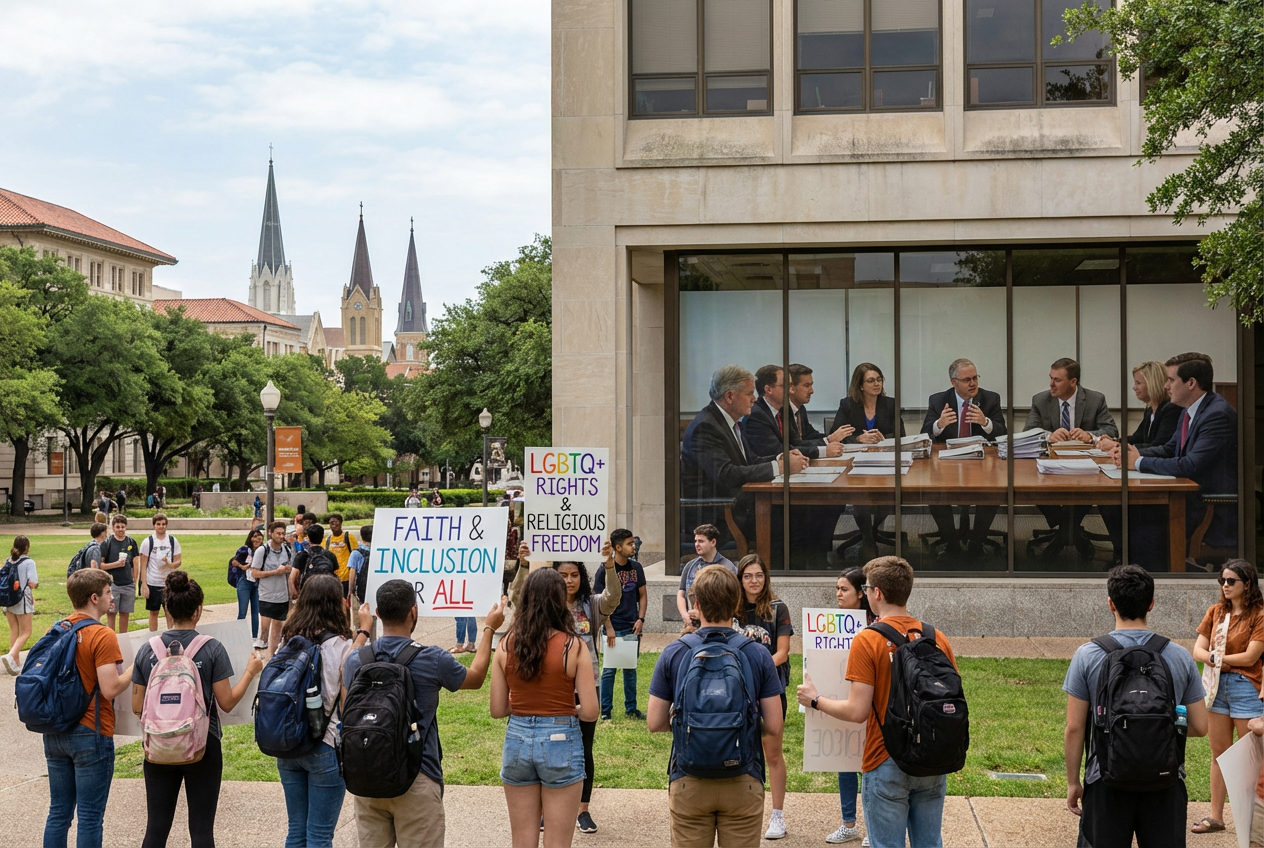
features the president of the Human Rights Campaign and has sparked concern among pastors and churches statewide.
Baylor leadership has expressed a willingness to engage in the review.
The convention says traditional biblical views are essential for cooperation and fellowship.
As believers, we must stand firm in protecting the theological integrity of our institutions.
Pray for wisdom for the Texas Baptists Executive Board as they seek to align their partnerships with the unchanging standards of the Gospel.

Faith Facts
- David French defended James Talarico’s Christian identity despite disagreements over abortion and gender.
- Critics say civil conduct cannot substitute for Biblical truth and historic Christian doctrine.
- The debate centers on whether public niceness can outweigh theological fidelity and moral clarity.
New York Times columnist David French has sparked concern among conservative believers by refusing to question the Christian faith of Texas politician James Talarico. Despite Talarico supporting abortion and non-biblical views on gender, French insists his polite demeanor makes him a positive example of faith in the public square.
Critics argue that civil behavior cannot replace adherence to the Word of God or the foundational tenets of the Gospel.
Theology that denies the exclusive nature of Christ or the sanctity of life represents a departure from the historical Christian witness and the moral clarity required of leaders.
“I’m just really not willing to say that James Talarico is not a Christian. I’m just not going to do it,” French stated during a recent interview.
As believers, we must remain vigilant against attempts to redefine our faith according to secular social trends or political convenience. True Christian leadership requires both a gracious spirit and an unwavering commitment to the absolute truths found in the Holy Bible.


-

 Self-Reliance1 year ago
Trump’s Bold Move Uncovers Massive Social Security Fraud
-

 Faith1 year ago
New Clues Emerge in Noah’s Ark Mystery
-

 News1 year ago
Governor Walz’s Rhetoric Sparks National Controversy
-

 News1 year ago
Mel Gibson’s ‘The Passion of the Christ’ Sequel Title Announced
-

 Family1 year ago
Texas Lawmaker Targets Furries in Schools
-

 Freedom1 year ago
Maine Lawmaker Challenges Sports Fairness Controversy
-

 Family11 months ago
Canada’s Controversial Policy Sparks Ethical Debate
-
Faith5 months ago
Congress Hears Pleas for Nigerian Christians