
Faith
When God Calls Again: The Second Chance We Often Ignore


Faith Facts
- Jeremiah received God’s word while imprisoned for preaching truth to a rebellious nation
- God’s promise in Jeremiah 33:3 came after the prophet had already faithfully delivered difficult messages
- The Lord’s willingness to speak again demonstrates His patience with His people even when they initially reject His word
In the quiet of our prayer closets and the stillness of our hearts, we often cry out to God for guidance, for answers, for a word from Heaven. We wait expectantly, hoping He will break through our circumstances with divine direction. But what happens when God does speak—and we don’t like what we hear?
The question challenges every believer: Are we as gracious to God as we expect Him to be to us? Do we give the Almighty a “second chance” when His first answer doesn’t align with our preferences, our timing, or our understanding of how things should unfold?
The prophet Jeremiah found himself in precisely this tension. Imprisoned for faithfully delivering God’s message to a rebellious nation, he might have had every reason to question whether continued obedience was worth the cost. The people had rejected God’s warnings. The king had ignored divine counsel. And Jeremiah sat in chains for his faithfulness.
Yet it was in this very moment—in the darkness of confinement, after all the rejection and resistance—that God spoke again.
“Call to me and I will answer you and tell you great and unsearchable things you do not know,” the Lord declared in Jeremiah 33:3.
This wasn’t God’s first word to Jeremiah. It wasn’t even His hundredth. This was a God who kept speaking, kept pursuing, kept offering revelation even when His previous words had been met with hostility and unbelief. The divine persistence revealed something profound about the character of our Heavenly Father: He doesn’t give up on His people, and He continues to speak even when His voice has been previously dismissed.
The contemporary American church faces a similar crossroads. We live in a culture increasingly hostile to biblical truth, where standing firm on God’s Word can cost us relationships, opportunities, and comfort. When we do hear from God—whether through Scripture, the prompting of the Holy Spirit, or the counsel of godly leaders—we’re tempted to negotiate, to wait for a more convenient word, or to simply ignore what doesn’t fit our plans.
But God’s character remains unchanged. He is the same yesterday, today, and forever. If we’ve walked away from His first word because it demanded too much, cost too much, or challenged too much, He stands ready to speak again to those who will truly listen.
The grace of a second chance flows freely from the throne of God. He gave it to Jonah after the prophet fled his calling. He gave it to Peter after the disciple denied knowing Him. He gave it to the church at Ephesus when they had abandoned their first love. Throughout Scripture, we see a God who pursues His people with persistent love and repeated invitations to return, to listen, to obey.
The harder question is whether we extend that same grace back to God. When His word requires sacrifice, do we trust Him enough to obey? When His timeline differs from ours, do we remain patient? When His ways seem mysterious or difficult, do we still believe He is good?
Jeremiah’s story reminds us that God’s faithfulness doesn’t depend on our response. He continued to speak truth to Israel even as the nation hurtled toward judgment. He offered hope even in the midst of consequence. He promised restoration even when destruction seemed inevitable. The prophet’s responsibility wasn’t to control outcomes but to remain faithful to the voice of God, regardless of how others responded.
For believers today, this carries profound implications. We serve a God who will speak again—not because He owes us anything, but because His nature is to reveal Himself to those who earnestly seek Him. The question isn’t whether God will give us a second chance; it’s whether we’re prepared to receive it with humility, obedience, and gratitude.
In our political discourse, our cultural engagement, and our personal lives, Christians must be people who listen carefully when God speaks. This means immersing ourselves in His Word, cultivating sensitivity to His Spirit, and surrounding ourselves with believers who will speak truth even when it’s uncomfortable. It means being willing to hear correction, embrace conviction, and follow divine direction even when the path is costly.
The promise of Jeremiah 33:3 extends to every generation of believers. God still reveals “great and unsearchable things” to those who call upon Him. But receiving that revelation requires something of us: a heart that remains tender toward His voice, a spirit that doesn’t harden after the first difficult word, and a faith that trusts His character even when we don’t understand His methods.
As America faces mounting challenges—moral confusion, cultural division, spiritual apathy—the church needs believers who will listen when God speaks, regardless of how many times He’s had to repeat Himself. We need modern Jeremiahs who will remain faithful to the divine word even when it’s unpopular, costly, or misunderstood. We need Christians who value God’s voice more than cultural approval, political favor, or personal comfort.
The grace to hear God a second time is a gift we should never take for granted. It’s evidence of His patient love, His persistent pursuit, and His unwavering commitment to His people. The real question isn’t whether God will speak again—it’s whether we’re truly listening.
Let us know what you think, please share your thoughts in the comments below.


Faith Facts
- Churches worldwide are being called to support 1.9 million maritime workers during Sea Sunday 2026, an international day of prayer and fundraising for those on the frontlines of global trade.
- Seafarers face extreme isolation, mental health challenges, and exploitation while keeping global commerce moving, often spending months at sea away from family.
- Christian maritime ministries provide spiritual care, practical assistance, and advocacy for these workers who remain largely invisible to the general public.
The faithful are being called to turn their attention to a forgotten workforce that keeps America and the world supplied with essential goods. Churches across the nation are preparing to observe Sea Sunday 2026, a special day dedicated to prayer, reflection, and support for the 1.9 million seafarers who labor on the world’s oceans.
These maritime workers form the backbone of global trade, yet they work in conditions that most Americans never consider. They spend months at sea, separated from their families and isolated from community support.
Sea Sunday represents an opportunity for the Christian community to fulfill the biblical call to care for the stranger and support those who labor in difficult circumstances. The observance highlights the spiritual and practical needs of seafarers who face unique challenges including mental health struggles, exploitation, and the absence of basic pastoral care.
Maritime ministries serve these workers in ports around the world, providing everything from spiritual counsel to internet access so sailors can contact their families. These chaplains and volunteers embody Christ’s love in practical ways, often serving as the only connection seafarers have to the church during their long voyages.
The work of supporting maritime workers aligns with traditional Christian values of service, compassion, and recognition of human dignity. These men and women sacrifice time with their loved ones to ensure that goods reach their destinations, yet they often labor in anonymity without the support systems most workers take for granted.
Churches observing Sea Sunday typically include special prayers for seafarers, collect offerings to support maritime ministries, and educate their congregations about the realities of life at sea. This awareness-raising serves a dual purpose: providing tangible support while reminding believers of their responsibility to care for all workers, especially those society overlooks.
The call to support seafarers resonates deeply with Scripture’s emphasis on hospitality to strangers and care for those who travel far from home. From the apostle Paul’s own harrowing sea voyages to Jesus calming the storm for frightened fishermen, the Bible recognizes both the importance and dangers of maritime life.
Maritime workers today face modern challenges including piracy, harsh working conditions, and the mental toll of extended isolation. Christian organizations working in this field report that seafarers frequently express gratitude for even small gestures of care, revealing the depth of their need for human connection and spiritual support.
As churches consider their missions and outreach priorities, Sea Sunday offers a focused opportunity to impact lives that might otherwise remain beyond the reach of the Gospel. The seafarers who deliver the goods Americans depend on daily deserve the prayers and support of the faith community.
This international observance reminds believers that Christian witness extends to every corner of the working world. Supporting those who work at sea demonstrates a comprehensive faith that values all honest labor and recognizes the image of God in every worker, regardless of how visible or invisible their occupation may be.
Let us know what you think, please share your thoughts in the comments below.

Faith Facts
- Pastor Lyda Elena Arias de García, president of the Evangelical Confederation of Colombia (CEDECOL), was awarded the Order for Women and Democracy “Policarpa Salavarrieta” by the Colombian Senate on July 3.
- The prestigious congressional honor recognizes women who have made significant contributions to Colombian society through service and leadership.
- Pastor Arias de García leads CEDECOL, Colombia’s largest evangelical confederation, representing thousands of churches and millions of believers across the nation.
In a powerful affirmation of Christian leadership, Colombia’s Senate has recognized one of the nation’s most influential evangelical voices with its highest honor for women. The award ceremony demonstrates the growing respect for faith-based leadership in Latin American public life.
Pastor Lyda Elena Arias de García has dedicated her life to advancing the Gospel and serving the Colombian people through the Evangelical Confederation of Colombia. Her recognition comes at a time when evangelical Christians are increasingly playing vital roles in shaping their nations’ moral and civic directions.
The Order for Women and Democracy “Policarpa Salavarrieta” represents the Senate’s recognition of exceptional service to Colombian democracy and society. The honor is named after a revolutionary heroine who fought for Colombia’s independence, symbolizing courage and dedication to the nation.
CEDECOL represents a broad coalition of evangelical churches and ministries throughout Colombia, providing spiritual guidance and community service to millions of believers. Under Pastor Arias de García’s leadership, the organization has strengthened its voice on issues affecting families, religious freedom, and traditional values.
The recognition of an evangelical leader by Colombia’s legislature reflects a broader trend across Latin America, where Christian values are increasingly informing public policy debates. Evangelical Christians have become key voices advocating for family protection, religious liberty, and moral clarity in government.
Pastor Arias de García’s honor serves as an encouragement to Christian leaders worldwide who faithfully serve their communities while maintaining biblical principles. Her example demonstrates that unwavering commitment to faith and service can earn respect even in secular government institutions.
Let us know what you think, please share your thoughts in the comments below.
Faith Facts
- More than half of Protestant pastors in the United States report needing help with their physical and mental health
- Pastors identify sabbaticals and role changes as the most effective burnout relief, yet most cannot access these solutions
- New research from Barna Group reveals a crisis of care among America’s spiritual shepherds
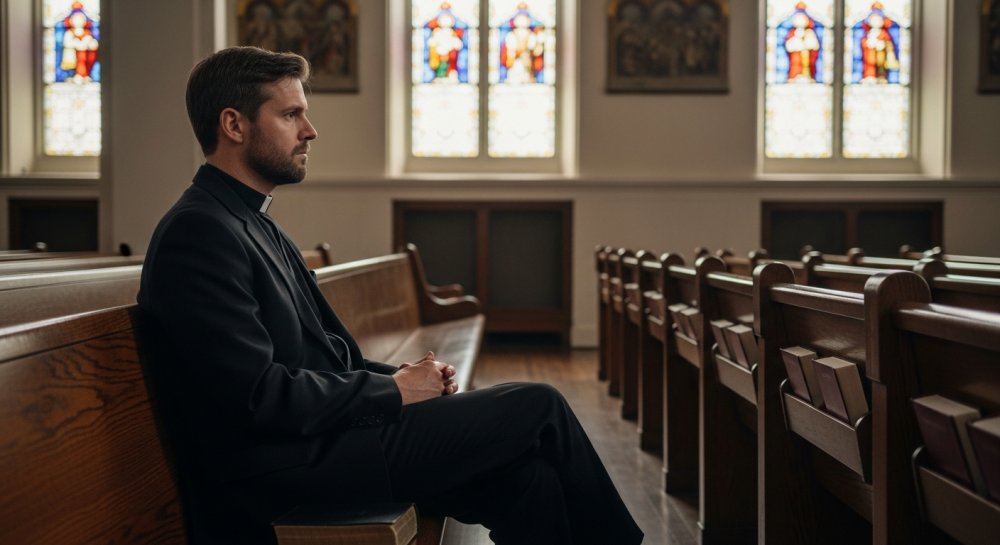
The men and women called to shepherd America’s churches are facing a mounting crisis. More than half of Protestant pastors across the nation say they desperately need help with their physical and mental health, yet the very solutions they believe could restore them remain frustratingly out of reach.
According to new research from Barna Group, the burnout-relief measures pastors say would work best—sabbaticals and role changes—are rarely available to those who need them most. This growing gap between pastoral need and congregational support threatens the spiritual health of communities nationwide.
The findings paint a sobering picture of ministry in modern America. Pastors, tasked with caring for their flocks through crisis after crisis—from pandemic shutdowns to cultural upheaval—have found themselves running on empty. The demands of ministry have intensified while resources and support have often remained stagnant.
Many pastors report feeling trapped between their calling and their wellbeing. The expectation to always be available, to counsel the hurting, to prepare sermons, to manage church operations, and to maintain their own family life creates an unsustainable burden. Yet stepping away, even temporarily, often feels impossible in smaller congregations with limited staff and tight budgets.
The research highlights a critical disconnect: while church members rely on their pastors for spiritual guidance and emotional support, many congregations lack the structures or resources to reciprocate that care. Sabbaticals, which could provide crucial time for rest and renewal, remain a luxury few pastors can afford or access.
This pastoral burnout crisis has profound implications for the broader Christian community. When shepherds are depleted, entire congregations suffer. The quality of preaching, counseling, and spiritual leadership diminishes when pastors operate from a place of exhaustion rather than renewal.
The need for role changes—another top request among struggling pastors—suggests that many feel misaligned with their current ministry positions. Whether due to church size, congregational culture, or specific job demands, these pastors recognize that their current roles may not be sustainable long-term. Yet moving to a different position often requires difficult conversations and transitions that seem equally daunting.
Christian communities must reckon with this reality: investing in pastoral health is not optional—it’s essential. Churches that prioritize their pastors’ wellbeing through practical support, adequate compensation, sabbatical policies, and realistic expectations will be better positioned to fulfill their mission in an increasingly challenging cultural landscape.
The data serves as a wake-up call for church boards, denominational leaders, and congregations. Supporting those who serve in ministry is not merely about retention or efficiency—it’s about honoring the biblical mandate to care for one another, especially those who labor in teaching and preaching.
As America faces mounting spiritual challenges, the health of our pastors becomes even more critical. These findings demand a response rooted in both compassion and practical action—providing the resources, rest, and restructuring necessary to sustain those called to lead God’s people.
Let us know what you think, please share your thoughts in the comments below.


-

 Self-Reliance1 year ago
Trump’s Bold Move Uncovers Massive Social Security Fraud
-

 Faith1 year ago
New Clues Emerge in Noah’s Ark Mystery
-

 News1 year ago
Governor Walz’s Rhetoric Sparks National Controversy
-

 News1 year ago
Mel Gibson’s ‘The Passion of the Christ’ Sequel Title Announced
-

 Family1 year ago
Texas Lawmaker Targets Furries in Schools
-

 Freedom1 year ago
Maine Lawmaker Challenges Sports Fairness Controversy
-

 Family1 year ago
Canada’s Controversial Policy Sparks Ethical Debate
-
Faith8 months ago
Congress Hears Pleas for Nigerian Christians