
News
What’s Really Happening Inside Britain’s Empty Churches

Faith Facts
- Over 3,650 crimes were committed against church properties in the UK during 2025, averaging 10 incidents per day
- The Countryside Alliance reports these attacks include theft, vandalism, and arson targeting places of worship
- British churches face mounting security challenges as traditional Christian communities decline and properties become vulnerable targets
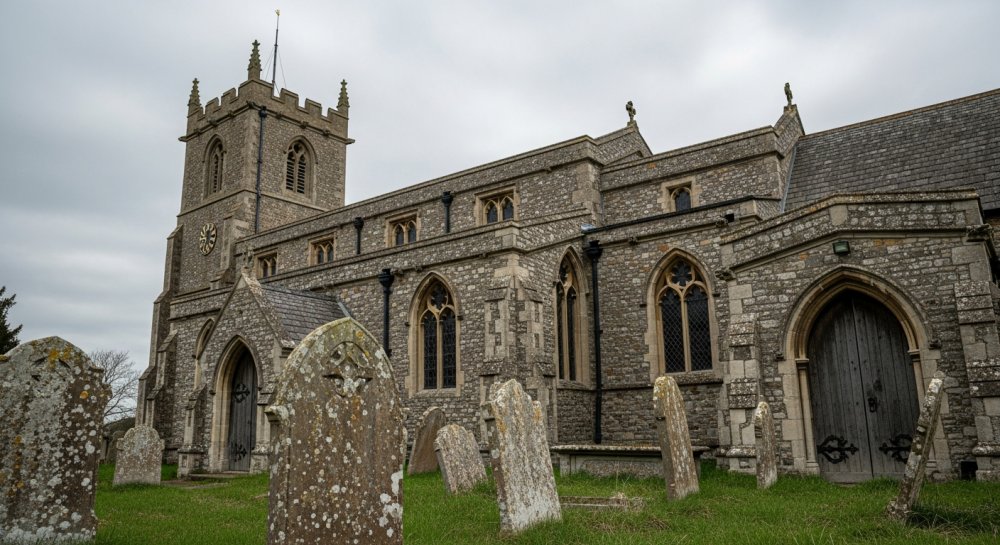
Churches across the United Kingdom are under siege, with an alarming new report revealing the scale of criminal attacks on these sacred spaces. The findings paint a troubling picture of what happens when a society turns away from its Christian heritage.
The Countryside Alliance has documented a disturbing trend that should concern all people of faith. More than 3,650 crimes were committed against church properties throughout 2025, translating to approximately 10 criminal incidents every single day.
These aren’t minor infractions. The crimes range from theft and vandalism to arson, targeting the very buildings that have served as spiritual anchors for communities across Britain for centuries.
The vulnerability of these historic structures reflects a broader cultural shift. As church attendance has declined across Western Europe, many congregations can no longer afford the security measures or regular maintenance that would deter criminals.
Empty or lightly-used church buildings become attractive targets for thieves seeking valuable metals, historic artifacts, or simply vandals looking to desecrate what was once held sacred. The pattern mirrors concerning trends in other European nations where Christian influence has waned.
For American Christians, this serves as a sobering reminder of what can happen when faith becomes marginalized in the public square. The physical attacks on church properties represent something deeper—a society that has lost respect for its religious institutions and the values they represent.
Rural churches face particular challenges, often isolated and lacking the community presence that once protected them. The Countryside Alliance has been at the forefront of documenting these crimes and advocating for greater protection of rural religious sites.
British authorities have struggled to address the problem effectively, with limited resources devoted to protecting religious properties and prosecuting those who target them. The message sent by such neglect is clear: churches and their congregations are not a priority.
This crisis should galvanize American Christians to remain vigilant in protecting our own houses of worship and maintaining strong, active congregations. When churches become empty monuments rather than living communities of faith, they become vulnerable to those who would destroy what they represent.
The situation in Britain demonstrates that religious freedom isn’t just about legal protections—it requires active communities willing to defend their sacred spaces and pass their faith to the next generation. Without that commitment, even the most beautiful cathedral becomes just another target.
Let us know what you think, please share your thoughts in the comments below.

Faith Facts
- Scripture teaches that honest scales and balances are from the Lord, and dishonest weights are an abomination to Him.
- Christian voters are called to seek leaders who uphold integrity and reject schemes that undermine fair elections.
- Proverbs 29:2 reminds believers that when the righteous thrive, the people rejoice, but when the wicked rule, the people groan.
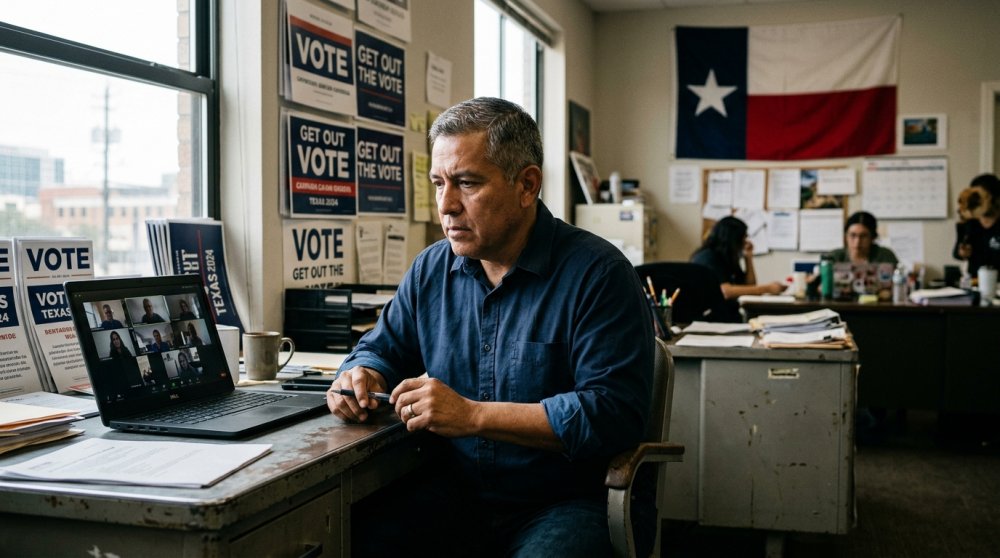
A Texas Democrat political action committee has dismissed an organizer after undercover footage showed him describing $25 payments to citizens for attending a one-hour anti-Republican Zoom class.
The organizer referred to the payments as “a roundabout way of paying people for their votes,” raising serious questions about the legality and ethics of the practice.
Conservative watchdogs argue that such tactics erode public trust in the democratic process and violate the principle of free and fair elections that Americans hold dear.
“A roundabout way of paying people for their votes.”
Faith-based leaders in the Lone Star State are calling for full transparency and swift investigation, insisting that Christian citizens deserve elections free from financial inducements.
The incident underscores the need for vigilance among voters who value traditional principles of honesty and accountability in government.
Let us know what you think, please share your thoughts in the comments below.

Faith Facts
- Brad Pitt publicly acknowledged the profound spiritual and psychological toll that military service takes on service members.
- The actor emphasized sacrificial love as a sustaining force through trauma and hardship.
- Christian conservatives affirm that true strength comes from faith, family, and the willingness to lay down one’s life for others.
Brad Pitt presented his new survival drama Heart of the Beast at its red carpet premiere, describing the film as a tribute to the men and women who serve in uniform. He noted that military personnel risk more than physical harm, stating they put their “psyches” and “souls” on the line.
The actor explained that the story also explores how sacrificial love can anchor individuals through deep trauma and adversity.
“Heart of the Beast” shows the cost of military service, sacrificial love.
Christian viewers will recognize the biblical principle that greater love has no one than this: to lay down one’s life for one’s friends.
Let us know what you think, please share your thoughts in the comments below.
Faith Facts
- The bereaved mother turned to her faith in God as she faced the unthinkable loss of her son and his bride.
- She called on lawmakers to remember the biblical command to uphold justice and protect the innocent.
- The family is trusting that truth and righteousness will prevail through prayer and faithful action.
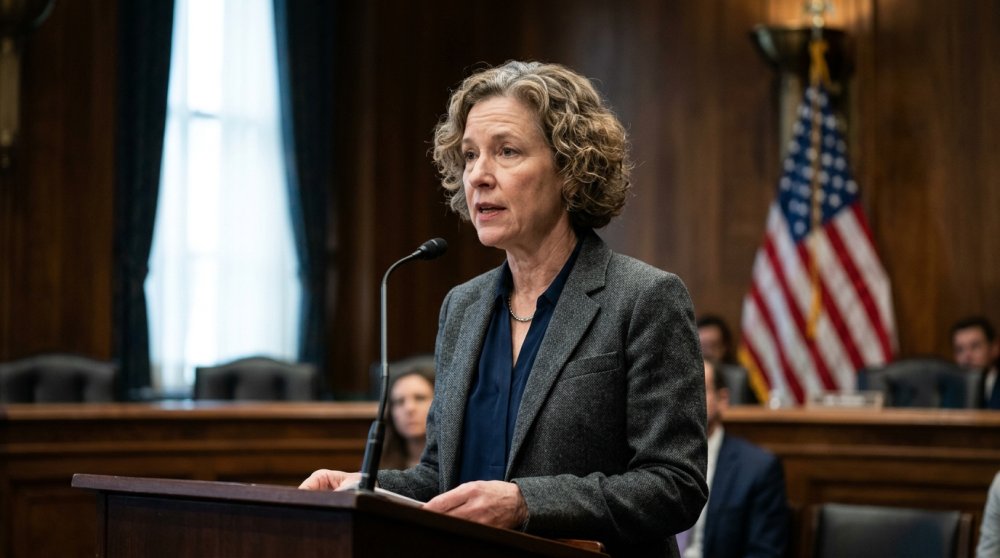
An Oregon mother stood before congressional lawmakers Tuesday to share the devastating story of losing her son and his newlywed bride in a crash caused by a commercial truck driver in the country illegally.
She described the pain of watching her children’s lives cut short by a driver who should never have been behind the wheel.
The mother pleaded for Congress to take decisive steps to close loopholes that place American families at risk.
“They’re tying our hands,” she said.
She urged representatives to remember that every lawmaker has the power to prevent future tragedies.
The grieving mother emphasized that securing the border and enforcing immigration law is not just a policy issue but a matter of protecting the sanctity of life.
She pointed to the biblical principle that government exists to punish evildoers and praise those who do good.
“They’re tying our hands,” she repeated, calling on Congress to act before more families suffer the same loss.
Let us know what you think, please share your thoughts in the comments below.


-

 Self-Reliance1 year ago
Trump’s Bold Move Uncovers Massive Social Security Fraud
-

 Faith1 year ago
New Clues Emerge in Noah’s Ark Mystery
-

 News2 years ago
Governor Walz’s Rhetoric Sparks National Controversy
-

 News1 year ago
Mel Gibson’s ‘The Passion of the Christ’ Sequel Title Announced
-

 Family1 year ago
Texas Lawmaker Targets Furries in Schools
-

 Freedom1 year ago
Maine Lawmaker Challenges Sports Fairness Controversy
-

 Family1 year ago
Canada’s Controversial Policy Sparks Ethical Debate
-
Faith10 months ago
Congress Hears Pleas for Nigerian Christians