
Faith
What This Pastor Discovered About God and Immigrants Changed Everything

Faith Facts
- A Mennonite pastor reveals how migration runs throughout the entire biblical narrative — from Eden to the incarnation of Jesus Christ
- The author transformed his own congregation into a sanctuary for immigrants, serving alongside them rather than debating policy from a distance
- This theological work challenges Christians to see migrants not as political issues, but as neighbors created in God’s image
God is a God who moves with his people. This is the central idea of Isaac Samuel Villegas’ book, “Migrant God: A Christian Vision for Immigrant Justice.”
Villegas, the son of immigrants and a Mennonite pastor in Durham, N.C., shows that migration is woven throughout the biblical story — from Adam and Eve leaving Eden to Abraham’s journey, Israel’s exile and ultimately the incarnation of Jesus. God moves, crosses boundaries and chooses to identify with the displaced.
God cares for those who migrate, knows the names of those who die in the attempt and hears the cries of the bullied, persecuted, detained and deported already inside American boundaries. Villegas writes from experience, close-at-hand encounters and the practice of presence; he has walked through the desert, frequented immigrant aid centers, visited prisons and transformed his own congregation into a sanctuary for immigrants.
For him, this topic is not political rhetoric. His concern for immigrant justice is born of his lived experience and hard theological work.
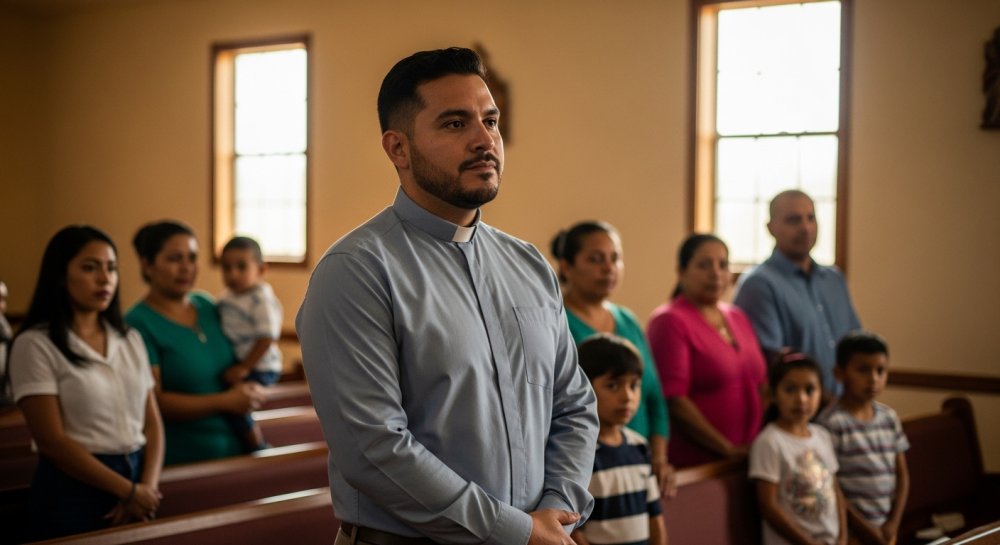
Villegas’ book resonated strongly with co-ministers in a multicultural, multiracial congregation in Chicago that welcomes native-born Americans and immigrants from four continents. He tells stories of people whom they recognize, sit with on Sundays and serve the Lord with throughout the week.
There is the church outside Dallas creating a pueblo of God by their communal meals, where “worship spills over into the kitchen” and everyone has a place at the table. There is Rosa, a Honduran refugee from domestic violence who lives and serves at Villegas’ church in order to have a chance at a new life with her children.
There is the church-run network of shelters in Mexico providing places for migrants to live and thrive. These are stories of peace, not violence: of human beings trying to live with their neighbors in faith, justice and dignity.
Villegas wants his readers to remember that God knows every name, every hair on the head of migrants, just as surely as he knows those who have lived in America for generations. To him, nationalist government policies are not a fight against migration, but rather a war against immigrants who cross borders equipped only with the hope of a more dignified life — a hope that dies with many of them in the desert.
Some will find Villegas’ book challenging, perhaps even occasionally offensive. He points out, for instance, laws that the federal government has passed since the 1950s to offload responsibility for border crossing deaths onto migrants themselves.
Villegas challenges all who identify with Christ to cease waving the banner of nationalist theology and offer places at our tables for immigrants. Ultimately, “Migrant God” is both theological reflection and call to action.
It reminds us of biblical commands to love and protect the foreigner. For Villegas, welcoming immigrants is central to faithful Christian living.
This book challenges and inspires readers to see migrants not as strangers, but as neighbors — and even as reflections of God himself. The work calls Christians back to Scripture’s consistent message about how God’s people should treat the sojourner among them.
Let us know what you think, please share your thoughts in the comments below.

Faith Facts
- Dinesh D’Souza has written a new book titled The Stones Cry Out examining biblical archaeology and end times prophecy.
- The author asserts that archaeological evidence supports the historical accuracy of Scripture.
- D’Souza connects these discoveries to biblical prophecies concerning the last days.
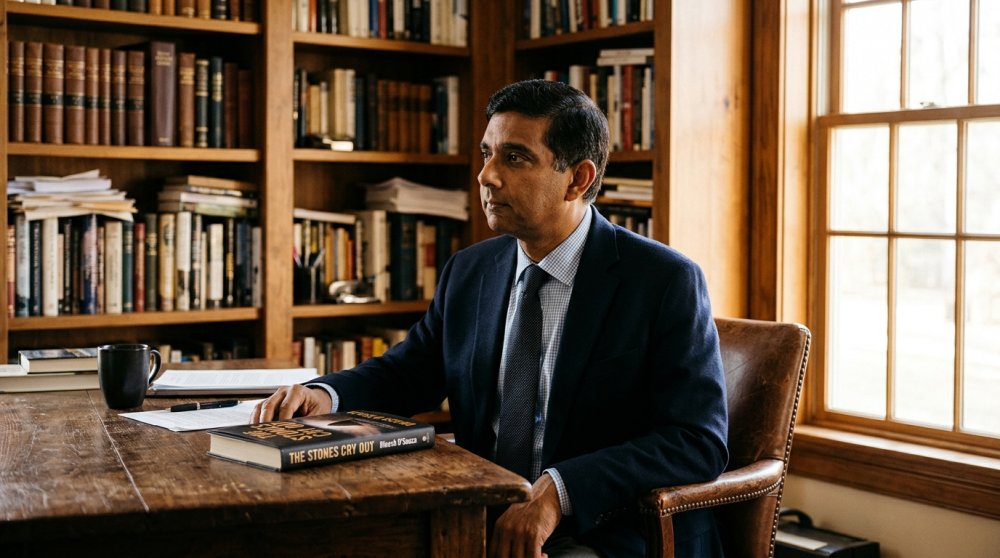
Author and filmmaker Dinesh D’Souza has joined Christian Post to discuss his latest work, The Stones Cry Out: Biblical Archaeology, Prophecy, and the Last Days.
The book examines how recent archaeological findings confirm the reliability of biblical accounts. D’Souza argues that these discoveries strengthen the case for the literal fulfillment of prophecy in our time.
“The Stones Cry Out is about how the ground itself testifies to the truth of Scripture and the nearness of the last days,”
he explained during the interview.
D’Souza highlights specific sites and artifacts that align with Scripture’s historical claims. He presents these findings as evidence that the Bible is not merely spiritual literature but a trustworthy historical record.
“When archaeology confirms what the prophets foretold, it becomes harder for skeptics to dismiss the Word of God,”
he stated.
The author also explores how current events appear to line up with prophetic patterns described in Scripture. He encourages believers to study both the physical evidence and the biblical text with renewed attention.
“God is not silent, and the stones continue to speak,”
D’Souza concluded.
Let us know what you think, please share your thoughts in the comments below.
Faith Facts
- Kori Pennypacker of Bible2School is helping Christian families understand that public school attendance does not require compromising faith in Jesus Christ.
- Pennypacker addresses widespread confusion among parents and educators about students’ constitutional religious freedom rights.
- The ministry equips children to live out their faith with confidence while attending public schools across America.
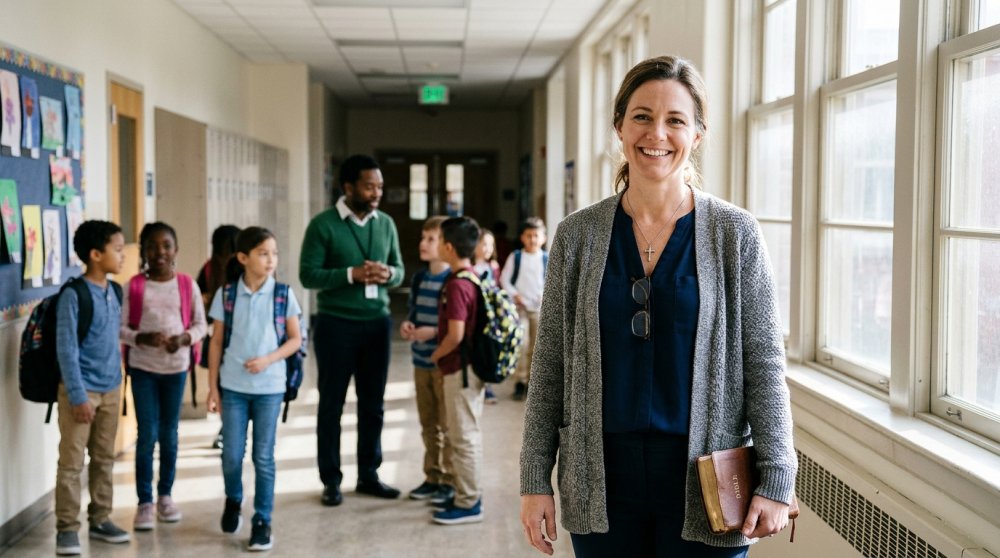
Christian parents across the nation face an increasingly difficult decision when it comes to their children’s education. Many wonder whether sending their sons and daughters to public schools will inevitably lead to the erosion of their faith. Kori Pennypacker, CEO of Bible2School, believes this false choice is robbing families of both educational opportunity and spiritual growth.
Pennypacker’s message centers on what she calls “God confidence” – the assurance that children can stand firm in their Christian beliefs even in secular environments. She argues that public schools remain one of the largest mission fields in America, filled with children who need to hear the Gospel.
“Christian parents don’t have to choose between sending their children to public school and teaching them to live openly for Jesus Christ,” Pennypacker states. She emphasizes that many families have been unnecessarily frightened away from public education due to misinformation about religious liberty protections.
The Bible2School ministry works to correct these misconceptions by training both parents and educators on students’ constitutional rights. Pennypacker notes that religious expression remains protected in public schools, including the right to pray, read Scripture, and share one’s faith with peers during appropriate times.
Through Bible2School’s programs, children learn how to articulate their beliefs with both courage and respect. The ministry provides practical tools that help young believers navigate classroom discussions, peer relationships, and school policies while maintaining their Christian witness.
Pennypacker believes that rather than retreating from public education, Christian families should prepare their children to engage the culture with truth and grace. This approach, she argues, produces stronger believers who understand how to live out their faith in any environment.
Let us know what you think, please share your thoughts in the comments below.
Faith Facts
- Vice President JD Vance credits his faith for guiding his political service and life decisions.
- Vance says he has not yet felt a divine call to pursue the presidency in 2028.
- He remains open to the possibility that God may lead him toward a future presidential campaign.
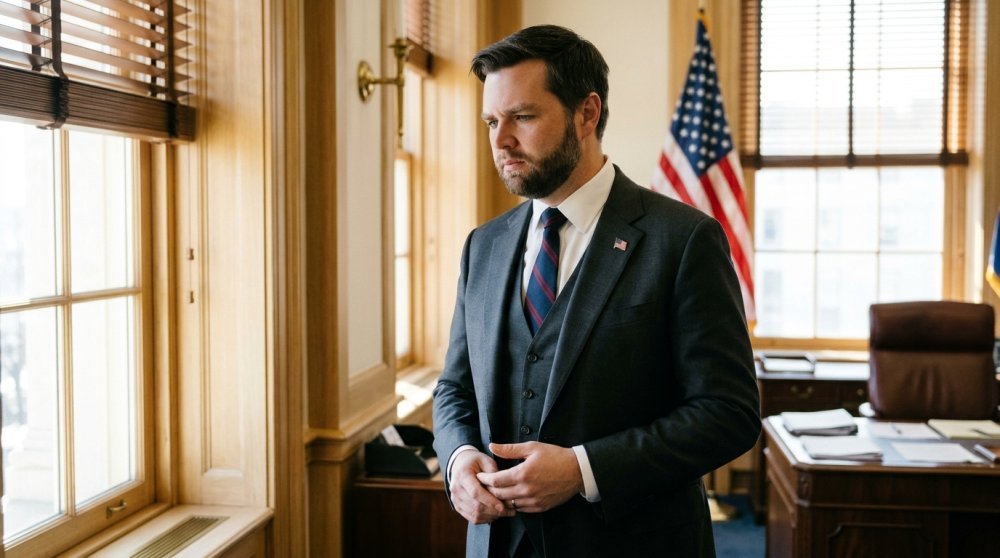
Vice President JD Vance has stated that his faith remains central to his decision-making as he weighs a potential 2028 presidential campaign. The Ohio senator-turned-vice president spoke candidly about how he continues to seek God’s direction before making major political moves.
Vance emphasized that he has not yet sensed a clear calling from God regarding a presidential run. He noted that this could change in time but stressed the importance of waiting for divine guidance.
“I haven’t yet felt God’s call for a presidential run in 2028,”
“Maybe that’ll change.”
Vance’s comments reflect a growing trend among conservative leaders who publicly acknowledge their dependence on prayer and Scripture when facing major career decisions. His approach resonates with many Americans who value leaders willing to submit their ambitions to God’s will.
The vice president also reflected on how his conversion to Christianity has shaped his worldview and public service. Vance has often spoken about the transformative power of faith in both his personal life and his political philosophy.
Let us know what you think, please share your thoughts in the comments below.


-

 Self-Reliance2 years ago
Trump’s Bold Move Uncovers Massive Social Security Fraud
-

 Faith2 years ago
New Clues Emerge in Noah’s Ark Mystery
-

 News2 years ago
Governor Walz’s Rhetoric Sparks National Controversy
-

 News2 years ago
Mel Gibson’s ‘The Passion of the Christ’ Sequel Title Announced
-

 Family2 years ago
Texas Lawmaker Targets Furries in Schools
-

 Freedom2 years ago
Maine Lawmaker Challenges Sports Fairness Controversy
-

 Family1 year ago
Canada’s Controversial Policy Sparks Ethical Debate
-
Faith11 months ago
Congress Hears Pleas for Nigerian Christians